


As a remote worker who adores travel, I always look for the best European cities to visit (and fantasize about moving to) while working abroad. Andrew Henderson, a travel expert working for Nomad Capitalist, ranked the best cities for remote workers according to accessibility, affordability, logistics, and longevity.
Breakdown of Factors

Accessibility
The accessibility factor focuses on how easy it is to get to a destination. This is determined by flights to and from New York and LA to European cities, average English fluency in a city, and the ease of processing to get into a country. The Schengen Zone currently allows visitors to stay for a maximum of 90 days at a time.
The European Travel Information and Authorization System (ETIAS) is expected to launch in late 2026, following the implementation of the EU’s Entry/Exit System in October 2025. Once operational, ETIAS will require travelers from visa-exempt countries to obtain online authorization (for a fee of €7) before visiting Schengen countries.
Affordability
In terms of the affordability factor, this is measured by how easy it would be for an American to budget for their stay in Europe. This includes transportation costs, monthly accommodation rates, utility bills, and the typical food expenditure. This is compared to the average American salary in the US, which is around $5,200 per month and how much would be left over.
Logistics
For logistics, this factor is based on wifi and data connection, time difference compared to America, and the amount of available coworking spaces and work zones per city.
While you adjust to life abroad, Airalo is a fast and easy way to buy data specific to a country, region, or globally. With a click of a button, you can choose the amount of gigabytes you’d like for any duration of time. One gigabyte is typically five euros and last longer than you’d think. I have had nothing but successful, convenient experiences with Airalo. Learn more here.
It’s also very important to consider travel insurance while you settle into a new country. SafetyWing offers travel insurance specific to digital nomads called ‘Nomad Health.’ With this plan, you can live anywhere and still have great health insurance. You can choose any doctor, claims are fast and easy, and there is 24/7 support in all time zones. Learn more here.
Longevity
Lastly, the longevity factor is calculated based on the value of long-term stays in each city. There is a measurement called the Nomad Capitalist’s Passport Index, which determines how Americans are culturally accepted and perceived by locals, income tax costs, and the ease of acquiring dual citizenship for a more permanent move.
So, Which Cities Score the Highest?
1. Bucharest, Romania
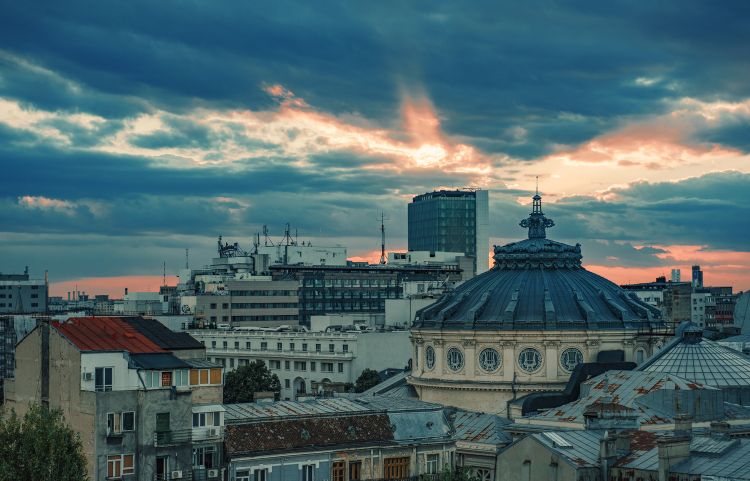
Bucharest ranks amazingly in terms of all factors and received a score of 33.4 out of 40. The average return flight from Bucharest to America is $544, which is significantly less than the average return flight from Rome, Italy, at a staggering $1,031. The Schengen visa approval rate is at 93%, which means it’s very easy for Americans to relocate for a longer time. Bucharest is also known as “Little Paris” but at a fraction of the price.
Bucharest is also extremely affordable based on rent, utilities, transport, and food. The average monthly costs are around $1,400 (excluding rent), with rent for a one-bedroom apartment in the city center ranging from $400 to $600. This means total living expenses of approximately $1,800 to $2,000 per month, significantly less than the average American salary, allowing plenty of room to save or to further explore the city and travel around.
This city also has some of the best broadband speeds out of any other European nation. There are 19 public coworking spaces in the city center alone. Although it is 7 hours ahead of East Coast time, this still allows for later afternoon meetings for you versus early morning meetings for those in the States, depending on what part of America.
Romania is one of the easiest cities to get dual citizenship with reasonable tax rates of a flat 16%. The only downside to working in Romania is the number of English speakers. Currently, only 31% of citizens speak English, so it might be necessary to learn some basic Romanian to get around.
2. Copenhagen, Denmark
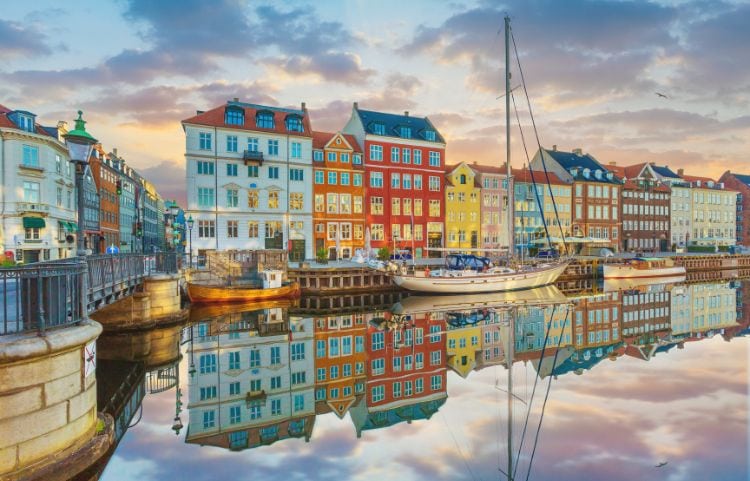
Copenhagen is another amazing city for remote American workers, featuring a high broadband speed and many available workspaces, with 20 in the city center. There are also public libraries and numerous cafes, which make for other great work zones. It also has a relatively low cost of living and a great public transport system, which is ideal for digital nomads and expats.
Copenhagen is known for its safety and security with countless year-round exciting activities. Another bonus is that 86% of citizens are fluent in English. The average monthly cost of living in Copenhagen is approximately $2,600, which is half the average American salary.
3. Dublin, Ireland
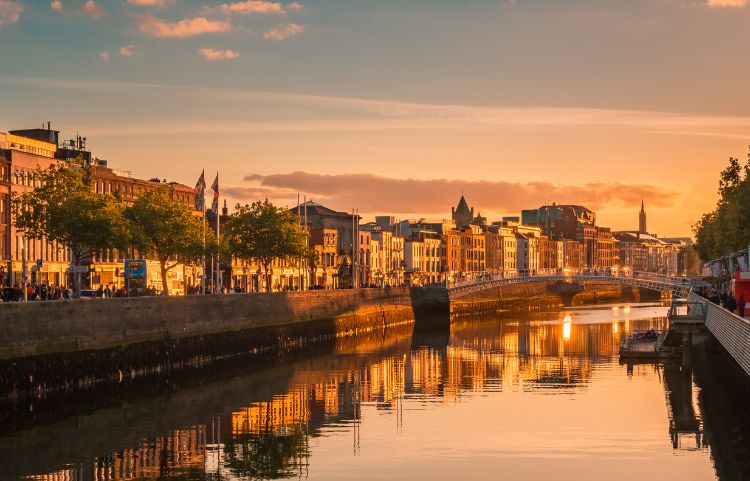
Dublin, Ireland, is the third on the list and is very suitable for longer-term stays. It has a fabulous expat and remote working community with relatively easy dual citizenship access and lower taxes. For workspaces, there are plenty of great options.
There is a building called The Tara Building, which is a creative hub that’s in the heart of the city. This coworking space offers great networking opportunities, plenty of good places to work, and a like-minded, thriving professional community.
There are also many cafes that provide a wonderful work ambiance. One, known as the Kaph is known for its minimalist design and is a favorite among many working professionals. The second most popular cafe is called Vice Coffee Inc., located in the heart of Dublin’s creative corner. This features a cozy workspace and a nice ambiance. Of course, both places have great coffee, too.
Endless Coworking Spaces

Dublin, Ireland, is also home to beautiful parks and libraries. Many of the parks offer free wifi and some with outlets, which is amazing if you like working outside amongst nature. A popular park for remote workers is called St. Stephen’s Green, which has great seating and a wide open space with great wifi. You can’t go wrong with The National Library of Ireland, which is a tranquil and historic setting featuring many quiet spaces.
Remote workers also enjoy working in hotel lounges and rooftop bars, which have a lot of the features of the workspaces above, some livelier, some quieter, depending on the vibe you’re looking for.
There are also plenty of opportunities for digital nomads and remote workers to link up. There is a website called Meetup.com, which is great for connecting with similar professionals and working in a group space.
Beyond the ample workspaces, Dublin is an amazing city with plenty to do. There are excellent choices for both public and private healthcare at various price ranges. The cons to living in the United Kingdom is the lack of EU status, which some wouldn’t prefer if living in Europe.
For stays beyond 90 days, it is important to get a suitable visa or permit. There are several options, including the Critical Skills Employment Permit, specifically for highly skilled workers with a specific salary.
There is also a General Employment Permit, which is for occupations that fall outside of the Critical Skills Occupations List. Lastly, there is the Intra-Company Transfer Permit, which is for employees transferring to the Irish branch of an international company.
4. Reykjavik, Iceland
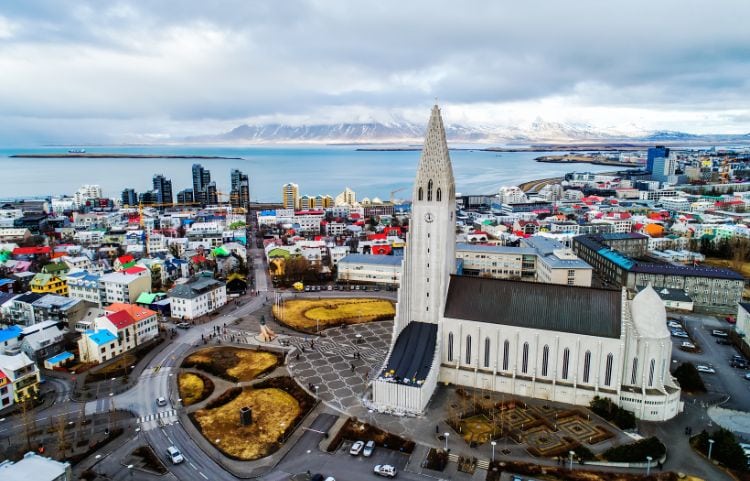
Reykjavik, Iceland, is not only known for having an incredibly fascinating landscape and beautiful sites, but it is also one of the most livable cities in the world for digital nomads and expats. It is one of the smallest cities in Europe, but it has some of the best selections of coworking spaces and general facilities.
Iceland overall is considered to be a very expensive country, but there are several ways to keep your cost of living down. Finding inexpensive restaurants, monthly AirBnbs and hostels, along with using the free workspaces, are some of the options.
Best Places to Work in Reykjavik, Iceland:
As a U.S. citizen, you can stay in Iceland for up to 90 days without a visa as part of the Schengen Zone agreement. For remote work stays longer than 90 days, you’ll need to apply for a long-term visa or residence permit before traveling. Note that the European Travel Information and Authorization System (ETIAS) is expected to launch in 2025, which will require U.S. travelers to obtain authorization (for a small fee) before visiting any Schengen country, even for short stays.
The cost of living in Reykjavik is expensive, with monthly costs (excluding rent) averaging around $1,500 to $2,000. Rent for a one-bedroom apartment ranges from $1,800 to $2,200 per month. If you’re willing to share accommodation, you can reduce costs significantly. Total monthly budget for a single person living alone is approximately $3,300 to $4,200.
5. Zagreb, Croatia
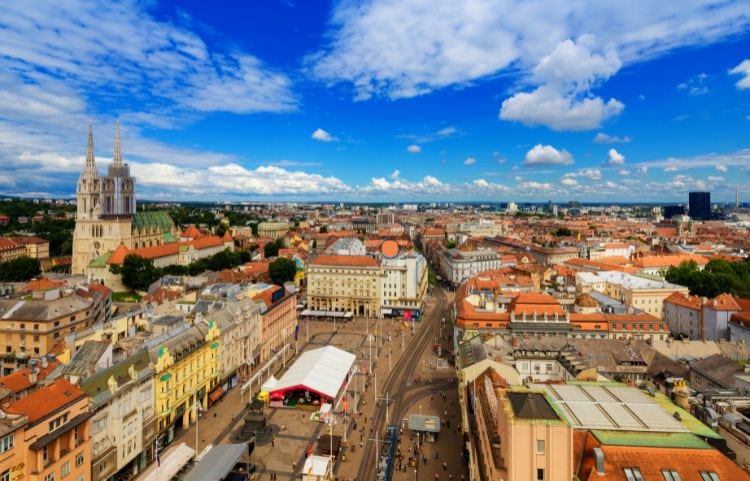
Zagreb is another top contender for best cities for digital nomads. Affordability and access are the main reasons why Zagreb makes for an excellent international remote working community. Beyond that, the city is gorgeous with ample leisure options, including parks, museums, and a nice nightlife. This Mediterranean paradise is hard to beat.
Croatia offers a digital nomad visa that allows freelancers and remote workers to apply for residency for up to 18 months. To qualify, you need to be a citizen of a non-EU/EEA country with a monthly income of at least €3,295 (approximately $3,500), and you must be self-employed or working for a company outside of Croatia. The visa cannot be renewed, but you can apply again after a six-month waiting period.
6. Tirana, Albania

Albania is often considered an underrated country that doesn’t cross many people’s minds. However, this country has some of the most wonderful natural wonders and a beautiful culture. Although not in the EU, the cost of living is relatively low compared to other European cities.
Like other European cities discussed in this article, there are plenty of coworking spaces, cafes, and hostels.
Best Places to Work in Tirana, Albania:
In terms of places to stay, there are good hostel choices including shared rooms and private rooms. You can live in Albania for up to 90 days if you live within Europe and 30 days if you are coming from elsewhere. For visas, it is required to have a work visa if you are seeking work in the country. You would have to obtain this before arriving.
7. Riga, Latvia
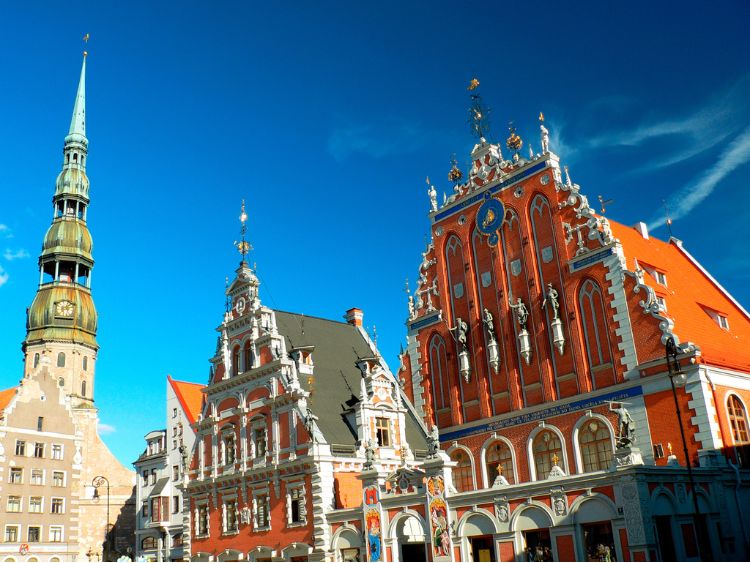
Located in the Baltics, Latvia is another underrated country that is great for digital nomads and expats. It is relatively affordable, with the cost of living being approximately $900 a month, excluding rent. Rent in Riga for a studio or one-bedroom apartment is about $600 to $700 in the city center or $450 to $550 in other areas.
Riga is rich in history and culture, with cobblestone streets and beautiful architecture. It has amazing bars, cafes, and restaurants along with fantastic nightlife. There are many great coworking spaces scattered across the city cente,r along with cafes and restaurants that offer free wifi. A SIM card, on average, costs about 20 euros a month for fast, unlimited internet. It would cost another 10 euros for a mobile data plan.
Latvia is safe whether you’re traveling with friends and family or if you are alone, but it’s important to always be wary of pickpockets. Latvia conveniently introduced a visa called the digital nomad visa. This allows any international digital nomads to live and work in Latvia for up to a year, which can be renewed for more. Find more information here.
8. Madrid, Spain
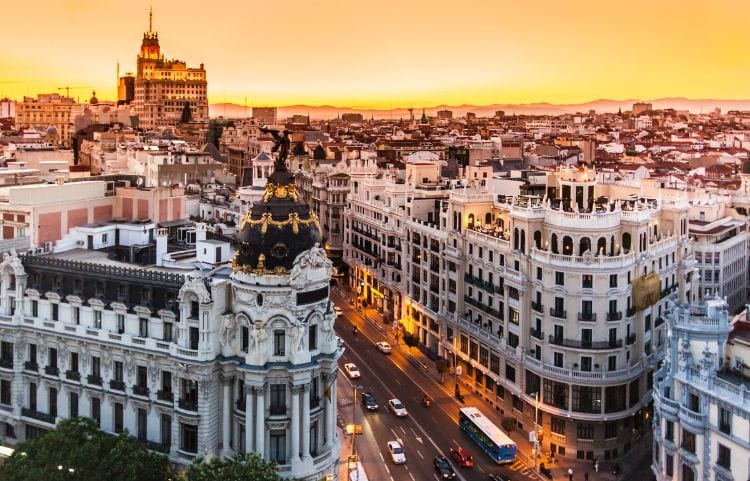
Spain is another amazing country that welcomes digital nomads with open arms. Spain offers a digital nomad visa that is valid for up to one year if applied for from outside Spain, or up to three years if applied for from within Spain. The visa can be renewed in two-year increments for a total of five years. Both accept renewals if you wish to stay longer.
The European capital city of Madrid is the largest city in Spain, hosting a vibrant, lively culture, great workspaces, and a relatively low cost of living.
Rent for a room in Madrid costs anywhere between $500 and $700 per month for shared accommodation. For a one-bedroom apartment in the city center, expect to pay between $1,200 and $1,600, with apartments outside the center ranging from $900 to $1,200. With living expenses (excluding rent) averaging around $800 per month, you can expect a total monthly budget of $1,700 to $2,400.
As of 2025, applicants must demonstrate a minimum monthly income of €2,763 (approximately $2,950), increasing to €3,797 for couples with family members.
9. Stockholm, Sweden
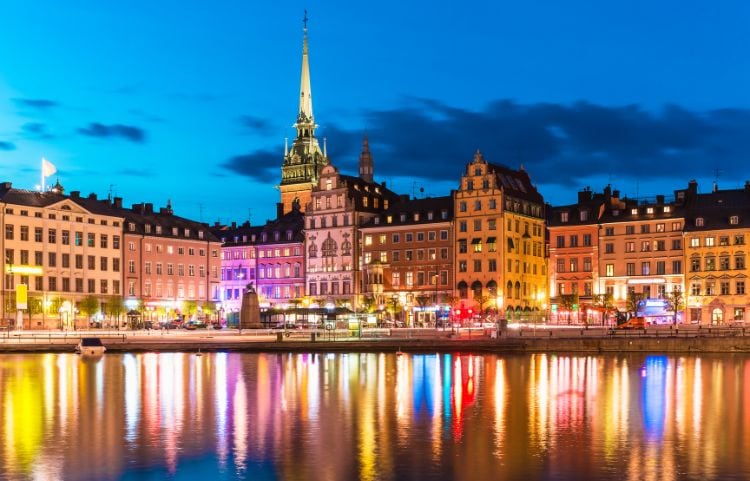
Stockholm, Sweden, is a great place for digital nomads because it is one of the world’s most innovative and inventive capital cities. Outside of Silicon Valley, Stockholm has more start-ups valued at at least a billion dollars than anywhere else. With its thriving economy, Stockholm is very attractive to digital nomads and remote workers.
According to The World Happiness Report for 2025, Sweden is considered the 4th happiest country in the world, another huge incentive for starting a life there. Wi-Fi and overall internet connection are extremely fast (3rd fastest in the world) and free nearly everywhere. Stockholm is also considered to be a digital nomad-savvy country, with hotels, cafes, and plenty of workspaces suiting anyone’s needs. It also helps that Stockholm is a very modern city that embraces technology of all kinds.
The culture in Sweden is generally very tolerant and safe, with minimal corruption. The public transport is fast, efficient, and punctual. Additionally, the exceptional air quality and a very healthy population with access to top-notch healthcare contribute to the overall well-being of the region.
10. Budapest, Hungary
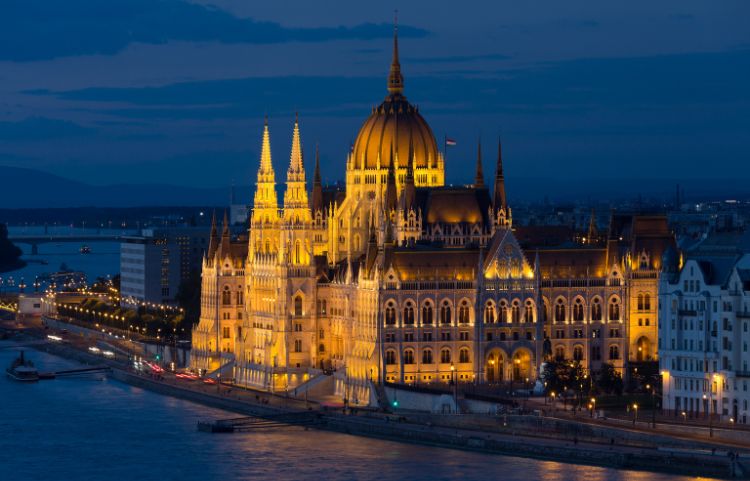
Budapest is another ideal place for digital nomads and remote workers because of the high quality of life, low cost of living, and access to endless activities. There are plenty of hotels dedicated to remote workers so you can see for yourself what it’s like before committing to a more permanent relocation.
If Budapest does steal your heart, there are plenty of options for longer-term accommodations, such as apartment or room rentals. Rent for a one-bedroom apartment outside the city center typically costs between $550 and $750, with city center apartments ranging from $650 to $900.
There are a variety of coworking spaces in Budapest, each with different perks that cater to different careers. Some charge fees depending on the services offered, and others are open 24/7. Most of these spaces are consolidated in the city center and there is great public transport to get you there.
Other Top Contenders
11. Bern, Switzerland
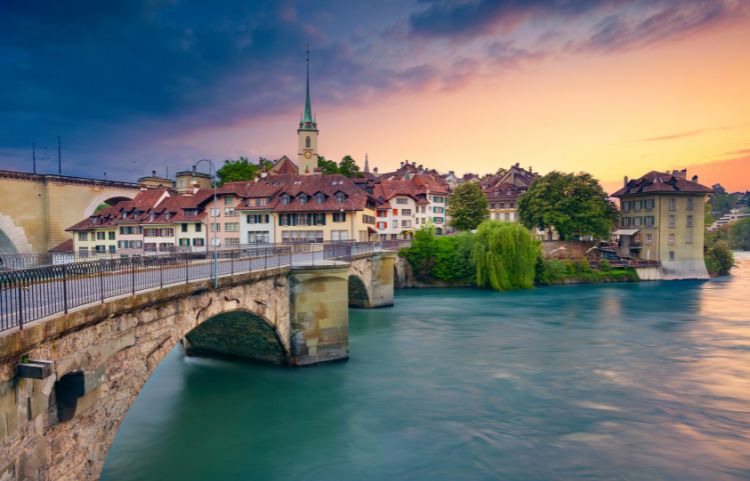
Bern is the capital city of Switzerland and is a UNESCO World Heritage Site with stunning scenery and amazing historic architecture. Although not known for its affordability, this destination has plenty of great coworking spaces and is great for longer stays.
12. Warsaw, Poland
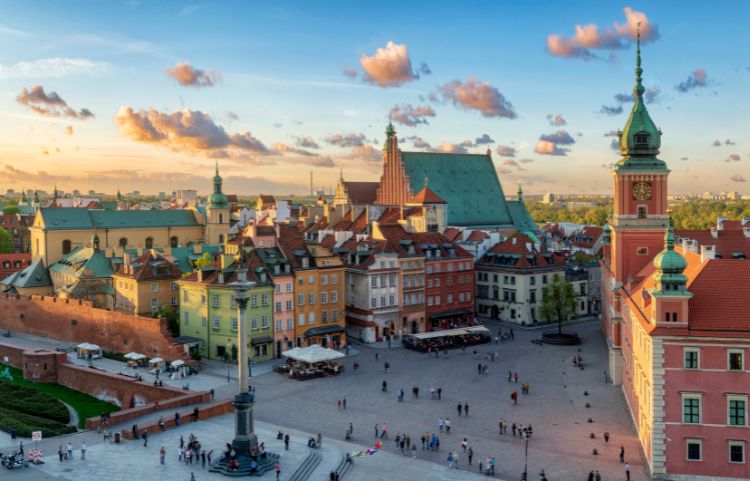
Poland definitely has a dark history and is still recovering from its Soviet past, but modernization has become rapid and it is very diverse. Pair that with the low cost of living and you have yourself a great home for digital nomads. There is also great internet and public transport.
13. Vienna, Austria
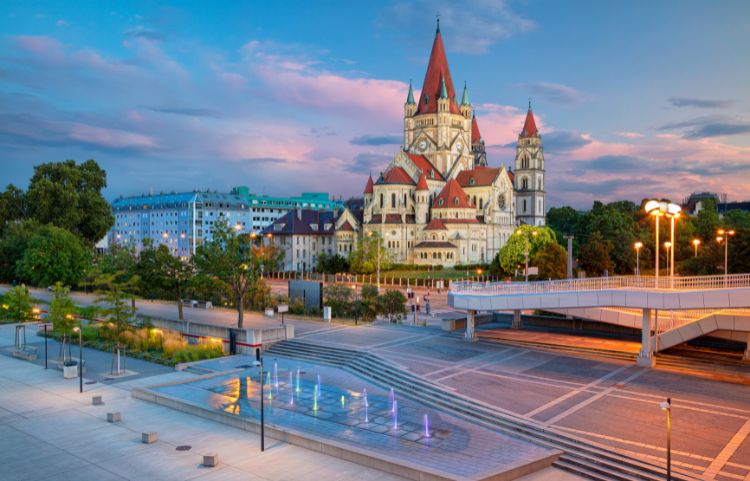
Vienna is a gorgeous city often considered Europe’s cultural capital. It has amazing infrastructure, it is clean and safe, and it has great public services. There are plenty of opportunities for digital nomads and it is relatively affordable.
14. Lisbon, Portugal
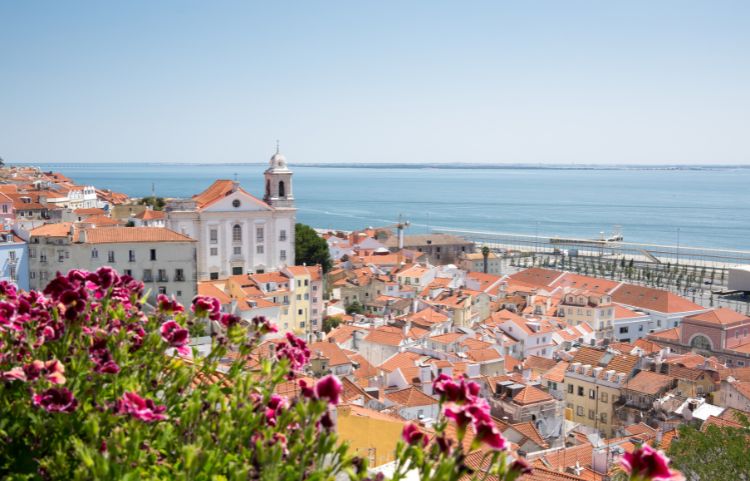
16,000 digital nomads already live in Lisbon and more are on the way. Rent is reasonable and the internet is fast and affordable. It is considered one of the best cities in the world to live and work right now. The people are inclusive and friendly, and nightlife and celebration are rampant.
European Capital Cities that Are Not as Suitable for Remote American Workers
Paris, France
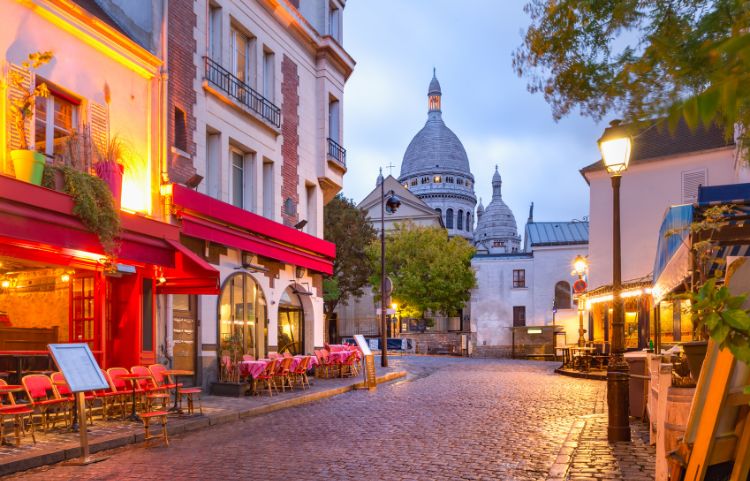
Paris has an extremely low affordability score and doesn’t really offer any incentives or visas specific to remote workers. Also, many French people aren’t interested in speaking anything other than French.
London, England
Similar to Paris, London has a steep cost of living. Food and rent are expensive, and the public transport is not excellent. London has also grown unsafe over the years, with gang violence and stabbings. The government is also inefficient with slow bureaucratic processes, so it’s not easy to move there. Also, it’s a huge con now that it’s no longer part of the EU.
Rome, Italy
Rome is also a very expensive city and doesn’t offer many features appealing to digital nomads. Rent is off the charts and apartments are hard to come by. There are not many coworking spaces or cafes with wifi.
Amsterdam, the Netherlands
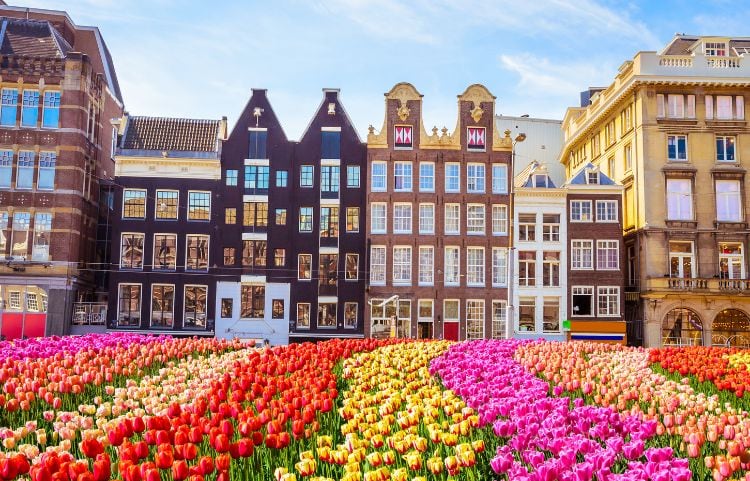
The prevailing theme among these cities, which are not recommended for digital nomads, is their exorbitant living expenses. Amsterdam is no different. There are quite a lot of coworking spaces so there definitely are great options for digital nomads. It just may not be worth the cost for some.
Monaco
With a staggering average monthly cost of living hovering at $7,000, Monaco is impractical for most people, even beyond digital nomads. There are limited accommodation choices and difficult visa processes. There are also not many coworking spaces with limited networking opportunities.
Perhaps one day these cities will invest in developing more attractive incentives for remote workers and expats, but for now, they are wonderful vacation destinations. There are many viable choices for digital nomads to settle more permanently and enjoy an exciting new life that melds perfectly with their work life.
Visit https://digitalnomads.world/ for more information.
Need a hand planning your trip? Here are the sites and services we rely on most, from booking tools to travel products we love.
Inspire your next adventure with our articles below:
Want to discover more hidden gems and helpful travel tips? Join our free newsletter for the latest travel secrets and travel articles.
We are reader-supported and may earn a commission on purchases made through links in this article.

- Ghosts, Wild West History and Cowboy Culture in Cheyenne, Wyoming - October 8, 2026
- Staying Overnight at the Haunted Lizzie Borden House in Fall River, MA - September 28, 2026
- Skip Oktoberfest: Stuttgart’s Cannstatter Volksfest Is Smaller, Cheaper and Way Less Crowded - September 19, 2026
Planning another trip soon? ✈️
Add GoWorldTravel.com as a preferred source on Google. Click the button below so our local guides, packing hacks, and hidden-gem itineraries always show up first when you search!
Add to Preferred Sources