

After stumbling off the train at Rijeka station and getting our bearings, we left the building, ploughing straight into a storm. From the warmth of the train, the weather had looked grey and drizzly—almost romantic—through the windows.
But what we hadn’t realised was that there were strong winds accompanying it, and the rain was actually coming down quite heavily. We put our hoods up and headed towards the last-minute accommodation we’d booked, an apartment that cost us just €46 a night.
A Serendipitous Arrival

We’d arrived in the city almost by accident, as we romped through Europe by train and bus using a Eurail pass.
We had an idea that we wouldn’t plan our trip at all. Usually, we plan our trips out fully. As a couple that travels full-time, we find researching in advance part of the fun. But this time, my husband had other ideas.
“Let’s just decide on each train, where we’re going to stop and stay that night,” he said. I thought it sounded slightly mad, but also quite charming. So of course, I agreed instantly.
And so we arrived in Rijeka. Weary from train travel, and slightly bemused, because, well, neither of us had ever heard of Rijeka.
We’d both been to Croatia before, and heard people waxing lyrical about this place or that place, but Rijeka had never been on our radar.
Read More: Why I Chose to Travel Europe by Bus
The Curious Case of Croatia’s Forgotten Port

Despite being Croatia’s third-largest city and boasting one of its most important ports, Rijeka has long existed in the shadow of the country’s more famous coastal destinations.
Whilst places like Dubrovnik and Split boast postcard-perfect old towns and Game of Thrones fame, Rijeka’s charm is more understated. It feels industrial, authentic, and refreshingly untouristy.
For years, that authenticity simply didn’t fit the narrative of Croatia’s glossy Adriatic image. Historically, Rijeka’s identity has been complex.
Its location on the northern coast, near Italy and Slovenia, meant it changed hands many times over the years. It was part of the Austro-Hungarian, Italian, and Yugoslav empires before Croatia became independent.
That rich but turbulent past has shaped a city that’s somewhat hard to define. It feels neither entirely Mediterranean nor fully European, and for a long time, that made it difficult to market as a straightforward Croatian beach destination.
Rijeka’s role as a working port also played a part. Where other coastal towns turned toward tourism early on, Rijeka remained focused on shipbuilding and trade.
The result was a city that bustled with local life but lacked the infrastructure and promotion to attract international visitors. It was also missing a certain je ne sais quoi, that “prettiness” that usual beach locations have honed.
Even today, many travellers pass through Rijeka en route to nearby islands or resorts, unaware of what they’re missing. Yet that’s changing.
The city was named the European Capital of Culture in 2020, which brought new energy, transforming industrial spaces into galleries and cultural hubs. Street art, live music, and café culture are thriving, and Rijeka is beginning to be recognised for what it is: a real, lived-in city with stories to tell.
Read More: Sun & Sand: A Guide to the 13 Best Beaches in Croatia
Rijeka’s Must-See Sights
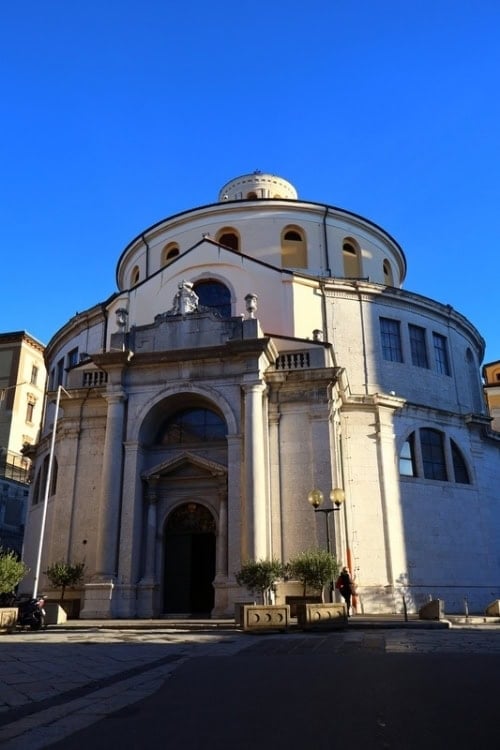
Rijeka might not be huge, but it’s packed with character and easy to explore on foot. Most of the city’s highlights sit close to the main pedestrian street, Korzo, where locals and visitors gather for coffee and people-watching.
From there, it’s a steep but rewarding climb to Trsat Castle, which offers panoramic views over the city and the sparkling Adriatic below. Don’t miss the Central Market or Gradska Trznica, a lively cluster of stalls selling fresh produce, seafood, and local delicacies.
If you have time, hop on a local bus or short ferry to nearby Opatija, a refined seaside town just 20 minutes away, or head to small but beautiful Sablićevo Beach for a quick dip in the clear water.

Rijeka also makes a great base for day trips to the islands of Krk and Cres, or the Brijuni Islands.
Getting around is affordable and straightforward. A local bus ticket costs around €1.50, while a coffee is about the same.
Budget travellers can easily find meals for under €10 and good-value accommodation compared to Croatia’s southern coast. We rented a centrally located studio boasting a balcony with sea views for just €46 a night.
Where to Eat, Drink and Slow Down

Start your Rijeka day slowly at Marsecchia Coffee Shop, a must-visit for coffee lovers. Tucked away on Šime Ljubića 4a, it was recently named Croatia’s best specialty café, known for expertly roasted beans, filter brews, and a calm, minimalist vibe.
For lunch, stroll down to Bistro Grad on Riva Boduli, a modern bistro by the waterfront serving fresh Adriatic seafood, handmade pasta, and bright seasonal dishes. Try the shrimp risotto or a platter of local fish while watching boats drift in and out of the harbour.
After lunch, wander along the seafront promenade, Riva Boduli, where cafés and benches face the sea, ideal for people-watching and soaking up the Adriatic breeze.
Then head to Rijeka’s main pedestrian street lined with boutiques, terraces, and historic façades. Sit with a gelato or another coffee and watch locals pass by in their easy stride.
As evening settles, make your way to Maslina na Zelenom Trgu for dinner. Set in the beautiful Kobler Square, it’s renowned for traditional Croatian dishes and grilled meats, with a warm, traditional interior that invites you to linger long into the night.
Walking back from dinner, the city feels different under the glow of its streetlights. The industrial edges soften, music drifts from hidden bars, and Rijeka’s raw beauty comes into focus.
It’s in these quiet evening moments that the city’s true spirit reveals itself. Rijeka may not be as polished as Croatia’s more famous coastal cities, but that’s exactly its charm.
With its layered history, creative energy, and gritty soul, it invites you to look closer. Perhaps its years of being overlooked have been a blessing. It’s what keeps Rijeka authentic, unpolished, and endlessly surprising.
If You Go

- Getting there: Rijeka is well-connected by bus and train from Ljubljana and Zagreb, and by ferry to nearby islands. The airport on Krk Island is just 30 minutes away.
- Getting around: The city centre is walkable, use local buses or rent an e-scooter for places further afield.
- When to visit: Late spring to early autumn, from May to September, offers the best weather.
- Money: Croatia uses the euro (€) and most places accept cards, but keep some cash for small cafés and markets in Rijeka.
- Food and drink: Try Kvarner scampi, local wines like Žlahtina, and the region’s olive oils.
Useful Websites
- visitrijeka.hr – official city tourism site
- croatia.hr – national travel info and events
- getbybus.com – intercity bus tickets and timetables
- https://www.interrail.eu/en and https://www.eurail.com/en – interrail/Eurail websites for Europe-wide train travel
Read More: How to Use Eurail to Travel Across Europe: A Eurail Guide
Need a hand planning your trip? Here are the sites and services we rely on most, from booking tools to travel products we love.
Inspire your next adventure with our articles below:
- Saying Yes to Last-Minute Travel
- Skip the Crowds: 10 European Destinations That Are Actually Better in Fall
Author Bio: Jessica Holmes is a writer and digital nomad who swapped her career as a police investigator for a life of sustainable travel through housesitting. After years of backpacking and van life, she sought a greener way to explore the world. Her book about her journey so far; The Housesitter’s Guide to the Galaxy, is available on Amazon and Barnes & Noble. Her blog www.hitchedandhiking.com documents her travels. Follow her on Instagram @hitchedhikingandhousesitting.
Want to discover more hidden gems and helpful travel tips? Join our free newsletter for the latest travel secrets and travel articles.
We are reader-supported and may earn a commission on purchases made through links in this article.

- Izola, Slovenia: Slow Days and Seaside Strolls on the Adriatic - April 16, 2026
- Fukuoka, Japan: The Coastal City Where Tonkotsu Ramen Was Born and Slow Travel Thrives - March 24, 2026
- Green Travel in Europe: The Joy of Traveling by Train - March 23, 2026
Planning another trip soon? ✈️
Add GoWorldTravel.com as a preferred source on Google. Click the button below so our local guides, packing hacks, and hidden-gem itineraries always show up first when you search!
Add to Preferred Sources