

A safari is not one thing.
It can be a dawn game drive in Kenya, with lions stretched out in the grass and dust hanging behind the vehicle. It can be a slow boat ride through Botswana’s Okavango Delta. It can be a sweaty hike through forest in Uganda or Rwanda, followed by one quiet hour with gorillas who seem far less impressed by you than you are by them.
So the real question is not “Where is the best place to go on safari?” That is too broad to be useful.
The better question is: What kind of safari do you actually want?
Some places are better for first-timers. Some are better for travelers who want fewer people and are willing to pay for it. Some are about big cats. Some are about landscapes. Some barely look like the safari you probably pictured in your head, which is exactly why they are worth considering.
Here are 12 of the best safari destinations in the world, and what each one does best.
1. Kenya: Best for the Classic First Safari
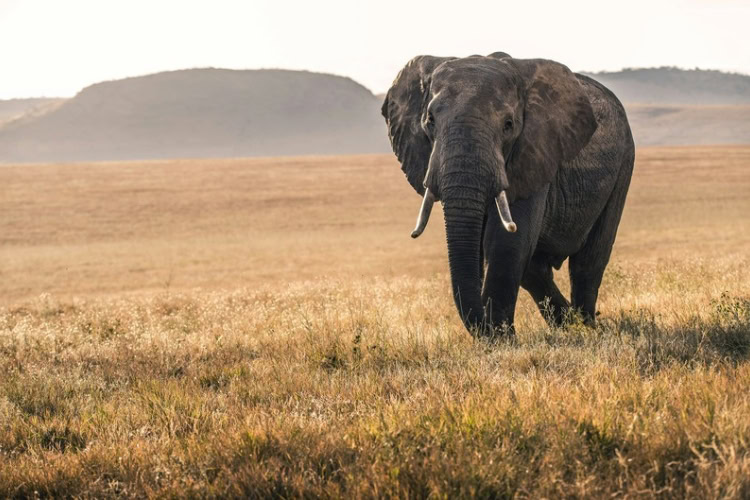
Kenya is probably the safari you imagined before you knew much about safaris.
The Masai Mara has the open grasslands, the big cats, the acacia trees and, at the right time of year, the Great Migration moving through the region. It is dramatic. It is photogenic. It is also well set up for travelers who are doing this for the first time and do not want to feel completely lost in the planning process.
That is one of Kenya’s biggest advantages. The safari infrastructure is strong. There are luxury camps, more affordable options and even ways to approach a Kenya safari more independently, if you are comfortable doing the research.
The catch? Kenya is popular because it delivers. During peak migration season, parts of the Mara can get crowded, especially when there is a major sighting or a river crossing. That does not ruin the experience, but it does mean you should be thoughtful about where you stay and who you book with.
Kenya is best for first-timers who want the iconic East Africa safari and do not want to gamble too much on the logistics.
Read More: How to Plan Your Dream African Safari
2. Tanzania: Best for Huge Landscapes and a Wilder East Africa Feel
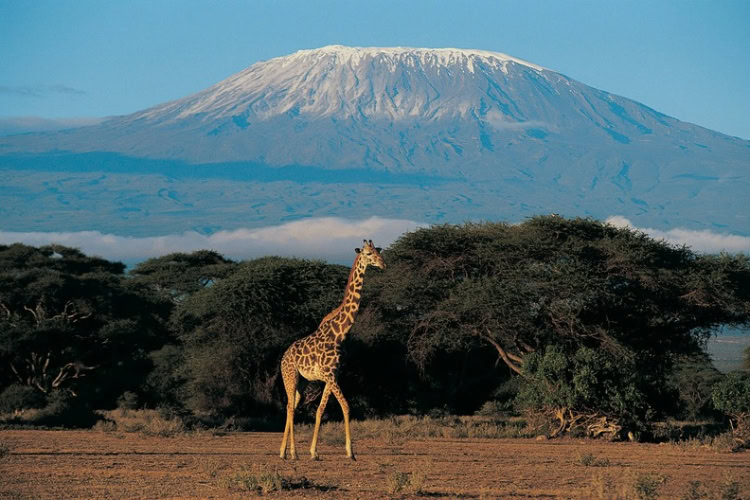
Tanzania is often grouped with Kenya, and that makes sense. The Serengeti and the Masai Mara are part of the same larger ecosystem. But the experience is not identical.
Tanzania feels bigger. The Serengeti has a scale that can make you feel tiny in the best way. Ngorongoro Crater is different again, with wildlife concentrated inside a collapsed volcanic caldera. It is one of those places that sounds almost too neat on paper, then somehow still works in real life.
Tanzania also gives travelers room to move beyond the most famous parks. Ruaha and Nyerere can feel quieter and more remote than the northern circuit, with fewer vehicles and a stronger sense that you are farther from the usual route.
The trade-off is time. Tanzania can involve long drives or internal flights, and a rushed itinerary can start to feel like a blur. It is better when you give it space.
Tanzania is best for travelers who want East Africa, but with more scale, more wilderness and a little less of the tightly managed first-safari feeling.
Read More: Kenya & Tanzania Two-Week Safari
3. South Africa: Best for Families and Nervous Planners
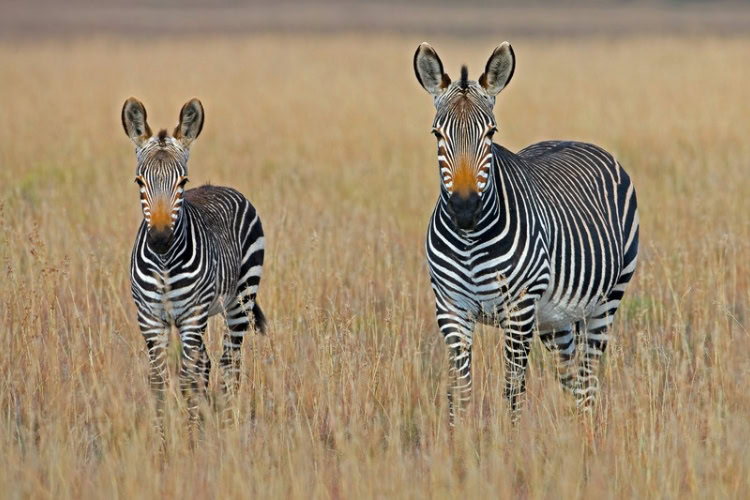
South Africa is one of the easiest safari destinations to recommend because it makes the whole thing feel less intimidating.
Kruger National Park is huge and famous for a reason. The private reserves around it offer strong Big Five sightings, good guiding and the kind of lodge experience that can make a first safari feel smooth instead of stressful.
South Africa also works well when safari is only part of the trip. You can add Cape Town, the Garden Route, wine country or the coast without turning the whole vacation into a complicated expedition. This is good for families or travelers who do not want every day to revolve around wildlife drives.
Another big point: South Africa has malaria-free safari areas, including Madikwe and several Eastern Cape reserves. That can be a deciding factor for families with young kids or travelers who are uneasy about medication.
The downside is that some reserves can feel more controlled than wild, especially smaller fenced areas. For some people, that is a relief. For others, it might feel too tidy.
South Africa is best for first-timers, families and travelers who want a safari that feels manageable.
Read More: Why This Under-the-Radar South African Safari Belongs on Your Bucket List
4. Botswana: Best for Fewer People and a Bigger Budget
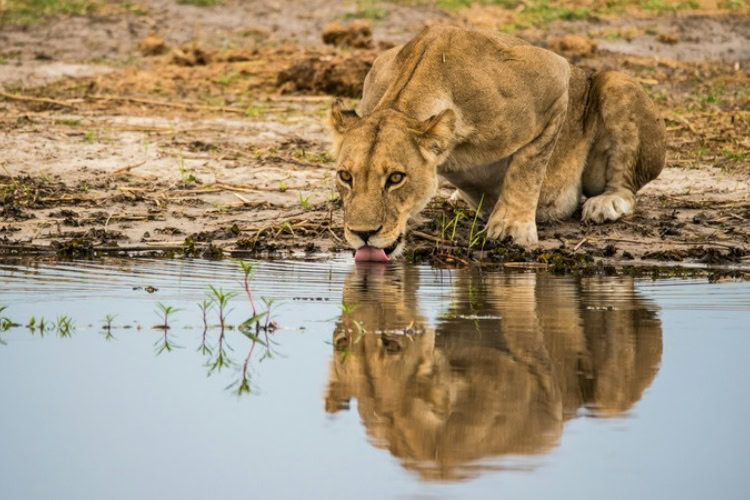
Botswana is not the cheap safari choice. That needs to be said plainly.
Its safari model is usually low-volume and high-cost, which means fewer camps, fewer vehicles and fewer people in many of its top wildlife areas. It also means the price can be painful.
For travelers who can afford it, Botswana can be extraordinary. The Okavango Delta is the main reason. This is not just a place for game drives. You might move through channels in a mokoro, watch elephants cross the water or sit quietly while the whole landscape seems to breathe around you.
Chobe is another major draw, especially for elephants, and it pairs well with Victoria Falls.
Botswana makes the most sense for travelers who already know they love safari, or for people who want the trip to feel private, remote and carefully done. It is not where I would send someone looking for the best value. It is where I would send someone who wants space.
Botswana is best for experienced safari-goers, honeymooners and travelers who would rather pay more than fight crowds.
5. Zambia: Best for Walking Safaris
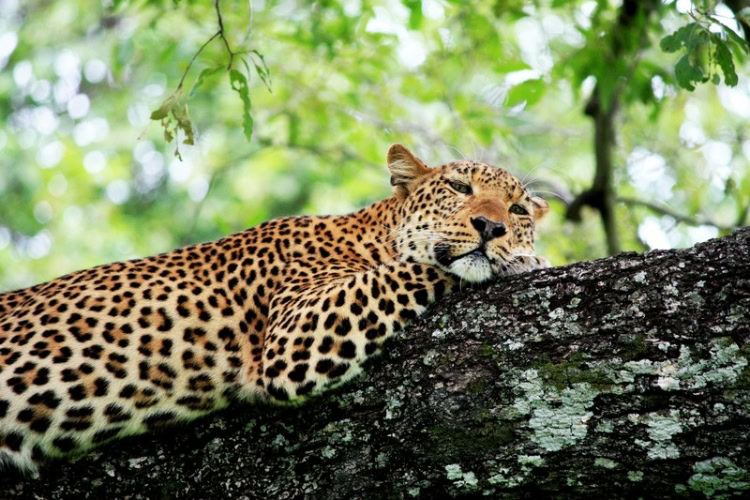
Zambia is where safari gets quieter, slower and, honestly, a little more nerve-racking.
It is one of the best places in Africa for walking safaris, especially in South Luangwa. And walking changes the whole mood. From a vehicle, you are looking for animals. On foot, you start noticing tracks, sounds, wind direction, dung, birds and all the small signals that usually pass beneath you.
It is less cinematic in the obvious way. Then it gets under your skin.
Zambia also works well with Victoria Falls, and the Lower Zambezi adds another kind of safari experience with river and canoe options. This is not always the easiest destination for a first safari, but it might be the one that feels most alive once you are there.
Zambia is best for adventurous travelers and repeat safari-goers who want to feel more physically present in the bush.
Read more: 5 Amazing Things To Do In Zambia
6. Rwanda: Best for a Short, High-End Gorilla Trekking Trip
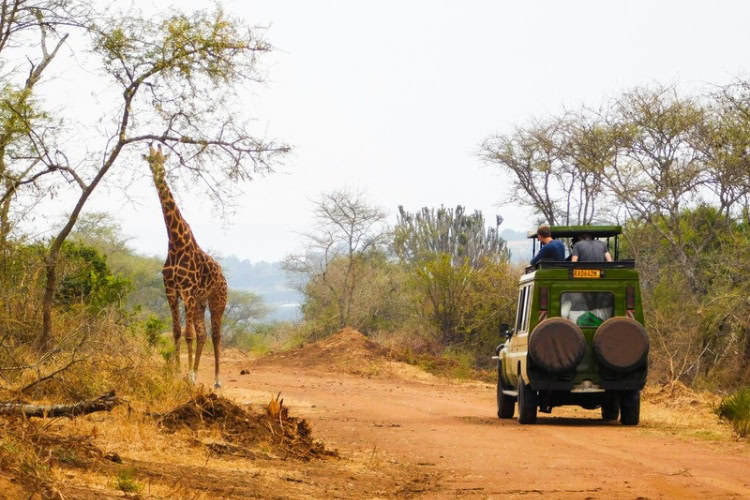
Rwanda is a good choice when gorilla trekking is the main event and you do not have endless time.
Volcanoes National Park is relatively easy to reach from Kigali, which makes the trip feel more streamlined than it might in Uganda. You can arrive, trek and build the rest of the itinerary without losing days to long road transfers.
But this is not a traditional safari. There are no wide plains. No long game drives. No scanning the horizon for lions.
Instead, you hike through forest. You wait. You sweat. Then, if the day goes well, you spend one hour near mountain gorillas. It is intimate in a way that a vehicle safari usually is not. There is something almost uncomfortable about being that close to animals who seem so aware of you.
Rwanda is expensive, especially when you factor in gorilla permits and high-end lodges. It may feel too polished for travelers who want a rougher trip. But for a short, focused, once-in-a-lifetime primate experience, it makes a strong case.
Rwanda is best for luxury travelers, time-limited travelers and anyone who wants gorilla trekking without building a long overland journey around it.
Read More: Kagera Safaris: Gorilla Trekking in Uganda & Rwanda
7. Uganda: Best for Primates and a Fuller Journey
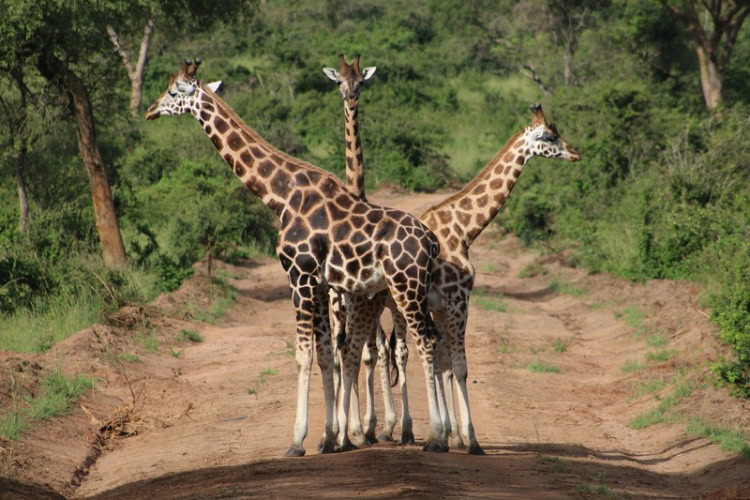
Uganda is the better fit if you want gorillas, but you also want the trip to feel broader.
Bwindi Impenetrable National Park and Mgahinga Gorilla National Park are the major gorilla trekking destinations. But Uganda also has chimpanzee trekking, boat safaris and traditional wildlife parks. It gives you more layers than a quick gorilla-focused trip.
The downside is movement. Uganda often involves more driving and more time on the road than Rwanda. For some travelers, that is a dealbreaker. For others, it is part of why the trip feels more real.
The choice between Rwanda and Uganda is not simple. Rwanda is smoother. Uganda is more varied. Rwanda is easier if you are short on time. Uganda may be more rewarding if you want to see more of the country along the way.
Uganda is best for travelers who want gorillas, chimpanzees and a safari that feels like a journey rather than a quick add-on.
Read More: Mountain Gorillas in the Wild: A 13-Day Trek Through Uganda, Rwanda, and Burundi
8. Namibia: Best for Desert Landscapes and Self-Drive Travelers
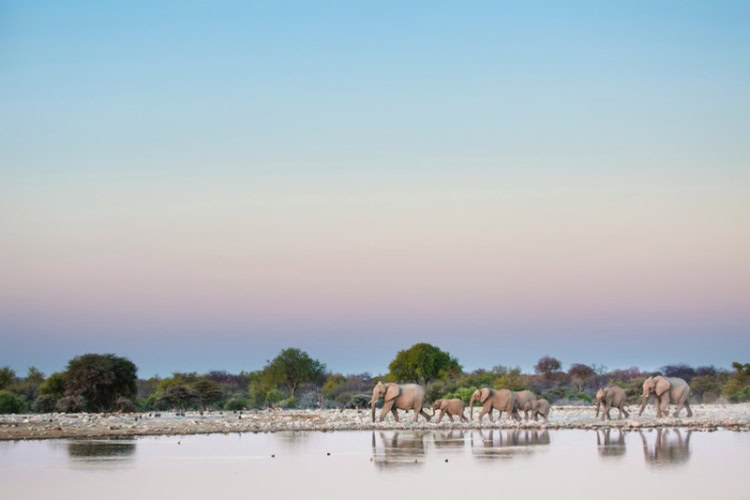
Namibia does not look like most people’s idea of safari. That is the point.
Etosha National Park offers strong wildlife viewing, especially around waterholes. But Namibia’s real pull is the landscape: salt pans, red dunes, desert-adapted animals, long empty roads and a kind of silence that feels almost architectural.
It is also one of the better safari destinations for travelers who want to self-drive. That independence changes the feel of the trip. You are not simply being moved between lodges. You are crossing the country on your own terms, which can be both freeing and a little intimidating.
Namibia is not a place to wing it. Distances are long. The heat is serious. Road conditions matter. Fuel stops matter. A casual approach can turn annoying fast.
Namibia is best for photographers, desert lovers and confident travelers who want a safari with a completely different visual language.
9. Zimbabwe: Best for Victoria Falls Plus an Underrated Safari
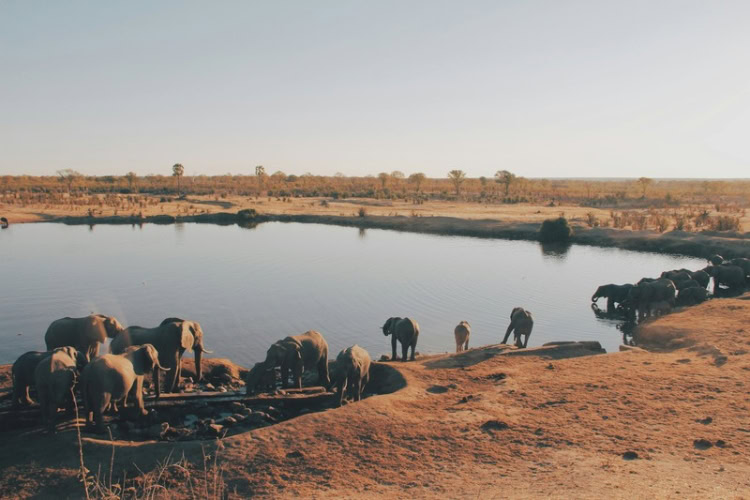
Zimbabwe does not always get the attention it deserves from safari planners.
Victoria Falls gives travelers an obvious reason to go, but the country’s wildlife areas are more than an add-on. Hwange National Park is known for elephants and strong dry-season viewing. Mana Pools has a wilder reputation, with walking and canoe safaris that appeal to travelers who want something less predictable.
Zimbabwe can feel less packaged than some better-known safari circuits. That is part of the appeal. It can also mean travelers need to be more careful about operators and logistics.
This is not the place to book blindly because a package looks cheap. Go with a good company. Pay attention to current travel conditions. Do the homework.
Zimbabwe is best for travelers who want Victoria Falls and a serious safari without taking the most obvious route.
Read More: A Two-Night Victoria Falls Escape: Edwardian Grandeur, Gorge Views, and Zambezi Sunset Cruises
10. India: Best for Tiger Safaris
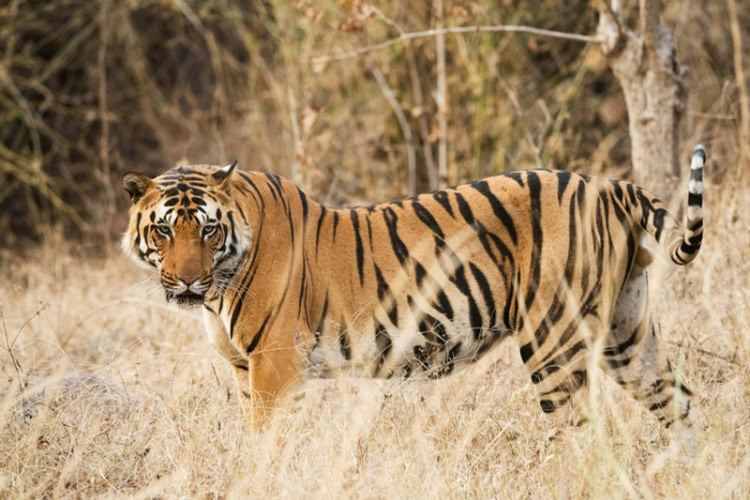
India is proof that safari does not have to mean Africa.
You are not watching herds move across open plains. You are looking into forest, grassland and shadow, hoping one animal appears. Sometimes it does. Sometimes it does not. That uncertainty is part of the experience, even when it is maddening.
Ranthambore is one of the best-known parks, with tigers moving through a landscape of lakes, ruins and old fort walls. Bandhavgarh, Kanha and Tadoba are also major names, depending on the route and season.
Tiger safaris can feel more regulated than African safaris. Vehicles usually follow set zones and routes, and sightings can draw attention quickly. It is not a free-for-all wilderness fantasy.
Still, when a tiger steps into view, none of that feels like the main thing anymore.
India is best for big cat lovers and travelers who are willing to build a wildlife trip around patience.
Read More: Where to See India’s Big Cats: Tigers, Lions, Leopards, Snow Leopards, and the Return of the Cheetah
11. Sri Lanka: Best for a Compact Leopard and Elephant Safari
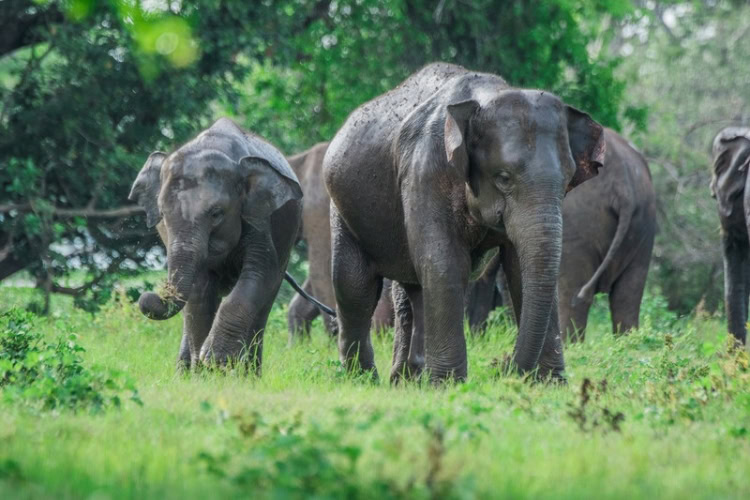
Sri Lanka works well for travelers who want wildlife without making the entire trip about safari.
Yala National Park is the best-known option, especially for leopards. Udawalawe is a strong choice for elephants. The advantage here is that safari can fit naturally into a larger island itinerary with beaches, tea country, temples and food.
It is a smaller, more compact kind of wildlife trip. That can be great. It can also mean expectations need to be adjusted. Yala, in particular, can get crowded, and leopard sightings may attract a cluster of vehicles.
So no, Sri Lanka is not the place to go if you want the deep wilderness feel of Botswana or Zambia. But if you want a wildlife experience folded into a varied trip, it makes a lot of sense.
Sri Lanka is best for travelers who want leopards, elephants and a safari experience that does not require a huge standalone expedition.
12. The Galápagos Islands, Ecuador: Best for a Safari Outside the Usual Frame

The Galápagos is not a safari in the traditional sense. There are no game drives, no lions, no savanna.
But it belongs on this list because it answers the same basic desire: close wildlife encounters in a place where animals shape the entire trip.
The difference is that the Galápagos does not usually feel like a chase. Wildlife is everywhere. Sea lions sleep on docks. Marine iguanas cover black lava. Giant tortoises, blue-footed boobies, penguins and frigatebirds become part of the daily rhythm.
The experience is tightly regulated, and visitors have to follow park rules. That structure can feel restrictive at times, but it is also why the wildlife remains so remarkable.
The Galápagos is not the right choice for travelers who want dust, predators and drama. It is the right choice for travelers who want to feel like they have stepped into another version of the planet.
The Galápagos is best for naturalists, families, photographers and travelers who want a wildlife-first trip outside the usual safari model.
Need a hand planning your trip? Here are the sites and services we rely on most, from booking tools to travel products we love.
Inspire your next adventure with our articles below:
- Wildlife Bucket List: 8 Encounters That Changed the Way We See the World
- Looking for Lemurs in All the Wrong Places: A Madagascar Cruise Adventure
Want to discover more hidden gems and helpful travel tips? Join our free newsletter for the latest travel secrets and travel articles.
We are reader-supported and may earn a commission on purchases made through links in this article.

Planning another trip soon? ✈️
Add GoWorldTravel.com as a preferred source on Google. Click the button below so our local guides, packing hacks, and hidden-gem itineraries always show up first when you search!
Add to Preferred Sources