
Towering peaks, rushing rivers, shimmering alpine lakes. This road trip through the American West delivers two of the continent’s most iconic landscapes in one unforgettable itinerary.
Traveling south from British Columbia into the United States, we set our sights on Yellowstone National Park in Wyoming and Rocky Mountain National Park in Colorado.
Each offers a distinctly different experience. One simmers, steams, and erupts with geothermal drama. The other rises skyward, defined by altitude, sweeping vistas, and crisp alpine air.
Together, they form a perfect pairing of natural wonder.
Yellowstone: Earth Alive Beneath Your Feet
Established in 1872, Yellowstone is the world’s first national park. Spanning roughly 2.2 million acres across three states, it is a place where the earth feels alive beneath your feet.
After two days on the road, we arrive at vast forested plateaus shaped by glaciers and geothermal forces. Beneath the surface lies one of the largest active volcanic systems on the planet, fueling more than 10,000 hydrothermal features, including geysers, hot springs and mud pots. It does not take long for Yellowstone to make an impression.
Wildlife Encounters That Stop Traffic
Just inside the West Entrance, traffic slows. Not for construction, but for wildlife. Two roly-poly bear cubs cross the road, their mother close behind. Cameras click as visitors scramble for photos, with some edging too close. It is a reminder that here, we are the visitors.
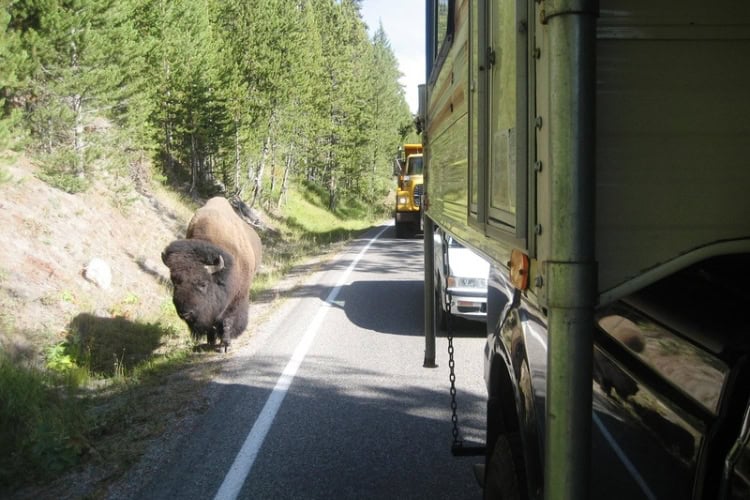
Yellowstone is home to more than 60 species of mammals, including bears, wolves, elk and bison. It is the bison that quickly becomes our most frequent companions.
At Norris Campground, golden grasslands stretch toward the horizon, carved by the Gibbon River. Hawks circle above. Waterfowl glide along the shoreline. In the distance, a massive bison grazes, unbothered by our presence. Once nearly extinct, these iconic animals now roam freely, a powerful conservation success story.
A Landscape Shaped by Fire and Ice
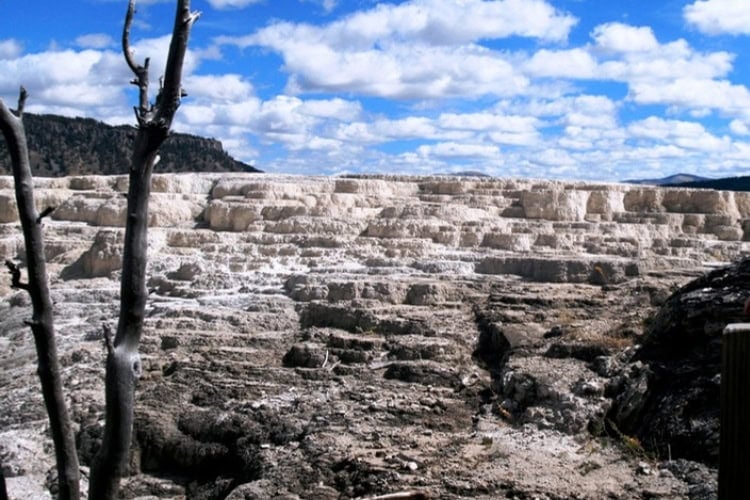
Yellowstone is divided into five regions, each offering its own attractions and services. With more than 1,100 miles of trails and countless scenic drives, there is no shortage of ways to explore.
At Mammoth Hot Springs, mineral-rich water cascades over limestone terraces, forming surreal layers of white and gold. Steam rises in ghostly wisps, carrying the unmistakable scent of sulfur.
At Norris Geyser Basin, one of the park’s hottest areas, the earth hisses and bubbles. Boardwalks guide us through this otherworldly terrain.
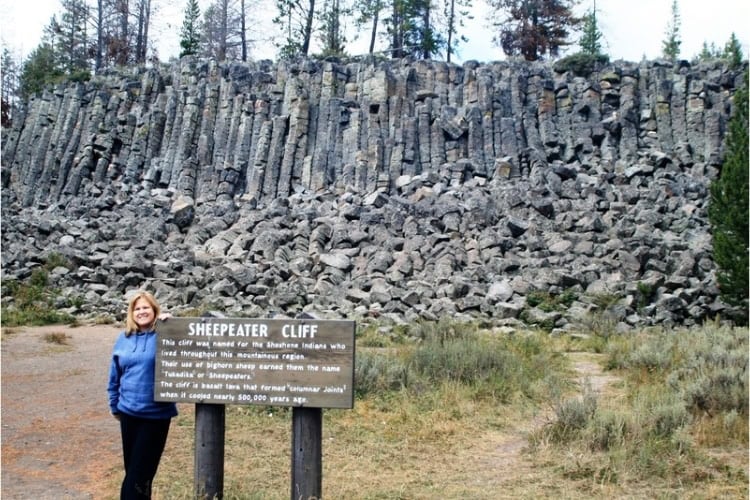
We pass basalt columns at Sheep Eater Cliff and stop at Calcite Canyon, where the Yellowstone River cuts through rugged rock. A petrified tree, more than 50 million years old, stands as a reminder of the park’s ancient past.
Campground Living and Changing Views
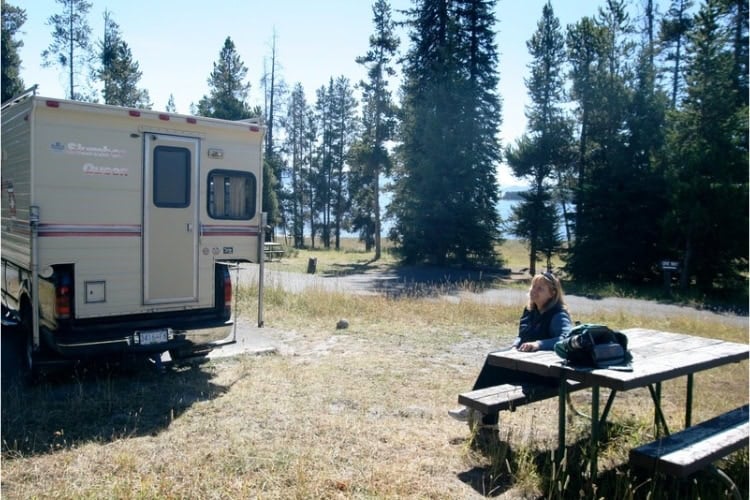
Over several days, we move between Norris, Bridge Bay, and Grant Village campgrounds, each offering a different perspective. At Bridge Bay, Yellowstone Lake stretches endlessly before us. At Grant Village, we are surrounded by quiet pine forests.
From each base, we explore new corners of the park, including Hayden Valley, known for its abundant wildlife, and a network of trails and geothermal features that showcase Yellowstone’s raw power.
Old Faithful Delivers
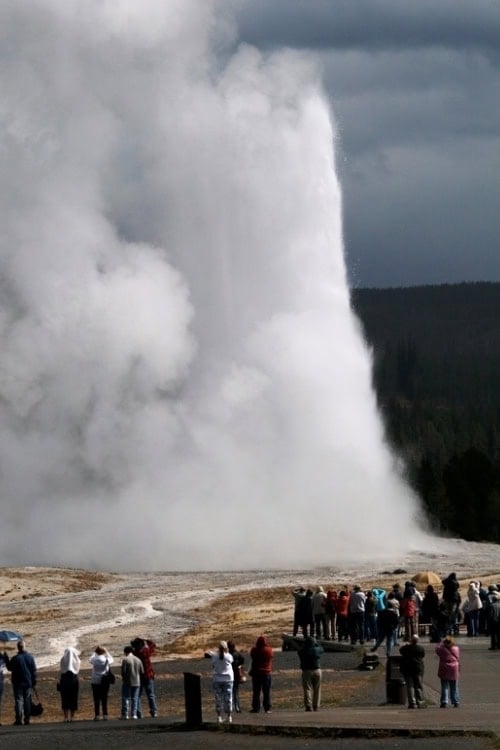
No visit to Yellowstone is complete without Old Faithful. This legendary geyser erupts roughly every ninety minutes, and as we wait with cameras ready, anticipation builds.
A surge of steam and boiling water shoots skyward, reaching up to 180 feet. The eruption is both dramatic and reassuring, predictable in a landscape defined by constant change. Old Faithful lives up to its name.
Rocky Mountain National Park: A World Above the Trees
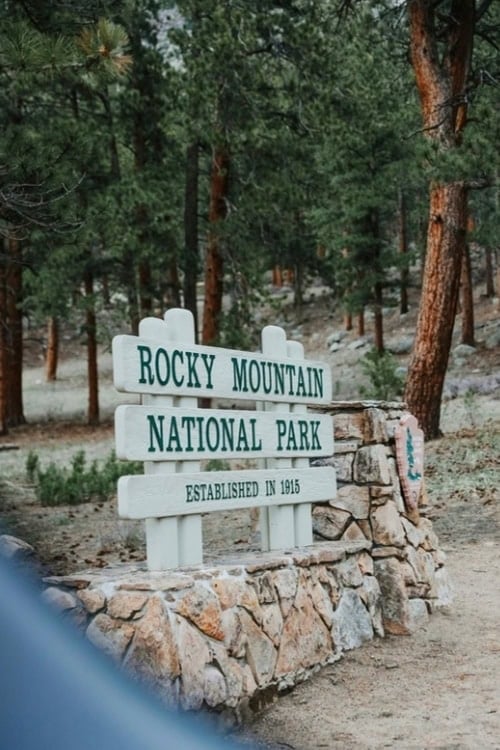
From Wyoming, we travel south into Colorado, where the landscape shifts dramatically. If Yellowstone is about geothermal energy, Rocky Mountain National Park is about elevation.
Covering more than 265,000 acres, the park features 355 miles of hiking trails, many above the tree line. Sixty peaks exceed 12,000 feet, yet the park remains accessible to visitors of all abilities.
Trail Ridge Road and the Alpine Tundra
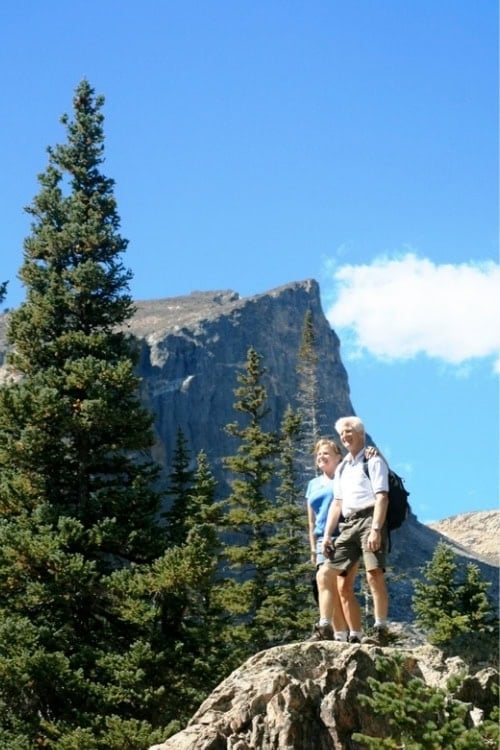
Photo by Brent Cassie
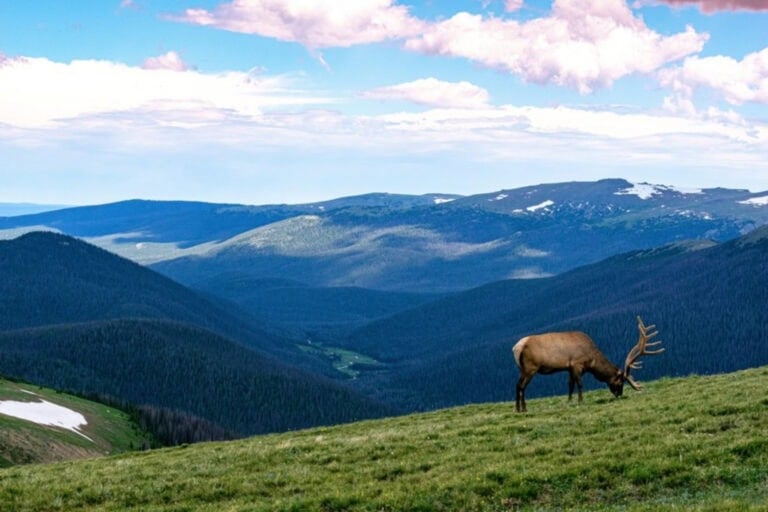
Trail Ridge Road is the park’s main artery, connecting east and west while climbing to over 12,000 feet. As we ascend, forests give way to alpine tundra. The views expand in every direction, revealing snow-capped peaks and sweeping valleys.
At the Tundra Communities Trailhead, often called the rooftop of the Rockies, a short paved walk offers panoramic views. The altitude is noticeable, the air thinner and cooler, but the trail is manageable and rewarding.
Wildlife and Quiet Encounters
Wildlife is just as present here as in Yellowstone, though the encounters feel quieter. At Timber Creek Campground, we wake to the call of a moose and the bugling of elk. Mule deer wander through Moraine Park as if we are the intruders.
On a gentle hike to Cub Lake, we are joined by ducks, squirrels, and flashes of color from Steller jays. These moments feel intimate and unhurried.
Hiking for Every Level
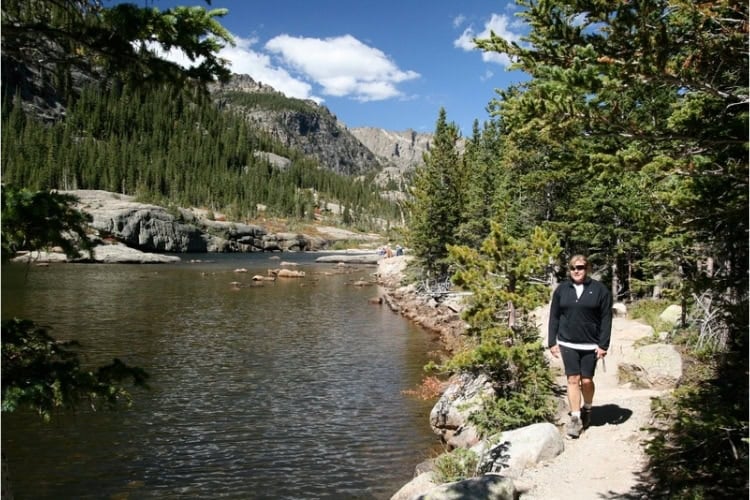
While the park is known for challenging peaks like the 14,259-foot Longs Peak, it also offers trails for all abilities. Free shuttle services connect visitors to popular trailheads, and many paths are gradual and well-maintained.
On our final day, we head to Bear Lake, one of the park’s most accessible and scenic areas.
A Perfect Finale at Bear Lake
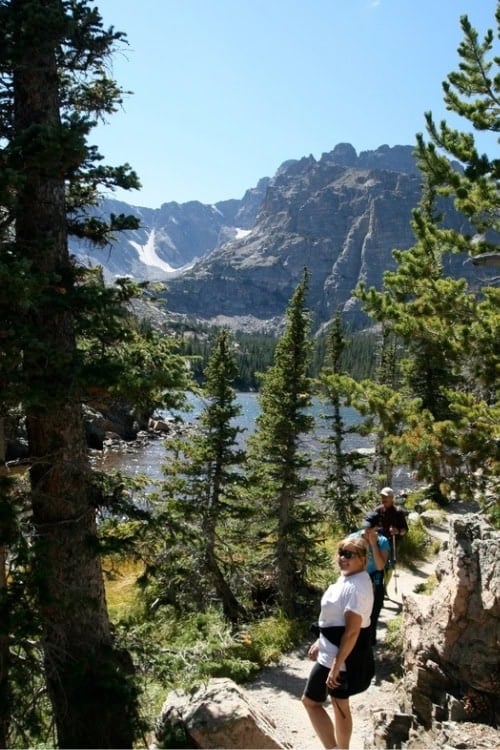
A paved trail leads to Nymph Lake, where lily pads float on still water. As we continue upward, the crowds thin and the air cools.
Boardwalks guide us to Dream Lake, framed by rugged peaks. Beyond, Emerald Lake shimmers beneath Hallett Peak. We pause in quiet appreciation, surrounded by the grandeur of the mountains. It is a fitting finale to a journey defined by natural beauty.
Two Parks, Two Perspectives
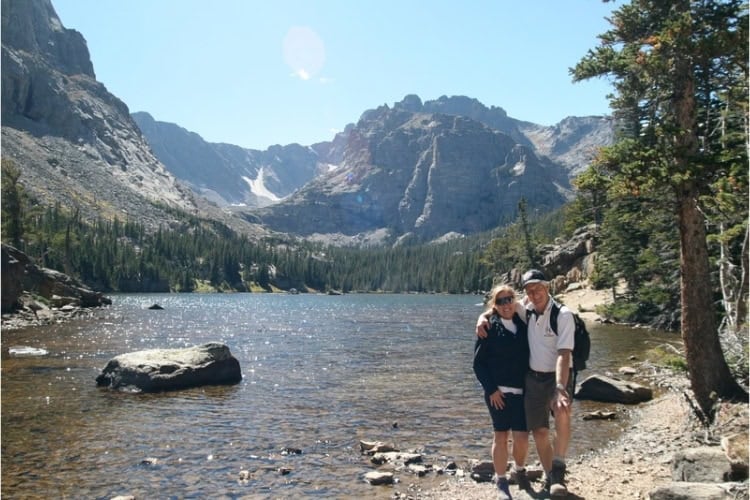
Yellowstone and Rocky Mountain National Park offer two distinct yet equally compelling experiences. One reveals the raw power of the earth, bubbling and evolving. The other invites you to rise above it all, breathing in vast alpine landscapes.
Together, they showcase the diversity and magnificence of the natural world. And long after the journey ends, those memories remain vivid and unforgettable.
If You Go
Getting There: Flying into Bozeman or Jackson Hole puts you closest to Yellowstone National Park’s entrances. For Rocky Mountain National Park, Denver International Airport is your gateway. Estes Park is roughly an hour and a half northwest from there. Search flights to both gateways on CheapOAir, which scours hundreds of routes to surface the best fares for your travel dates.
Getting Around: An RV road trip through the American West is best served by the right rental. Discover Cars searches hundreds of providers at once to find the best rates on everything from standard vehicles to RVs, so you can compare your options in one place before you hit the road.
Park Passes: The America the Beautiful Annual Pass covers entrance fees at both Yellowstone and Rocky Mountain National Park — along with more than 2,000 other federal sites. At $80, it pays for itself quickly if you’re hitting both parks on the same trip.
Campground Reservations: Both parks require advance reservations for campgrounds, and popular spots fill months out. Book your sites at Recreation.gov before you leave home.
Tours: Yellowstone is enormous, and having a guide changes what you see. The Yellowstone Lower Loop VIP Full-Day Private Tour on Viator covers the Grand Prismatic Spring, Hayden Valley, Old Faithful, and Gibbon Falls, with hotel pickup and lunch included — a full day without the navigation stress.
At Rocky Mountain, the Rocky Mountain National Park and Estes Park Full-Day Tour from Denver on Viator takes a small group through the park’s alpine scenery, wildlife meadows, and Bear Lake, with round-trip transport from Union Station, park entry, and lunch all included.
Best Time to Visit: June through September offers the best access and weather at both parks. Visit in late spring or early fall for fewer crowds and a quieter experience on the trails.
Need a hand planning your trip? Here are the sites and services we rely on most, from booking tools to travel products we love.
Inspire your next adventure with our articles below:
- 10 Iconic U.S. Road Trips Every Traveler Should Take
- These 4 National Parks in the U.S. Are Perfect for Families
Author Bio: Since 1996, while freelancing, Jane Cassie has had thousands of articles published. Her stories have appeared CNN Magazine, Northwest Travel, New York Daily News, Chicken Soup For The Soul, Dreamscapes, Air Canada In-flight, Cottage Life, Epicure and Travel, just to name a few. She has been a regular contributor to Spa Life, INNspire, North American Inns Magazine, Cottage, and Inspire Magazines.
Want to discover more hidden gems and helpful travel tips? Join our free newsletter for the latest travel secrets and travel articles.
We are reader-supported and may earn a commission on purchases made through links in this article.

- Kagawa, Japan Is the Udon Capital—Where to Eat Sanuki Noodles and How to Get There - September 28, 2026
- I Went to Istanbul for Five Days. I Am Still Not Over It. - September 28, 2026
- Inside Hawaii Island’s Lava Tubes: Nāhuku, Kaumana and a Guided Cavern Near Hilo - September 27, 2026
Planning another trip soon? ✈️
Add GoWorldTravel.com as a preferred source on Google. Click the button below so our local guides, packing hacks, and hidden-gem itineraries always show up first when you search!
Add to Preferred Sources