
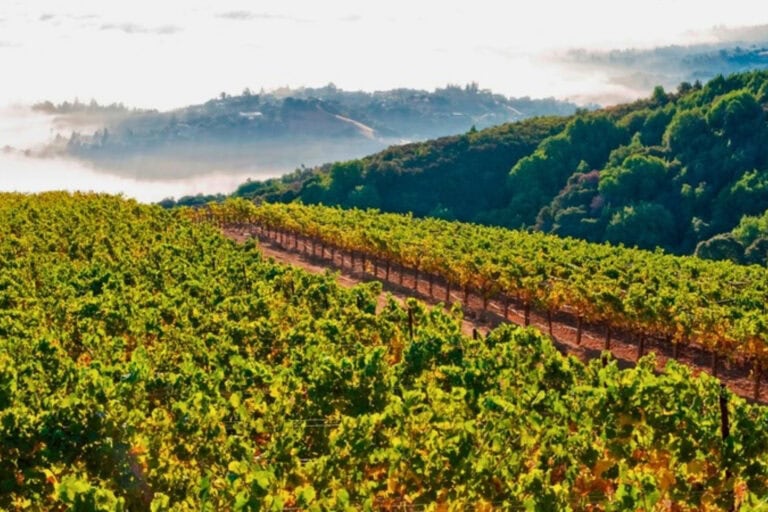
Just next to Silicon Valley sits a wine region that somehow time forgot. Spread throughout redwood forests and along the fog line from Woodside to Watsonville in Northern California, this is mountainous wine country, not a valley floor.
Vineyards cling to steep mountain ridges, and many vineyards sit hundreds to thousands of feet above the Pacific fog, where cool air, thin soil, and dramatic geology slow everything down. The result is wine with silky energy, tension, and edge rather than big, bold ripeness.
Some of the most coveted wines in California are made here in quantities so small they disappear before most people even hear about them. Two vineyards a mile apart can taste completely different, and tasting rooms are tucked inside winemakers’ homes, which is exactly how the locals like it.
Independent Winemaking Culture
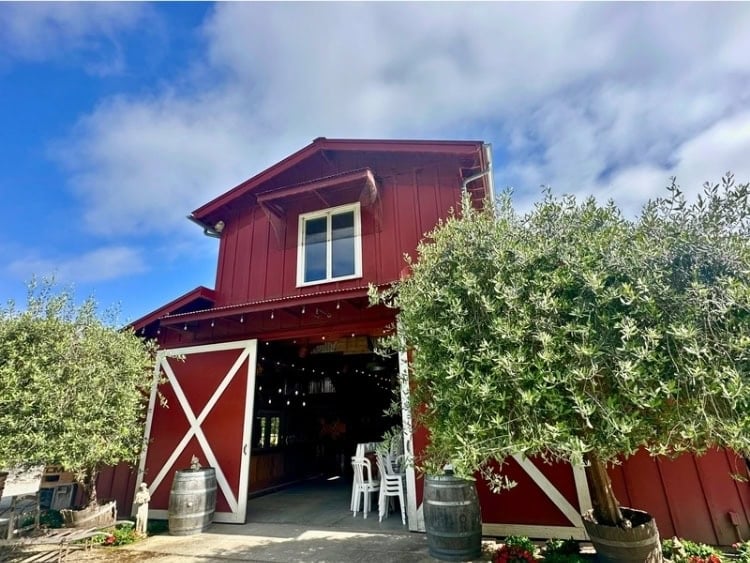
The culture here is just as distinctive. This is a winemaker-first region built on tiny projects, organic farming, native fermentations, and a stubborn independence that borders on rebellious. Flashy tasting rooms are nonexistent. Conversations about soil, elevation, and fog are ubiquitous.
The Santa Cruz Mountains AVA first stunned the wine world when Ridge Vineyards took on Bordeaux at the Judgment of Paris and won with Monte Bello. Tiny but mighty, the attitude has not changed much since.
Exploring Wine Country
Here wine country still feels like an adventure. Winding roads lead through apple orchards, redwood groves, and small towns like Corralitos and Bonny Doon where cult Pinot Noir, serious Cabernet, and brilliant Chardonnay are made by winemakers who care far more about the vineyard than the spotlight.
With over 70 wineries and 100 small vineyards, this maverick wine region is like no other. It takes a little planning to explore, but that’s part of the charm.
Wrights Station Vineyard
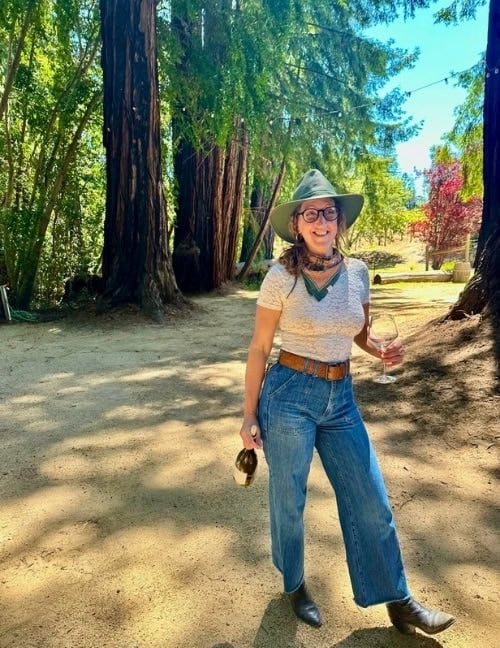
Wrights Station Vineyard & Winery feels like a gathering place tucked deep in the redwoods. Located along the winding mountain road between Los Gatos and Santa Cruz, the winery produces estate-grown Pinot Noir and Chardonnay while also working with select vineyards across the region.
Towering old-growth redwoods and Pacific madrone trees surround the vineyard, creating natural shade and a cool forest environment that Pinot Noir particularly loves. The gorgeous setting encourages visitors to slow down, linger with friends, and enjoy wines that reflect both the mountain climate and the quiet beauty of the forested landscape.
Alfaro & Farm Cottage
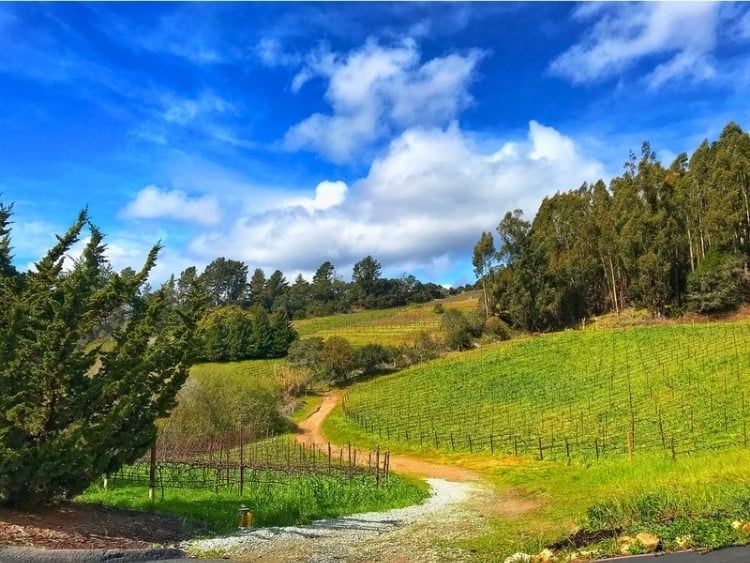
A tasting at Alfaro Family Vineyards & Winery alongside the small-lot wines of Farm Cottage Wines feels like stepping into a living landscape rather than a formal tasting room. The Corralitos vineyards sit within a natural wildlife corridor, where forest pockets and native plants create biodiversity that animals and vines share.
Instead of monoculture blocks, the site is divided into small parcels planted to different varieties, producing an unusually wide range of wines for such a compact area. The tasting experience is relaxed and personal, often guided by conversations about the land and by winemaker Ryan Alfaro, who grew up on the family vineyard before launching Farm Cottage Wines in 2019.
Ferrari Ranch Wines
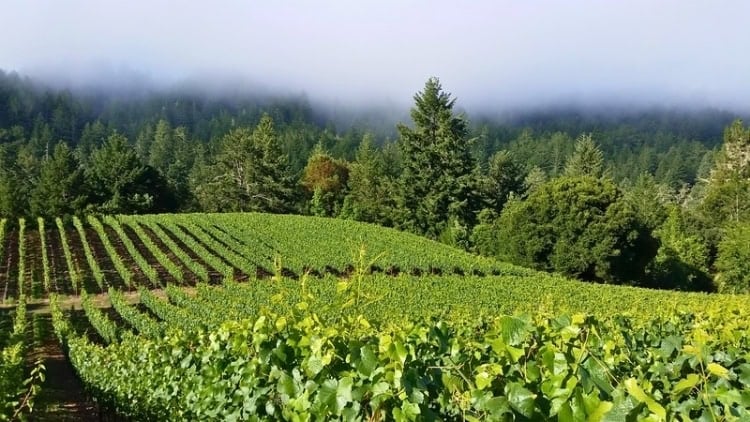
Ferrari Ranch sits in one of Corralitos’ coolest, fog-influenced pockets, where marine air from Monterey Bay drifts through sandstone and clay hillsides surrounded by oak, madrone, and redwood forests. The long, foggy growing season slows ripening and preserves natural acidity, allowing the wines to develop brightness and structure with low intervention in the cellar.
From sustainably farmed heritage vines, the ranch produces small lots of Pinot Noir, Chardonnay, and Rosé that lean toward red fruit, freshness, and savory detail rather than ripeness. With production under 400 cases, the approach is utterly boutique and deeply focused on farming for quality, producing wines that many Santa Cruz Mountains producers seek out for their precision and clear sense of place, a style some locals say reflects what Sonoma’s coastal climate once felt like decades ago.
Storrs Winery Estate
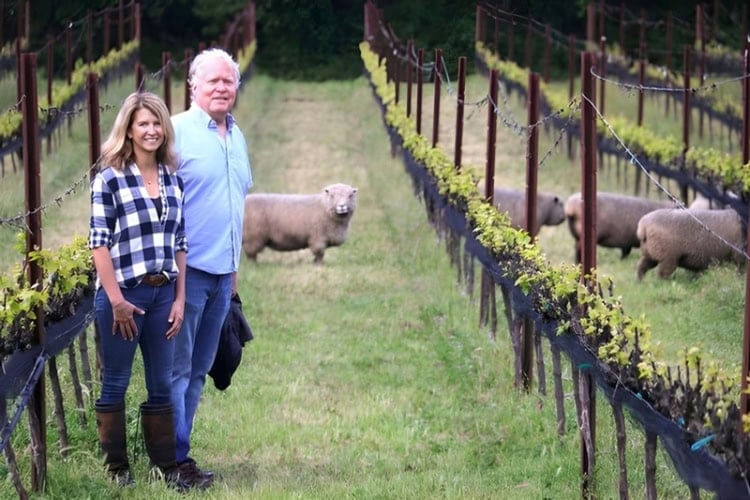
At Storrs Winery, the story begins with both romance and restoration. Winemakers Stephen Storrs and Pamela Bianchini Storrs first met in winemaking classes at UC Davis before launching the winery with the 1988 harvest, drawn to the rugged promise of the Santa Cruz Mountains AVA.
Their home estate, Hidden Springs Ranch in Corralitos’ Pleasant Valley district, was once a worn-out apple orchard where a century of farming had left the soil nearly lifeless. Over time the couple patiently revived the land, planting native wildflowers, installing owl boxes and raptor perches, and introducing a small flock of miniature Babydoll sheep to graze naturally between the vines.
Today the sixty-acre property is a thriving organic and wildlife-friendly vineyard where small lots of Pinot Noir, Syrah, and old-vine Zinfandel reflect the cool mountain climate with freshness, structure, and quiet complexity rather than showy ripeness.
Madson Wines
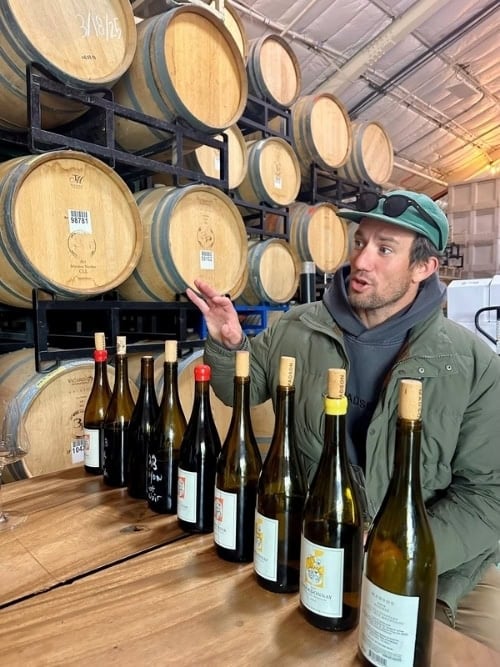
Wine treasure hunters will adore Madson wines that feel like discovering a series of hidden clues across the Santa Cruz Mountains AVA. Founded by Cole Thomas in 2018, the project focuses on tiny, often single-barrel lots made with native fermentations from organically farmed vineyards shaped by the region’s unusual geology.
The San Andreas Fault cuts through the mountains here, bringing together different soil types from separate continental plates and creating shallow topsoil where vines reach bedrock quickly, concentrating flavor and preserving striking acidity. Chardonnay thrives in these conditions, developing the kind of freshness that is increasingly rare in warmer regions, while the surrounding redwood forests, chaparral, and pine needles lend a subtle spice and woodland character to the wines.
With extremely low yields and a deep commitment to regenerative farming, Madson’s bottles often feel like small discoveries, each one capturing a particular vineyard, barrel, and moment in this complex mountain landscape.
Samuel Louis Smith
Samuel Louis Smith Winery is the kind of discovery that appeals to oenophiles who like their bottles deeply tied to terroir. Working as a micro-négociant across the Central Coast, Samuel Louis Smith focuses on organically farmed fruit from what he calls “bad ass mountain sites,” vineyards shaped by elevation, fog, and isolation where cooler conditions preserve acidity and complexity.
The winemaking leans intentionally hands-off, with native fermentations, frequent use of whole-cluster fruit, often around half or more of the ferment, and traditional foot-crushing that adds texture and structure. Higher-trained vines with larger canopies help shade the fruit and maintain balance as sugars rise, producing wines that feel vibrant rather than heavy.
The result is a compelling range of Chardonnay, Gamay Noir, Pinot Noir, and cool-climate Syrah drawn from Santa Cruz, Monterey, and Santa Barbara, wines that reflect the thoughtful, quietly rebellious spirit that defines the Santa Cruz Mountains.
Big Basin Vineyards
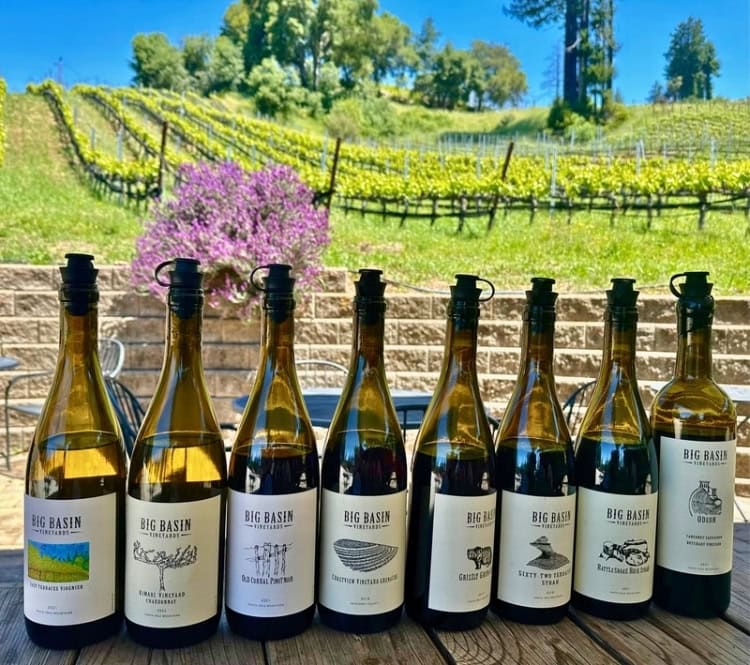
The cult favorite Big Basin Vineyards captures the wild, maverick spirit of the Santa Cruz Mountains AVA. Led by winemaker Blake Yarger, the winery farms steep, terraced mountain vineyards first planted by French immigrants more than a century ago, where fog and elevation shape wines with remarkable tension and character.
Organic and biodynamic farming, low yields, careful hand-sorting, and minimal intervention in the cellar allow these rugged sites to speak clearly in the glass. Chardonnay has become a particular standout, with wines such as the 2022 Kimari showing how vibrant and layered the grape can be in these cool mountain conditions.
Produced in small quantities and guided by a fiercely independent philosophy, Big Basin remains one of the Santa Cruz Mountains’ most admired cult producers, the kind of winery collectors quietly seek out and cellar.
Where to Stay
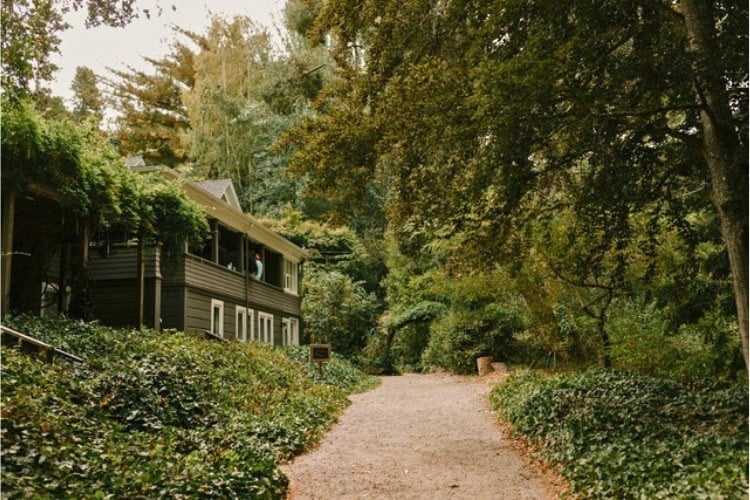
For authentic charm and a stay deeply rooted in the landscape, Sand Rock Farm offers a peaceful escape on a historic ten-acre estate that was once home to Santa Cruz County’s first winery, founded in 1887. Tucked between open countryside and redwood forest near Corralitos, the property overlooks vineyards, gardens, and towering trees, creating a setting that feels both secluded and connected to the surrounding mountains.
In many ways the inn captures the spirit of the Santa Cruz Mountains AVA itself—laid-back, quietly beautiful, and more about authenticity than flash. Mornings begin with ocean light filtering through the redwoods, while nearby beaches, wineries, mountain biking trails, and forest walks including Byrne-Milliron Forest are all within easy reach, making it an ideal base for travelers who want to unplug and experience the region at its own unhurried pace.
For a coastal base, La Bahia Hotel & Spa brings a new level of luxury to Santa Cruz. Set along the shores of Monterey Bay, the restored landmark blends Spanish Mediterranean architecture with modern five-star comforts and sweeping ocean views. Guests can unwind on the Zen Deck overlooking the bay, the historic Santa Cruz Wharf, and the Boardwalk, or relax by the pool deck and hot tub after a day exploring the mountain vineyards.
Where to Eat
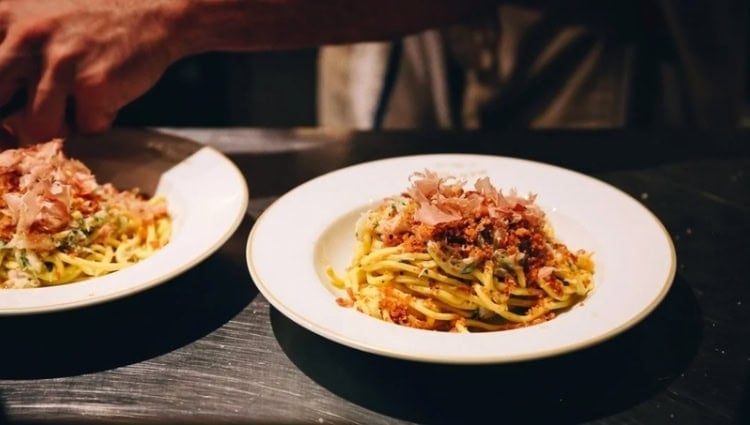
At HOME, dinner feels more like being invited over than going out. Tucked into Soquel Village, this family-run spot celebrates the farmers, ranchers, and growers of the surrounding valleys. Owner and Chef Brad Briske hand butchers locally raised animals and pairs them with whatever vegetables are shining that week from nearby farms and markets. The cooking is nose-to-tail, deeply seasonal, and meant to be shared, the kind of relaxed yet thoughtful meal that captures Santa Cruz at its best.
A short drive away, Mentone brings the Riviera spirit to the coast. Created by chef David Kinch of Manresa fame, the menu takes inspiration from the seaside stretch between Nice and Genoa, blending California ingredients with Mediterranean technique. Expect elegant pastas, seafood, and wood-fired dishes. It’s the perfect landing place after a day of wine tasting in the mountains.
Part of the charm of the Santa Cruz Mountains is that great food often hides in the most unassuming places. In Corralitos, the beloved Corralitos Market & Sausage Company serves legendary tri-tip sandwiches, house-made sausages, and barbecue alongside a surprisingly thoughtful selection of local wines.
Up the winding, redwood-lined curves of Highway 9 in Boulder Creek, historic Scopazzi dishes out Italian classics inside a redwood dining room built in 1924. For a picnic before wine tasting, locals swear by Wild Roots Market, an organic market known for excellent made-to-order sandwiches, scratch soups, and a salad bar perfect for packing up and heading back into the vineyards.
Why It’s Under The Radar
Rare, laid back, and still wonderfully under the radar, the Santa Cruz Mountains AVA offers wine lovers a glimpse of what California wine country once felt like before the crowds and the gloss. Shaped by rugged terrain, coastal fog, and fiercely independent winemakers, the region produces cult Pinot Noir and Chardonnay alongside quietly serious Cabernet and a spirit of experimentation.
It remains a place for seriously curious drinkers who value discovery and quality over pretense, where maverick winemakers rule and some of California’s most compelling wines are made in remarkably small quantities. To make exploring the Santa Cruz Mountains even easier, the region recently launched a new digital interactive map designed to help visitors navigate the region’s winding roads and hidden vineyards. Developed by the Santa Cruz Mountains Winegrowers Association in collaboration with Green Infrastructure Design, the tool highlights wineries, scenic routes, and points of interest across the mountains to chart your own path through this remarkable wine region.
If You Go
Getting There: The Santa Cruz Mountains AVA sits roughly 1 to 1.5 hours south of San Francisco and 30 to 45 minutes from San Jose. The closest gateway is San Jose International Airport (SJC), about 30 to 45 minutes from the heart of the AVA. San Francisco International Airport (SFO) is approximately 1 to 1.5 hours away, and Monterey Regional Airport (MRY) serves the southern end of the region. Book flights on CheapOair.
Getting Around: A car is essential. The AVA spans winding mountain roads between Woodside and Watsonville with no meaningful public transit options. Rent a car through Discover Cars.
Where to Stay:
- Sand Rock Farm in Aptos is a restored 19th-century B&B on the site of Santa Cruz County’s first winery, with five private suites tucked into 10 acres of redwoods and gardens. Book directly at sandrockfarm.com.
- La Bahia Hotel & Spa brings five-star comfort to the Santa Cruz waterfront, with Monterey Bay views, a pool deck, and Spanish Mediterranean architecture. Book La Bahia on Booking.com.
Where to Eat:
- HOME in Soquel Village is a family-run neighborhood restaurant anchored in local farms and ranchers, with nose-to-tail cooking and a menu that changes with the season.
- Mentone in Santa Cruz draws on the flavors of the French and Italian Riviera, with elegant pastas, seafood, and wood-fired dishes by chef David Kinch.
- Corralitos Market & Sausage Company is a local institution known for its legendary tri-tip sandwiches, house-made sausages, and a thoughtful selection of regional wines.
- Scopazzi in Boulder Creek has been serving Italian classics inside a redwood dining room since 1924 and remains a beloved stop on the wine trail.
- Wild Roots Market is the local pick for picnic provisions: excellent made-to-order sandwiches, soups, and salads ideal for packing out into the vineyards.
Wineries: The Santa Cruz Mountains Winegrowers Association maintains an interactive digital map for planning your route through the region’s 70-plus wineries and hidden vineyard roads. Find it at scmwa.com.
Need a hand planning your trip? Here are the sites and services we rely on most, from booking tools to travel products we love.
Inspire your next adventure with our articles below:
- A Weekend Guide to Sacramento: Walkable Neighborhoods, Gold Rush History and Farm-to-Fork Dining
- Armenia: The Unexpected Birthplace of Wine and Why It Deserves a Spot on Your Travel List
Author Bio: Donna Sozio is an author (Simon & Schuster, Kensington), book coach, and travel writer focusing on luxury, wine, and wellness. She’s been featured in over 100 publications, including The New York Post, Cosmopolitan, Seventeen Magazine, Allure, Pop Sugar, W Magazine, The Sun, JWM Magazine, 5280 Magazine, MSN, Organic Authority, Shermans Travel, The Culture Trip, and Yahoo. When not in Los Angeles, she’s exploring hidden travel gems. Celebrity interviews include Mandy More, Tony Parker, and Jillian Michaels.
Want to discover more hidden gems and helpful travel tips? Join our free newsletter for the latest travel secrets and travel articles.
We are reader-supported and may earn a commission on purchases made through links in this article.

- 5 Romantic Island Escapes Along British Columbia’s Coast - September 13, 2026
- Inside Hawaii Island’s Lava Tubes: Nāhuku, Kaumana and a Guided Cavern Near Hilo - September 13, 2026
- 18-Day Colombia Road Trip Itinerary by Bus or Car - September 13, 2026
Planning another trip soon? ✈️
Add GoWorldTravel.com as a preferred source on Google. Click the button below so our local guides, packing hacks, and hidden-gem itineraries always show up first when you search!
Add to Preferred Sources