
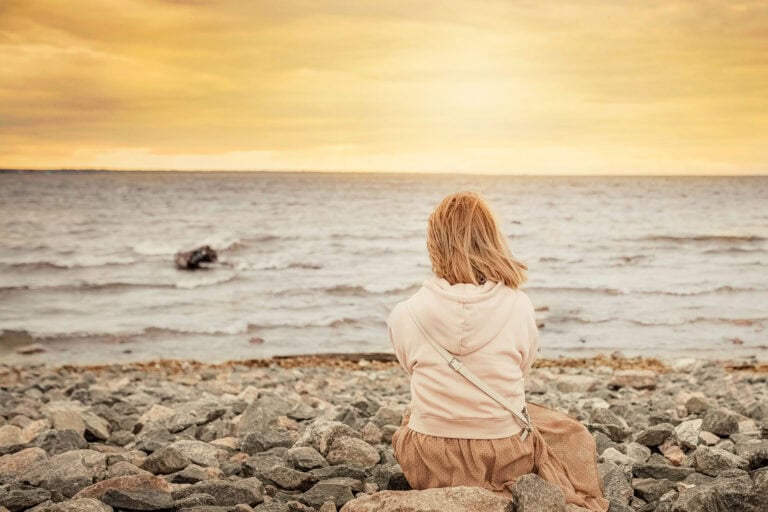
I’ve been chasing a particular kind of quiet lately. No notifications, no itinerary stacked wall to wall, just water and trees and time to actually notice them.
That kind of quiet feels harder to come by these days. Most of us carry some version of urgency through the day, even on vacation: a phone within reach, a schedule that never fully empties. The places that let you truly recharge take that pressure off entirely.
There’s nothing to check, nothing to plan around, just enough space to remember what your own thoughts sound like without a notification cutting in. That kind of rest gives your mind room to settle, and it’s often the part of a trip people remember longest.
I found that space this summer in Sweden’s East Coast Archipelago, and it sent me looking for more places built for the same slow exhale. Here are 12 places where you can find just that kind of rest.
Sweden’s East Coast Archipelago
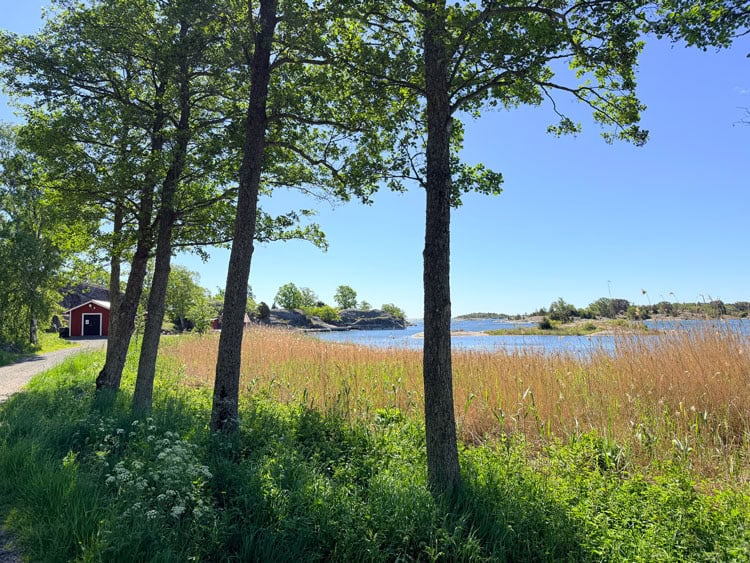
When I arrived in Sweden’s East Coast Archipelago, I could already feel my heartbeat slow down. Sweden has more than 267,000 islands, more than any other country on earth, and this quiet stretch of coast near Norrköping is where three of its least-crowded archipelagos — Arkösund, St. Anna and Gryt — come together.
I moved between them slowly, staying in small hotels tucked right at the water’s edge, kayaking calm channels, and visiting islands like Aspöja, where a handful of year-round residents still farm and fish much as their families always have. I took a boat out to Häradsskär, at the edge of the outer archipelago, where an old red lighthouse marks the last scrap of land before open sea.
As I wrote in Finding Stillness in Sweden’s East Coast Archipelago, what stays with me is the pace of it all: islands reachable only by boat, restaurants run by the same families for generations, evenings when the Nordic summer light lingers well past dinner.
Tasmania, Australia
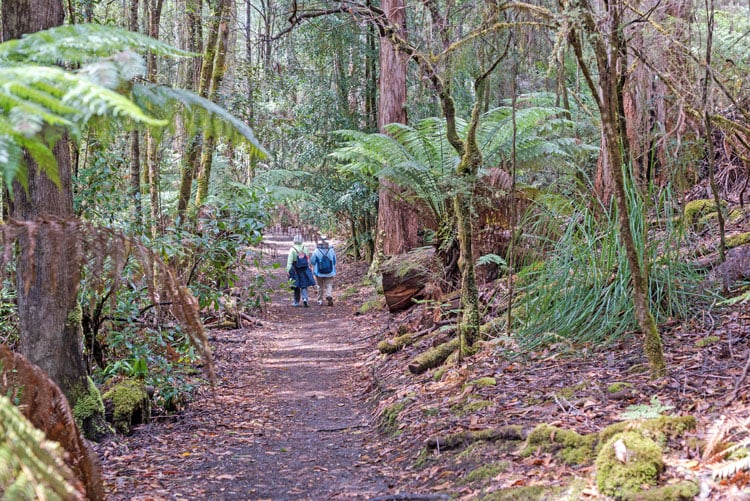
Tasmania offers plenty of space to slow down. Almost half of Tasmania is protected within national parks and reserves, so the ambient soundtrack across much of the island is birdsong rather than traffic. Visitors can walk through ancient, UNESCO World Heritage-listed rainforest, watch little penguins return to shore at Bicheno, or find an empty beach on Bruny Island or the East Coast and simply stay there.
Here, you’re invited to do less: read beside a fire overlooking the Southern Ocean, soak in a floating sauna, and breathe some of the cleanest air on the planet. Even the food and wine culture leans unhurried, favoring long vineyard lunches and farmgate produce over crowded tasting rooms.
Saba, Dutch Caribbean
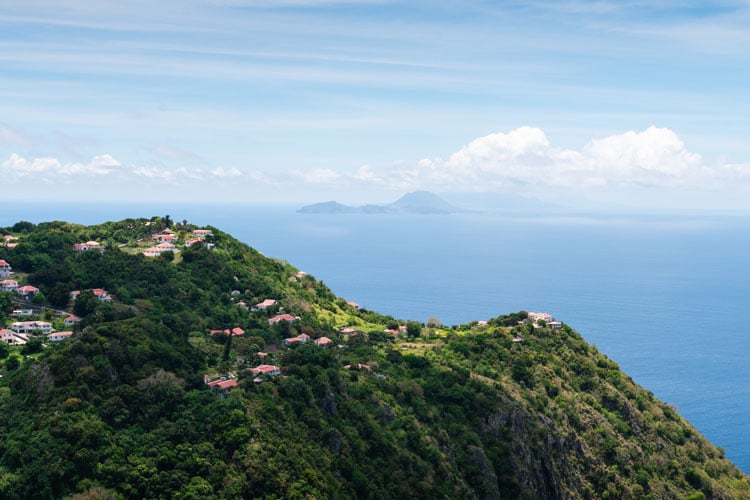
Many maps barely account for Saba, a five-square-mile island in the Dutch Caribbean made up of four towns and one road, carved out by hand. It doesn’t do crowds; there simply isn’t room. Twenty hiking trails wind through desert, fog, semi-tropical, rainforest and dry-forest microclimates on the way up Mt. Scenery, the tallest point in the entire Kingdom of the Netherlands at 887 meters.
Just five hotels and roughly 2,000 residents share this small island, and the lack of development has kept its lush landscape full of quiet corners for reading, meditating or simply sitting still. Few Caribbean islands this size have stayed this undeveloped.
Møn, Denmark
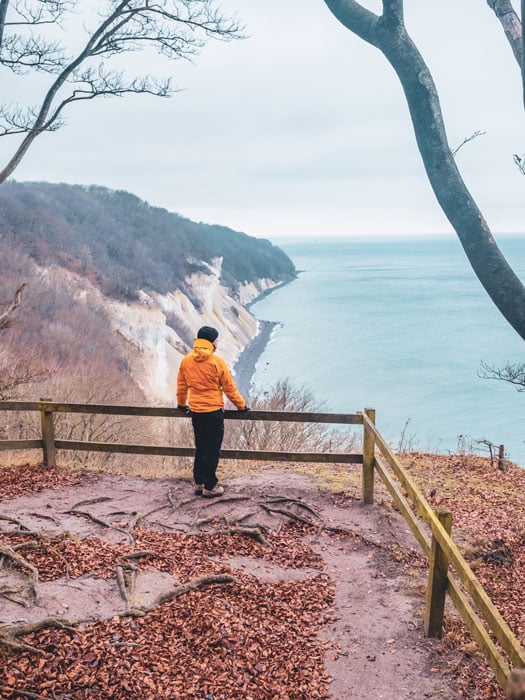
Just 90 minutes south of Copenhagen, Møn feels like it belongs to another country entirely. This UNESCO Biosphere Reserve is known for the dramatic white chalk cliffs at Møns Klint, added to the UNESCO World Heritage List in 2025, along with quiet beaches, ancient forests and rolling countryside built for hiking, cycling between villages, or finding a spot with no agenda at all.
The quiet doesn’t end at sunset. In 2017, Møn and neighboring Nyord became the first place in the world certified as both an International Dark Sky Park and an International Dark Sky Community, recognizing the night sky’s natural darkness and the community’s active work to protect it.
On a clear night, the Milky Way is visible to the naked eye. Days here are shaped by cliffs and forest, nights by silence and stars, and it’s all close enough to the capital for an easy escape.
Whidbey and Camano Islands, Washington
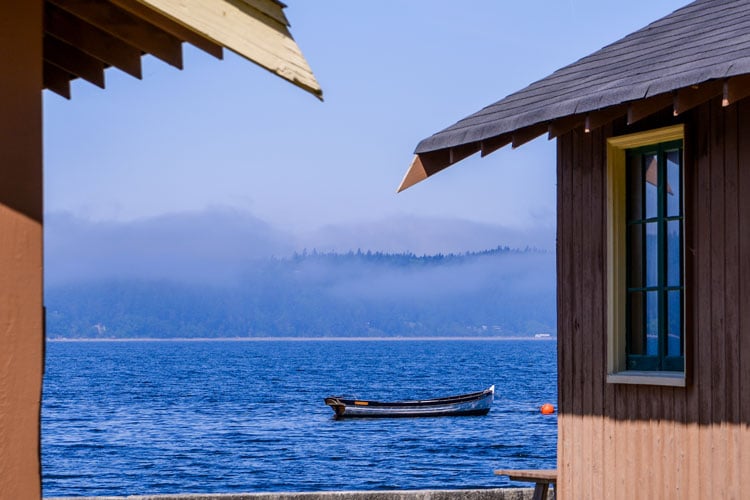
Just north of Seattle, Whidbey and Camano offer a Pacific Northwest take on the quietcation, built around slowing down instead of filling an itinerary. Surrounded by the Salish Sea, the islands make room for forest walks, empty shoreline, garden paths, birdwatching and long pauses overlooking the water, as we found writing about this Getaway on Washington’s Whidbey Island.
On Whidbey, Earth Sanctuary is a 72-acre nature reserve built specifically for quiet contemplation, with about two miles of trails through forest, wetlands and ponds, a labyrinth, and a scattering of contemplative sculptures and sacred spaces.
Farther north in Greenbank, Meerkerk Gardens offers 10 acres of peaceful display gardens ringed by 43 acres of woodland, with 2.5 miles of trails through Douglas fir, cedar and hemlock — a good spot to find a bench and listen for bald eagles and woodpeckers. On neighboring Camano Island, Cama Beach Historical State Park provides a place to slow down along Saratoga Passage.
Nuuksio National Park, Finland
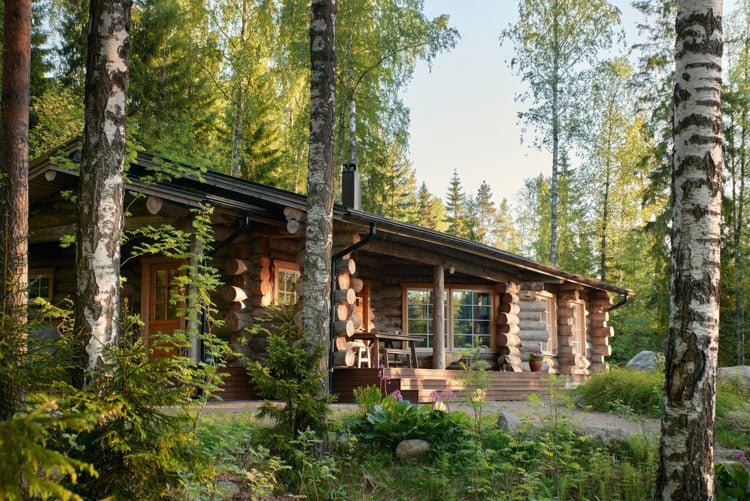
Finnish summer runs on the rhythm of the cabin, and Nuuksio National Park, about 40 minutes from Helsinki, lets you live inside that rhythm for a few days. The forest is old and hushed, the lakes still, and the days are built from simple things: a walk through the trees, a swim, a slow afternoon by the water.
At Hawkhill Cottage Resort, on the edge of the park, private cabins come with their own sauna and stretch of beach. Guests forage for wild berries and mushrooms with a local host, cook over an open fire, and paddle the lake whenever the mood strikes. The stillness here is cultural as much as geographical — Finns treat rest as something to protect, and the mökki (summer cabin) tradition is built entirely around slowing down.
Lolelunga Private Reserve, Zambia
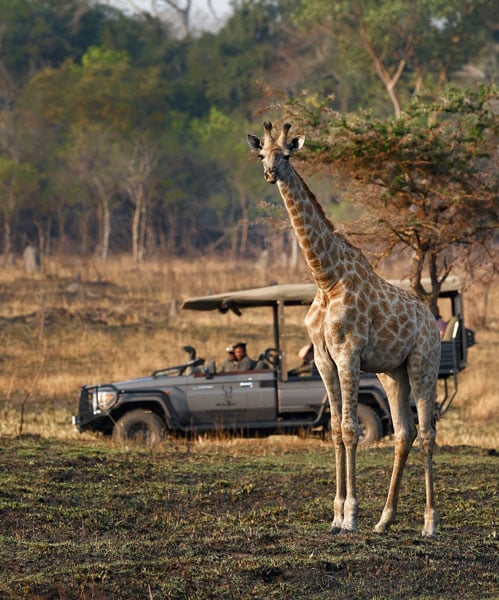
Set across 30,000 hectares of wilderness along the Lunga River, Lolelunga is about as far from a crowded safari circuit as it gets, with just seven riverside suites and no requirement to be constantly on the move. A morning game drive can be followed by a slow lunch and an afternoon by the pool; another day might be a guided walk or an evening watching wildlife from the lodge.
Walking the reserve on foot brings the bush down to ground level and near silence, and the exclusive Ngoma Deck offers the option to sleep beneath the stars, with nothing but the sounds of the African night for company.
Monhegan Island, Maine
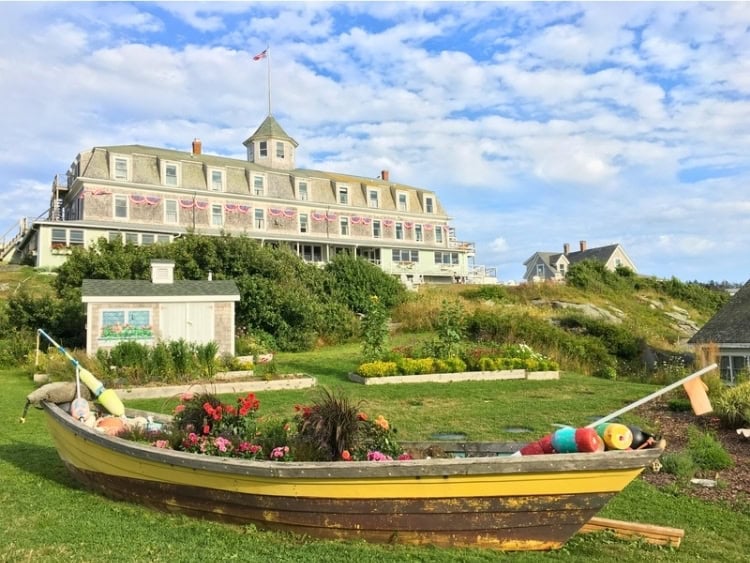
Once the last mail boat pulls away each afternoon, only the guests staying overnight are left on Monhegan Island in Maine. A real quiet settles over the island that day-trippers never get to feel. There are no cars here, just trails winding through moss forests, granite ledges and hidden coves, as we found writing about 5 Serene Inns on the Maine Coast for a Calming Escape.
At the Island Inn, perched on a bluff above the harbor, rooms are scented by sea air, and evenings sometimes turn into impromptu music on the lawn. Artists have been drawn here for generations, from Edward Hopper to Andrew Wyeth, painting the same rocky coastline and spruce-lined trails that still make Monhegan one of Maine’s quietest escapes.
Alaska Bear Camp, Natural Habitat Adventures
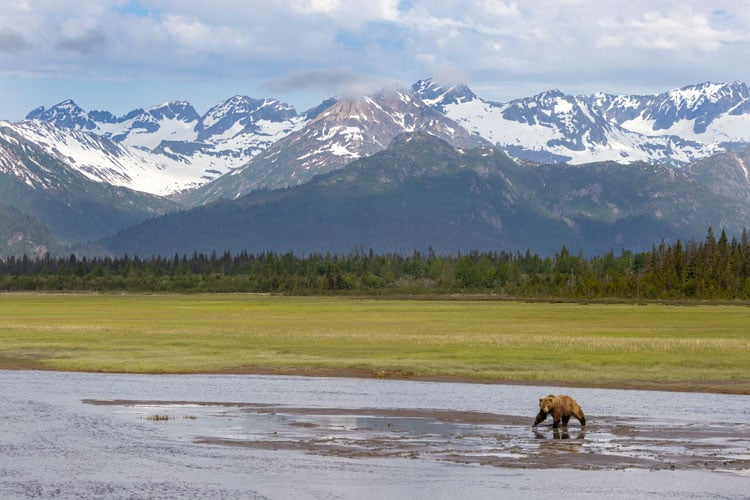
Reachable only by scenic plane ride from Homer, Natural Habitat Adventures’ private Bear Camp sits on 15 acres bordering Lake Clark National Park, surrounded by the Cook Inlet, with no roads, no cell service and no crowds.
Days are spent watching brown bears fish for salmon from private viewing decks and joining quiet walks with naturalist guides. Evenings mean a fire pit, the Aleutian Range at sunset, and little else beyond the crackle of embers and distant wildlife calls.
Groups are capped at 14 guests, and the land is unreachable by car or bus. The whole camp is built around that kind of quiet.
Norfolk Island, Australia
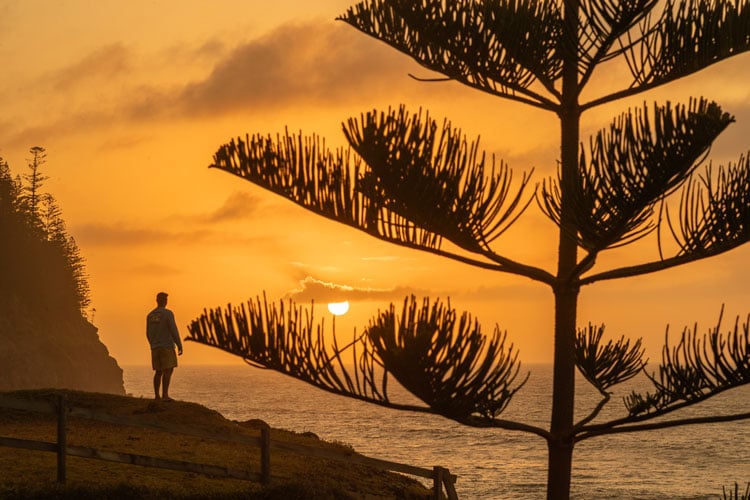
About 1,600 kilometers off Australia’s east coast, and reachable on a direct flight of roughly two and a half hours from Sydney or Brisbane, this external territory is small enough that quiet isn’t really optional: just 8 by 5 kilometers, with no traffic lights and no high-rises, and country roads where cows have the legal right of way and everyone else simply waits.
Norfolk Island National Park and Hundred Acres Reserve, on the southern coast, are laced with walking trails past towering Norfolk pines and Moreton Bay fig trees, and the island’s birdlife includes species found nowhere else on earth. With so few visitors on the island at any one time, beaches often sit empty, and after dark, with little light to compete with it, the sky turns properly, brilliantly dark.
Arapaho Valley Ranch, Colorado

Tucked into Colorado’s Grand County, about 2.5 hours northwest of Denver, this 40-acre, family-run ranch sits at the edge of the Arapaho National Forest and the Indian Peaks Wilderness. Guests wake most mornings to moose grazing just outside their glamping tents, spacious enough for a wood stove and two queen beds, with elk, deer, foxes and the occasional black bear passing through as a matter of course, as we found in A Mountain Retreat at Arapaho Valley Ranch.
The pace here is entirely self-directed. Paddle or fish Little Indian Lake steps from your tent, walk a quiet riverside trail, or borrow a bike to explore the property. The stars take over once the sun goes down.
Hollyhock on Cortes Island, British Columbia
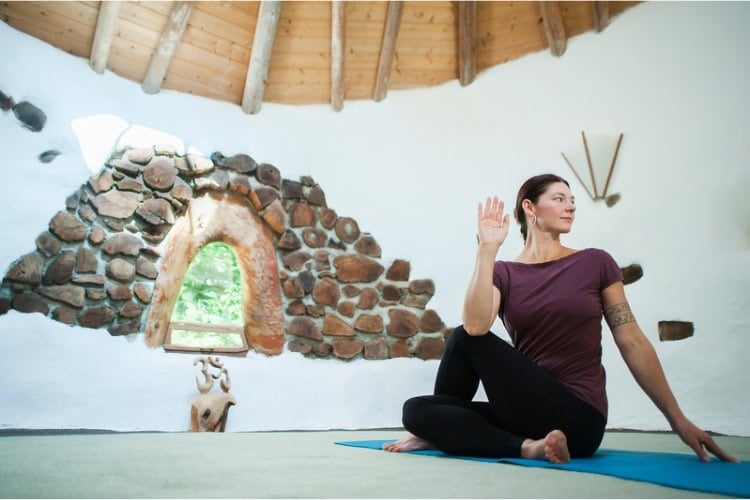
Reaching Hollyhock takes some effort: three ferries and a drive up Vancouver Island. As we found in our story about A Healing Getaway at Hollyhock on Cortes Island, that effort is part of the point. Each leg peels back a little more of ordinary life before arriving at this 48-acre retreat on Cortes Island, where cabins sit tucked beneath old-growth cedar, and the daily rhythm follows the tide rather than the clock.
Days might include a morning yoga class, a forest walk, a kayak trip through quiet inlets where seals bob among the kelp, or time spent in the biodynamic garden that supplies the kitchen. At night, guests soak in an outdoor hot tub above the sea, with no streetlights to compete with the Milky Way.
Recharging with Travel
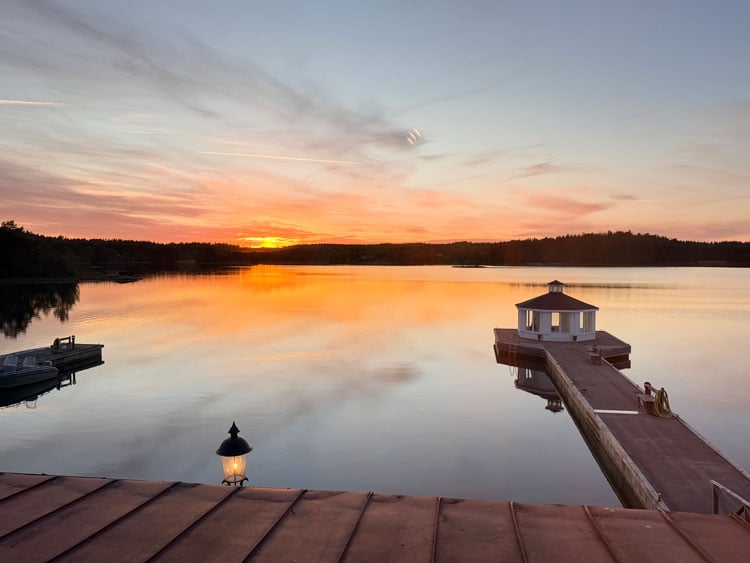
I still think about that last night in Sweden, sitting outside as the light finally faded around 11 pm, no plan for the next hour beyond whatever felt right.
That’s the thing I keep chasing on these trips, and it turns out you can find it almost anywhere, from a floating sauna in Tasmania to a garden path on Whidbey Island. You just have to be willing to slow down enough to notice it.

- 9 Insider Tips I Wish I’d Known Before My First European Adventure - October 7, 2026
- Seaplanes, Porcupines and Hidden Lakes on Quebec’s Explorer’s Route - October 6, 2026
- The Family Reunion Hack That Eliminates All the Planning Stress - September 30, 2026
Planning another trip soon? ✈️
Add GoWorldTravel.com as a preferred source on Google. Click the button below so our local guides, packing hacks, and hidden-gem itineraries always show up first when you search!
Add to Preferred Sources