
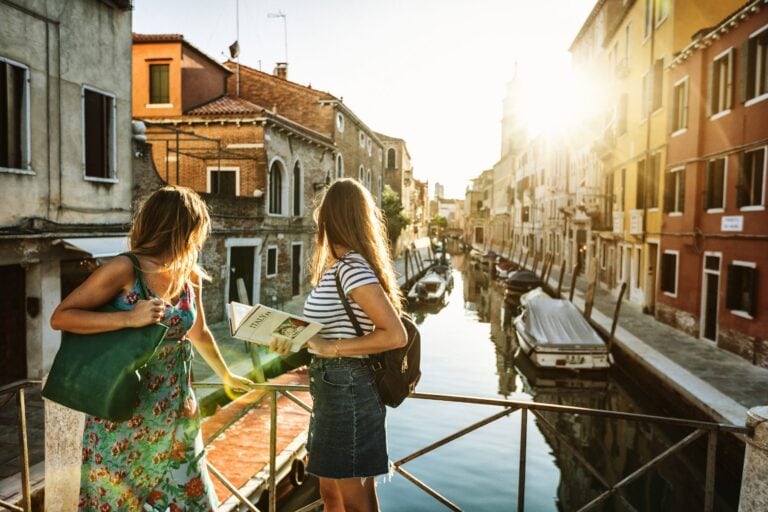

When I look back at my first trip to Europe, there are a number of mistakes that stand out. Two friends and I spent 10 days exploring Europe, but we picked the wrong transportation method, packed too much into such a short window of time, and ate at more expensive restaurants.
The one thing I’m sure of is that after visiting Europe, my love for it was ignited. I went home and told my parents about what happened. Then, when I got to Austria for school, I came to love this place even more.
Traveling to Europe is an experience like no other. I’ve learned a few things from my trips and by talking with other travelers, so here are some tips for your first European trip that will help everything go smoothly.
1. How to Navigate Europe: Trains, Buses, and Smart Transport Choices
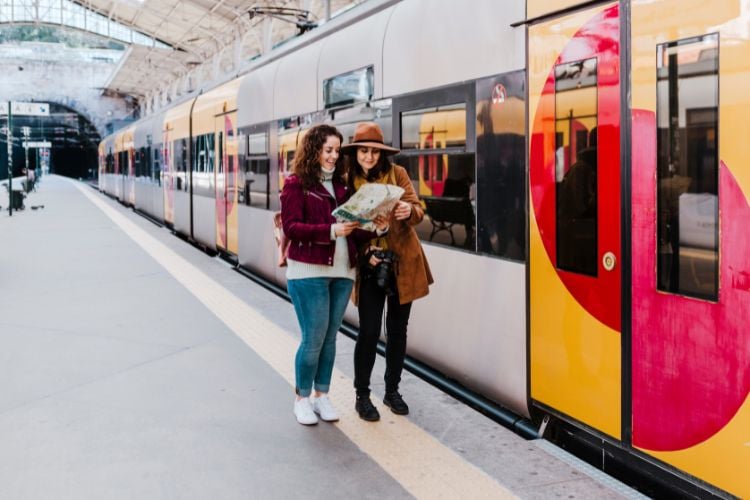
My friends and I rented a car to visit three countries on that first trip. That was, after all, how we often traveled in the States.
Yet, driving a car in an unfamiliar place can be stressful and take up a lot of time unless you’re visiting rural areas. Renting a car is not always the best way to get around when abroad.
Traveling in Europe is affordable and efficient due to the availability of trains, buses and planes. For example, budget airlines like EasyJet offer discounted rates for flights from Basel to Amsterdam.
I would also recommend using trains for your travel needs. Tickets from Budapest to Vienna can be as low as $48 USD and offer a quick, relaxing journey with numerous amenities available at the stations.
Buses are another good mode of transportation that offer restrooms and WiFi options, as well as scenic drives. I recently traveled by bus from Austria all the way to Italy for only $32, which is affordable and worry-free.
To weigh your options side by side, compare trains, buses and flights on Omio, which pulls schedules and prices for a route into one search.
Consider using public transport once you’ve arrived at your destination. It is usually the best way to get around, and it will be especially helpful if you are in a city like Vienna, where I buy my tickets on the WienMobil app, which has an English version and works best if you set up a Europe eSIM from Airalo so you’re connected the moment you land.
Read More: How to Use Eurail to Travel Across Europe: A Eurail Guide
2. Build a Relaxed Itinerary That Lets You Explore Without Rushing
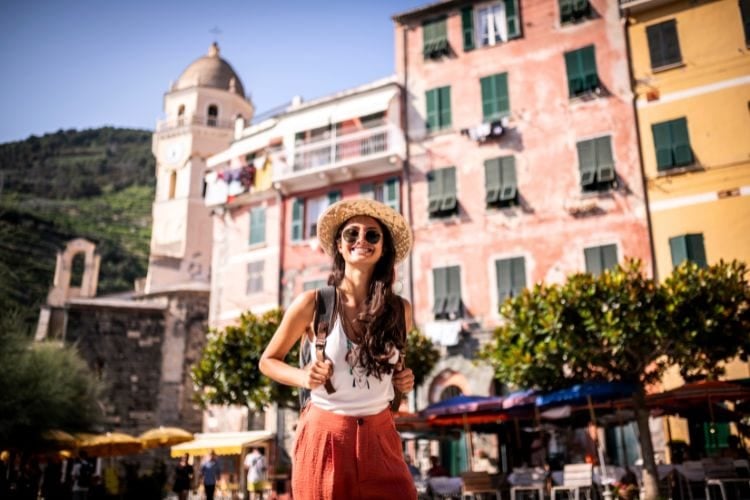
Image by MStudioImages from Getty Images Signature via Canva
When you are visiting a place for the first time, it is common to want to visit many destinations. This can leave you feeling frustrated and exhausted on your trip.
Instead of trying too hard, pick a few key destinations and spend some time exploring these places in depth.
You’ll get to know the area better than if you were constantly moving from place to place, and you will be less likely to need another vacation when returning home.
3. Pack Light and Leave Room for Souvenirs
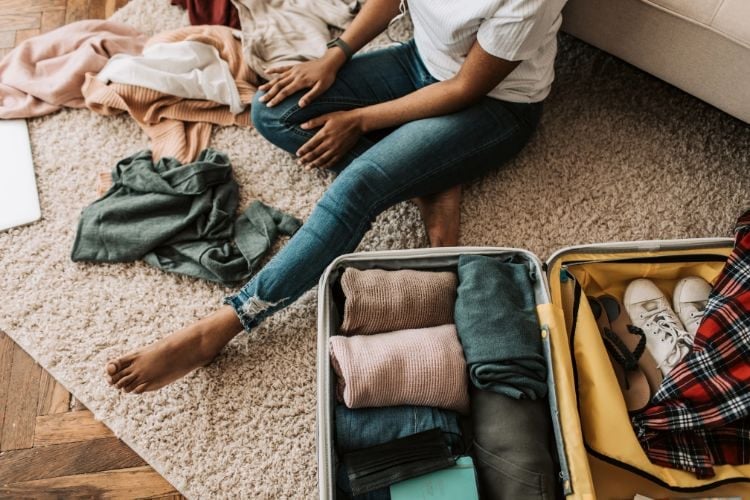
Image by MStudioImages from Getty Images Signature via Canva
Europe has a wide range of stores, so you don’t need to pack as many items. The problem with too much luggage is that it can be hard to take care of, especially in places like Venice, which have bridges over water where you must pull your luggage across.
Also, be sure to leave some room in your suitcase for souvenirs. (My favorite souvenirs are food items like coffee and candy, which I can enjoy for weeks after at home.)
Read More: How to Pack Light for Any Length Trip Abroad
4. European Dining Etiquette: What to Expect and How to Tip
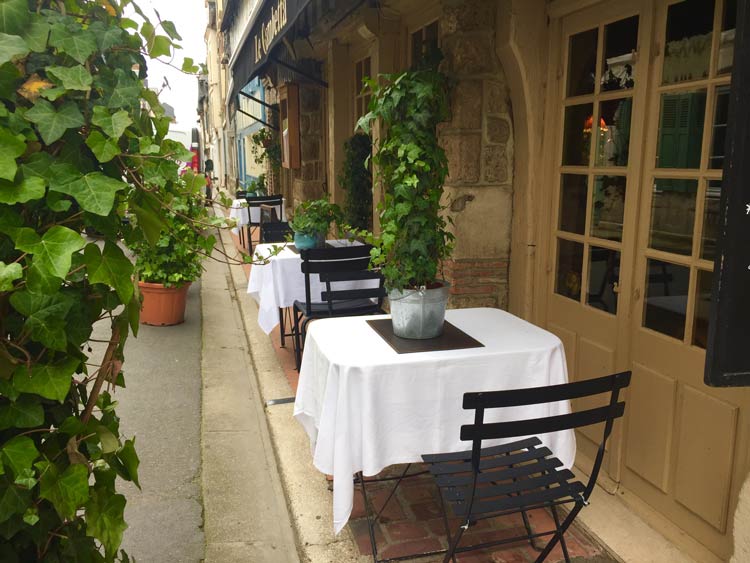
In many parts of Europe, meals are a lengthy affair to be savored. Service is not rushed and you need to ask for the check, since that’s what polite service entails.
Don’t overtip; most European restaurants include a service charge in their bill and Europeans usually only round up coins as their tip, if any at all.
If in doubt about anything pertaining to tipping etiquette or local customs, it is best to consult with locals before making an assumption based on your home country’s customs alone.
5. What to Expect at Passport Control and Hotel Check-In

Your first stop in Europe is passport control, and the process has changed. Non-EU visitors now have their photo and fingerprints taken under Europe’s new Entry/Exit System, so build in extra time when you land. A separate travel authorization called ETIAS is on the way but isn’t required yet, so check the official EU travel site before your trip.
Have your passport handy at the hotel, too. Many front desks will ask to see it when you check in. Don’t worry, this is normal practice in Europe and is required by local law enforcement.
Some hotels, especially smaller family-run ones, still use old-fashioned keys. You don’t have to carry them around, though. Just leave the key at the front desk when you go out and pick it up when you return.
6. Get Insider Tips by Connecting with Locals and Guides

You can learn the most about a destination from locals. When visiting, check out the local tourism board’s website for helpful tips on events, getting around and hidden gems.
Local guides are another great resource for inside knowledge and stories, both their personal ones as well as historical facts.
7. Reserve Popular Attractions Early to Skip Lines
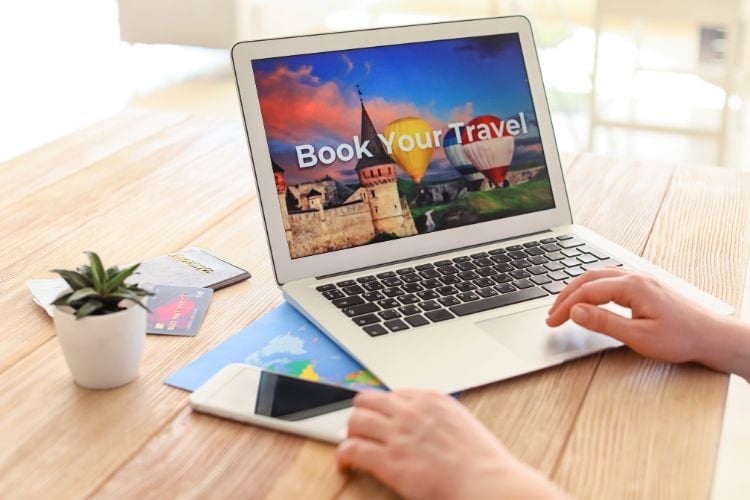
Image by Drazen_ from Getty Images Signature via Canva
If you plan on visiting popular attractions (especially in Paris or Rome), consider booking ahead of time. At peak times, tickets can be sold out.
Planning ahead prevents you from waiting in long lines and risking disappointment should the event get too crowded for space to accommodate everyone who wants to attend.
We at Go World Travel Magazine often use Viator or GetYourGuide for booking tours and excursions. For more of our trusted travel sites and services, check out our Travel Tools page, where we share all the resources we rely on to plan smooth, hassle-free trips.
8. Bring Comfy, Broken-In Shoes for Walking on Cobblestones

One thing to consider when traveling in Europe is to bring shoes that are already broken in for walking. You’ll be walking a lot, sometimes on cobblestones, which can cause blisters with poorly fitted shoes.
9. Slow Down and Enjoy the View

Some of my best memories in Europe have come from sitting outside at an outdoor café, in a park or even one of the palace gardens.
Europeans enjoy eating and drinking outdoors as soon as it warms up, and you’ll find restaurants with terraces along the street.
Join them. Sometimes joy can be found when we least expect to find it.
Need a hand planning your trip? Here are the sites and services we rely on most, from booking tools to travel products we love.
Inspire your next adventure with our articles below:
Want to discover more hidden gems and helpful travel tips? Join our free newsletter for the latest travel secrets and travel articles.
We are reader-supported and may earn a commission on purchases made through links in this article.

- 9 Insider Tips I Wish I’d Known Before My First European Adventure - October 7, 2026
- Seaplanes, Porcupines and Hidden Lakes on Quebec’s Explorer’s Route - October 6, 2026
- The Family Reunion Hack That Eliminates All the Planning Stress - September 30, 2026
Planning another trip soon? ✈️
Add GoWorldTravel.com as a preferred source on Google. Click the button below so our local guides, packing hacks, and hidden-gem itineraries always show up first when you search!
Add to Preferred Sources
Thanks for the sharing, nice tips
This is a great article. Straight forward and to the point with all the information a traveller needs for visiting Europe. I am a NZer living in Switzerland and have been here for 17 years. I have travelled all over Europe and agree with all the 9 tips you mentioned in this article.