


Road trips can be a great way to spend time with your family and friends. But they can also be a lot of work. From packing to driving to managing a budget, there are a lot of things to plan for.
To ensure that you have the best possible trip, we’ve compiled 7 important steps for planning a successful road trip.
1. Planning Ahead
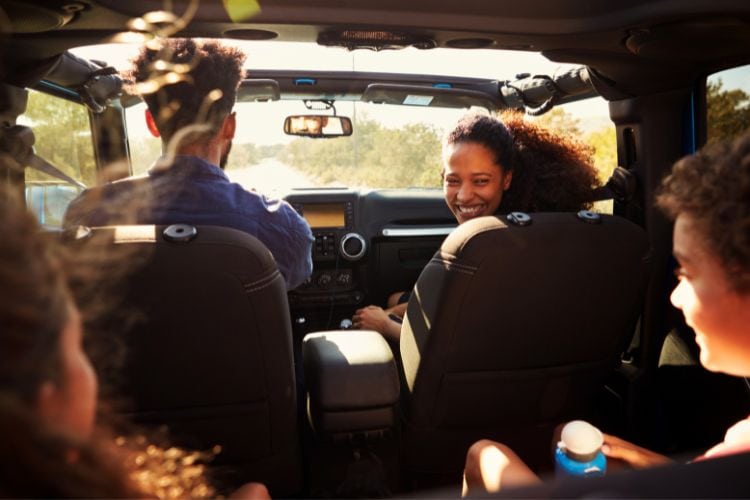
The first step to a successful road trip is planning ahead. Packing for a trip can be a lot of work, so it’s important to start early.
How much time will you spend at each destination? Who will be the designated driver and will you switch off? Who will be in charge of the snacks?
The first step is planning your itinerary and making sure you have the necessary equipment to transport everyone comfortably.
Another good idea is to have an emergency kit containing items such as jumper cables, a first aid kit, water and a flashlight, as well as roadside assistance.
Be sure to plan for downtime and adequate rest at each destination.
Finally, make sure you have all of the information about your destination, including directions or GPS coordinates if needed.
2. Choosing a Route to Take

The first step in planning a successful road trip is choosing a route. This choice will be based on where you want to go, how much time you have, and the distance from your starting location.
For example, if you’re going on a long weekend trip with your family, it’s probably best to decide on an area close by so you won’t spend too much time driving.
Maybe someone in your party has destinations along the way they want to visit. It is best to collect this information before solidifying any plans.
3. Packing
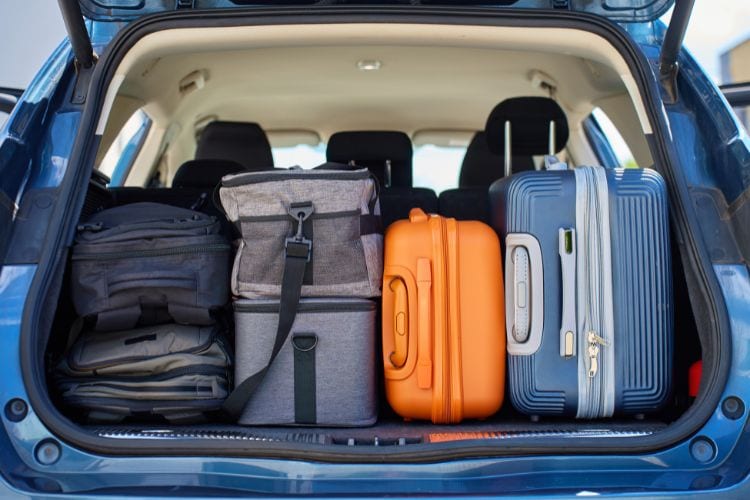
One of the most important steps in planning a successful road trip is packing. But packing for a long car ride can be difficult if you don’t know what to bring.
You may want to ask yourself the following questions: What location will you be driving through? What time of year is it? Is there space in the car for all of your luggage?
If you’re driving through snowy regions, then you’ll want to pack heavy winter clothes and other cold-weather accessories. If it’s summer or you live in an area where it never snows, then there should be less concern about packing for cold weather.
If there are multiple people on the road trip, it’s better to pack lightly to ensure there is ample room in the vehicle for everyone’s luggage.
4. Budgeting for the Trip

It’s important to plan your budget for a road trip before you leave. This way, you won’t have to worry about overspending while on the trip. It’s also a good idea to take some cash with you in case any unplanned expenses arise.
What is your goal for this trip? Are you looking to spend less than $500? Do you want to spend more than $750? Whatever your upper limit is, it’s always best to know what it is before you start budgeting and packing for the trip.
There are a number of gas cost calculators, such as GasBuddy and AAA’s TripTik, to help you estimate how much you will be spending on fuel. Also, you can reduce your food expenses by stocking up at the grocery store at the start of the trip.
If you’re not taking your own vehicle, compare rental rates on Discover Cars — they search across multiple suppliers to find the best price for your dates and destination.
5. Car Prep
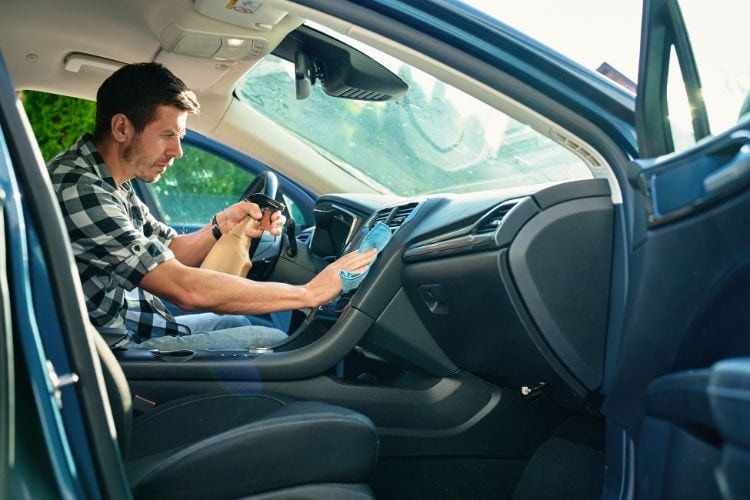
A clean and organized car makes for a better trip. Before you leave, take time to clear out clutter, vacuum the seats and floor mats, wipe down the dashboard, and clean the windows inside and out. Starting fresh means you’re not spending the first hour of your trip annoyed by last week’s coffee cup.
Once you’re on the road, designate a small bag or bin for trash from day one. It takes about 30 seconds to set up and saves you from the slow-motion mess that creeps into every long drive. A few resealable bags for snack wrappers and a pack of wipes for sticky hands and spills round out a simple system that actually works.
6. Getting There on Time

One of the most important steps in planning your trip is knowing when to leave. Make sure to schedule enough time for travel, but don’t overbook yourself.
To help you better plan ahead, track the weather forecast at your destination. Leave early enough to accommodate any delays or sudden changes in plans. Also, plan to stop every two hours for a break.
7. Managing Discomfort Along the Way

Some people find that after a few hours on the road, they’re feeling restless and uncomfortable. If you find yourself feeling tired while driving, try switching drivers. Sharing driving duties will help reduce fatigue.
Also, try to drive during daylight hours.
Keep your eyes peeled for rest stops or small towns where you can stop for a break or grab some dinner if need be.
Road trips come with their share of surprises — a breakdown, a sudden illness, or a cancelled leg of the trip can throw off even the best-laid plans. Cover yourself before you go with SafetyWing or compare policies side by side on Squaremouth to find the right fit for your travel style and budget.
Need a hand planning your trip? Here are the sites and services we rely on most, from booking tools to travel products we love.
Inspire your next adventure with our articles below:
- 9 Essential Tips for Pet-Friendly RV Adventures: The Ultimate Road Trip Guide
- 7 of the Best Summer Road Trips in America You Can’t Miss
Author Bio: Sandy Page is a life-long adventurer. In her free time, she reads and consumes copious amounts of hot beverages.
Want to discover more hidden gems and helpful travel tips? Join our free newsletter for the latest travel secrets and travel articles.
We are reader-supported and may earn a commission on purchases made through links in this article.

- Laos for Backpackers: Vientiane, Vang Vieng and Luang Prabang on a Slow-Travel Route - September 29, 2026
- Exploring Nanjing, China: 48-Hour Trip That Changed My Perspective - September 29, 2026
- Bulgaria’s Cliffside Cave Church With a Last Supper Older Than da Vinci’s - September 29, 2026
Planning another trip soon? ✈️
Add GoWorldTravel.com as a preferred source on Google. Click the button below so our local guides, packing hacks, and hidden-gem itineraries always show up first when you search!
Add to Preferred Sources