
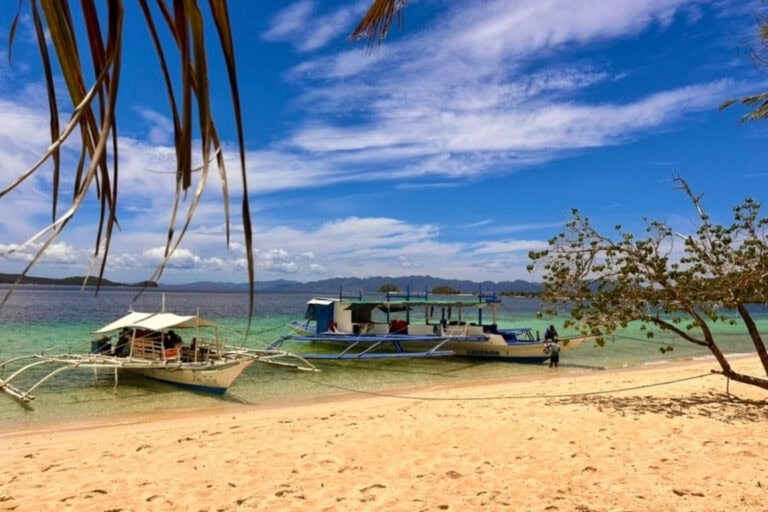

I recently spent time in the Philippines, the birthplace of my father, where the local tourism slogan proudly proclaims, “It’s more fun in the Philippines.” I can happily attest that the slogan rings true.
While there, I traveled to the province of Palawan—an archipelago consisting of Palawan Island, a narrow 264-mile-long landmass, surrounded by roughly 1,800 smaller islands between the South China Sea and the Sulu Sea.
The Last Ecological Frontier
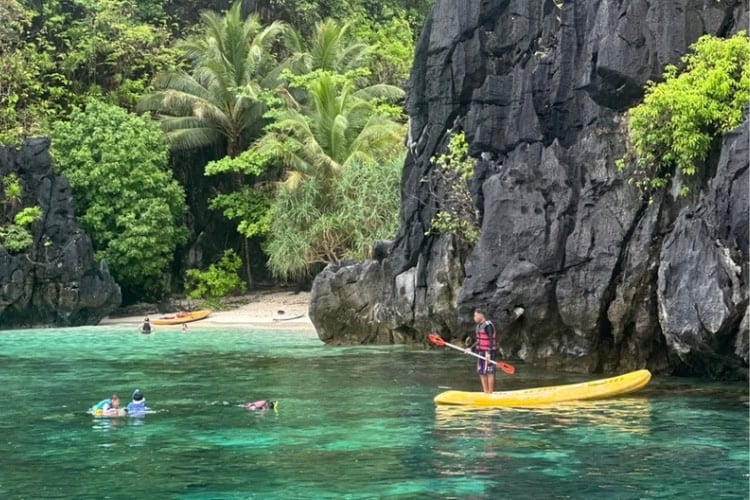
Palawan is referred to as the Philippines’ last ecological frontier due to its pristine natural beauty and rich biodiversity. The landscape is filled with lush tropical rainforests, caves, mangroves, underground rivers, towering islands and white-sand beaches.
Its marine ecosystem features crystal-clear waters and extensive, vibrant coral reefs, home to colorful tropical fish such as parrotfish and clownfish. I found the snorkeling throughout Palawan to be the best I’ve ever experienced.
Palawan is also known for its ecotourism, offering visitors immersive experiences that prioritize environmental conservation and support for local communities.
Many hotels, restaurants and tour operators follow sustainable practices, including limiting plastic use, supporting local farmers and fishermen and promoting reef-safe tourism.
I visited three of Palawan’s most famous destinations—El Nido, with its breathtaking islands; Coron, renowned for world-class wreck diving; and Puerto Princesa, home to the UNESCO-listed Underground River, which winds through a subterranean cave system.
El Nido – The Gateway to Bacuit Bay

Located at the northern tip of Palawan Island, El Nido is one of the world’s most breathtaking travel destinations.
This gateway to the Bacuit Archipelago boasts over 40 limestone islands that rise dramatically from the sea, their cliffs surrounded by white-sand beaches, hidden lagoons, and warm turquoise waters.
El Nido Town served as my base for exploring the region. The relatively small town is packed with energy, offering a vibrant mix of local culture, attractions and services.
Accommodations range from budget hostels to eco-luxury resorts that blend into the natural environment. Cozy beach bars, seafood restaurants and live music lend the town a chilled, bohemian vibe.
Along its narrow streets, visitors can find everything from souvenir shops and tour operators to dive centers and boutique hotels. Just off the main road, beachside bars and restaurants offer the perfect setting to enjoy sunsets over fresh seafood and local San Miguel beer.
Island Hopping

Most visitors participate in pre-arranged island-hopping excursions, categorized as Tours A, B, C, and D, via traditional Philippine Bangka boats with outriggers, departing from either El Nido Town or the nearby Pops District.
As part of Tour A, we swam through a small opening in a limestone cliff to reach the Secret Lagoon on Miniloc Island—a serene natural pool surrounded by towering cliffs. At Big Lagoon, we rented kayaks to glide across calm, teal waters.
Tour C took us to Secret Beach, accessible through a narrow opening in a cliff that revealed a hidden lagoon and white-sand beach. At Hidden Beach, nestled within a narrow cove, I followed a trail through dense jungle and towering trees, feeling like I had stepped into a scene from Tomb Raider.
Tour D included visits to several picturesque lagoons and beaches. Small Lagoon and Cadlao Lagoon are ringed by limestone walls, giving them a fortress-like vibe—ideal for kayaking or snorkeling.
On Cadlao Island, we visited Pasandigan Beach, lined with coconut palms and cliffs, as well as the beautiful Wonderland Beach Resort.
Coron and the Calamian Islands

Coron, located in northern Palawan on Busuanga Island, is part of the Calamian Islands group. Like El Nido, Coron is known for its dramatic limestone cliffs, crystal-clear lakes and thriving coral reefs.
It’s especially famous for its World War II-era Japanese shipwrecks, now transformed into coral-encrusted dive sites teeming with marine life, attracting divers from around the globe.
Coron Town serves as the main hub for visitors, offering a bustling mix of tour operators, dive shops, restaurants, bars and accommodations to suit all budgets.
From here, island-hopping tours explore iconic destinations like Kayangan Lake, Twin Lagoon and coral-rich snorkeling spots. At night, the town comes alive with a lively mix of eateries and cafés that cater to both locals and tourists.
Kayangan Lake

We joined two full-day tours. One highlight was Kayangan Lake, often called the cleanest lake in the Philippines. A short hike brings visitors to a postcard-perfect viewpoint overlooking the bay before reaching the lake itself, nestled among dramatic karst cliffs.
Twin Lagoon features two peaceful basins separated by a limestone wall with a narrow passage that is swimmable at low tide. At Barracuda Lake, we snorkeled through otherworldly underwater cliffs and thermocline layers, where shifting temperatures create an ethereal swimming experience.
At Skeleton Wreck, we snorkeled over the remains of a sunken Japanese ship lying in shallow water just 16 feet deep, accessible to both snorkelers and divers.
We also visited stunning islands such as Malcapuya Island, with white-sand beaches and dramatic cliffs. For a small fee, we snorkeled while holding onto ropes attached to a Bangka boat, drifting above colorful coral.
Ditaytayan Island featured postcard vistas and a long, white-sandbar known as “Long Beach.” On Banana Island, we relaxed under palm trees near a cozy beach resort with cottages, a general store, and shaded hammocks—perfect for soaking in the view before lunch.
Puerto Princesa Subterranean River National Park

Located about 50 miles north of Puerto Princesa City, the Subterranean River National Park is a UNESCO World Heritage Site and one of the New Seven Wonders of Nature.
The park features a five-mile underground river that flows directly into the South China Sea, making it one of the world’s longest navigable underground rivers.
We stayed overnight in Puerto Princesa before being picked up at 7 a.m. for a 1.5-hour drive to the Sabang Boat Terminal. From there, a Bangka boat took us to a beach trail that led to the cave entrance. A short forest walk brought us to smaller boats for the cave tour.
Inside, the river winds through a vast cave system filled with towering chambers, stalactites, and stalagmites. Visitors wear audio headsets synchronized with the paddler’s headlamp to learn about the geological formations.
Highlights include the Italian Chamber—one of the world’s largest cave rooms—and formations shaped like fruits, religious figures, a T-Rex, and more. The cave is also home to bats, swiftlets and freshwater crabs.
The surrounding forests are among the most biodiverse in Asia, containing eight of the continent’s thirteen forest types, over 800 plant species, and many animals, including long-tailed macaques, monitor lizards, and endemic birds.
After the tour, we enjoyed a buffet lunch, followed by a 45-minute guided boat tour through the Sabang Mangrove Forest, where we learned about the local ecology.
Tour Operators in Palawan

Tour operators are widely available across Palawan and can also be booked online through platforms like Get Your Guide or Viator. We used Ellen’s Travel and Tours, arranged via Guide to the Philippines.
Each tour included round-trip hotel transfers, boat transportation, a friendly English-speaking guide, drinking water and a hearty Filipino buffet lunch—typically grilled fish, pork or chicken adobo, rice, fruit, and pancit (a delicious noodle dish with vegetables).
Tours generally run from morning until late afternoon and offer opportunities to swim, kayak, snorkel and lounge on beaches. Small environmental fees are collected prior to departure, and tour stops may vary due to weather or crowds.
Palawan Practical Tips

When to Visit
Palawan is warm year-round, with temperatures ranging from 81–90°F. The dry season runs from November to May, and March to early May offers the best island-hopping weather. This is also the high season. The wet season (June to October) brings more rain and humidity, particularly in July and August.
What to Bring
Essentials include reef-safe sunscreen, a hat, sunglasses, water shoes and dry bags. Snorkel gear and waterproof phone cases are also helpful. Vendors sell these items in tourist areas.
Tipping
Tipping is not required but appreciated. We tipped $5–$7 per tour and $1 for individual services like luggage help or transfers. Philippine pesos or U.S. dollars are accepted.
Getting to and Around Palawan
Air
Airports in Puerto Princesa, El Nido and Coron offer flights to Manila and Cebu. Cebu Pacific Airlines offers flights between El Nido and Coron.
Ferry
2GO Travel operates ferries between Manila and Puerto Princesa (13 hours). Ferries also run between Manila and Coron, and within Palawan.
Vans
Tour operators and hotels often provide shuttle vans for airport and hotel transfers.
Tricycles
Motorized tricycles—motorcycles with sidecars—are fun, affordable, and commonly used.
Motorbike Rentals
Ideal for independent travelers wishing to explore remote beaches and interior sights at their own pace.
Need a hand planning your trip? Here are the sites and services we rely on most, from booking tools to travel products we love.
Inspire your next adventure with our articles below:
Author Bio: Steve Sindiong is a travel writer, photographer and urban planner. He has been traveling the world since he was a child. His quest for traveling began while at the University of Cincinnati, as an Urban Planning undergraduate student, when he spent a semester abroad traveling the Balkans, learning about urban design. During graduate school, he conducted his urban planning thesis in Stockholm, Sweden and backpacked throughout Europe. Since then, he’s traveled throughout all 50 U.S. states and to over 80 countries on six continents and aspires to see many more. He currently lives in Alexandria, Virginia with his partner and dog, Benji.
Want to discover more hidden gems and helpful travel tips? Join our free newsletter for the latest travel secrets and travel articles.
We are reader-supported and may earn a commission on purchases made through links in this article.

- Bonaire, Savored Slow: Cactus Liqueur, Caviar, Donkeys and Shore Diving - October 23, 2026
- Two Colorado Hot Springs Worth the Drive from Denver - October 23, 2026
- Is 55 Too Young for a River Cruise in Europe? - October 23, 2026
Planning another trip soon? ✈️
Add GoWorldTravel.com as a preferred source on Google. Click the button below so our local guides, packing hacks, and hidden-gem itineraries always show up first when you search!
Add to Preferred Sources
I had no idea that the Philippines had so many beautiful places! Enjoyed the article and photos!
Great article! The Philippines is such an overlooked destination.