
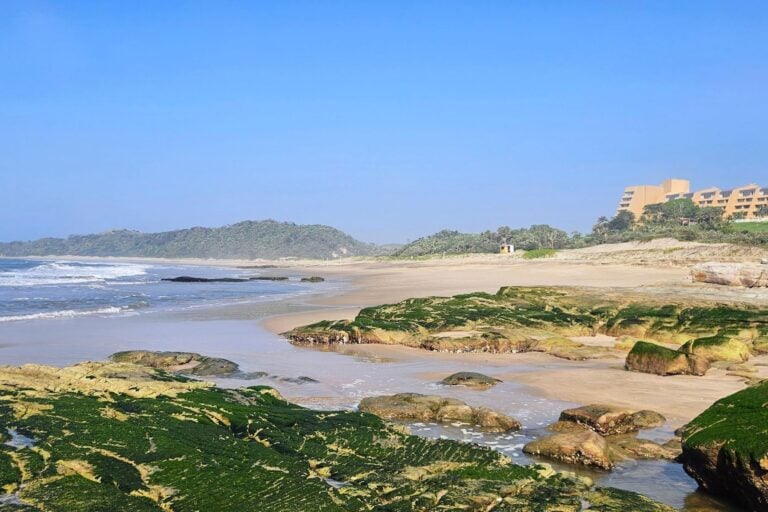
South Africa’s KwaZulu-Natal coastline is loved for its warm water, long sandy beaches and lush, tropical vegetation. It offers surf towns, fishing spots, stylish seaside restaurants and family resorts with swimming pools and entertainment.
KwaZulu-Natal (usually shortened to KZN) also makes for a great stop on a wider South African itinerary. It is often combined with a safari or a stay in the Drakensberg Mountains, a mecca for hiking and walking enthusiasts.
The province lies along the country’s east coast, between the Eastern Cape to the south and Mozambique to the north. Durban, its largest city, is an important transport hub and the main entry point for exploring the coast.
From there, the shoreline stretches in two directions. North towards the Dolphin Coast has fashionable beach towns. South towards the South Coast, you’ll find holiday resorts, river estuaries and seaside communities for a more old-fashioned beach holiday.
Where to Stay on the KwaZulu-Natal Coast
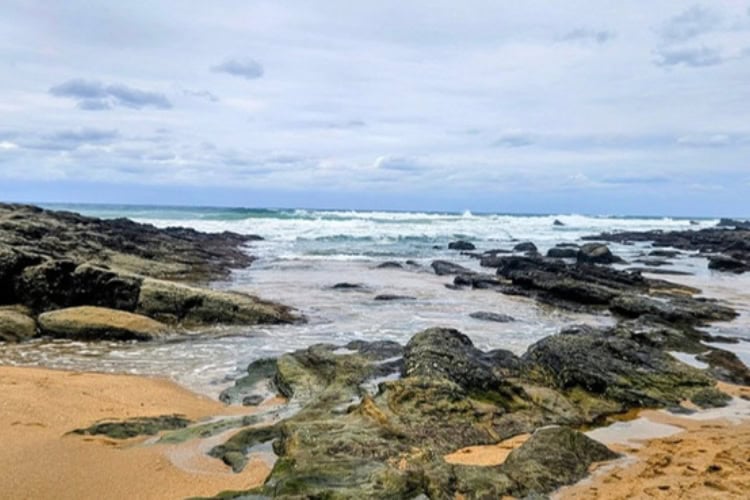
Choosing where to stay on South Africa’s KwaZulu-Natal coast is no easy task. There are so many options, and the experience can vary considerably depending on where you go.
The province’s coastline stretches for hundreds of kilometres. You’ll find everything from the developed beaches of Durban and Umhlanga to the upscale residential estates and boutique guesthouses around Ballito. Then there are the traditional holiday towns of the South Coast and the more rugged landscapes around Port Edward, where the landscape gives way to the Wild Coast.
Beachfront hotels, private villas, guesthouses, self-catering apartments, golf estates and large family resorts offer plenty to suit different budgets and travel styles.
The range is reflected in the region’s popularity with domestic travellers. According to Statistics South Africa’s Domestic Tourism Survey, KwaZulu-Natal was the country’s most visited province for overnight trips in 2024. This accounted for 17.8% of the total and ranked a close second behind Limpopo in 2025.
The Durban North Coast was among the country’s most visited overnight destinations, alongside the Drakensberg Mountains. The South Coast’s beach resorts and attractions also featured among the leading destinations.
Boutique Hideaway or Family Resort?
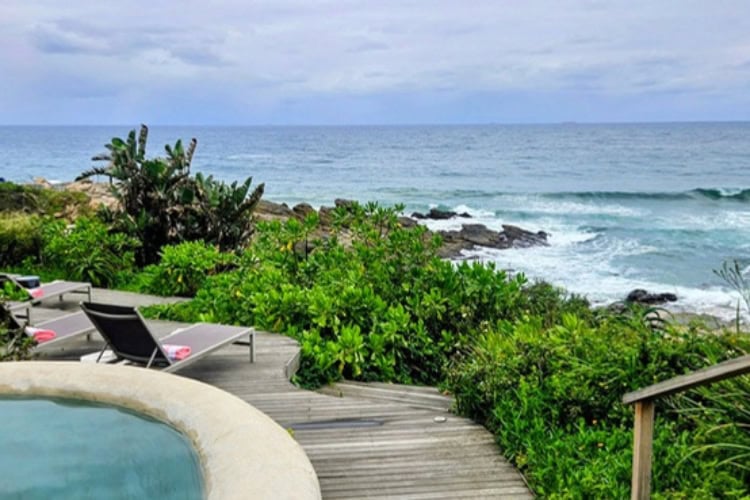
Two properties I recently visited illustrate this range particularly well. Sala Beach House in Ballito offers an intimate, design-conscious experience, with the ocean as the backdrop to a contemporary coastal guesthouse.
Farther south, Wild Coast Sun offers something different: a substantial family resort with pools, restaurants and plenty of entertainment.
A holiday here is all about deciding which version of KwaZulu-Natal suits you best. Or, combining various options for the best of both.
Ballito and the Dolphin Coast
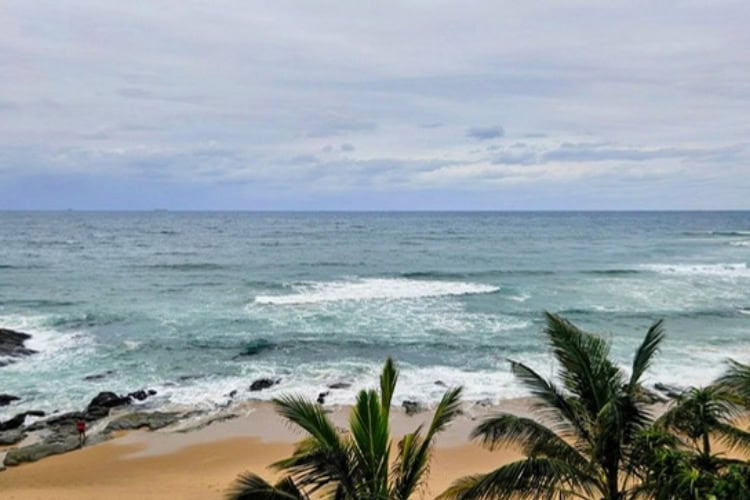
The KZN North Coast is known for newer residential developments, contemporary beach accommodation and easy access to the airport.
Ballito is about 40 minutes north of Durban by road, or just 20 minutes from King Shaka International Airport (the region’s main airport). It has grown from a laid-back seaside holiday town into one of KwaZulu-Natal’s most popular coastal destinations.
Its appeal is easy to understand. The beaches are broad, the ocean is warm enough for swimming and the surf and fishing are fantastic. A growing collection of cafés, restaurants, independent businesses and contemporary accommodation gives the area a polished but relatively relaxed atmosphere.
It is a practical base for those who want the comforts of a well-developed holiday destination and don’t want to venture too far off the beaten track.
Willard Beach, close to central Ballito, is a popular place to swim, bodyboard and spend a few hours in the sun. This is one of many swimming areas in Ballito that are protected by lifeguards seven days a week, making it appealing for families. However, conditions vary with the weather and swell.
Thompson’s Bay, in Shaka’s Rock just north of central Ballito, is another beach worth visiting. It is known for its large natural tidal pool, locally called Charlie’s Pool. Here you can swim and explore the marine life in the shallow water.
At the southern end of the pool, a natural opening in the rocks (known locally as Hole in the Wall) leads towards a smaller, quieter stretch of sand and some rock pools. Explore these at low tide, as the passage can become inaccessible when the water rises.
Staying at Sala Beach House
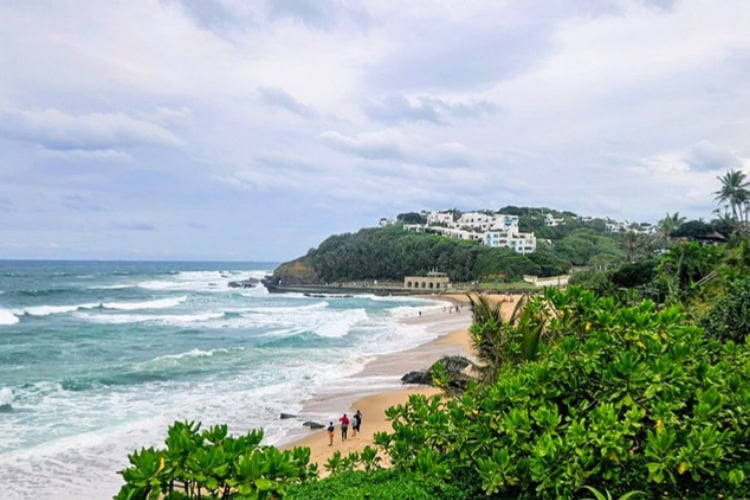
It is here that you will find Sala Beach House, a great example of what a Ballito stay can offer. This small boutique property offers direct beach access and views of the Indian Ocean.
It features seven individually decorated rooms and suites with a residential feel, while still providing access to amenities like a spa and full-service restaurant.
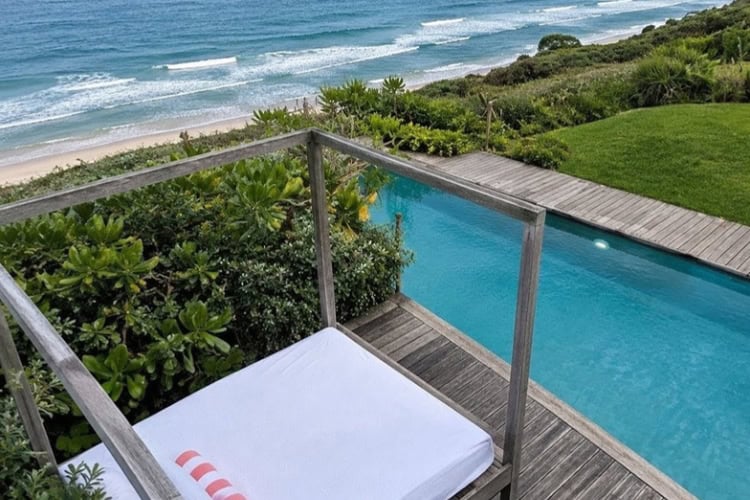
Families or small groups who want more space and privacy and prefer the option of a home-based stay will enjoy the three-bedroom Sala Beach Villa. The villa has its own kitchen, open-plan living and dining areas, a private plunge pool and a terrace overlooking the coast.
Here, you can feel like you live in Ballito while still enjoying the services of a private chef and butler.
Dining is an important part of a stay in Ballito. Sala’s menus, like many top restaurants in the area, highlight the cultural influences of KZN, drawing on African, Indian, European and French Mauritian influences. They use seasonal ingredients, local produce and freshly caught fish.
A stay at this part of the KZN coast is all about understated luxury, beach access and a growing food and hospitality scene, without the scale or busy atmosphere of a large resort.
Umhlanga and Durban
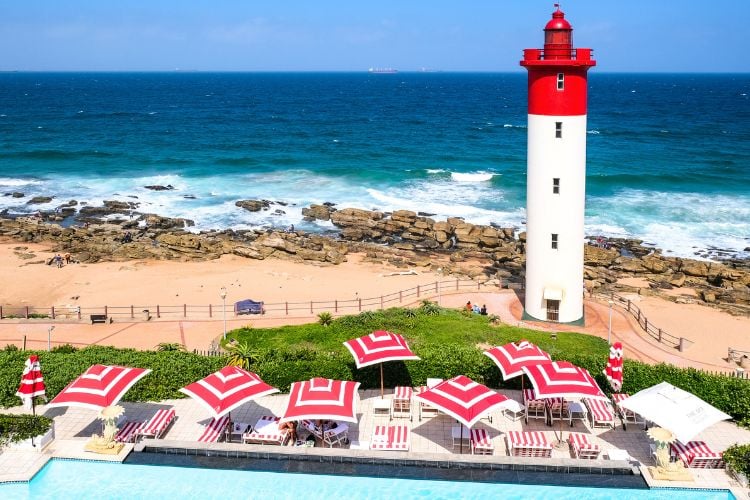
Continuing south from Ballito, the first major coastal stop is Umhlanga, a well-established seaside destination just north of Durban. It strikes a balance between the quieter feel of Ballito and the energy of the city.
Umhlanga has a popular beach, a promenade, the distinctive red-and-white lighthouse and the well-known Umhlanga Pier, which curves out over the ocean. It is an appealing area for morning walks, beach time and dining, with a wide choice of hotels, restaurants and cafés.
The broader area also includes the Gateway Theatre of Shopping, one of the region’s major shopping and entertainment centres.
Further south, Durban is one of South Africa’s biggest cities, with a strong Indian cultural influence, markets, curry houses and a long beachfront promenade known as the Golden Mile. Families may also enjoy uShaka Marine World, a large waterfront attraction combining an aquarium, shows and a water park.
But as far as a relaxing coastal holiday goes, I would be more inclined to choose Umhlanga or Ballito. Durban is a large, busy port city. The traffic, distances between attractions and the need to be aware of your surroundings can make it less appealing for holiday-makers.
No matter where you stay, though, it’s worth seeking out a curry house to try Durban’s famous bunny chow. This is a hollowed-out loaf of bread filled with curry, a local specialty with roots in the city’s Indian community.
The KZN South Coast
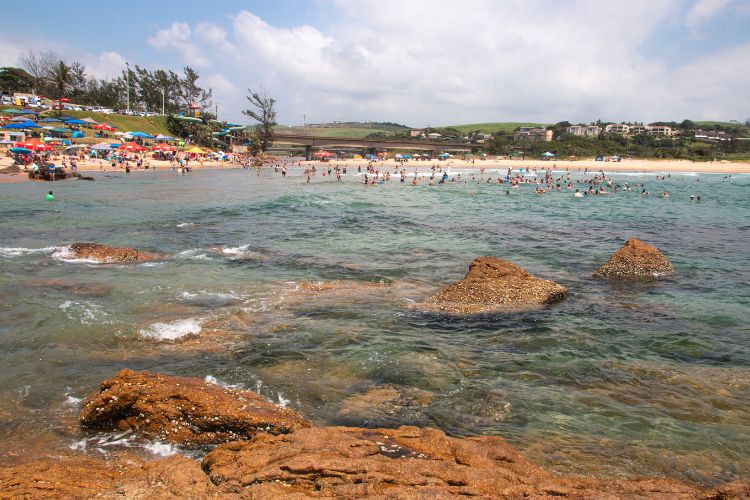
South of the city, the coastline is a succession of holiday towns interspersed with indigenous forest, river mouths, rocky headlands and long beaches.
Scottburgh is one of the more popular seaside towns on the South Coast, with a beach that attracts swimmers, surfers and families. The surrounding area has a mix of holiday accommodation, golf courses and small nature reserves.
Another major draw here is Aliwal Shoal, an offshore reef and marine protected area reached by boat from the Umkomaas area, north of Scottburgh. The reef is known for its marine life and shark-diving opportunities, including seasonal encounters with ragged-tooth sharks.
Farther south, the coastal villages of Margate, Shelly Beach, St Michael’s-on-Sea, Uvongo and Ramsgate offer beaches, tidal pools, holiday apartments and restaurants.
While the beaches are the main attraction, plenty of other activities are available between the towns, from waterfalls to walks, fishing charters, boating and seasonal whale watching.
The region also has a long-established golfing culture, with courses that combine coastal scenery and tropical vegetation. Families can enjoy plenty of outdoor activities, from horse riding to quad biking or visiting a local farmyard.
Farms, Gorges and Family Days Out
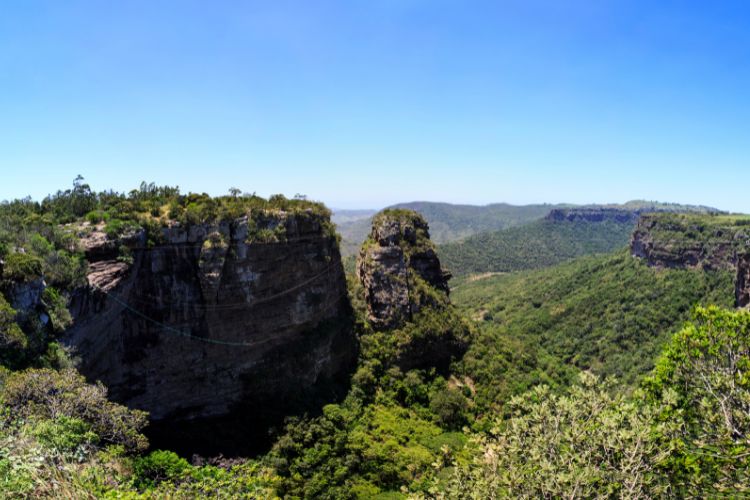
The South Coast is a region of small farms, indigenous forests and local food producers. Beaver Creek Coffee Estate near Port Edward is an example of the agricultural experiences that can add variety to a coastal itinerary. A guided visit offers insight into coffee production and a welcome change of pace from the beach.
A place like Mac Banana, on the other hand, offers children the chance to feed farm animals, see butterflies or enjoy activities like crazy golf, trampolining and paintball. Other local experiences in the area may include craft markets and cultural tours.
Inland from Port Shepstone on the South Coast, Oribi Gorge is another worthwhile day trip for anyone who wants more than a conventional seaside holiday. The gorge is a sight to see, with viewpoints and walking trails, while adventure junkies can enjoy ziplining, abseiling and a gorge swing.
The area also rewards birdwatchers, with a diverse range of species and opportunities to see Cape vultures on guided visits.
The best way to explore the South Coast is to choose one base rather than moving every night. The distances between the towns are relatively short. A three- or four-night stay can include several beaches, a restaurant or two and an inland excursion without turning the holiday into a constant packing exercise.
Accommodation options are broad. Holiday apartments are common and can offer excellent value for families or groups, especially when the cost is shared. Self-catering is a practical, affordable option on the South Coast, offering flexibility for meals and beach days.
Where the Wild Coast Begins
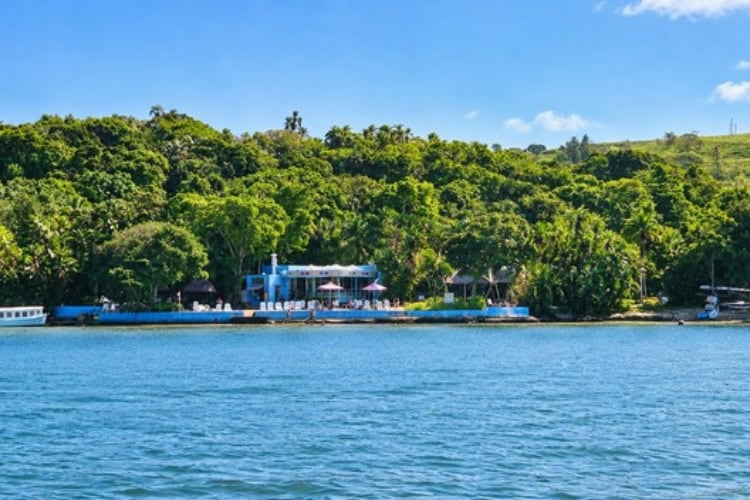
Near the southern end of KwaZulu-Natal, Port Edward sits close to the boundary with the Eastern Cape and the beginning of South Africa’s Wild Coast.
The scenery here feels more open and less urbanised, with wide beaches, rolling green hills and the Umtamvuna River forming a natural boundary between the provinces. It is a good area to visit if you want a mixture of coastal relaxation and outdoor activities.
For travellers looking for a self-contained resort, the main anchor at this end of the journey is Wild Coast Sun, set right where KZN meets the Eastern Cape.
This is a large resort designed to offer plenty to do without needing to leave the grounds. Accommodation, restaurants, pools, entertainment, golf, and a water park come together in one destination.
This makes it especially appealing to families and multigenerational groups. Children can look forward to plenty of water-based fun, while adults may prefer the spa, golf course or a quiet boat cruise.
The resort overlooks the Indian Ocean and has direct access to the beach, as well as the Umtamvuna River. Its scale is part of the attraction.
Wild Waves Water Park is one of the main draws, with rides and slides that cater to a range of ages and confidence levels. A lazy river and children’s areas are among the attractions.
The resort’s dining options are similarly varied. Panarottis and Spur offer familiar South African chain favourites. Maltos provides a poolside Mediterranean-inspired menu with options that include sushi.
The main Chicos restaurant offers an extensive breakfast buffet, as well as dinner on selected nights. There are also takeaway food outlets and places to stop for refreshments between activities.
Beyond the Resort: River, Reserve and Fossils
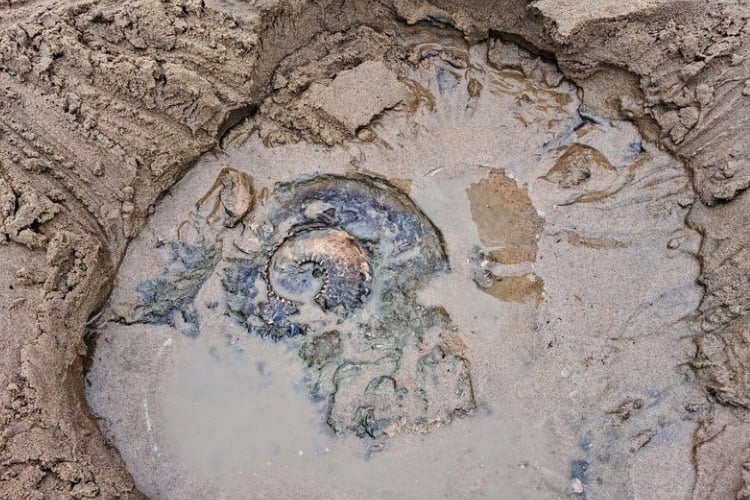
Although it is easy to spend your entire stay within the resort, the surrounding landscape deserves attention.
The Umtamvuna River is one of the area’s defining features and offers plenty of water-based activities at the resort, including boat cruises, kayaking, stand-up paddleboarding and tubing.
Umtamvuna Nature Reserve, a short drive away, is worth visiting for its scenery, plant life and birdwatching. The river and its gorge offer a scenic alternative to the open coast, with fishing opportunities and beach walks.
One particularly interesting excursion is a guided beach walk to the Petrified Forest, about two kilometres along the beach from Wild Coast Sun. Here, the shoreline reveals fossilised trees and ancient marine deposits dating back approximately 80 to 85 million years, to the Cretaceous Period.
The walk is best undertaken with a knowledgeable guide who can point out the fossils and explain their significance.
A stay here can also be used as a stepping stone into the Eastern Cape’s Wild Coast, where the coastline becomes increasingly rugged and rural.
Where to Stay
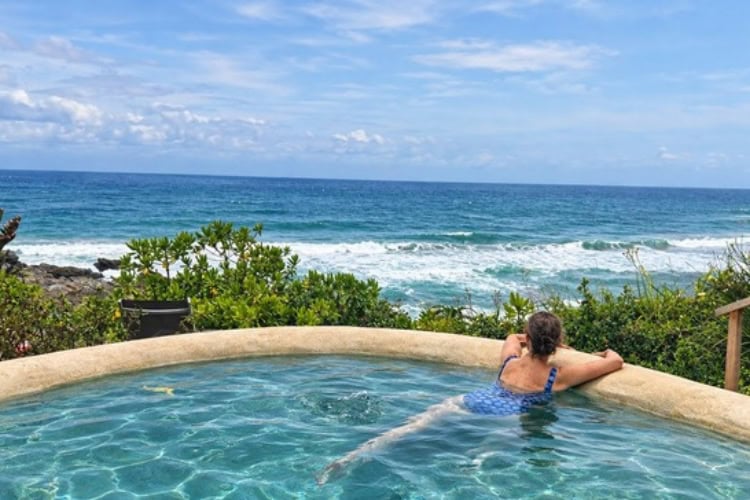
The contrast between Sala Beach House and Wild Coast Sun is a useful way to think about KwaZulu-Natal’s coastal options. Neither is inherently better, but they appeal to different travellers.
Sala Beach House on the KZN North Coast is perfect for those who want an upmarket, personal, boutique-style stay and a quieter, more independent kind of holiday.
Wild Coast Sun, on the South Coast route just over the provincial border in the Eastern Cape, suits those who want a broad range of facilities and activities and a more active holiday, with things like water parks, pools, golf, dining and entertainment.
Getting There and Getting Around
King Shaka International Airport, north of Durban, is the most convenient airport. International visitors may need to connect through Johannesburg or another major hub.
A rental car offers the most flexibility for exploring beaches, restaurants and inland attractions. Private transfers and Uber are also options if you don’t want to drive.
The N2 is the main north–south route, linking Ballito with the Durban area and the South Coast and continuing towards Port Edward.
Roads also run along the coast for a more scenic adventure, but conditions can vary. Watch for potholes, roadworks and changing speed limits. Also, take extra care after heavy rain, when flooding, damaged road surfaces, and poor visibility can make driving more hazardous.
If you plan to explore both the North and South Coasts, allow more time than a map’s estimated driving time suggests, especially during holiday periods.
When to Visit
KwaZulu-Natal is a year-round destination, but the experience changes with the seasons.
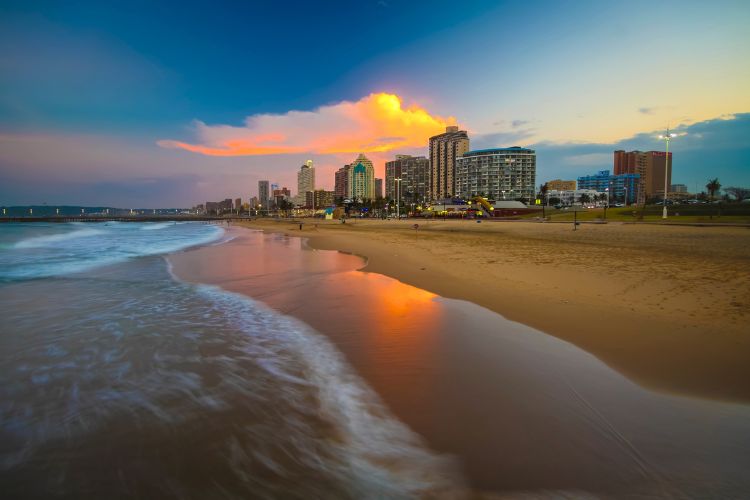
Summer, from December to February, is hot and humid and popular for beach holidays, but it is also a busy period for South African school vacations. KwaZulu-Natal has a predominantly summer-rainfall climate, with the wetter months generally falling between October and March.
Heavy downpours and thunderstorms are also possible in summer, so keep plans flexible and check the forecast before heading out on hikes or river excursions.
Autumn and spring can be pleasant for exploring. Winter is generally milder than in much of the country, although evenings can be cooler and sea conditions vary.
How Long to Stay
Allow at least three nights if you want to explore one coastal area without rushing. A week gives you time to combine the North and South Coasts, while ten days or more lets you stop in Durban and take an inland excursion to Oribi Gorge.
If you prefer not to change hotels frequently, choose one northern and one southern base rather than moving every night.
What to Pack
Lightweight clothing, swimwear, sun protection, towels, comfortable walking shoes, sunglasses and a rain jacket are useful throughout the year.
In summer, bring insect repellent and clothing suited to hot, humid weather. If you plan to hike or take part in adventure activities, pack appropriate footwear. Beach toys, an umbrella and a picnic blanket can be useful if you’re travelling with kids.
Practicalities
South Africa uses the rand (ZAR). Cards are widely accepted in established hotels, restaurants and shopping centres. However, carrying a little cash helps with small purchases, markets, and roadside stalls.
Confirm whether accommodation rates include breakfast and resort activities, and make reservations for popular restaurants or excursions in advance, particularly during the school holidays.
Only swim at beaches with lifeguards and follow flags and local instructions. Currents and surf can be strong. Do not assume that a beach is safe for swimming simply because other people are in the water. Also check local water-quality notices and beach closures, which can change.
Try not to pack too much into one itinerary. KwaZulu-Natal’s coast is best experienced with time to spare for walks, long lunches, an afternoon at the beach or spontaneous detours.
Need a hand planning your trip? Here are the sites and services we rely on most, from booking tools to travel products we love.
Inspire your next adventure with our articles below:
- Paarl: South Africa’s Secret Winelands Escape Where You Can Stay in Historic Wine Tanks
- How to See the Big Five Around Victoria Falls Without Blowing Your Budget
Author Bio: Janine Avery was born and bred in Cape Town, South Africa, and says there is nowhere she would rather call home. She is a lover of all things nature and loves to explore new places, enjoying any form of travel from basic tenting to lazing in luxury lodges. She also loves to dabble in digital marketing, spreading messages on social media, and taking audiences on a journey through her travel stories.
Want to discover more hidden gems and helpful travel tips? Join our free newsletter for the latest travel secrets and travel articles.
We are reader-supported and may earn a commission on purchases made through links in this article.
- South Africa’s KwaZulu-Natal Coast: From Ballito to the Wild Coast - November 25, 2026
- Zambia’s Busanga Plains: An Intimate Lion Safari in Kafue National Park - November 15, 2026
- A First-Timer’s Guide to South Africa’s Wild Coast - November 13, 2026
Planning another trip soon? ✈️
Add GoWorldTravel.com as a preferred source on Google. Click the button below so our local guides, packing hacks, and hidden-gem itineraries always show up first when you search!
Add to Preferred Sources