
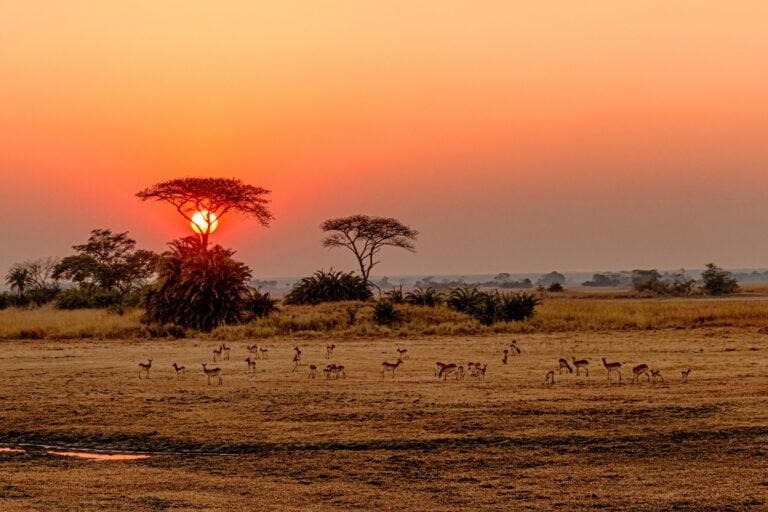
In the northern reaches of Zambia’s oldest and largest protected area, Kafue National Park, the Busanga Plains are a safari destination renowned for their large lion prides and incredible photographic opportunities.
In fact, the lions here have something of a cult following, largely thanks to National Geographic’s 2011 film Swamp Lions and the nature documentary The Lion Tree, both of which centered on the pride dynamics of the Busanga lions.
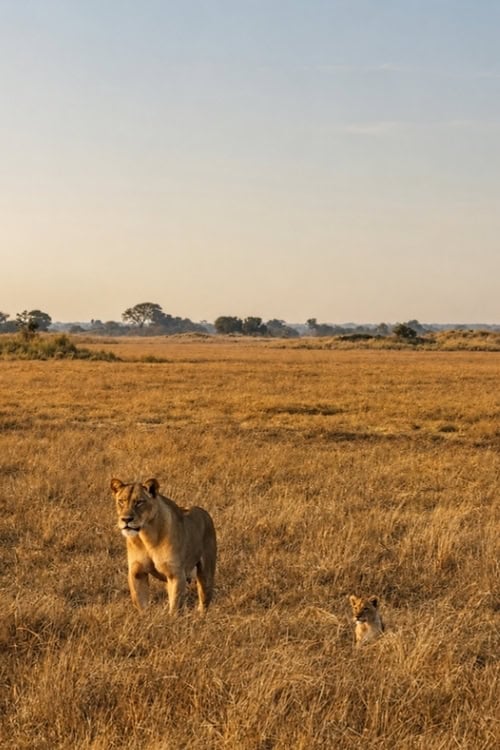
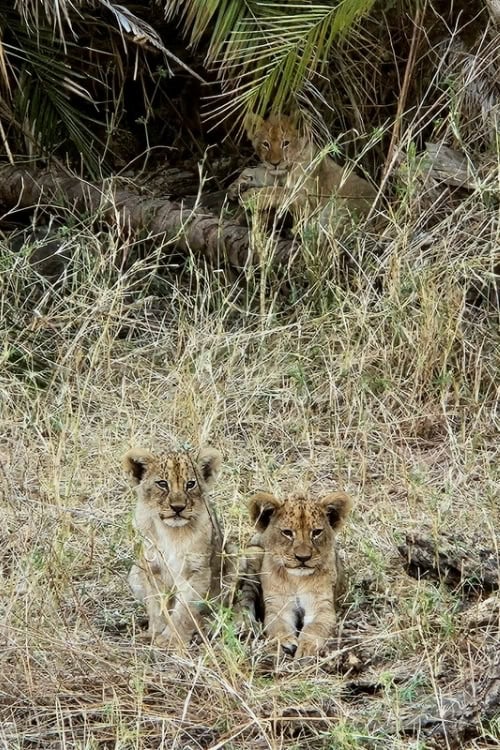
Few places in Africa make lions as central to the safari experience. Unlike many destinations where lions live in densely wooded or bushy habitats, the Busanga prides are easily visible in open grasslands.
For much of the year, Busanga is inaccessible to visitors as seasonal floodwaters cover the plains, but when the waters recede, immense expanses of fertile grassland are revealed, favored by large herds of herbivores, primarily lechwe and puku.
The abundance of prey, combined with the open terrain, creates exceptional conditions for predators, especially lions.
But the big attraction of a safari here isn’t simply the opportunity to see a lion or photograph one in beautiful surroundings, but to spend uninterrupted time with large prides and small cubs with few, and perhaps no, other vehicles around.
Where Are the Busanga Plains?
The Busanga Plains occupy a remote area of around 178,000 acres (1.5 times the expanse of Lake Tahoe), in the northern part of Zambia’s Kafue National Park, one of Africa’s largest national parks.
Kafue itself is enormous (some 15% bigger than South Africa’s famous Kruger National Park), but Busanga is a world unto itself.
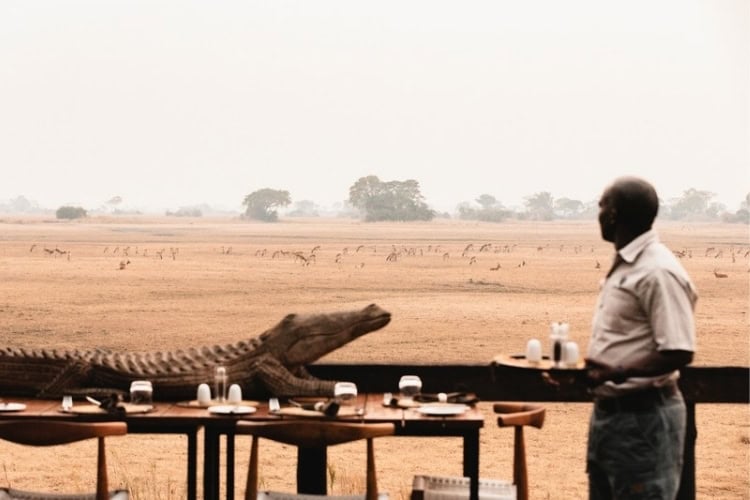
The exceptionally productive grazing here supports an impressive diversity of antelope, with about 20 different species found in the area. Lechwe and puku are the most prolific. These semi-aquatic antelope are perfectly adapted to the floodplain, and seeing hundreds of them spread across the grasslands is one of the defining images of a Busanga safari.
Early mornings can be particularly spectacular. As the mist lifts from the plains, herds of lechwe and puku can be photographed grazing alongside each other amongst the haze.
Search a little further, and the plains reveal a much wider variety of antelope. Roan and sable are exciting sightings, while wildebeest, zebra, oribi, waterbuck and other species can also be encountered.
Rarer species like sitatunga, Livingstone’s eland and Lichtenstein’s hartebeest can also be found here. In fact, on our safari, our guide was more excited about our eland sighting than about finding the cheetah.
The Lions and Predators of Busanga Plains
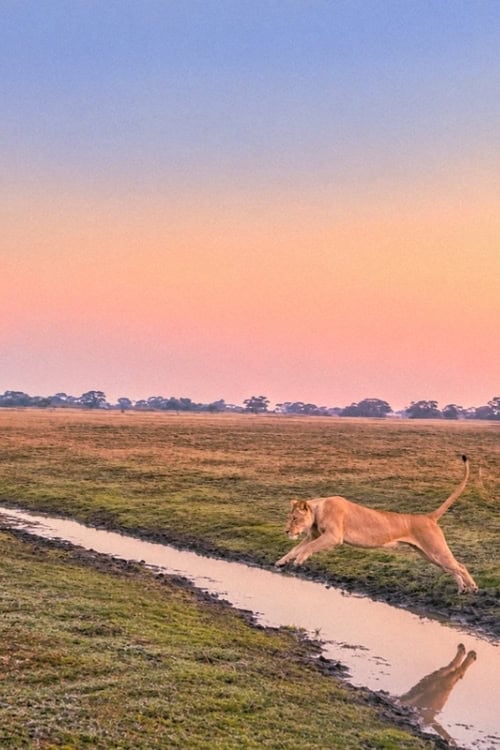
Photo by Janine Avery
Where there are huge numbers of prey animals, predators naturally follow.
Busanga is famous for its lions, with large prides regularly seen moving across the open grasslands. For many travelers, lions are the reason to come to Busanga. The open terrain makes them easier to observe than in many other safari areas, and individual prides and cubs can become familiar characters during a stay, even occasionally moving through camp.
Channels of water also remain between areas of dry ground, and lions are sometimes seen leaping across these waterways in pursuit of prey. Guides also know the local prides intimately and are able to give a complete rundown on the complicated relationships between resident males, lionesses and rival coalitions.
But lions are far from the only predators here. Cheetahs, leopards, hyenas and wild dogs can all be found moving through the area.
Other Busanga Wildlife
Buffalo and elephants can also be seen, especially in the surrounding woodland habitats, and the waterways are home to plenty of hippos and crocodiles.
This is one of the best places to see hippos out of the water, and one of our most memorable sundowners was spent overlooking a channel crowded with around 80 hippos, both in and out of the water. Among the adults were tiny calves, standing close to their mothers as we watched safely from a distance.
Birders also flock to Busanga. Among the species to look for are Fülleborn’s longclaw, wattled crane, grey-crowned crane, fish eagle and Böhm’s bee-eater. Even if you aren’t a dedicated birder, the birdlife adds another dimension to every game drive.
The cry of an African fish eagle across the floodplain is one of those sounds that is inseparable from my memories of Busanga.
Best Busanga Plains Camps
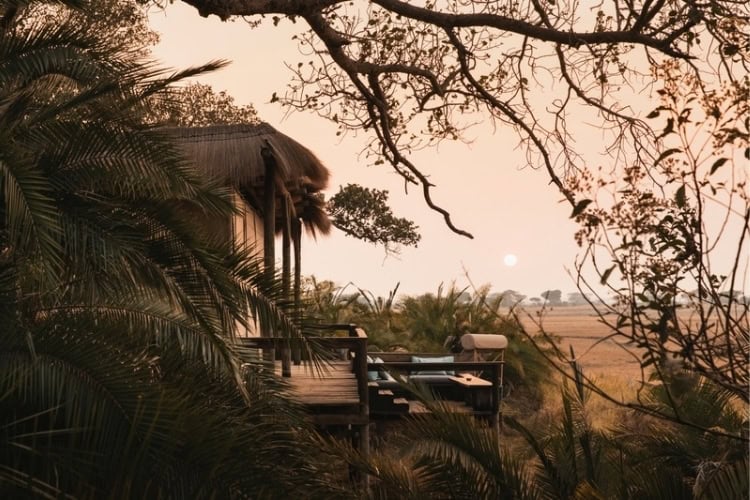
The Wilderness brand pioneered the safari experience in Busanga Plains, opening Wilderness Shumba and Busanga Bush Camp some 20 years ago.
Wilderness has maintained this presence in the Busanga Plains for two decades, operating camps in an ecosystem where tourism is only possible for a few months each year.
Their presence here matters. Because the plains are so remote, responsible tourism can play an important role in supporting conservation, giving this place a reason to remain protected and, of course, providing employment.
The staff working at these camps are some of the best in Busanga, with a few of the guides and team having worked here since the camps first opened their doors.
Wilderness Shumba
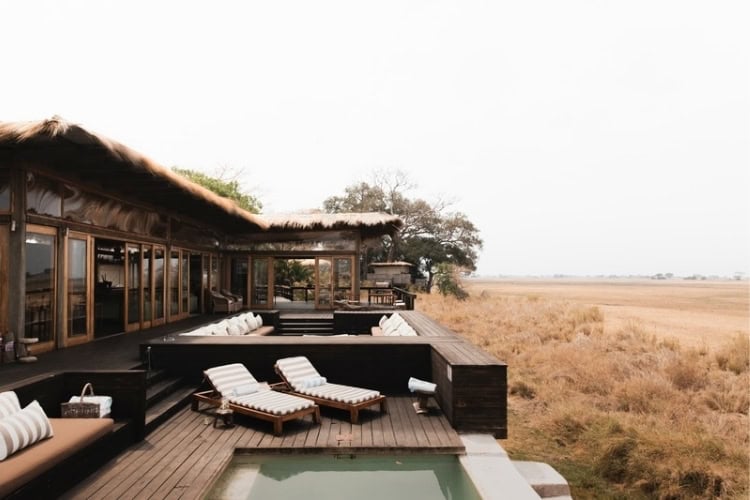
If you like a good level of comfort, Wilderness Shumba is a great choice for your Kafue safari. This luxury lodge features just six suites raised above the ground and connected to the main area by walkways.
Each open-plan room also features beautiful copper sinks (copper is Zambia’s primary export) and outdoor showers. But one of Shumba’s greatest luxuries is its position, overlooking a vast plain and the rising morning sun.
Wilderness Busanga Bush Camp
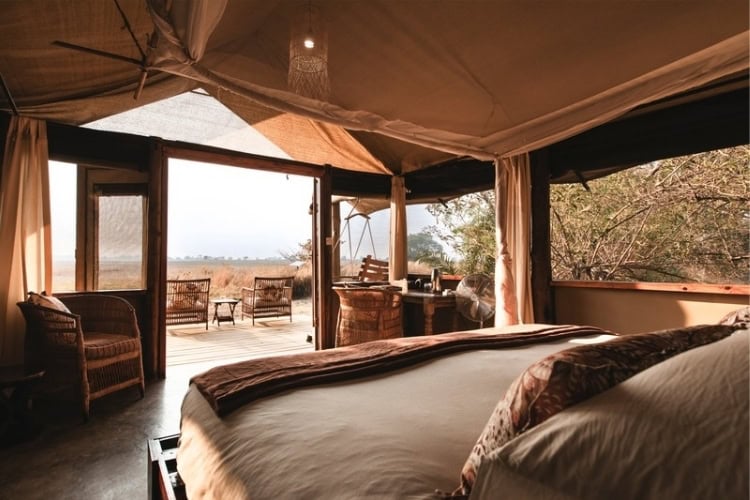
Photo by Teagan Cunniffe for Wilderness
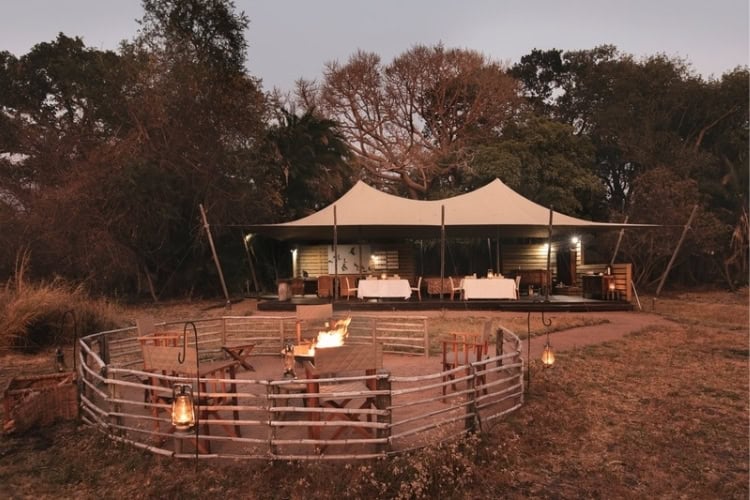
And where Shumba is the elegant safari offering, Wilderness Busanga Bush Camp is its more stripped-back sibling. With just four tents, it is deliberately intimate and retains a classic bush-camp atmosphere.
The emphasis is firmly on the wilderness rather than elaborate camp facilities. There is a separate raised pool, an open-air dining area and a comfortable communal fire-pit space, but its rustic nature is precisely its appeal. It’s for serious safari travelers who value authenticity.
Although, to be honest, the beauty of Busanga is that you don’t necessarily have to choose. The two camps are pretty close together, so you can spend a few nights at Busanga Bush Camp before treating yourself to the luxury of Shumba.
Busanga Safari Experience
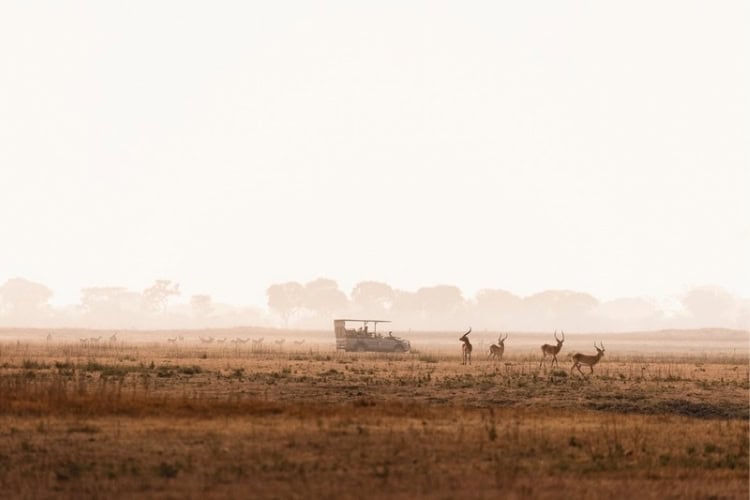
A typical day revolves around game drives. These are usually conducted in the early morning and late afternoon, when temperatures are more comfortable and wildlife tends to be particularly active. Morning drives are especially productive as the plains are often cooler and predators are on the move.
Then comes the heat of the day, when returning to camp for brunch, a little downtime, and even a swim makes perfect sense. In the afternoon, you head out again.
As the sun begins to drop, sundowners are served on the plains, followed by a return to camp as darkness deepens. This drive back after dark offers the chance to spot nocturnal species such as genets, servals and porcupines.
Guided walking safaris are also possible, although the focus is different. Walking in Busanga is about paying attention to the smaller details of the ecosystem: animal tracks, scat, insects, plants, birds and the intricate signs that are easily missed from a vehicle.
Importantly, walkers keep large predators in mind, aiming to stay far from big cats while safely experiencing the ecosystem at ground level.
Is Busanga Good for a First Safari?
Busanga is not the easiest or most conventional first safari destination. It is remote, seasonal and properly untamed. For a traveler who wants to tick as many animals off a list as possible, likes lots of infrastructure and plenty of activities, somewhere like South Africa or Kenya may be easier.
But for someone who wants their first safari to feel genuinely wild, Busanga is unforgettable. Wilderness’s Shumba is a good choice for a first-time safari traveler who wants comfort alongside the destination’s remoteness.
But for experienced safari-goers, Busanga Bush Camp offers a low-key experience that can become the highlight of a much longer African safari. “It provides everything you need. Nothing more, nothing less,” is how one traveler described it to me.
What the plains do offer any safari-goer is space and sheer unpredictability. The vast plains change throughout the season. Water disappears. New channels form. Animals move. Lions change territories. Cubs appear. Herds gather and disperse.
You aren’t simply visiting Busanga to see a particular animal, but to really experience what it means to be in the wild.
Best Time To Visit Busanga
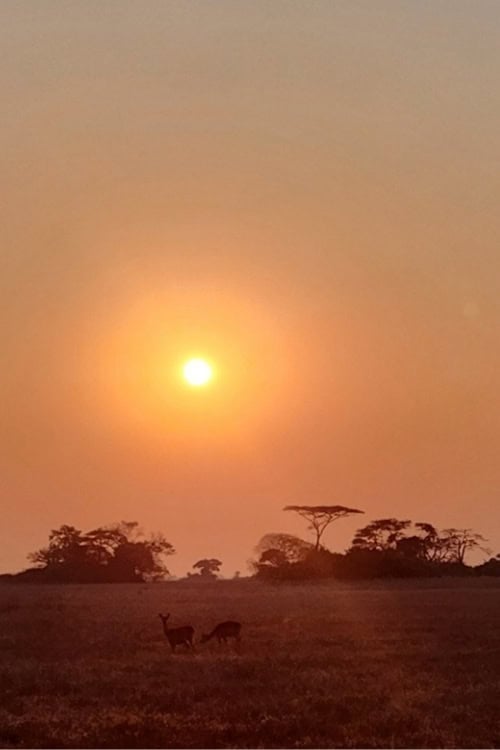
Photo by Janine Avery
The Busanga Plains are seasonal. The camps here operate only during the dry season, from June to October. During the rainy season, which is summer in the southern hemisphere, the plains flood and access becomes extremely difficult.
Early in the season, more water can remain on the plains. This can create beautiful conditions for photography, with reflections and greener landscapes, while boating may be possible depending on water levels. It is also a wonderful time for birding.
But the later dry season is often considered the classic Busanga experience. The plain becomes increasingly dry and golden; remaining water sources concentrate wildlife, and predators are easier to find.
By October, temperatures can be quite high, but wildlife sightings are still exceptional, and you have a chance of seeing larger herds of elephants in the area.
Busanga’s balloon season runs from August 1 to the end of October, with a one-hour flight followed by a champagne breakfast on the plains.
Planning Your Busanga Safari
I’d recommend spending at least three nights in the Busanga Plains, or four or five nights if Busanga is one of the main reasons for your trip.
The more nights you spend, the more you can dedicate entire game drives to one particular species or really great sighting, rather than running around after a checklist as one might do at other safari destinations.
One morning might be dominated by lions. The next could produce a cheetah hunt, a herd of roan or sable, or a trip to Kapinga Island to spot the rare Böhm’s bee-eater, an avian highlight of the area.
For serious wildlife photographers or travelers whose priority is lions, you could spend weeks here and fill up countless memory cards. You’ll find the daily interactions and developments of the pride hard to leave behind, wanting to stay, watch and wait to see what happens next.
What To Pack For Busanga
Early morning game drives can be chilly, while afternoons can become extremely hot, so layers are essential. Pack lightweight, neutral-colored clothing; a warm fleece or jacket for early-morning drives; a beanie and even gloves; comfortable closed walking shoes; a sun hat; sunglasses; a swimming costume and sunscreen.
Binoculars are also essential to a safari here, as you can see almost to the horizon, and a big part of the safari experience is spent scanning the surroundings with binoculars to see what might be on the plains.
Also don’t forget your camera, spare batteries, memory cards and a power bank, as you may be on a game drive for a long period and want to charge your devices.
Although most camps provide insect repellent you can pack your own if you prefer and try to avoid bright clothing as well as blue and black, as these colors can attract biting insects such as tsetse flies.
If You Go
Getting There
Because Busanga lies in the remote northern reaches of Kafue National Park, flying in is the only way to reach the camps. Flights can be arranged from Livingstone or Lusaka by light aircraft to the Busanga area, taking about one and a half hours, and the remote location is part of the appeal.
Where to Stay
- Wilderness Shumba is the more luxurious of the two Busanga camps, with six raised suites looking out over the plains.
- Wilderness Busanga Bush Camp keeps things simple with just four tents and a classic bush camp feel, ideal for experienced safari travelers.
Travel Insurance
Busanga is about as remote as safari gets, and a medical evacuation from a fly-in camp can be costly, so it’s worth making sure your policy covers it. Compare plans on Squaremouth to find coverage that fits your trip, or look into SafetyWing for flexible travel medical coverage.
Combining Your Trip
Combining Busanga Plains with other Zambian destinations is highly recommended. One easy combination is Busanga Plains and Victoria Falls.
Somewhere like Wilderness Toka Leya, near the town of Livingstone, upstream from the Falls on the banks of the Zambezi River, is a great place to stay before or after your trip to Kafue. Here, you can visit one of Africa’s great natural wonders and enjoy a wide range of other activities and experiences, such as game drives, walks, boating trips and cultural or community visits.
For a longer safari, Busanga can also be combined with destinations in neighboring Zimbabwe or onward adventures to Botswana.
Need a hand planning your trip? Here are the sites and services we rely on most, from booking tools to travel products we love.
Inspire your next adventure with our articles below:
- How to Plan Your Dream African Safari
- Why South Africa’s Waterberg Makes an Easy First Family Safari
Author Bio: Janine Avery was born and bred in Cape Town, South Africa, and says there is nowhere she would rather call home. She is a lover of all things nature and loves to explore new places, enjoying any form of travel from basic tenting to lazing in luxury lodges. She also loves to dabble in digital marketing, spreading messages on social media, and taking audiences on a journey through her travel stories.
Want to discover more hidden gems and helpful travel tips? Join our free newsletter for the latest travel secrets and travel articles.
We are reader-supported and may earn a commission on purchases made through links in this article.

- Zambia’s Busanga Plains: An Intimate Lion Safari in Kafue National Park - November 1, 2026
- A First-Timer’s Guide to South Africa’s Wild Coast - October 30, 2026
- Why Sea Point Is the Best Place to Stay in Cape Town - October 18, 2026
Planning another trip soon? ✈️
Add GoWorldTravel.com as a preferred source on Google. Click the button below so our local guides, packing hacks, and hidden-gem itineraries always show up first when you search!
Add to Preferred Sources