
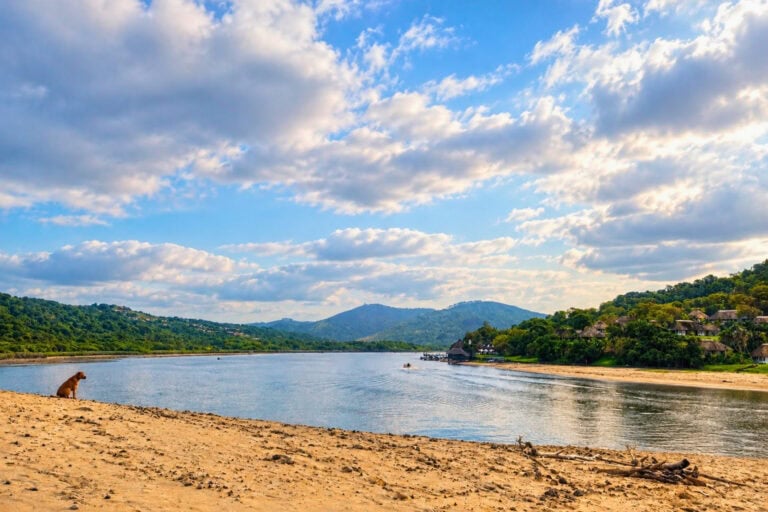
Most people have never heard of South Africa’s Wild Coast, let alone visited. In fact, many South Africans have never been. The name sounds like a marketing slogan, but it’s actually surprisingly accurate.
This is a place of empty beaches, where a long, rugged stretch of Indian Ocean coastline meets green hills, cut through by wide rivers. Donkeys, goats, and cattle wander freely on these hillsides, across roads, and even on the beaches, and traditional Xhosa homesteads sit among the grasslands.
Getting here is also a little bit wild. No double-lane highways connect villages. There are no rows of international hotel brands. You will not find a Starbucks or a McDonald’s, a marina full of yachts, or a manicured resort strip.
What you will find is a coastline where nature, rural life, and traditional communities still exist alongside real, genuine, down-to-earth tourism enterprises. Visiting here is part road trip, part cultural experience, part nature adventure, and part beach escape, with some of the country’s most spectacular coastal scenery as the backdrop.
Where The Wild Coast Is
The Wild Coast is in South Africa’s Eastern Cape province. It stretches roughly 250 kilometres (155 miles) from the Great Kei River in the south towards the Mtamvuna River in the north, where the Eastern Cape meets KwaZulu-Natal.
It is South Africa’s longest continuous stretch of undeveloped coastline, and while many venture here as part of an extended road trip, the Wild Coast is not a scenic drive in the traditional sense. Here, the N2, South Africa’s major east-coast highway, runs inland rather than along the ocean, and roads branch from it to individual coastal communities and beaches.
There is no single road where you can simply drive along the ocean. For visitors accustomed to America’s Pacific Coast Highway, Florida’s coastal roads, or even South Africa’s Garden Route, this takes some getting used to.
It is a destination you have to make an effort to reach. Roads can be potholed, dirt, and difficult to drive. Donkeys and cattle have the right of way. There are relatively few major towns, and fuel stops and facilities are few and far between. But that effort is part of what makes it special.
What The Wild Coast Looks Like
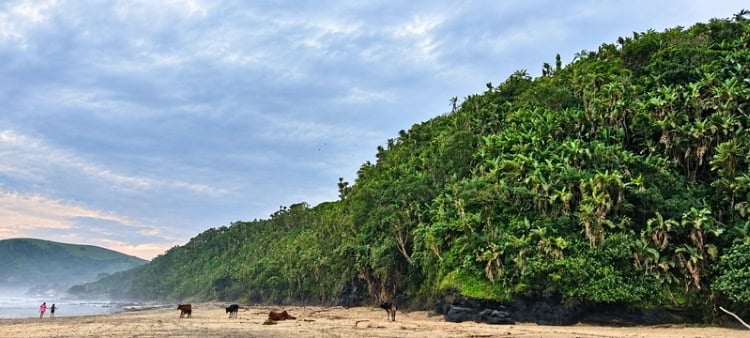
Imagine rolling green hills dotted with sheep, goats and cows. In many ways, it’s akin to the British countryside, yet very different. And yet, this isn’t wilderness in the African safari sense, where you might spend hours without seeing another person. The Wild Coast is inhabited.
People live here, farm here, fish here and travel between villages, as they have for generations, often in much the same way they did decades ago. Much of the region was historically part of the Transkei, one of the territories created under apartheid’s system of racial segregation, and the term is still commonly used by South Africans when talking about this part of the country.
Life On The Hillsides
Donkeys and horses graze freely along the road; barefoot children run after your car, begging for sweets, with dogs trailing behind; women walk with water balanced on their heads; and older boys gather to kick a soccer ball around on a makeshift pitch.
While it can be tempting to see the Wild Coast as a picturesque cultural attraction, it’s so much more than that. It’s home for so many South Africans; even plenty of Xhosa people working in the big cities still return here annually to visit the children and grandparents who occupy their traditional homes.
Where The Hills Meet The Ocean
But as you leave behind thatch-roof huts and hillside villages, these green hills give way to enormous stretches of sand, rocky cliffs, subtropical vegetation, river mouths and waterfalls. The ocean here is powerful. This coastline has claimed numerous ships over the centuries, and some beaches still contain wreck remnants.
Tourism Rooted In Community
That connection between the people and the place is also central to understanding the Wild Coast’s tourism industry. At Umngazi, for example, the hotel’s story is intertwined with the history of the surrounding area. What began as a small trading post developed into a family holiday destination, with generations of owners helping shape its place in the community.
Today, under the ownership of Pat Goss, who grew up in the area and, according to my hiking guide, speaks better Xhosa than many local people, Umngazi continues to welcome visitors, employ locals and draw on the knowledge, skills and hospitality of the surrounding communities.
This combination of difficult access, dramatic coastline, rural settlement, community entrenchment, and relatively limited development is what gives the region its character. And its name.
Where To Visit On The Wild Coast
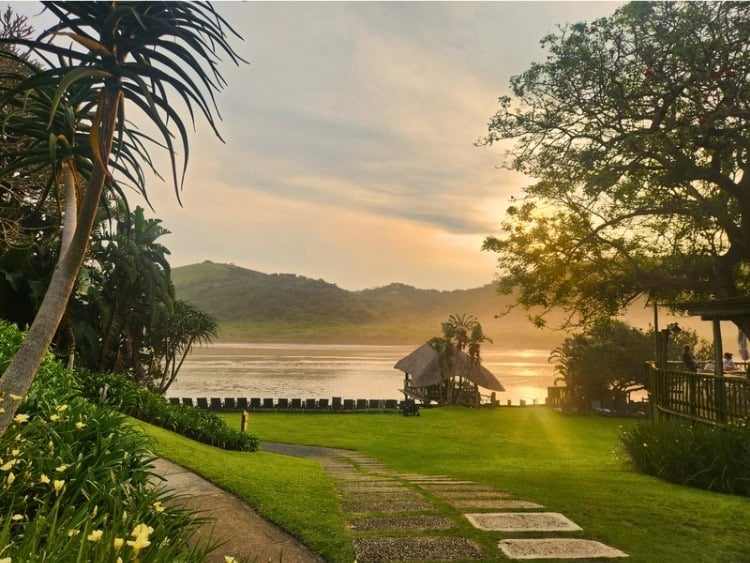
The Wild Coast is a collection of places, and choosing where to stay is one of the most important parts of planning your trip. Coffee Bay is one of the region’s best-known coastal villages, traditionally associated with backpackers and independent travelers.
The village is also a gateway to one of the Wild Coast’s most famous landmarks: Hole in the Wall. Local lore describes this massive natural rock arch in the sea as a gateway to the world of ancestors.
The region is also particularly rewarding for birders, and the marine environment is equally important. Marine protected areas protect parts of the coast, and the region’s rivers and estuaries are ecologically significant. Look for dolphins offshore, whales during the appropriate season, seabirds, kingfishers, coastal forest birds, marine life in rock pools, and monkeys in the trees.
Another popular destination is Port St Johns. Unlike many of the smaller Wild Coast settlements, Port St Johns is a proper town with a fascinating maritime history. The town’s name comes from the Portuguese ship São João, which wrecked along the coast, and the surrounding headlands offer some of the region’s best hiking.
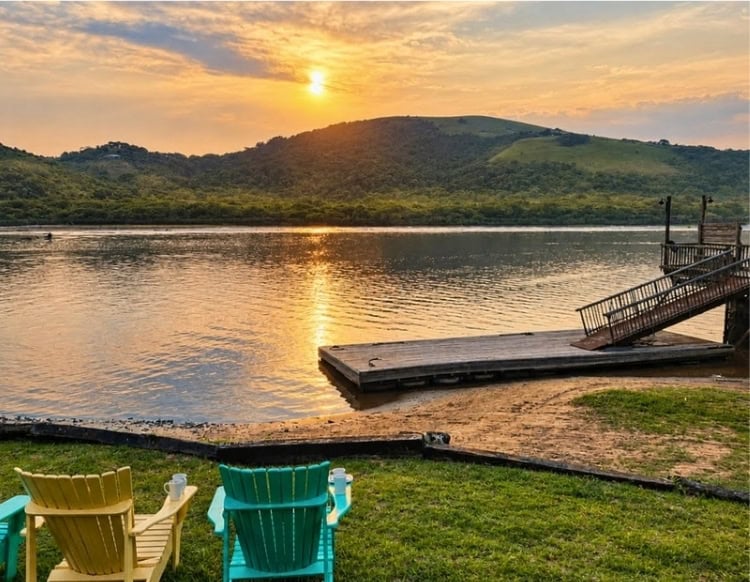
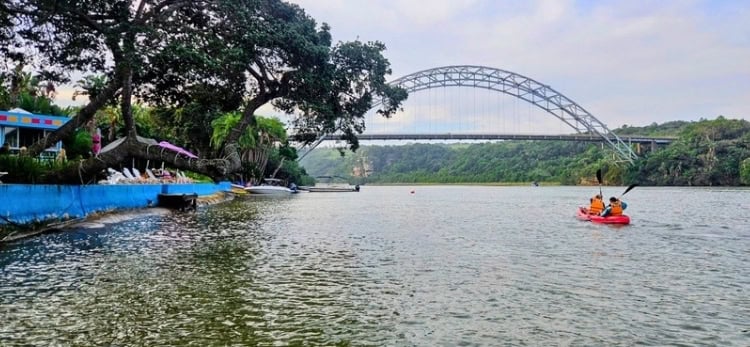
Around 12 km as the crow flies down the coast, you’ll find Umngazi. Umngazi appeals to travelers who want to get considerably further off the beaten track. The Mngazi River meets the sea here, offering canoeing, walking, fishing, river cruises, stand-up paddleboarding, and more.
And while remote, with an all-inclusive offering and hilltop spa, it offers one of the Wild Coast’s more luxurious escapes. But if luxury to you means having a beautiful beach almost to yourself, and falling asleep to the sound of the ocean, you’ll also find that here.
Hiking The Wild Coast
Umngazi is also a great place to go hiking, which is one of the best reasons to visit the Wild Coast. The coastline is ideal for walking, and long-distance trails have become one of the region’s signature experiences. For first-time visitors, the resort’s guided hikes are excellent options, with various options available every day, all led by a local guide.
A good local guide adds more than navigation. They can explain the landscape, identify plants, point out interesting geological features, and share insights into the history and traditions of the communities along the route.
The terrain can be surprisingly challenging, with steep hills, river crossings, and stretches of soft sand, so having someone who knows the area makes the experience both safer and more rewarding. You don’t need to be an experienced hiker to enjoy it, but a reasonable level of fitness and comfortable walking shoes will certainly help.
Family-Friendly Wild Coast
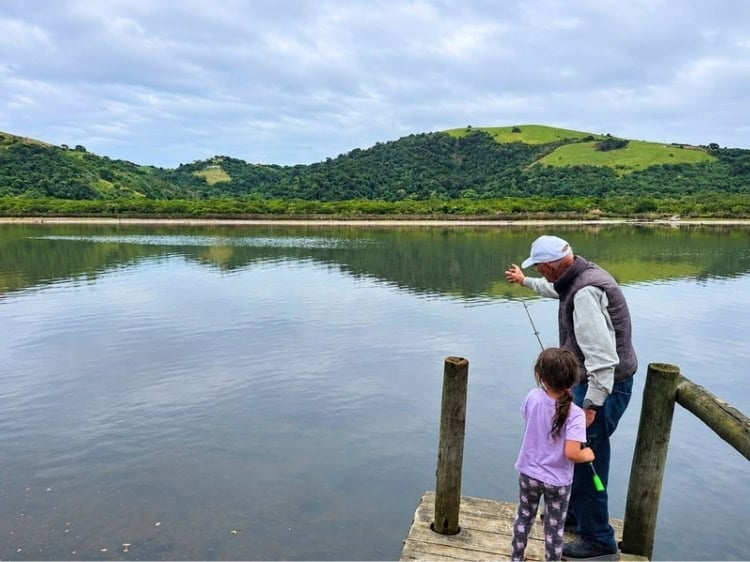
It’s also an exceptional destination for families. The Wild Coast is not universally easy with small children, with long road journeys, limited medical facilities, and wild beaches, but Umngazi turns this narrative on its head.
The resort has been welcoming generations of families for decades, and much of its appeal lies in the small details that make travelling with children easier. There is space to run around, a swimming pool, a beautiful beach, and a river that opens up a world of adventures. There’s also an extensive jungle gym, trampoline, and indoor lounge with table tennis, a creative corner area for crafts and games for smaller children, as well as a dedicated daily children’s programme offering supervised activities.
Depending on their age and interests, days might include beach games, outdoor adventures, arts and crafts, or discovering the natural world around the resort. There is plenty to do together as a family, too, whether that means heading out on the river, building sandcastles, zooming down the dunes on a sandboard, spending an unhurried afternoon by the pool, or enjoying afternoon tea and cake.
Stress-Free Dining At Umngazi
And food is another part of what makes Umngazi work so well for families. Its inclusive offering takes much of the stress out of travelling with children, particularly in a remote location where you cannot simply pop out to the shop or to find another restaurant. Breakfast, lunch and dinner are all included as well as tea and snacks twice a day. Children’s meals are served in a separate dining room earlier than the adults’, and it’s reassuring to know hungry children can be fed while parents enjoy their own food in peace.
The Wild Coast Sun Near Port Edward
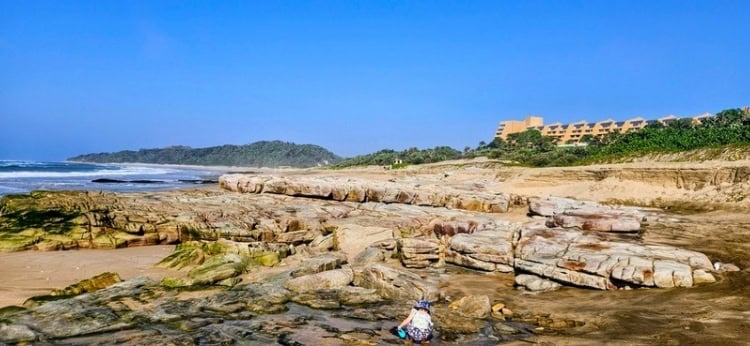
But Umngazi isn’t the only way to experience the Wild Coast. For those looking for something totally different, the Wild Coast Sun sits near Port Edward, close to the KwaZulu-Natal border, and offers a very different kind of coastal escape.
Where Umngazi is about getting away from it all, the Wild Coast Sun is about having plenty to do. It is a large, established resort with a hotel, numerous restaurants, a casino, a golf course, a spa and a wide range of family entertainment, from quad biking to horse riding, padel courts, and plenty in between. Its location also makes it considerably more accessible for visitors travelling from Durban and the KwaZulu-Natal South Coast, situated right where the Wild Coast begins.
Water Parks, River Fun And Dining
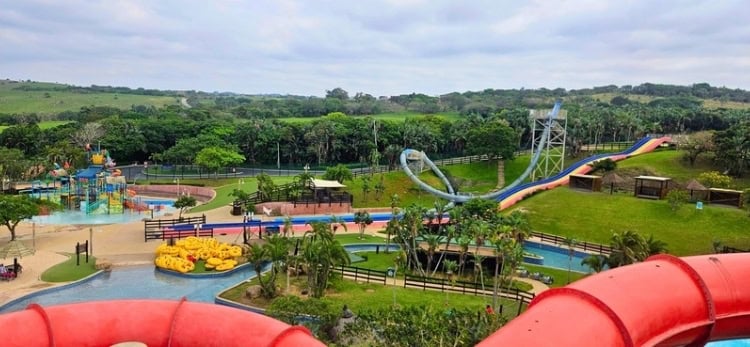
For children, the biggest draw is Wild Waves Water Park, with its slides, rides and pools. There is also an arcade, ten-pin bowling, water-based activities and other entertainment options. Parents can fit in a round of golf or a spa treatment, while families who prefer to stay together can spend their time swimming, exploring or enjoying the beach. Be sure to book a guided hike if you want to find some of the region’s famous marine fossils, including ammonites and even a petrified forest.
The Riverside is also a great place to head as a family. Set on the banks of the Mtamvuna River, here, families can hire kayaks and paddle boats, try water skiing or wakeboarding, take a ride on a speedboat or enjoy a more leisurely river cruise. The Riverside Beach Bar also serves food and drinks overlooking the water, making it a pleasant spot to unwind.
But there are plenty of other dining options, too. Chicos is the resort’s buffet restaurant, offering a range of dishes to suit different tastes, while Maltos brings a Mediterranean flavour to the mix with its Greek-inspired menu and its beautiful poolside setting. There are even casual take-away options for a quick, easy meal after a morning at the water park.
In many ways, the Wild Coast Sun makes a good introduction to the region, particularly for families who want a taste of the Wild Coast without committing to the longer journeys and more remote stays that define much of the coastline. It offers a gentler transition from city life, with familiar comforts and plenty to keep everyone entertained, while still providing access to the beaches and coastal scenery that make this part of South Africa special.
For those with limited time, or travelling with young children who may not yet be ready for hours on winding roads, it is a practical way to experience the area.
Planning Your Wild Coast Trip
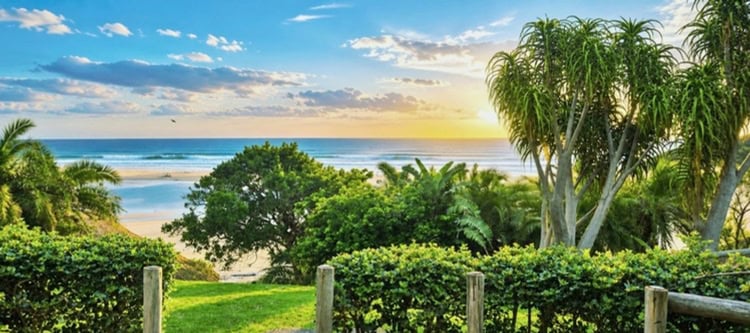
You can’t casually add the Wild Coast to a South African itinerary for one night. You need to plan for it.
Getting To The Wild Coast
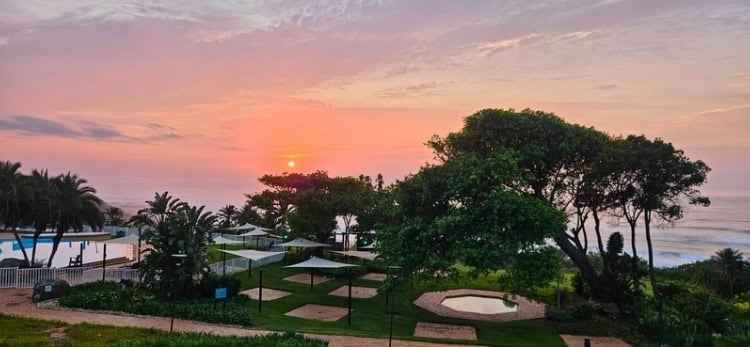
You can’t fly directly from New York, Los Angeles, or Chicago to the Wild Coast. Most international visitors enter South Africa through one of its major international gateways, particularly Johannesburg or Cape Town, and then connect domestically.
For a Wild Coast itinerary, East London, Gqeberha, Mthatha, or Durban all have domestic airports, and the right one depends on which section of the coast you are visiting. You might also combine it with a safari in the Eastern Cape or KwaZulu-Natal, which creates an interesting contrast between inland wildlife and coastal landscapes.
If you’re spending time in Cape Town before or after, consider basing yourself in Sea Point.
Driving The Wild Coast
If you plan to self-drive or make the Wild Coast a stop in a bigger South African road trip, bear in mind that the roads require patience, with potholes and wandering animals as continuous hazards. Some remote tracks are only suited to high-clearance or four-wheel-drive vehicles, so compare SUV and 4×4 rentals on Discover Cars before you commit to anything that sits low to the ground.
Don’t drive fast and certainly don’t drive at night. Also, do not rely exclusively on Google Maps but rather rely on local knowledge and directions from your chosen accommodation establishments.
Choosing Where To Stay
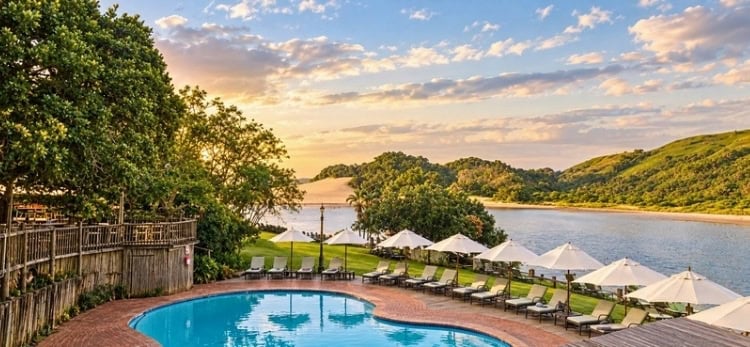
The Wild Coast has everything from backpacker lodges and campsites to comfortable guesthouses, cottages, eco-lodges and a handful of more upscale properties. Some properties are deliberately rustic, without even reliable electricity or hot water, never mind Wi-Fi and a restaurant. For some travelers, that is the best part; for others, it’s an uncomfortable surprise.
For a more comfortable introduction to the region, Umngazi offers individual bungalows in a leafy setting between the river and the sea. Accommodation options vary in size and layout, making it possible to find something suitable for couples or families, and the inclusive approach to meals and activities takes much of the guesswork out of a remote coastal stay.
The Wild Coast Sun, by contrast, offers the facilities and room choices of a large resort. There are garden- and sea-facing rooms and family rooms that offer plenty of space for parents and children to share.
Its restaurants, entertainment and recreational facilities make it a convenient choice for travellers who want a beach holiday with plenty of activities close at hand, and the sea-facing rooms at the Wild Coast Sun let you wake up to the Indian Ocean right outside your window.
How long to stay: Three or four nights is the absolute minimum I would dedicate to a stay on South Africa’s Wild Coast. Five to seven nights allows you to combine several areas or really sink into the slower pace of life here. And if hiking is the reason you are coming, you may want considerably longer, especially if you plan on partaking in one of the region’s beautiful multi-day hiking trails.
When To Go And How Long To Stay
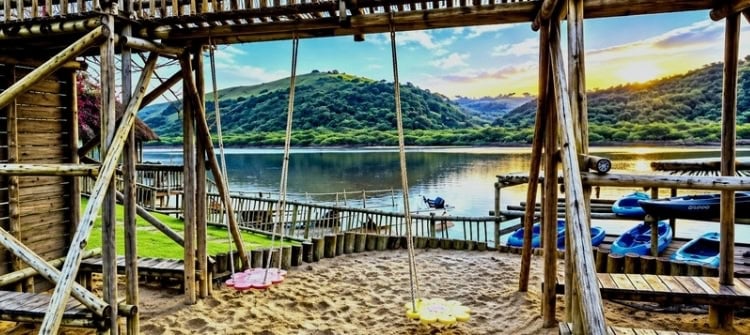
The Wild Coast is a year-round destination, and the region has a generally mild climate, with a wetter period during the warmer Southern Hemisphere summer months. Winter also brings the possibility of whales and, depending on conditions, the Sardine Run. For hiking, the cooler and drier weather can be preferable. For swimming and warm-weather beach time, summer has obvious advantages, but the trade-off is that summer rainfall can make rural roads more challenging. The shoulder seasons of September/October and April/May can offer the best of both.
What To Pack
Essentials include comfortable walking shoes, sandals, a swimsuit, lightweight layers, a warm layer for evenings, a sun hat, sunscreen, insect repellent, and a small daypack. Other things that you might find useful would be a flashlight or headlamp, binoculars, and beach toys if you are travelling with children.
South Africa uses the rand (ZAR), and credit cards are widely accepted in established businesses, but don’t assume every remote lodge, restaurant, or small shop will have a functioning card machine. Always carry cash for rural areas and tipping.
Staying Safe On The Wild Coast
The Wild Coast rewards visitors who arrive prepared and are willing to adapt.
Don’t underestimate walking distances. Be careful where you swim, as riptides and strong currents may be present. Avoid travelling after dark. Ensure you have enough fuel, cash, and water, as stops can be few and far between. Book reputable accommodation and guides. Tell someone where you are going if hiking. Download offline maps before leaving. Carry a power bank. And don’t assume that your cellphone will work everywhere.
Travel insurance is essential for any trip, offering peace of mind and protection. Explore options with SafetyWing or SquareMouth to find the coverage you need.
Above all, come with a flexible itinerary and realistic expectations. Roads may take longer than anticipated, the weather may change your plans, and some of the best experiences are the ones you hadn’t even thought of.
Need a hand planning your trip? Here are the sites and services we rely on most, from booking tools to travel products we love.
Inspire your next adventure with our articles below:
- Wellington, South Africa: A Peaceful Cape Winelands Base for Wine, History and Bainskloof Pass
- Two Sides of Cape Town: Table Mountain Trails, Winelands Dawn and Township Voices
Author Bio: Janine Avery was born and bred in Cape Town, South Africa, and says there is nowhere she would rather call home. She is a lover of all things nature and loves to explore new places, enjoying any form of travel from basic tenting to lazing in luxury lodges. She also loves to dabble in digital marketing, spreading messages on social media, and taking audiences on a journey through her travel stories.
Want to discover more hidden gems and helpful travel tips? Join our free newsletter for the latest travel secrets and travel articles.
We are reader-supported and may earn a commission on purchases made through links in this article.

- A First-Timer’s Guide to South Africa’s Wild Coast - October 30, 2026
- Why Sea Point Is the Best Place to Stay in Cape Town - October 18, 2026
- Why South Africa’s Waterberg Makes an Easy First Family Safari - October 16, 2026
Planning another trip soon? ✈️
Add GoWorldTravel.com as a preferred source on Google. Click the button below so our local guides, packing hacks, and hidden-gem itineraries always show up first when you search!
Add to Preferred Sources