
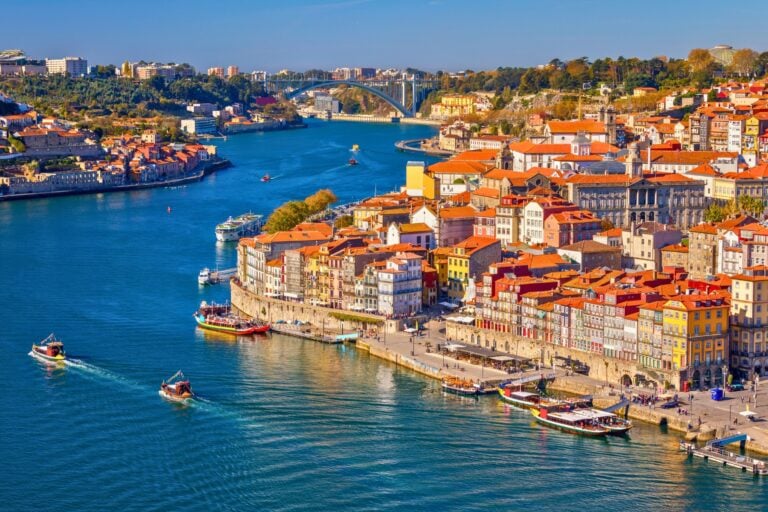
Portugal welcomed a record 29 million tourists in 2024, and it’s easy to see why. This country on Europe’s western edge delivers everything from medieval cities frozen in time to beaches where surfers ride the planet’s most monstrous waves.
Whether you’re drawn to port wine cellars carved into ancient hillsides, cobblestone streets lined with azulejo tiles, or the raw power of the Atlantic, Portugal rewards travelers who venture beyond the typical tourist trail.
Here’s where to go for the experiences that make Portugal unforgettable.
1. Lisbon: Where History Meets the Tagus
Lisbon has long been turning heads, and it welcomed 6.54 million international visitors in 2024. The Portuguese capital sprawls across seven hills overlooking the Tagus River, and those hills give you panoramic views at nearly every turn.
Start at Castelo de São Jorge, the Moorish castle that’s watched over the city since the 11th century. Entry costs €15 for adults, but your ticket includes guided tours of the castle and the archaeological site.
It also includes the Camera Obscura in Ulysses Tower, where you get real-time 360-degree views of Lisbon through an optical system of lenses and mirrors.
Book tickets online at least a week ahead during peak season. The castle opens daily at 9 AM (closing at 6 PM in winter, 9 PM in summer).
The walk to the castle through the Alfama district is half the experience. This is Lisbon’s oldest neighborhood, where narrow alleys twist past colorful houses and locals lean from wrought-iron balconies.
Stop at Miradouro de Santa Luzia or Miradouro da Senhora do Monte for viewpoints that’ll make your Instagram followers jealous.
Down by the river in Belém, you’ll find two UNESCO World Heritage sites: the Jerónimos Monastery and the Tower of Belém.
But don’t leave this neighborhood without trying a pastel de nata at Pastéis de Belém. They’ve been making these custard tarts since 1837 using a secret recipe, and yes, they’re worth the line.
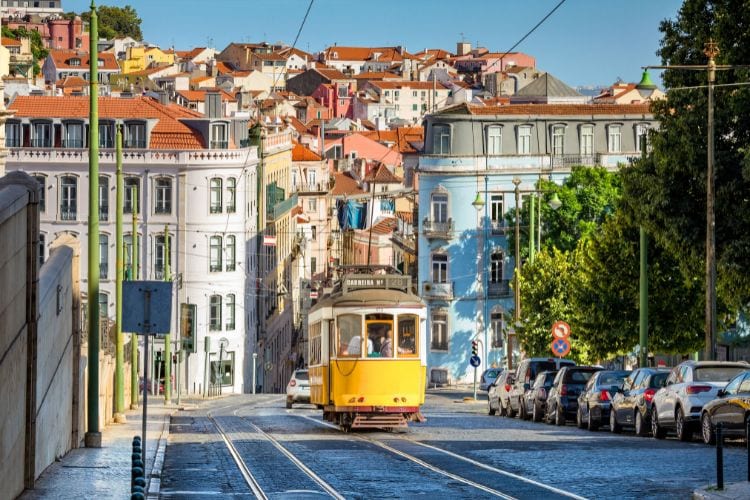
For the full Lisbon experience, ride Tram 28 through the historic districts. The century-old yellow trams climb steep hills and squeeze through streets so narrow you can almost touch the buildings from your window seat.
Top Hotel Picks in Lisbon
2. Porto: Port Wine and Riverside Charm
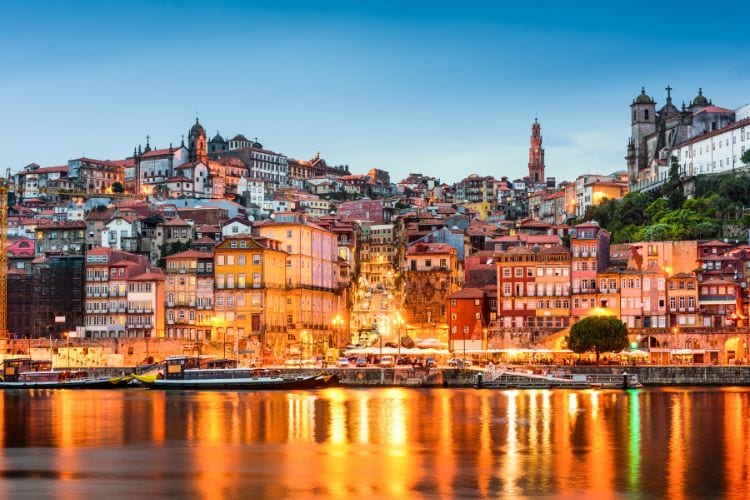
Porto claims the title of Portugal’s second-largest city, but it feels more intimate than Lisbon. The historic Ribeira district along the Douro River is a UNESCO World Heritage Site, where colorful buildings stack up the hillside and boats bob in the water below the iconic Dom Luís I Bridge.
Cross that bridge to Vila Nova de Gaia, where port wine has been aging in cellars since the 18th century.
These aren’t just any wine cellars. They’re historic lodges like Graham’s (founded 1890), where you can tour underground aging rooms and taste vintage ports while overlooking the Porto skyline. Taylor’s, established in 1692, offers guided tours from €10-15, and their terrace views are spectacular.
For something different, visit Cockburn’s, the only cellar in Gaia that still has a working cooperage where craftsmen hammer oak barrels together. Tours run hourly and include tastings of their world-renowned ports.
Ferreira, founded by the legendary businesswoman Dona Antónia Adelaide Ferreira in the mid-1800s, combines a small museum with cellar tours in a historic 250-year-old space.
Back in Porto proper, the São Bento railway station deserves a stop even if you’re not catching a train. Its entrance hall features 20,000 azulejo tiles depicting Portuguese history, and they’re breathtaking.
The Livraria Lello bookstore, with its crimson staircase and neo-Gothic interior, reportedly inspired J.K. Rowling during her time teaching in Porto.
3. The Douro Valley: UNESCO Wine Country
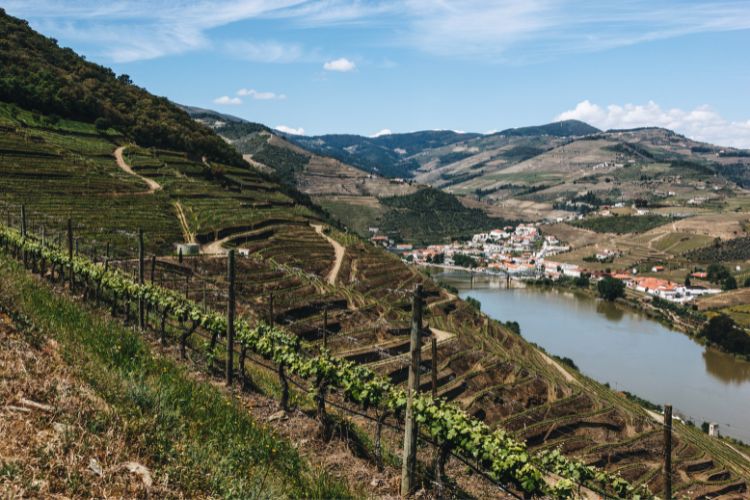
An hour east of Porto, the Douro Valley transforms into something out of a medieval painting. This UNESCO World Heritage Site has been producing wine for 2,000 years, and the terraced vineyards that climb impossibly steep hillsides display generations of backbreaking work.
The region between Peso da Régua and Pinhão is where you’ll find the highest concentration of quintas (wine estates).
Quinta Nova and Quinta do Bomfim offer tours, tastings, and some properties let you stay overnight in manor houses overlooking the valley. The train from Porto to Pinhão follows the river through dramatic gorges; it’s one of Europe’s most scenic rail journeys.
Port is the signature product here, a fortified wine created by stopping fermentation with brandy. But modern Douro producers are also crafting exceptional table wines, both red and white.
Many quintas offer “winemaker for a day” experiences where you can blend your own wine.
Visit during harvest season (September to October) if you want to see the valley at its most alive, though spring brings almond blossoms that paint the hillsides pink and white.
4. Sintra: Romantic Palaces in the Hills
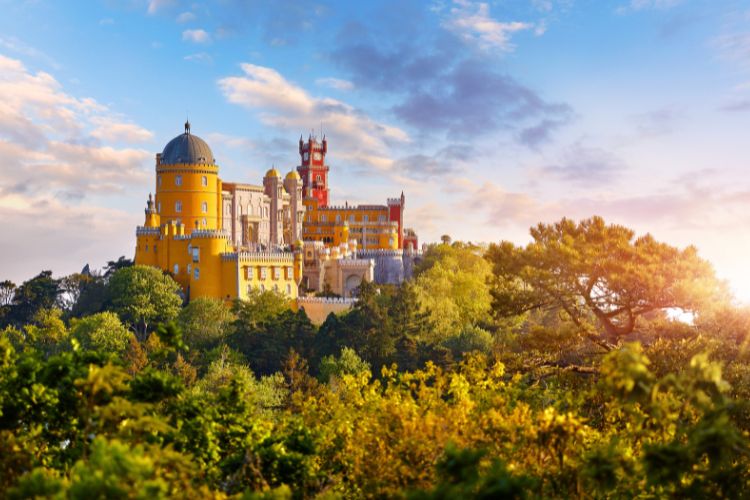
Thirty minutes west of Lisbon, Sintra feels like it belongs in a fairy tale. The entire Cultural Landscape of Sintra was designated a UNESCO World Heritage Site in 1995, recognizing how this mountain town became the birthplace of European Romantic architecture.
The star attraction is Pena Palace, a wildly colorful confection of turrets and towers that King Ferdinand II built atop the ruins of a 16th-century monastery.
Its mix of Gothic, Moorish, and Manueline styles shouldn’t work together, but somehow it does. The palace sits at the top of a steep hill, but if walking isn’t your thing, there’s a shuttle bus from the entrance.
The Castle of the Moors, built in the 8th and 9th centuries, snakes across another hilltop with granite walls that seem to grow from the rock itself. The 450-meter circuit of battlements offers stunning views over Sintra and out to the Atlantic. Entry typically costs around €8, and it opens daily at 9:30 AM.
Don’t skip Quinta da Regaleira, an early 20th-century estate with a mysterious Initiation Well that spirals 27 meters underground. The gardens hide grottos, fountains, and secret tunnels. It’s delightfully weird.
Book tickets for all Sintra attractions at least a week in advance during the summer. The bus 434 loops between sites, though expect crowds. Better yet, visit on a weekday morning in shoulder season.
For a hassle-free way to explore Sintra and nearby Cascais, this small-group day trip from Lisbon offers guided visits to Pena Palace, free time in Sintra, and a scenic drive along the Atlantic coast to Cabo da Roca and Cascais.
5. Coimbra: Portugal’s Oxford
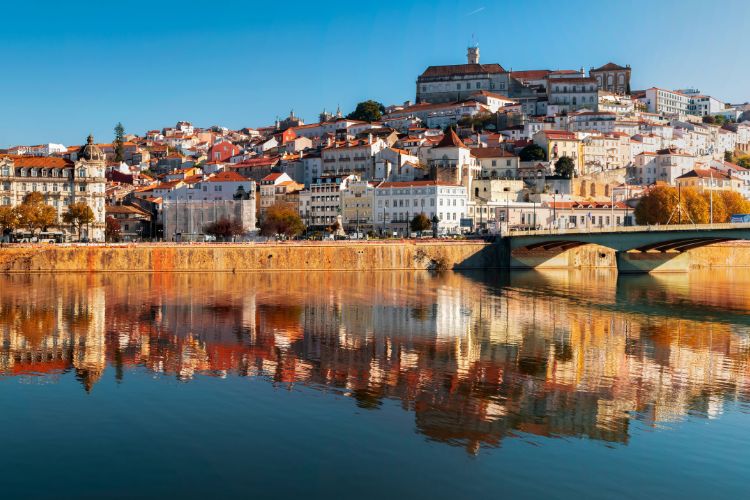
Halfway between Lisbon and Porto, Coimbra rises in tiers from the Mondego River to its historic university on the hilltop.
The University of Coimbra – Alta and Sofia was designated a UNESCO World Heritage Site in 2013, recognizing its role as one of Europe’s oldest universities (founded in 1290) and its influence on Portuguese-speaking countries worldwide.
The crown jewel is the Joanine Library, a Baroque masterpiece completed in 1728. Its three ornate rooms house 60,000 books, and yes, the library really does employ bats to eat insects that might damage the ancient texts.
University tickets cost €15 and sell out fast, so book a month ahead during peak season.
Walking Coimbra’s steep streets takes effort, but that’s part of the charm. Students still wear traditional black cloaks, and on certain evenings, you might catch fado performances. Coimbra’s academic version of Portugal’s traditional music sounds more refined than Lisbon’s earthier style.
The Cathedral (Sé Velha), begun in 1186, is one of Portugal’s finest Romanesque buildings. Its fortress-like appearance reflects a time when churches needed to double as defensive positions.
6. The Algarve: Portugal’s Beach Playground
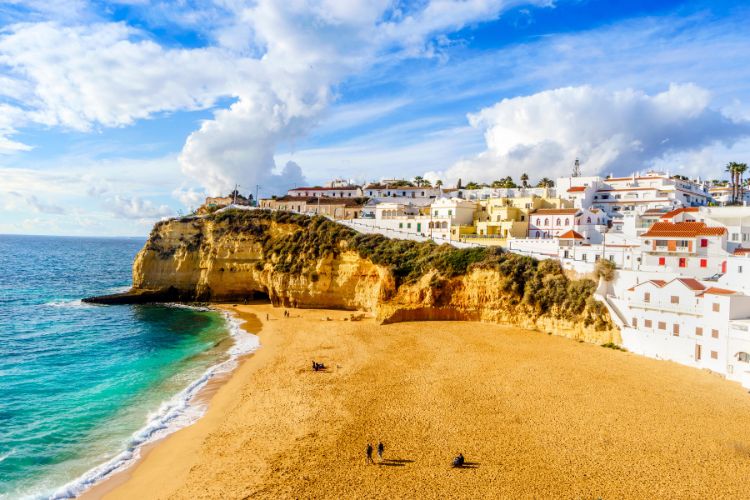
Portugal’s southern coast delivers golden cliffs, turquoise water and 300 days of sunshine a year. Lagos anchors the western Algarve with its historic Old Town, where 16th-century walls enclose colorful buildings and cobbled squares.
The beaches here are spectacular. Praia do Camilo requires descending a wooden staircase cut into the cliff, but the sheltered cove at the bottom is worth every step.
The Ponta da Piedade rock formations just south of town create a landscape of golden limestone arches and grottoes that you can explore by kayak or boat.
Heading east, Praia da Marinha consistently ranks among Europe’s most beautiful beaches. The beach itself is stunning, but the clifftop trail above it might be even better. The Seven Hanging Valleys Trail connects several beaches along dramatic coastal cliffs.
The Algarve also has decent hiking. The trails through the Serra de Monchique mountains offer a different perspective, pine forests and mountain springs instead of beaches. Or head to the Ria Formosa Natural Park near Faro, where barrier islands and salt marshes attract flamingos and other birds.
Summer (June to September) means crowds and high prices. Visit in spring or fall for gentler weather and fewer tourists.
7. Nazaré: Big Wave Capital of the World
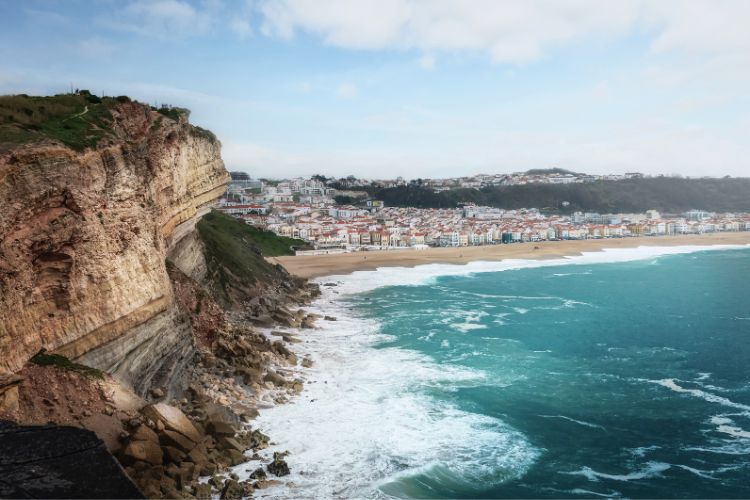
Nazaré used to be just another Portuguese fishing village. Then surfers discovered that an underwater canyon just off Praia do Norte creates the largest rideable waves on Earth.
The waves here regularly exceed 60 feet, and surfers have ridden waves measuring over 80 feet. In December 2025, the Tudor Nazaré Big Wave Challenge competition drew over 50,000 spectators to watch the world’s best big wave surfers battle walls of water that defied belief. UK surfer Laura Crane rode a wave that may have broken the women’s world record.
The big wave season runs from October through March, when Atlantic storms send massive swells toward Portugal.
Even if you’re not here for a competition, you can often watch surfers and bodyboarders tackling these monsters from the Fort of São Miguel Arcanjo lighthouse above Praia do Norte. Entry to the fort costs €2 and it’s open daily from 10 AM to 6 PM.
The original Nazaré beach (separate from Praia do Norte) remains popular with families, and the town retains much of its traditional character. You can still see fisherwomen wearing traditional seven-petticoat skirts, and the seafood restaurants lining the beach serve some of the freshest fish in Portugal.
Take the funicular up to Sítio, the clifftop neighborhood that overlooks both the ocean and the town. The views are fantastic, and it saves you a steep climb.
8. Évora: Medieval Marvel in the Alentejo
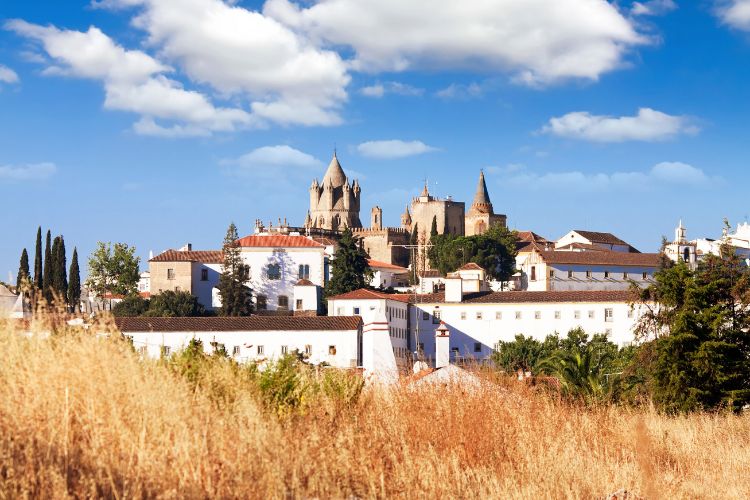
Drive 110 kilometers east of Lisbon and you’ll find Évora, a perfectly preserved medieval city that became a UNESCO World Heritage Site in 1986. After the 1755 earthquake destroyed much of Lisbon, Évora stands as the best example of Portugal’s golden age architecture.
The Temple of Diana, built in the 1st century CE, is one of the best-preserved Roman temples on the Iberian Peninsula. Its Corinthian columns still stand in the heart of the historic center, though despite the name, there’s no evidence it was actually dedicated to Diana.
Évora Cathedral, completed in the 13th century, is Portugal’s largest medieval cathedral. Pay the small fee to access the rooftop for views across the city’s whitewashed houses and red tile roofs. The narrow spiral staircase goes on forever, but the panorama is worth it.
If you’re feeling morbid, visit the Chapel of Bones at the Church of São Francisco. Franciscan monks decorated its walls and pillars with the bones and skulls of 5,000 people, creating a macabre reminder of mortality. The entrance inscription reads: “We bones here are waiting for yours.”
The Roman Aqueduct still runs into the city center, and you can walk under its arches or follow it outside the medieval walls. Many shops and houses have been built directly into the aqueduct’s structure.
Évora gets brutally hot in summer; it’s often Portugal’s hottest city. Visit in spring or fall when you can actually enjoy wandering the narrow medieval streets without melting.
Practical Information
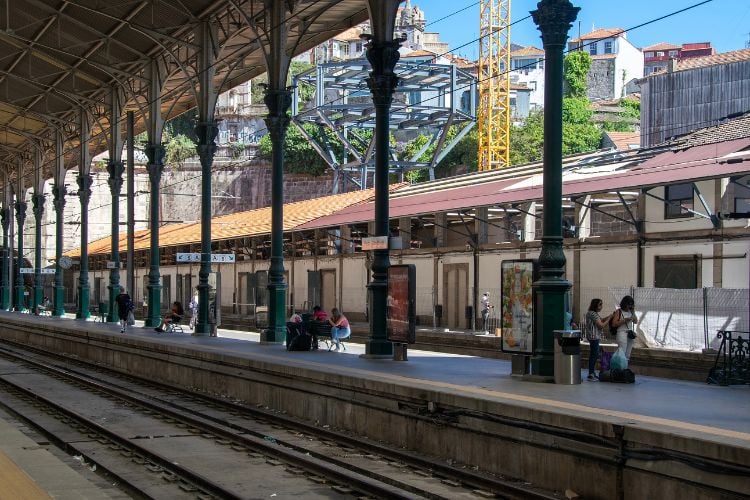
Getting Around: Portugal’s train network efficiently connects major cities. Comboios de Portugal runs frequent service between Lisbon, Coimbra and Porto. Rental cars make sense for the Algarve and Douro Valley, where you’ll want flexibility. Discover Cars is a great tool to compare deals and find the best rental options.
When to Visit: Spring (April to June) and fall (September to October) offer the best combination of good weather and manageable crowds. Summer brings peak prices and packed beaches. Winter works well for Porto and Lisbon if you don’t mind occasional rain.
Budget Planning: Portugal remains more affordable than much of Western Europe. Expect to pay €10-15 for port wine tours, €8-15 for major monument entries, and €10-20 for solid restaurant meals outside tourist traps.
Language: Portuguese is the official language, but English is widely spoken in tourist areas, especially by younger people. Learning a few Portuguese phrases always helps.
Portugal packs remarkable diversity into a relatively small country. You can taste port in ancient cellars, watch surfers ride record-breaking waves, explore Roman ruins, and lose yourself in medieval streets, all without covering huge distances. The 29 million tourists who visited in 2024 were onto something.
Need a hand planning your trip? Here are the sites and services we rely on most, from booking tools to travel products we love.
Inspire your next adventure with our articles below:
- Peneda Geres National Park: A Natural Paradise in the North of Portugal
- Praia de la Paradise: Unforgettable Beach Escapes in Portugal
Author Bio: Sandy Page is a life-long adventurer. In her free time, she reads and consumes copious amounts of hot beverages.
Want to discover more hidden gems and helpful travel tips? Join our free newsletter for the latest travel secrets and travel articles.
We are reader-supported and may earn a commission on purchases made through links in this article.

- A Weekend in Cambará do Sul: Hiking Brazil’s Itaimbezinho and Fortaleza Canyons - October 26, 2026
- Uzbekistan’s Silk Road Cities: From Tashkent’s Markets to Samarkand’s Registan - October 26, 2026
- Lost in the Fjords: Finding Myself Through Her Eyes - October 26, 2026
Planning another trip soon? ✈️
Add GoWorldTravel.com as a preferred source on Google. Click the button below so our local guides, packing hacks, and hidden-gem itineraries always show up first when you search!
Add to Preferred Sources