
![A river during the rainy season, prone to sudden swelling. Take care when traveling near water. Photo by [Author's Name]](https://www.goworldtravel.com/wp-content/uploads/2026/04/Swollen-River-During-Rainy-Season-105x105.jpg)
Japan is experiencing a season that falls between spring and summer: the rainy season, commonly referred to as tsuyu. Because it is the rainy season, some travelers may hesitate to visit Japan during this time.
However, tsuyu has its unique charm. If you’re going on a trip to Japan in a few days or in the near future, read on to find out how to enjoy it.
What Is Tsuyu Season
Tsuyu (literally “plum rain”) is the name for Japan’s rainy season, typically lasting from early June to mid-July. It is so culturally ingrained that it even appears in summer-themed haiku, a traditional form of Japanese poetry.
During this season, a long stationary front stretches across East Asia from China and the Korean Peninsula to the Japanese archipelago (excluding Hokkaido), bringing nearly a month of persistent rain.
Though recent climate change has shortened the season slightly, the rains that fall before summer play a crucial role in replenishing water resources, maintaining forest ecosystems, and sustaining rice paddies and other crops.
Of course, there are downsides. Humidity can cause mold, and the muggy air can be uncomfortable. But tsuyu also serves as a natural pause before the extreme heat of summer.
Hidden Charms of Tsuyu
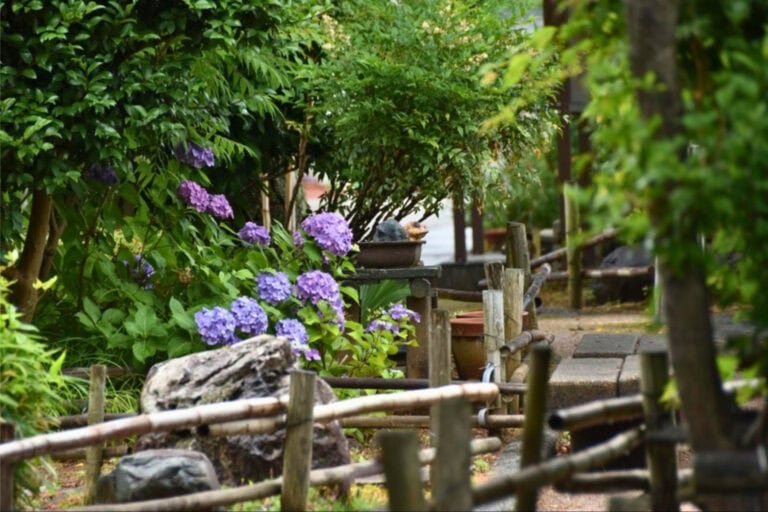
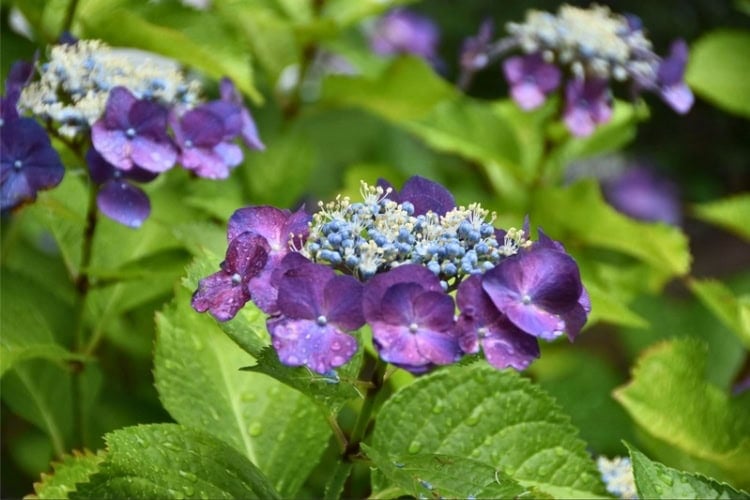
Tsuyu offers a beauty you won’t find in any other season. A key symbol of this period is the hydrangea. Blooming only during the rainy season, hydrangeas attract countless visitors to famous gardens and temple grounds across the country.
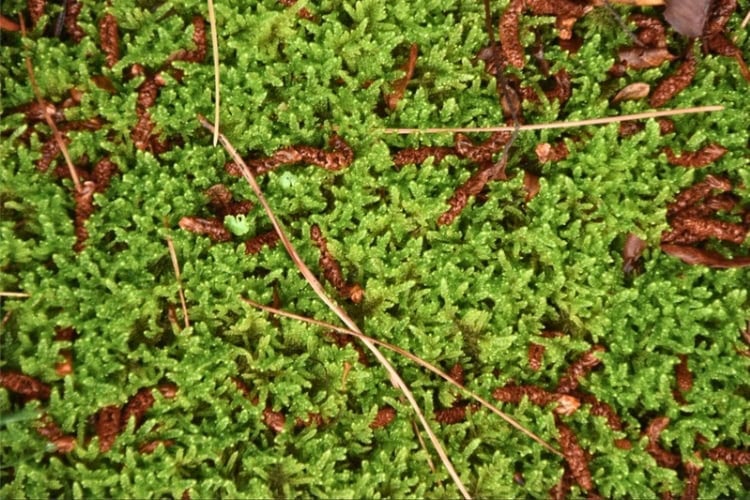
Likewise, the season’s abundant rain and humidity encourage lush moss growth. Moss-covered temples, shrines, and Japanese gardens reach peak beauty during tsuyu.
Even in my traditional-style Japanese garden, the moss becomes vibrantly green and radiant during this season. Once summer starts and the sun grows intense, the moss tends to fade to brown or yellow-green.
It regains strength around autumn, but winter often leaves it muted again.
Interestingly, moss has grown in popularity overseas in recent years, especially with the spread of Zen culture and Japanese gardens. Moss terrariums are now trendy, and many incorporate moss into their home décor.
According to Google Trends, interest in “moss terrariums” has steadily increased in the U.S. and Europe since 2020.
If you want to experience moss in its most beautiful, mystical form, there is no better time than tsuyu. Scenes of fog-shrouded gardens with glistening moss are unique to this short season.
Best Tsuyu Destinations and Access
If you’re visiting Japan during tsuyu, plan a route that includes hydrangea and moss viewing spots. Around major cities like Tokyo and Osaka, there are plenty of places where you can enjoy both.
For broader planning tips, see this Travel Guide to Japan.
Tokyo Area Highlights
Takahata Fudoson Kongo-ji Temple | Hino City, Tokyo
Famous for over 7,500 hydrangea bushes. Its temple grounds are rich, with stone walls and trees thickly covered in moss. The five-story pagoda amid moss and hydrangeas is a must-see scene.
Address: 733 Takahata, Hino-shi, Tokyo
Access: 5-minute walk from Keio Line Takahatafudo Station
Showa Kinen Park | Tachikawa City, Tokyo
Features a traditional Japanese garden with beautiful moss and scattered hydrangea blooms. The strolling-style garden becomes especially lush and vivid on rainy days.
Address: 3173 Midoricho, Tachikawa-shi, Tokyo
Access: 10-minute walk from JR Chuo Line Tachikawa Station
Mukojima Hyakkaen Garden | Sumida Ward, Tokyo
A lesser-known moss haven from the Edo period. Hydrangeas bloom in early summer, and moss clings to stone paths and old walls. A small but atmospheric oasis in the city.
Address: 3-18-3 Higashi-Mukojima, Sumida-ku, Tokyo
Access: 8-minute walk from Tobu Skytree Line Higashi-Mukojima Station
Meigetsu-in | Kamakura City, Kanagawa Prefecture
Nicknamed the “Hydrangea Temple,” with about 2,500 hydrangea bushes lining its iconic stone steps. The mossy pathways and gardens shine even more on cloudy or rainy days.
Address: 189 Yamanouchi, Kamakura-shi, Kanagawa
Access: 10-minute walk from JR Yokosuka Line Kitakamakura Station
Hase-dera Temple | Kamakura City, Kanagawa Prefecture
![A river during the rainy season, prone to sudden swelling. Take care when traveling near water. Photo by [Author's Name]](https://www.goworldtravel.com/wp-content/uploads/2026/04/Swollen-River-During-Rainy-Season.jpg)
Located on a slope, with stunning hydrangeas climbing the hillside. Moss and hydrangea offer contrasts, with views of the sea completing the landscape.
Address: 3-11-2 Hase, Kamakura-shi, Kanagawa
Access: 5-minute walk from Enoden Line Hase Station
Read More: Escape the Crowds of Tokyo in Kamakura, a Seaside Samurai Town
Osaka Area Highlights
Yatadera Temple | Yamato-Koriyama City, Nara Prefecture
Known as the Hydrangea Temple of western Japan, with over 10,000 blooms from 60 varieties. A quiet mountain temple featuring mossy stone steps and shady corners—a perfect rainy-day escape.
Address: 3506 Yatacho, Yamato-Koriyama-shi, Nara
Access: Bus from Kintetsu Koriyama Station or JR Horyuji Station + walk
Mimuroto-ji Temple | Uji City, Kyoto Prefecture
A top Kansai hydrangea spot with around 20,000 bushes. The Japanese garden is richly mossed, offering vivid pairings of greenery and flowers. Some hydrangeas even bloom in heart shapes.
Address: 21 Todo Shigatani, Uji-shi, Kyoto
Access: 15-minute walk from Keihan Uji Line Mimurodo Station
Hasedera Temple | Sakurai City, Nara Prefecture
In addition to hydrangeas, the temple’s corridors and gardens are carpeted in moss. The square in front of the main hall and the stone approach become especially poetic on rainy days.
Address: 731-1 Hase, Sakurai-shi, Nara
Access: 15-minute walk from Kintetsu Osaka Line Hasedera Station
Daisen Park Japanese Garden | Sakai City, Osaka Prefecture
A relatively new garden featuring mossy lawns and landscaped hills. Hydrangeas are also planted on the grounds.
Rain enhances the tranquil harmony of moss, pond, and stone lanterns. This offers a rare chance to enjoy both moss and hydrangeas in Osaka.
Address: Mozusekiuncho, Sakai-ku, Sakai-shi, Osaka
Access: 5-minute walk from JR Hanwa Line Mozu Station
Tsuyu Weather and Safety Tips
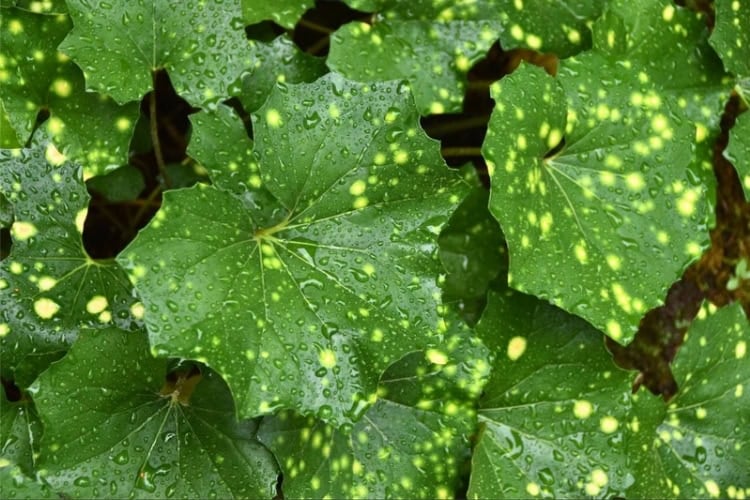
The weather during tsuyu can be unpredictable. You might think the rain has stopped, only for another shower to start minutes later. Carrying a foldable umbrella is helpful, but a lightweight raincoat or poncho is even better.
Convenience stores in Japan sell affordable vinyl ponchos, so you don’t have to pack one.
However, tsuyu has become more intense in recent years. Sudden torrential rain is increasingly common, particularly in western Japan (like Kyushu), but Tokyo and Osaka also occasionally experience flash floods and transportation disruptions.
Rail services may be halted, rivers can overflow, and city streets may flood. If you’re planning to travel during tsuyu, give yourself some buffer time in your schedule.
For indoor alternatives, Tokyo and Osaka are home to around 200 museums and art galleries each, a few surveys report. Checking out local museums can be a perfect plan B if the weather changes your plans.
Need a hand planning your trip? Here are the sites and services we rely on most, from booking tools to travel products we love.
Inspire your next adventure with our articles below:
- Fukuoka, Japan: The Coastal City Where Tonkotsu Ramen Was Born and Slow Travel Thrives
- This Underrated Japanese Prefecture Has Samurai Districts, Michelin-Star Food, and Almost No Tourists
Author Bio: Masayoshi Sakamoto is a Japanese writer, translator, and editor living in Toyama, Japan. He is the editor-in-chief of a local magazine, Hokuroku, and was the chief editor of a popular digital business magazine based in Tokyo, bizSPA!.
Want to discover more hidden gems and helpful travel tips? Join our free newsletter for the latest travel secrets and travel articles.
We are reader-supported and may earn a commission on purchases made through links in this article.

- Darwin, Australia’s Northernmost Capital, Combines Vibrant Markets, Waterfront Life and Access to Kakadu and Litchfield - October 25, 2026
- Paarl: South Africa’s Secret Winelands Escape Where You Can Stay in Historic Wine Tanks - October 25, 2026
- A Quest for the Best Frango Assado in Portugal’s Algarve - October 24, 2026
Planning another trip soon? ✈️
Add GoWorldTravel.com as a preferred source on Google. Click the button below so our local guides, packing hacks, and hidden-gem itineraries always show up first when you search!
Add to Preferred Sources