


Equip yourself with a snorkel, dive gear, or simply embrace your curiosity, as we guide you to the heart of the sea’s extraordinary wonders.
Uncover the secrets of encountering some of the ocean’s most remarkable creatures in their natural habitats. From the vibrant life of coral reefs to the enigmatic depths where elusive species thrive, discover how and where to intimately connect with the fascinating denizens of the deep.
Remember to respect and adhere to local guidelines to ensure a responsible and sustainable experience.
1. Whale Sharks in the Sea of Cortez
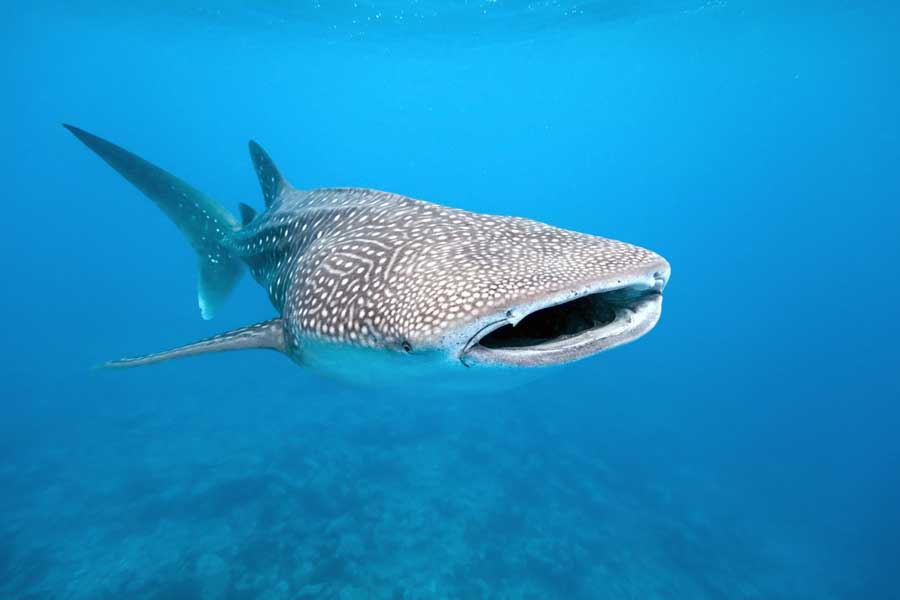
From October to February, whale sharks visit the Bay of La Paz in the Sea of Cortez. These magnificent creatures are the largest fish on the planet and can easily reach more than 40’ long and live up to 70 years. They average between 22 and 32 feet long.
Whale sharks are carefully protected, but a whale shark swim tour from La Paz pairs you with certified guides who know how to approach them responsibly, aboard a catamaran built for exactly this kind of encounter.
Read More: Swimming with Whale Sharks in the Sea of Cortez
2. Jellyfish in Jellyfish Lake, Palau
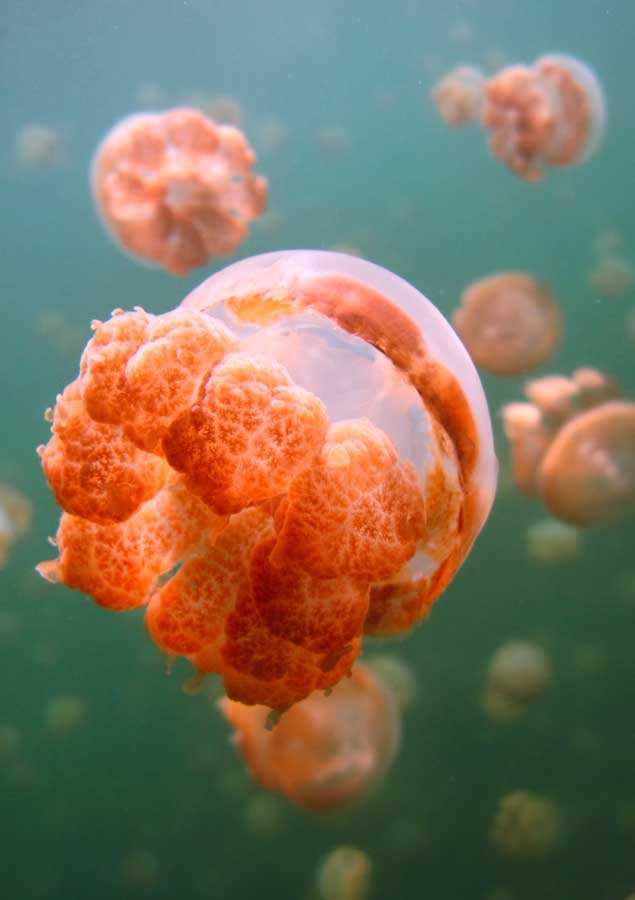
If you’ve ever wanted to see jellyfish up close, you can do just that at Jellyfish Lake in Palau –and no, you won’t get hurt.
Over the last millennia, the golden jellyfish (Mastigias) and the moon jellyfish (Aurelia) in this enclosed body of water have developed a mild, almost unnoticeable sting. This offers a rare opportunity to swim with thousands of these unique creatures.
Access to the lake is only permitted with a local tour company, and permit fees vary depending on the package. A full-day Rock Islands tour pairs jellyfish lake snorkeling with lunch and a stop at Milky Way, a cove famed for its white, skin-rejuvenating mud.
Read More: Swimming with Jellyfish in Palau, Micronesia
3. Giant Manta Rays, Big Island, Hawaii, USA
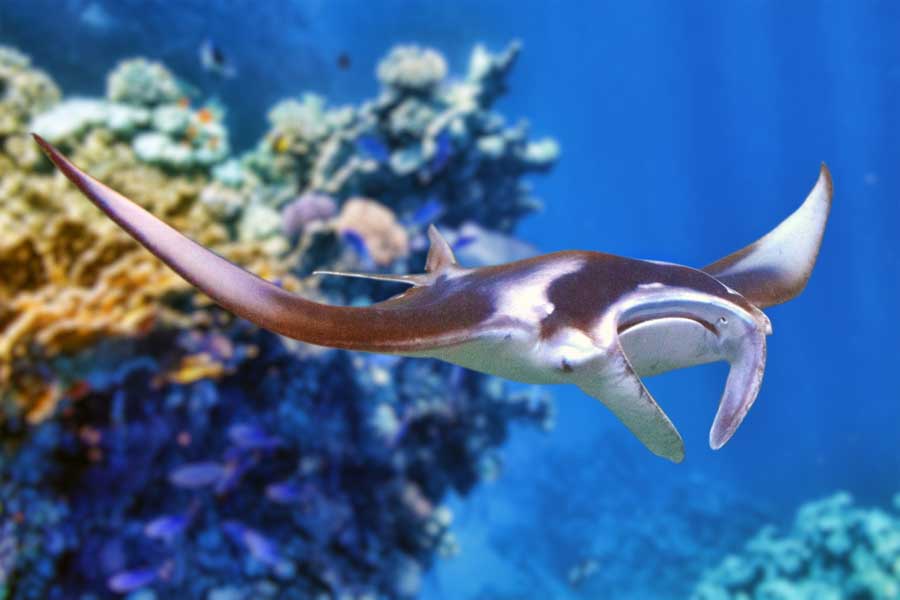
With wingspans that reach up to 15′ across, giant manta rays look like awesome birds in flight. The Big Island of Hawaii is one of the few places where you can view these amazing ocean creatures up close.
In Hawaii, giant manta rays frequent the clear waters of Keauhou Bay, and a manta ray night snorkel tour from Kona will take you out after dark to float near a string of lights as the rays feed on the plankton drawn to the glow.
Plankton is drawn by the light, and the manta rays feed on the plankton. The graceful manta rays are unimpressed by visitors and go about their nightly feeding, gliding near snorkelers to the delight of their audience.
Read More: Exploring the Island of Hawai’i
3. Manatees, Crystal River, FL, USA
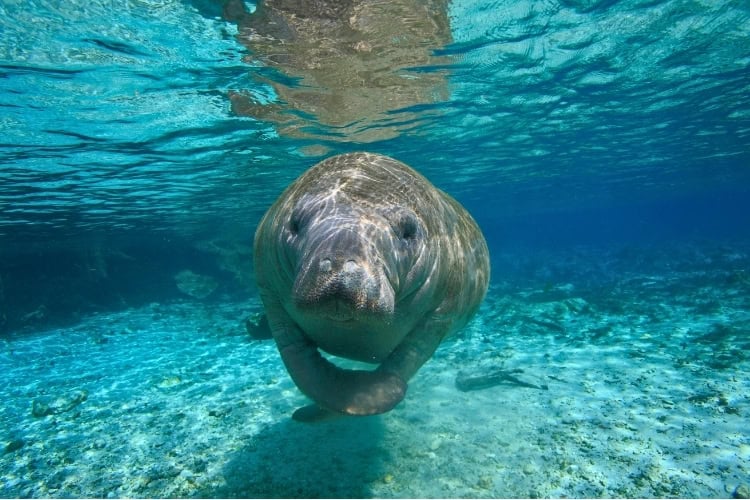
The warm, spring-fed water of Citrus County, Florida, is a favorite destination for manatees—and one of the only places where nature lovers can legally swim with these gentle giants.
More than 1,000 manatees congregate in these waters during the winter, but the animals can be seen year-round. Swimming with manatees is something you’ll never forget.
A guided manatee snorkel tour in the Crystal River offers the rare opportunity to view the animals in their own habitat. They’ll supply a wetsuit and gear, and show you how to view the manatees without disturbing them.
They’ll supply a wetsuit and gear, and show you how to view the manatees without disturbing them. Manatees seem unafraid of humans and react to swimmers and divers with characteristic good nature.
4. Beluga Whales, Churchill, Manitoba
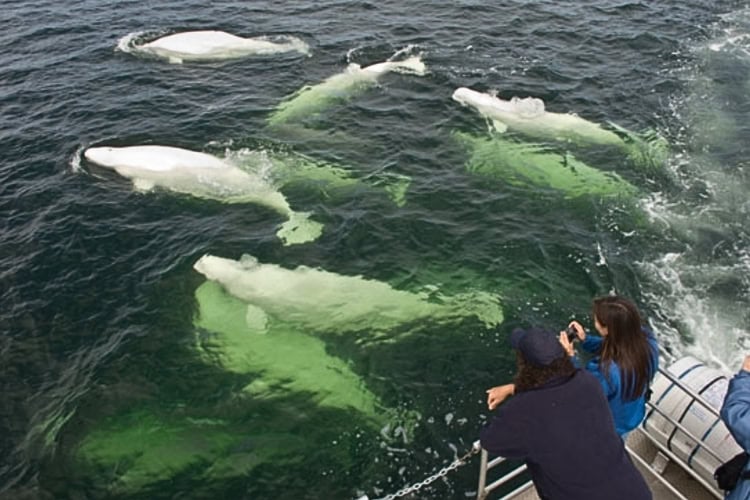
They have been called “ocean canaries” because these white beluga whales seem to sing like birds when you hear them underwater. And you can do just that in Hudson Bay, near the tiny town of Churchill, Manitoba, Canada.
Each summer, thousands of belugas come to the bay to molt. You can view the beluga whales on a kayak or go out on a boat with a local tour operator in Churchill.
The whales react to kayakers and boats with indifference or curiosity and sometimes swim near to get a better view. You can even stand on the shore and watch these amazing creatures, which often swim in pods of 8 to 12.
6. Great White Sharks, Neptune Islands, South Australia
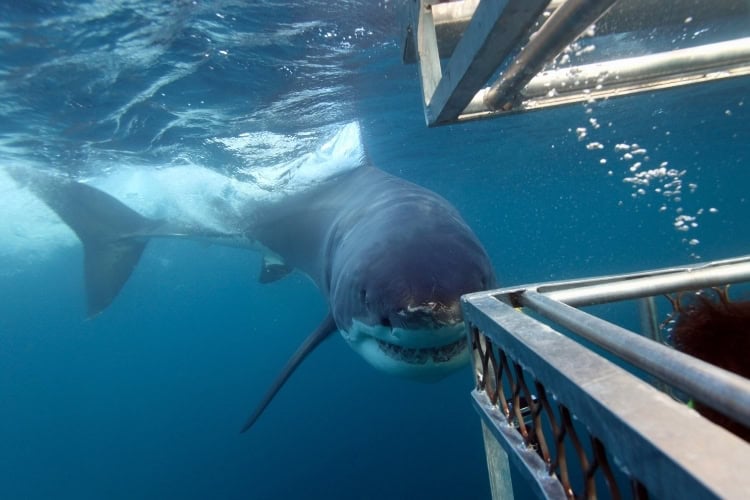
Off the coast of Port Lincoln, the Neptune Islands are the only place in Australia where great white shark cage diving is legally permitted, and one of the most reliable places in the world to see one. A dense colony of fur seals draws the sharks in close, and the water here is often clear enough to see them coming from several meters out.
Local operators run full-day trips from Port Lincoln, with both surface cages for anyone comfortable snorkeling and submersible cages for certified divers who want to go deeper. No diving certification is required for the surface cage, so it’s accessible to most travelers with a reasonable comfort level in open water.
The sharks are protected in South Australian waters, and operators work under a strict licensing system designed to limit disturbance to the population, so sightings tend to be more consistent here than in destinations where shark activity has become unpredictable.
7. Green Sea Turtles, Maui, Hawaii, USA
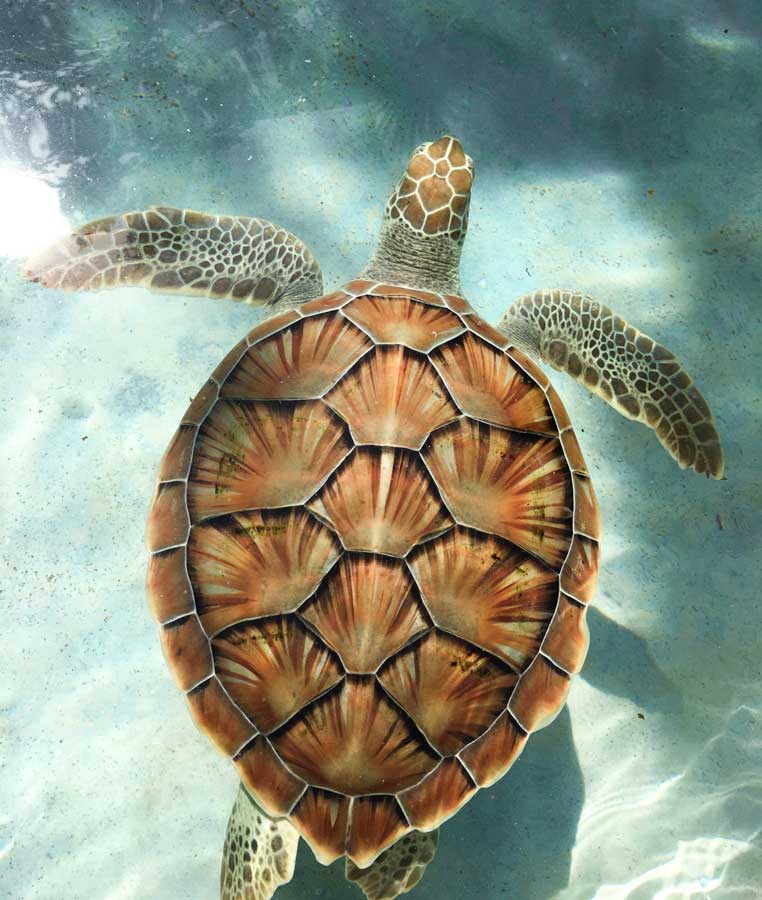
Turtle Town is a stretch of coastline between Nahuna Point and Black Sand Beach on the Hawaiian Island of Maui. It’s known for its high concentration of Hawaiian Green Sea Turtles. The turtles often frequent the waters right off Maluaka Beach, feeding near the coral reef, even in the shallows.
Grab a snorkel and you’re likely to see one or several, or join a kayak and snorkel tour to Turtle Town from Makena Landing for a guided route straight to where they gather.
Green sea turtles are endangered, so give them plenty of room and don’t harass them in any way. Green sea turtles can live up to 80 years.
8. Dolphins, Bimini, Bahamas
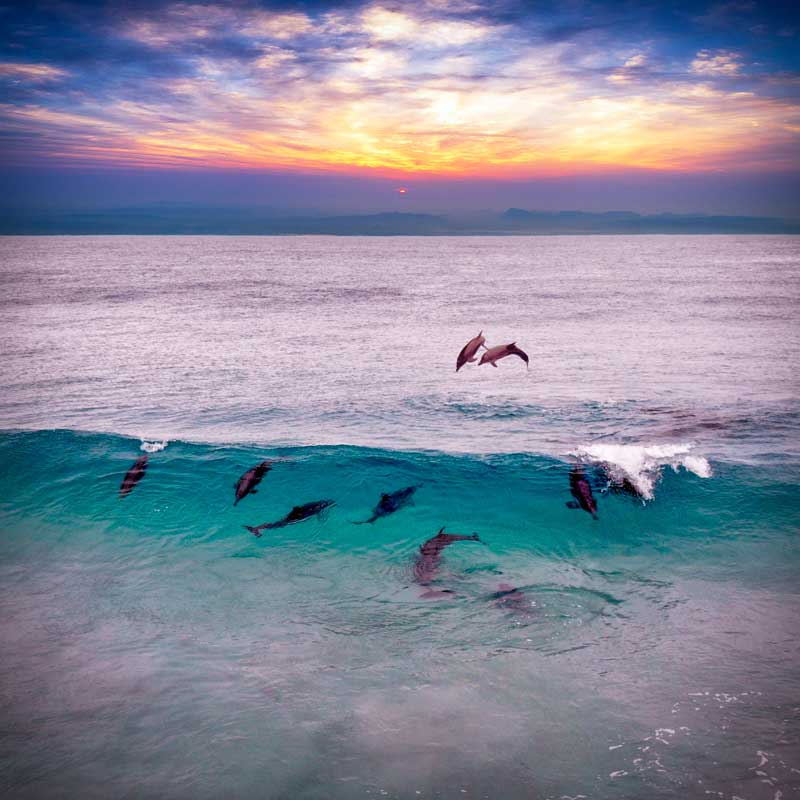
The two small islands of Bimini, Bahamas, are known for sports fishing, reef diving and swimming with the wild dolphins that call these warm, clear waters home. A small-group dolphin spotting tour out of Bimini takes guests by boat to snorkel sites around North Bimini in search of the wild bottlenose and spotted dolphins that live there, gear included.
Snorkelers drop into the water, and dolphins often choose to come near for some playful interaction. It’s not unusual for them to swim alongside snorkelers or flip and jump from the water. You can look, but don’t touch. The experience is unforgettable.
9. Gray Whales in Magdalena Bay in Baja California Sur, Mexico
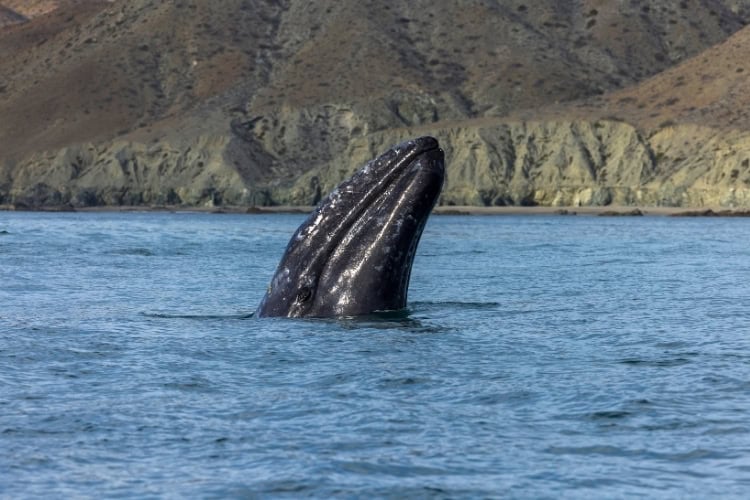
Perhaps one of the most magical marine life encounters we’ve had can be found at Magdalena Bay in the Sea of Cortez. From December to March, more than 400 gray whales come to Magdalena Bay in lower Baja California Sur, Mexico. The protected lagoon is the perfect place for the whales to give birth and raise their young.
See the Video: Whales of Magdalena Bay
Over the years, the gray whales that visit the bay have developed a curiosity for the humans who once fished in the bay. That fascination has been passed down through generations of whales, it seems, and even today, gray whales often swim alongside small boats to get a view of the humans inside.
Today, the whales are carefully protected. A small-boat whale watching tour in Magdalena Bay takes you out with a licensed operator and marine biologist guide, in a small panga built to get close without disturbing the whales.
If any of these experiences would make a good gift for someone else, Tinggly gift boxes let the recipient choose their own from a similar range of options.
Need a hand planning your trip? Here are the sites and services we rely on most, from booking tools to travel products we love.
Inspire your next adventure with our articles below:
Want to discover more hidden gems and helpful travel tips? Join our free newsletter for the latest travel secrets and travel articles.
We are reader-supported and may earn a commission on purchases made through links in this article.

- The Family Reunion Hack That Eliminates All the Planning Stress - September 30, 2026
- 10 Days in Portugal: A Mother-Son River Cruise Along the Douro - September 29, 2026
- 9 Places to Experience Amazing Sea Life Up Close - September 15, 2026
Planning another trip soon? ✈️
Add GoWorldTravel.com as a preferred source on Google. Click the button below so our local guides, packing hacks, and hidden-gem itineraries always show up first when you search!
Add to Preferred Sources