
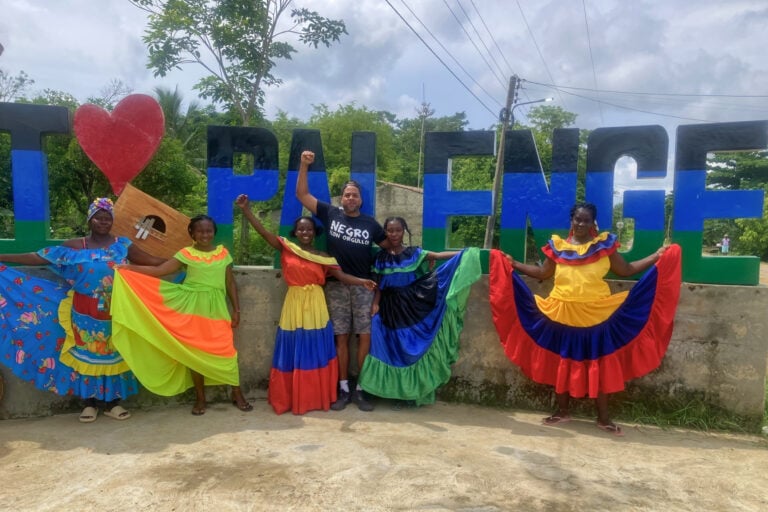
The road from Cartagena to San Basilio de Palenque cuts through the lush Colombian countryside, where grazing cattle dot emerald fields and tropical vegetation sways beneath the Caribbean sun. It is an unassuming drive of roughly an hour, but as the city fades behind you, so does the modern world. What awaits is not merely a destination but a living chapter of history.
Nestled about 30 miles southeast of Cartagena, San Basilio de Palenque is recognized as the first free Black town in the Americas. Founded by formerly enslaved Africans who escaped Spanish colonial rule, the village stands today as one of the most remarkable examples of cultural preservation in the Western Hemisphere.
As a Dominican-American traveler with deep Caribbean roots, visiting Palenque felt less like discovering a new place and more like encountering a long-lost relative. There are destinations you visit for beaches or adventure. Palenque is a place you visit to understand freedom.
The First Free Black Town in the Americas
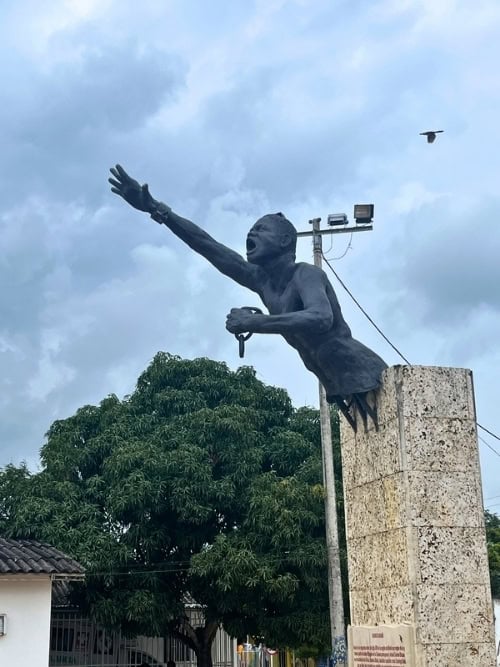
The story of Palenque begins in resistance. In the early 17th century, enslaved Africans escaped Cartagena, then one of the largest slave ports in the Americas, and sought refuge inland. Led by Benkos Biohó, an African king captured and sold into slavery, they established a self-governing settlement hidden from colonial forces.
After years of resistance, the Spanish Crown eventually recognized the community’s autonomy, making San Basilio de Palenque one of the earliest free African settlements in the Americas. More than four centuries later, the spirit of independence remains woven into daily life.
What struck me most was that Palenque’s history isn’t confined to museums or monuments. It lives in conversations on shaded porches, in recipes passed through generations, in drum rhythms echoing through village streets, and in a language that refuses to disappear.
The Cemetery That Guards the Village
One of the first things visitors notice entering Palenque is the cemetery situated at the foot of the village entrance.
In many places, cemeteries sit quietly on the outskirts of town. Here, however, its placement carries spiritual significance. Locals explained that the cemetery serves as a guardian, protecting the village from unwanted energies and harmful intentions.
The dead, they believe, continue to watch over the living. Whether viewed through a spiritual or cultural lens, the cemetery offers a powerful introduction to Palenque: a place where past and present exist side by side.
A Language That Refused to Disappear
Walking through the village, I heard residents speaking Palenquero, a Spanish-based Creole language with roots in several African languages. Hearing it spoken naturally between neighbors was among the most moving experiences of my journey.
While many Indigenous and African languages have disappeared under the pressures of colonization and globalization, Palenquero survives. It remains one of the few African-influenced Creole languages still actively spoken in Latin America.
In 2005, UNESCO recognized the cultural traditions of Palenque as Intangible Cultural Heritage of Humanity, yet no designation fully captures the experience of hearing a language carried across centuries and spoken with pride.
Healing Traditions Passed Through Generations
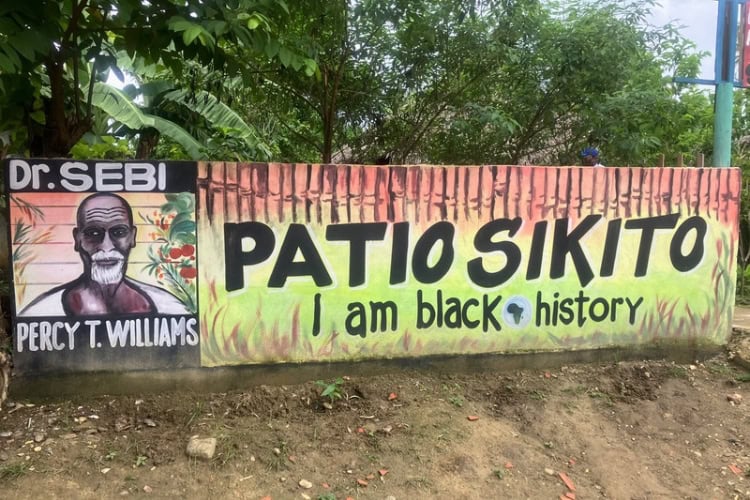
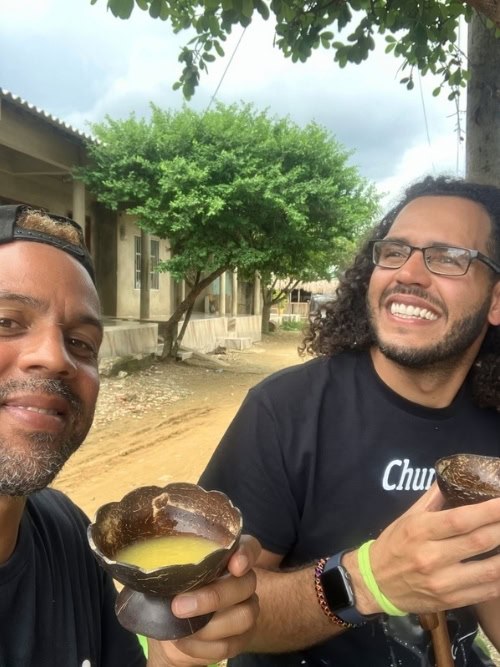
One of the most memorable experiences of my visit was participating in a spiritual herbal tea ceremony with a traditional medicine man.
Surrounded by medicinal plants, he prepared herbal infusions using knowledge passed down through generations. As steam rose from the cups, he explained the healing properties of each plant—not only for the body, but for the spirit.
In many African diasporic traditions, wellness extends beyond physical health. Healing is communal, emotional, and spiritual. Drinking the tea felt less like participating in a wellness activity and more like stepping into centuries of living tradition that survived slavery, displacement, and time itself. The experience revealed something essential about Palenque: culture survives not only through stories but through rituals practiced every day.
The Women Who Carry History
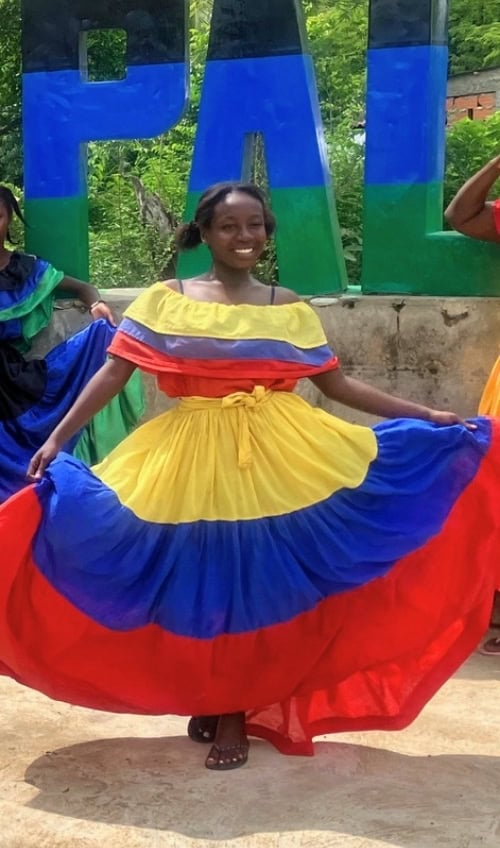
No symbol of Palenque is more recognizable than the Palenqueras. Long before I arrived in the village, I had encountered them in Cartagena’s historic center: women dressed in brilliant blues, yellows, reds, and oranges, balancing bowls of tropical fruit atop their heads with effortless grace. Their tiered, ruffled dresses swayed through cobblestone streets like moving works of art, while colorful head wraps framed faces marked by dignity and resilience.
For many travelers, posing for a photograph with a Palenquera has become an essential Cartagena experience. But behind the vivid colors lies a much deeper story. These women trace their roots to San Basilio de Palenque, and their presence in Cartagena reflects centuries of African heritage preserved against tremendous odds. Their striking attire, turbans, and the practice of carrying goods on their heads are enduring expressions of West and Central African traditions carried across the Atlantic during the slave trade. History tells us that Palenqueras once traveled between Cartagena and their village, selling fruits and sweets to support their families while preserving their cultural identity.
Local lore also suggests that braided hairstyles sometimes served as coded maps and escape routes for enslaved Africans seeking freedom. In this way, everyday acts of adornment became acts of resistance. The flowing ruffled skirts—designed to move gracefully during traditional dances—celebrate joy despite historical hardship.
Today, visitors can find Palenqueras throughout Cartagena’s Walled City, especially near popular plazas and colorful streets. It is customary to ask permission before taking a photograph. Better yet, purchase fresh fruit or traditional sweets. Supporting these women helps sustain a cultural tradition that stretches back generations. Standing in Palenque itself, I realized that these women are far more than postcard images for tourists.
They are living ambassadors of freedom.
Rhythms of Resistance
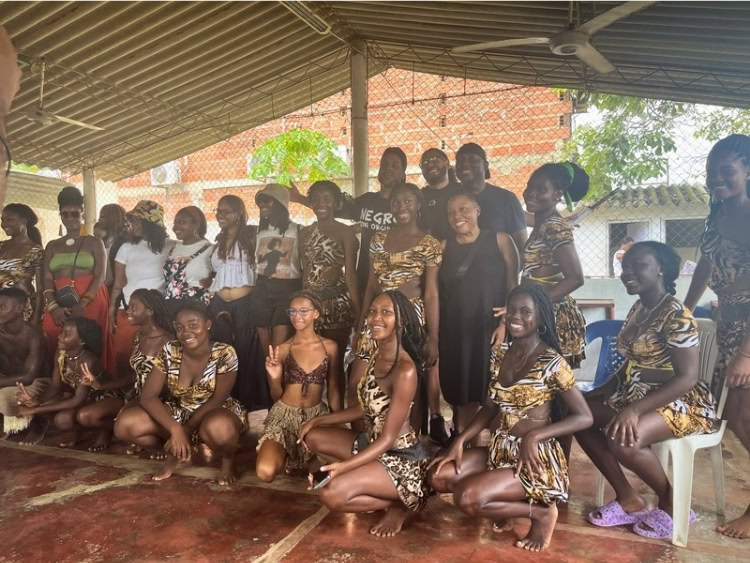
Music is the heartbeat of Palenque. Drums echo through the village as much as they have for centuries, connecting residents to African traditions that survived slavery and colonialism. The rhythms are not performances staged for tourists but expressions of community life, spirituality, and celebration.
Palenque has profoundly influenced Colombian music and culture, shaping rhythms and traditions that continue to resonate throughout the country. As I wandered the streets, children played beneath murals honoring Benkos Biohó while elders sat in conversation nearby. Here, history does not sit quietly in the past. It walks the streets, cooks in family kitchens, and dances to the rhythm of drums. Freedom here is not simply remembered. It is lived.
The Taste of Palenque
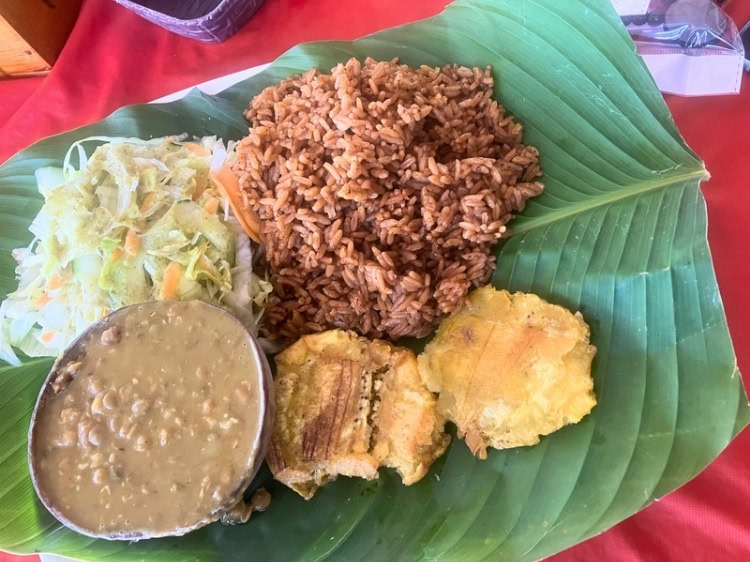
Food, too, tells the story of survival. During my visit, I shared a traditional meal prepared with fresh local ingredients unique to the region. Coconut, plantains, cassava, rice, and richly seasoned dishes reflected culinary traditions shaped by African heritage and the Colombian Caribbean.
Every bite carried echoes of migration, adaptation, and perseverance. Food in Palenque is not simply sustenance; it is history served on a plate. As someone who has traveled extensively throughout Latin America and the Caribbean, I have learned that food often reveals a destination’s deepest truths. In Palenque, meals become vessels of identity and community.
A Living Testament to Freedom
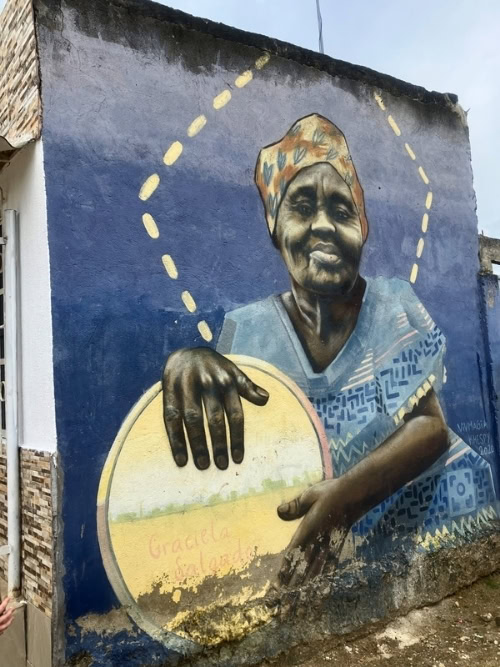
In a time when globalization often flattens cultural differences, Palenque stands as a powerful reminder that preservation is itself an act of resistance. Here, freedom is not confined to history books. It is spoken in Palenquero. Brewed in medicinal teas. Echoed in drumbeats. Shared through food.
Palenque is not a destination to check off a list. It is a living testament to freedom. And perhaps that is its greatest lesson: liberation is not simply won once. It must be practiced, protected, and passed from one generation to the next.
Where to Stay
Most travelers visit Palenque as a day trip from Cartagena, which offers accommodations for every budget. Luxury travelers will find beautifully restored boutique hotels within Cartagena’s Walled City, while the bohemian neighborhood of Getsemaní offers stylish guesthouses and boutique stays rich in local character.
I stayed at the InterContinental Cartagena de Indias, an inviting oceanfront hotel with sweeping Caribbean views. With comfortable rooms, easy access to the Walled City, and rates that won’t break the bank, it makes an excellent home base for a journey into Palenque’s rich history. Travelers seeking deeper cultural immersion can arrange community stays or local accommodations in Palenque itself, allowing them to experience village life after day visitors have departed.
What to Do
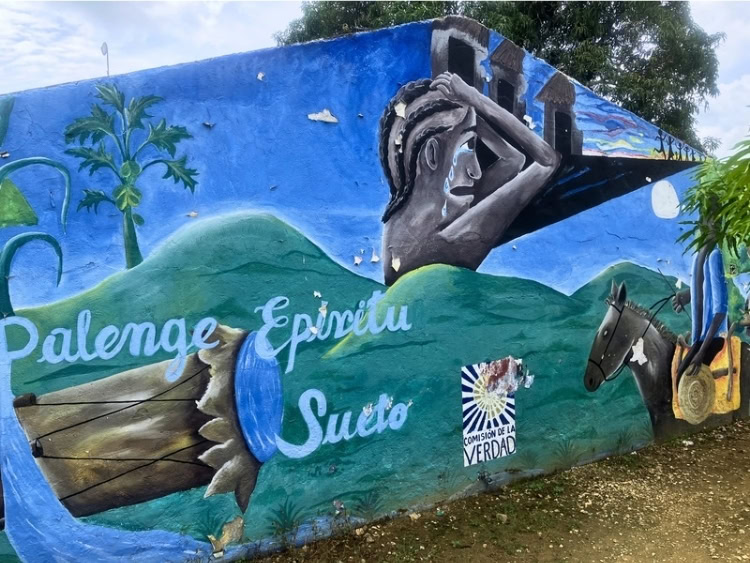
Wander the Historic Streets: Explore murals, monuments, and public spaces honoring Benkos Biohó and Palenque’s enduring legacy of resistance.
Immerse Yourself in the Culture: Witness traditional drumming, dance performances, and storytelling that have survived for centuries.
Hear the Palenquero Language: Listen to one of the few surviving African-influenced Creole languages in the Americas.
Experience Traditional Healing: Learn about medicinal plants and healing practices preserved by local healers.
Savor Local Flavors: Enjoy authentic meals prepared with fresh, organic, and locally sourced ingredients unique to the region.
Enjoy the Colombian Countryside: The drive from Cartagena offers scenic views of the Colombian Caribbean landscape and rural life.
If You Go
Best Time to Visit: The dry season, from December through April, offers sunny skies and lower humidity, making it ideal for exploring both Cartagena and Palenque.
How to Get There: San Basilio de Palenque is located approximately one hour from Cartagena by car. Most visitors arrive via organized tours, private drivers, or rental cars.
What to Bring: Lightweight clothing, sunscreen, insect repellent, comfortable walking shoes, and cash for local vendors and artisans.
Travel Respectfully: Always ask permission before photographing Palenqueras or community members. Purchasing fruit, sweets, or handicrafts directly supports local families and cultural preservation efforts.
Learn More: For travel information and planning resources, visit Colombia’s official tourism website.
For more tips, read Going To Colombia Soon? Here’s What I Wish Someone Told Me.
Palenque may be small in size, but its influence stretches across centuries and continents. For travelers seeking not only a destination but a deeper understanding of the African diaspora in the Americas, few places are as powerful—or as necessary—as San Basilio de Palenque.
Need a hand planning your trip? Here are the sites and services we rely on most, from booking tools to travel products we love.
Inspire your next adventure with our articles below:
- Stone Town, Zanzibar: Slave Trade History and Freddie Mercury’s Birthplace
- The Women Who Carry India: What I Learned on the Streets of Jaipur
Author Bio: Carlos Omar Gardinet is a Miami-based journalist and senior copywriter covering music, arts, culture, and travel. A graduate of The New School in New York City, he has interviewed everyone from Chaka Khan to Zoe Saldaña, with bylines in Vibe, The Source, MTV, BET, and the New York Post. His travels have taken him from the vibrant souks of Morocco to the rolling countryside of Italy, aboard the scenic Bernina Express through the Swiss Alps, to the waterfalls of Iguazu and the rainforests of Costa Rica. Passionate about sustainable, eco-friendly, and plant-based travel, Carlos is always searching for destinations that nourish both people and the planet. When he’s not chasing a story or mentoring college students in marketing and advertising, you’ll likely find him on the tennis court or working on his first novel and a short screenplay.
Want to discover more hidden gems and helpful travel tips? Join our free newsletter for the latest travel secrets and travel articles.
We are reader-supported and may earn a commission on purchases made through links in this article.

- Exploring Nanjing, China: 48-Hour Trip That Changed My Perspective - October 13, 2026
- Buzzing into Sustainability: How Hotels Are Embracing Beekeeping Initiatives - October 13, 2026
- The Perfect Bay Area Day Trip: Why Sausalito Should Be Your Next Weekend Escape - October 13, 2026
Planning another trip soon? ✈️
Add GoWorldTravel.com as a preferred source on Google. Click the button below so our local guides, packing hacks, and hidden-gem itineraries always show up first when you search!
Add to Preferred Sources