
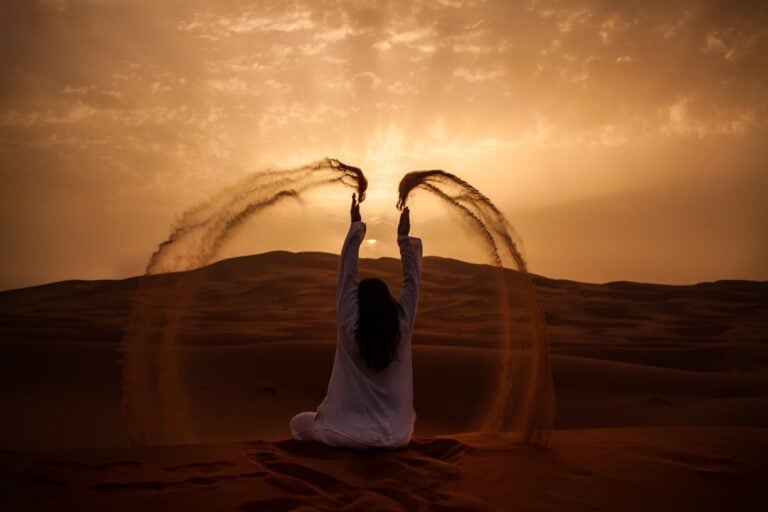

I have been coordinating desert tours from Marrakech for over six years. I have watched thousands of travelers arrive with reasonable expectations and leave with a problem: everything else seems flat afterward. This is my honest warning. Take it seriously.
I am not an unbiased source, as I live in Marrakech and make a living sending people into the Sahara. I have a professional interest in you visiting Morocco.
And I am still telling you: be careful. This country has a way of permanently recalibrating your standards for travel, food, landscape and silence. You may not recover.
The Problem Starts in Marrakech
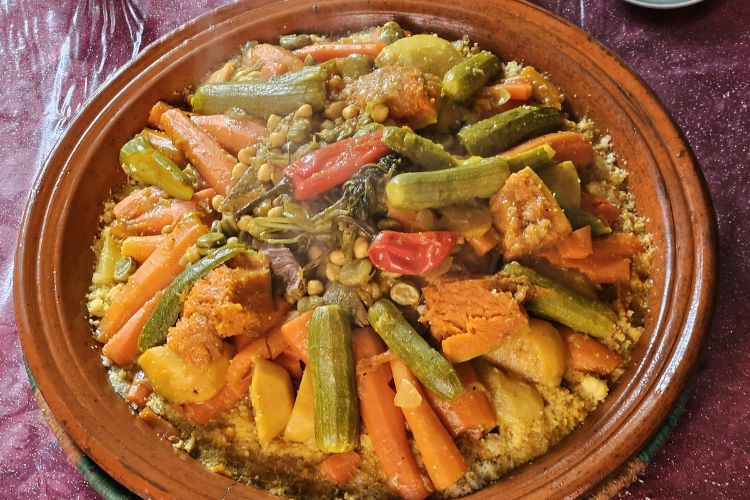
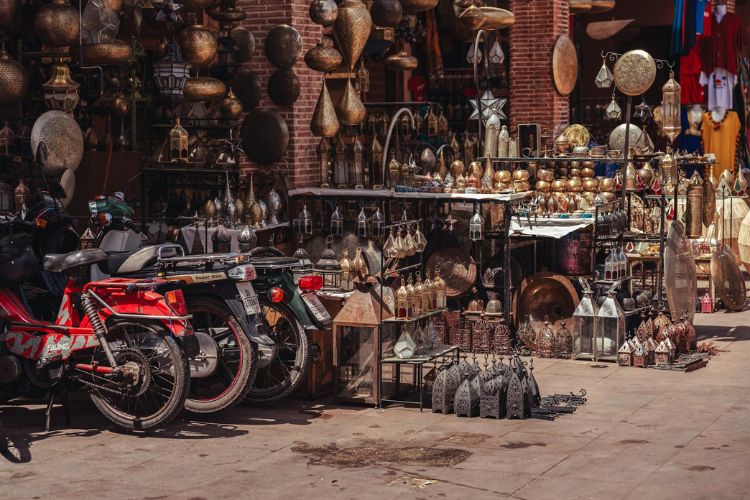
Photo by Abdellatif Jellab via Pexels
My first honest warning: do not go to Jemaa el-Fna on your first night if you have an early wake-up the next morning. You will not leave.
The square at night is a UNESCO-listed Intangible Cultural Heritage. It was one of the first in history to have an atmosphere rather than a structure protected.
Gnawa musicians playing sintir and metal qraqeb castanets. Storytellers performing in Darija Arabic. Orange juice pressed while you watch. The smell of lamb skewers on open coals, mixing with cumin and harissa. This all runs until midnight and nobody seems tired.
The food will be the second problem. Marrakech is consistently ranked in TripAdvisor’s top global food destinations. Not by critics, but by travelers.
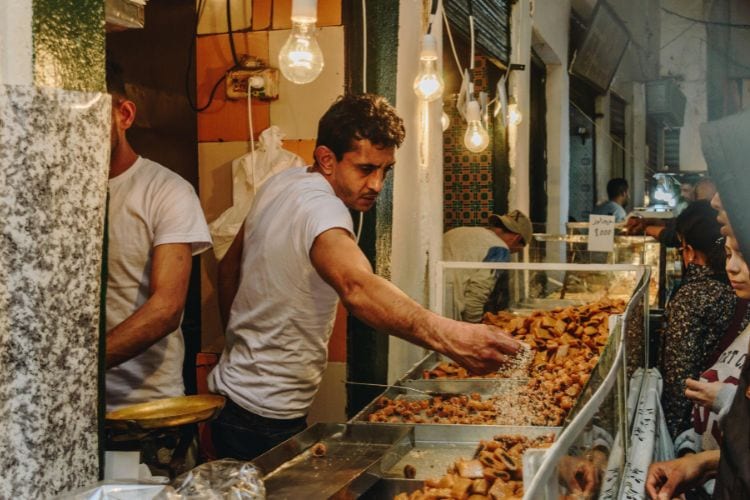
The lamb tagine slow-cooked with preserved lemon and olives will be the benchmark against which you judge every stew for the next decade. The tanjia, a clay pot of lamb sealed and sent to the hammam furnace room for six hours, will make you question every shortcut you have ever taken in a kitchen.
My honest warning: if food is not a priority for you, Morocco will make it one.
Then there’s the hammam. I send every first-time visitor to a traditional hammam before their desert tour. Not because it is a cultural experience. Because it genuinely changes how you feel in your body for three days.
The black olive soap, the kessa exfoliation glove and the steam carved from ancient stone have you coming out softer and quieter than you went in. One client described it as the best hour of their year.
Local tip: Skip the hammams marketed to tourists near Jemaa el-Fna. Ask your riad to recommend a neighborhood one. The price difference is dramatic. The experience difference is minimal.
Read More: Marrakech by Night: A Guide to the City’s Most Vibrant Markets, Gardens and Rooftop Bars
Chefchaouen is a Different Kind of Problem
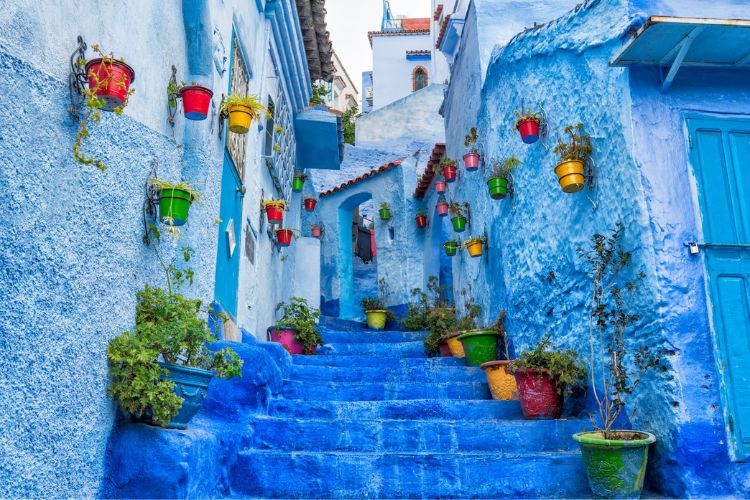
Vogue calls it a photographer’s paradise. Architectural Digest ranked it among the most beautiful cities in the world. Business Insider traced its global fame to Instagram before most travel agents knew how to find it on a map. They are all correct. They all miss the point.
Chefchaouen is a Berber city in the Rif Mountains, painted in 50 shades of blue since the 15th century. Not for Instagram but for spiritual and cultural reasons. Tourists photograph it without always understanding.
The visual result is extraordinary. Every alley, every staircase, every pot of geraniums on a blue window ledge is a photograph.
But what stays with most visitors is something simpler. The cats that own the streets, old men playing cards in blue cafés with no particular urgency and children walking home from school. A city living at its own pace, indifferent to the cameras documenting it.
“I spent two hours taking photos and two hours just sitting. I don’t know which two hours were more valuable.” — a client, returning from Chefchaouen last spring.
Honest warning: You will not get enough photos. You will also not want to leave. Plan an extra day.
The Desert is Where it Gets Serious
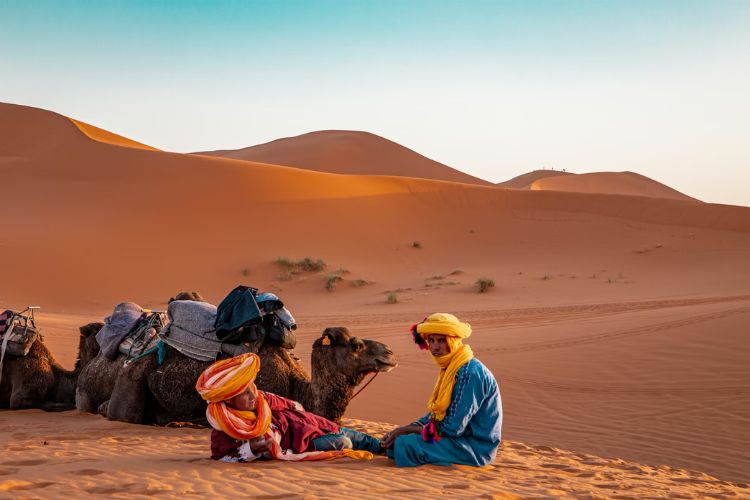
I need to be direct here because I have seen this reaction in clients hundreds of times.
Erg Chebbi near Merzouga reaches 150 meters. When you climb to the top of a large dune at sunset, the sand changes color, from gold, then orange, then red, then purple, in twenty minutes. I have watched this happen hundreds of times. It does not get ordinary.
The silence at the top of a dune is not peaceful. It is total. No sound, no movement, no wind and no insects. Just the weight of a place that does not require you.
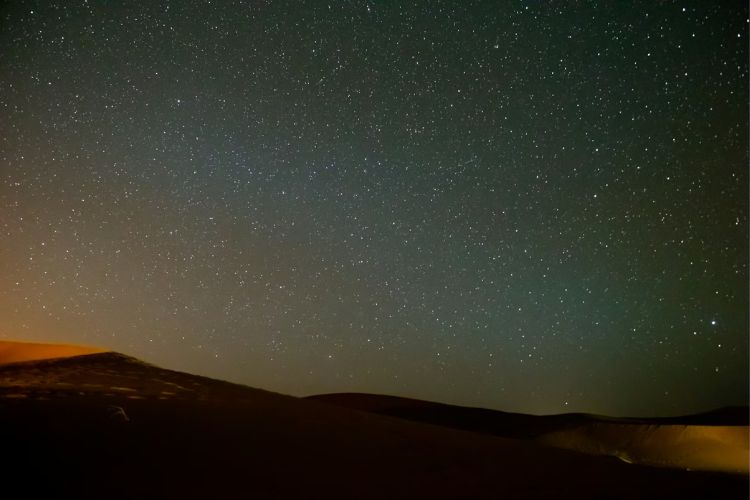
The night sky without light pollution for 300 kilometers shows you the Milky Way as something solid. Billions of stars with the naked eye. No app. No filter. This is what the sky looked like for all of human history before electricity.
“I did not expect to feel so small. I mean that in the best possible way.” — a client, Merzouga, October 2024.
The Gnawa music at camp in the evening is not background entertainment. These are ancient rhythms from Sub-Saharan Africa, carried north by centuries of trans-Saharan trade, played on instruments with no Western equivalent.
The sintir bass resonates at a frequency that bypasses the ears and goes directly into your chest. Several clients have described it as the first music they have ever actually felt rather than heard.
The desert confronts people with themselves in a way that few environments do. That is not always comfortable. It is almost always meaningful.
Practical note: The drive from Marrakech to Merzouga is 9-10 hours each way. A 2-night tour means roughly 20 hours in a vehicle for one night in the desert. Plan at least 3 nights.
Zagora is 40% closer. For travelers with limited time, it is often the more honest recommendation.
This 3-Day Marrakech to Merzouga Desert Tour on Viator covers the High Atlas, Ait Ben Haddou, Todra Gorge, and an overnight camel trek into Erg Chebbi, with all logistics handled so those long drives become part of the experience rather than a burden.
Honest warning: The desert will not leave you where it found you.
The Atlantic Coast Will Ruin Seafood Forever
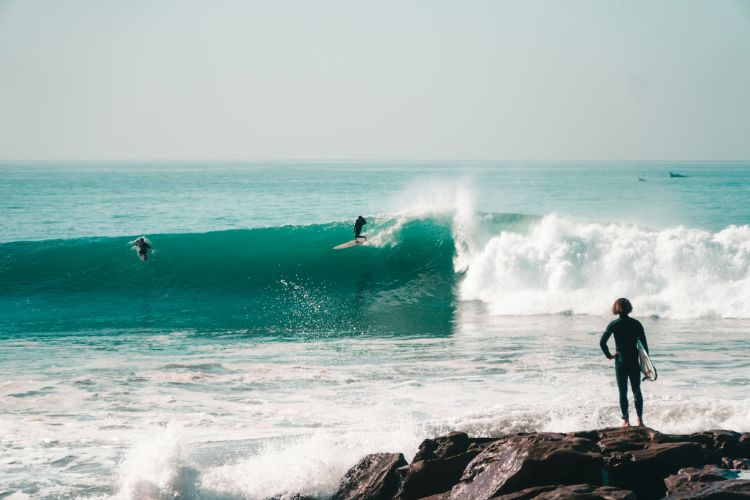
1,800 kilometers of Atlantic coastline. Long, clean point breaks that professional surfers compare to the world’s best spots. Waves year-round. Taghazout, once a fishing village, is now what surf specialists call the surfing mecca of North Africa.
GQ described the Moroccan coast as a hidden gem of global surfing in 2018. By 2025, Condé Nast Traveler was running features on Morocco’s surf boom. The window for it to remain undiscovered has closed. It is still extraordinary.
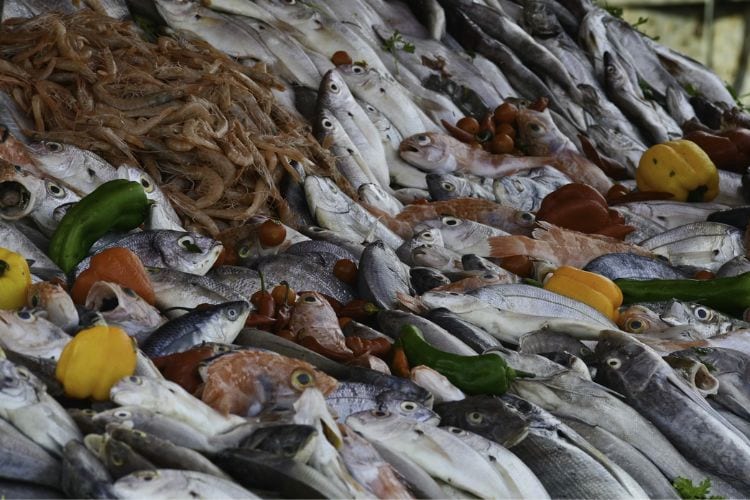
But the fish is what causes permanent damage to future seafood expectations.
Every morning, small boats return to the ports along the coast. Tractors pull them ashore. The catch of sardines, sea bass, dorade and red mullet is unloaded on the quay and grilled on open coals 100 meters away. Two hours from Atlantic to plate. Fish, lemon and cumin are the entire recipe.
I have watched clients eat grilled sardines on a plastic chair in the sun and describe them as the best thing they have eaten in years. These are sardines, on a plastic chair, in Morocco.
After this, your regular fish restaurant at home will require a recalibration of what fresh means.
Honest warning: Budget more time for the coast than you plan. And lower your expectations for fish everywhere else.
The Real Warning: You Will Come Back
A large majority of visitors to Morocco say they intend to return. That statistic means something because returning costs real money and real time off work. Nobody says they will return out of politeness.
One trip does not cover Morocco. It introduces it. The Todra Gorge, the Draa Valley, the red kasbahs of Ouarzazate, the silence of Erg Chigaga: these require return visits that most travelers start planning on the flight home from their first trip.
Morocco does not offer a vacation you complete. It offers one that you keep building on. Come prepared for that. And come with someone who will tell you the truth about the distances, the heat, and which desert actually fits your schedule, before you book, not after you arrive.
If You Go
Getting There: Finding a great fare to Morocco is easier than you might think. Search flights to Marrakech Menara Airport on CheapOAir. The platform pulls together options from hundreds of airlines so you’re not leaving money on the table before you even land.
Getting Around: The distances in Morocco are real. Marrakech to Merzouga is nine or ten hours each way, and the Atlantic coast adds another dimension entirely. Discover Cars searches hundreds of rental providers to find the best rate on a vehicle.
Where to Stay in Marrakech: A riad isn’t just a place to sleep; it’s the first clue that Morocco operates differently. Riad Ajmal, tucked into the heart of the Medina a few minutes from the souks and Jemaa el-Fna, has an on-site hammam and the kind of tiled courtyard that makes it hard to leave in the morning. Book through Booking.com for current availability.
Where to Stay in the Desert: Desert Heart Luxury Camp sits in the heart of Erg Chebbi with spacious, beautifully decorated tents, private bathrooms, jeep transfer included, and an evening of drumming and traditional music around the fire after dinner. Book through Booking.com.
Desert Tour from Marrakech: The logistics of getting to Erg Chebbi and back are exactly as serious as the article describes. The 3-Day Marrakech to Merzouga Desert Tour on Viator covers the High Atlas crossing, Ait Ben Haddou Kasbah, Todra Gorge, a sunset camel trek into Erg Chebbi, and an overnight in a Berber desert camp with nearly 11,500 reviews behind it.
Travel Insurance: Remote terrain, long drives, and a country that rewards spontaneity are all good reasons to travel with a solid policy. SafetyWing offers flexible, affordable coverage built for travelers who don’t always know their exact itinerary. For a comparison tool that lets you filter by coverage type and price, Squaremouth is worth a few minutes before you book. For a deeper look at how to choose the right plan, see our guide to the best travel insurance for international travel.
Stay Connected: An Airalo eSIM lets you activate a local data plan before you leave home — useful in cities, essential when you’re navigating the road south toward the desert and hotel WiFi is two hours behind you.
Further Reading: Morocco rewards travelers who come prepared. Our Morocco Travel Guide: Frequently Asked Questions About Travel in Morocco covers the practical questions most visitors have before they land. And if you’re a woman traveling solo or with other women, 13 Essential Tips for Women Traveling in Morocco is worth reading before you go.
Need a hand planning your trip? Here are the sites and services we rely on most, from booking tools to travel products we love.
Inspire your next adventure with our articles below:
- Adventures in Agadir: Exploring Morocco’s Enchanting Coastal City
- Three of Morocco’s Best Kept Secrets
Author Bio: Tarik J. is a desert tour specialist based in Marrakech with nine years in Morocco’s travel industry: three years with Adam Voyages and six years running Samra Voyages, a local tour operator specializing in Sahara desert tours, day trips, and Morocco circuits.
Want to discover more hidden gems and helpful travel tips? Join our free newsletter for the latest travel secrets and travel articles.
We are reader-supported and may earn a commission on purchases made through links in this article.

Planning another trip soon? ✈️
Add GoWorldTravel.com as a preferred source on Google. Click the button below so our local guides, packing hacks, and hidden-gem itineraries always show up first when you search!
Add to Preferred Sources