


Despite its stunning natural beauty, white sand shores, lively street scene, and incredibly hospitable people, the island of Cebu—as well as the Philippines in general—remains less traveled compared to other well-established tourist destinations in Southeast Asia. My recent trip to this remarkable place made me realize how many travelers are missing out on.
First Impressions of Mactan Island
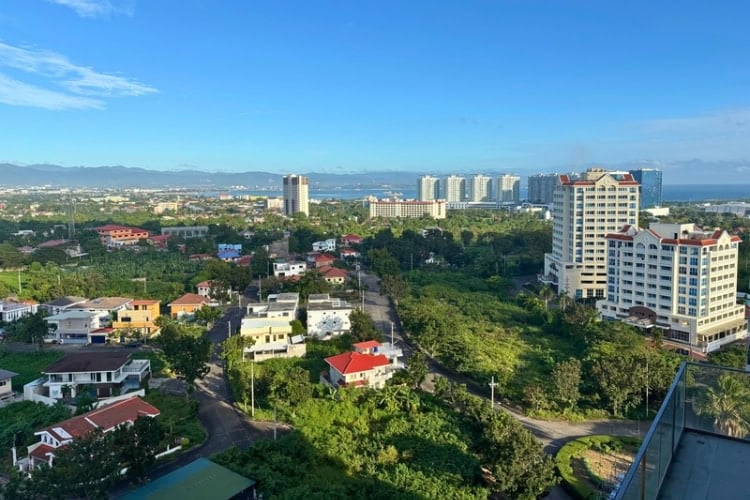
A bus ride from Mactan–Cebu International Airport to my hotel, located just 10 kilometers (6.2 miles) away, gave me the opportunity to form my first impressions of Mactan Island, which is part of Cebu province. While other passengers, weary from a long overnight flight, were mostly sleeping, I tried to pay close attention to every detail I could see from the window.
Traffic jams, people walking along streets with few sidewalks, shops on nearly every corner, and the tangled overhead cables so typical of Southeast Asia all define the scene. But what I found unusual were the small, brightly decorated buses, packed tightly inside them. “I want to take a ride there,” was my first thought.
Riding the Iconic Jeepney
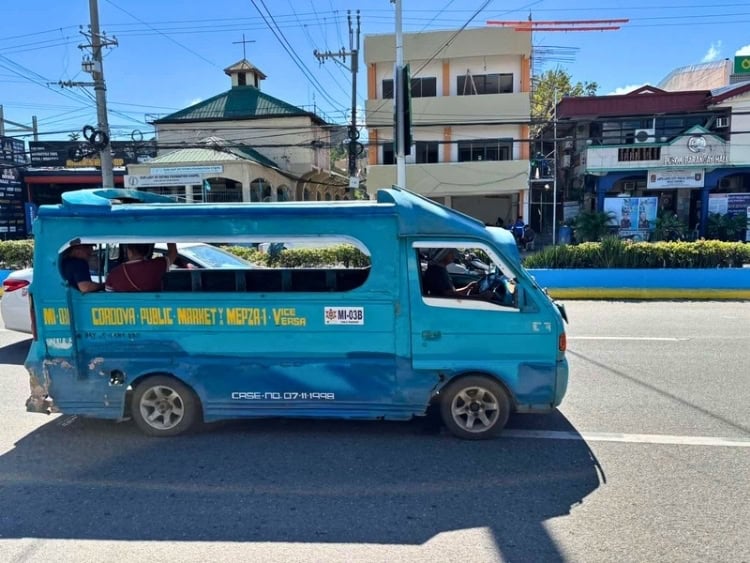
Although I came to Cebu not as a tourist but as a journalist covering an event there, I found enough time to experience traveling in a jeepney—vehicles so iconic to the Philippines. Originally made by modifying surplus U.S. military jeeps left after World War II to carry more passengers, jeepneys are now widely used as a form of public transport across the country.
For less than US$0.30, I traveled from one part of the island to another, sitting in a narrow, low vehicle crowded with people. During my stay in Cebu province, I used a jeepney multiple times, and I was always the only foreigner inside. That was a great opportunity to get a feel for local life and blend in more like a local.
Markets, Prices, and Daily Life
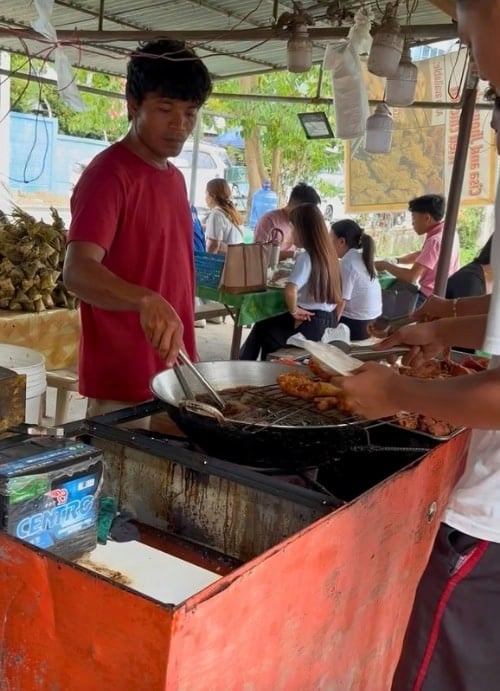
What I value most about travel is the chance to experience a new culture. Green markets are traditionally the best places to get a feel for how it really unfolds. Unlike in places with mass tourism, in Mactan nobody ever tugged at my sleeves to get me to come to their stall and buy something. I wish I could purchase more of what, for me as a European, are exotic fruits such as mango or langsat.
Indeed, in the open-air market, they are very cheap, at least from the perspective of a foreign traveler. But the problem is that it is impossible to transport fresh fruit home by plane, as it will spoil. That is why I went to a supermarket, hoping to buy some dried “exotic” fruit. What I saw there shocked me. Prices were almost at European levels, and most customers were not locals but Chinese.
“Filipinos rarely go to such stores,” an English journalist who has been living in Cebu for the past 11 years told me.
Chinese Influx in Cebu
But why were there so many Chinese people around? They certainly did not look like tourists.
What I learned is that, since 2016, there has been a significant influx of Chinese nationals into the Philippines to work in and operate gambling businesses. Although these operations were banned by the Filipino government in 2024, a noticeable Chinese community remains in Cebu.
Local Tourism Highlights
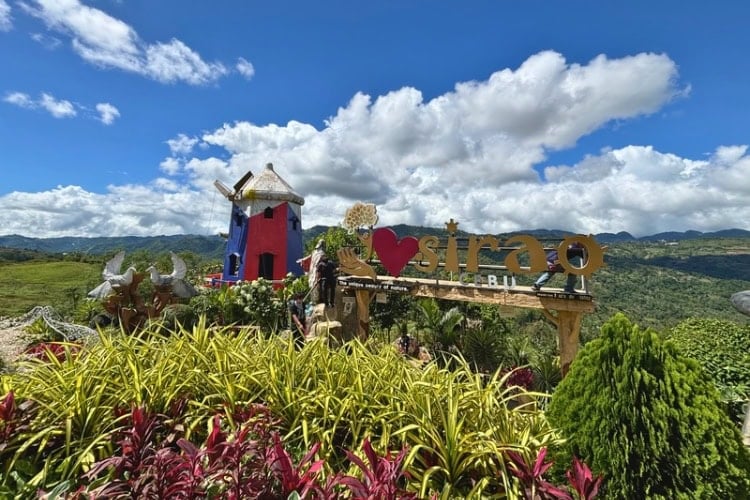
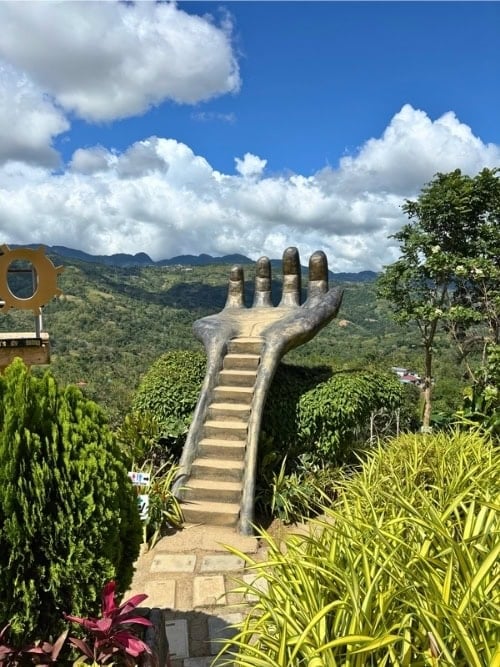
Beyond that, I encountered relatively few international visitors in general. Although the island has major infrastructure and global exposure, it still lacks mass tourism. When, with a group of fellow journalists, we took a taxi ride to visit some of the most famous tourist hotspots, such as the Temple of Leah—built by local businessman Teodorico Soriano Adarna in honor of his wife, Leah Villa Albino-Adarna—and Sirao Pictorial Garden, I noticed that most visitors were locals.
They even stopped us to ask for photos together. It was another reminder of how rarely the island is visited by international tourists, despite offering everything from mountain hikes to diving and snorkeling in the clear waters of the Bohol Sea.
Read More: Palawan Perfection: Exploring the Philippines’ Last Ecological Frontier
A Glimpse Into Neighborhoods
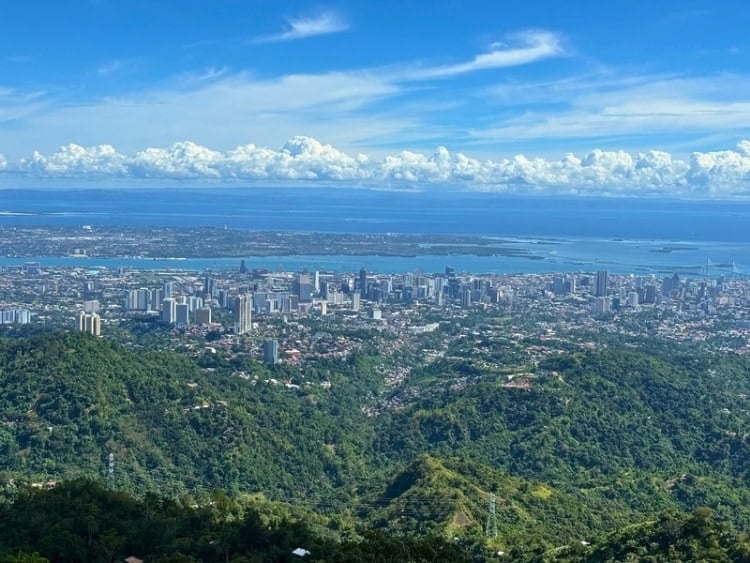
On the way back to Mactan, we asked the driver to stop in a random village, as we wanted to see how people there live. Since we had a tight schedule, and the village was not on the way to our destination, he stopped in a suburb of Cebu City. We walked down the streets as locals came out to greet us.
“Hey, you’re so tall,” a kid told me while preparing to play basketball with his friends.
Coming from the Balkans, where people tend to be taller on average, I stood out more in the Philippines. Still, despite differences in average height, basketball is extremely popular there and deeply loved.
Unfortunately, I didn’t have much time to shoot hoops with them, as we continued through extremely narrow alleys. In a quiet, dead-end street, we were greeted by a family who was just about to have lunch. They invited us to join them and insisted that we taste their homemade chicken soup.
That moment left a lasting impression. Throughout my stay in Cebu, I saw people living in very difficult conditions, yet consistently displaying warmth, generosity, and resilience.
Night Ride and Reflections
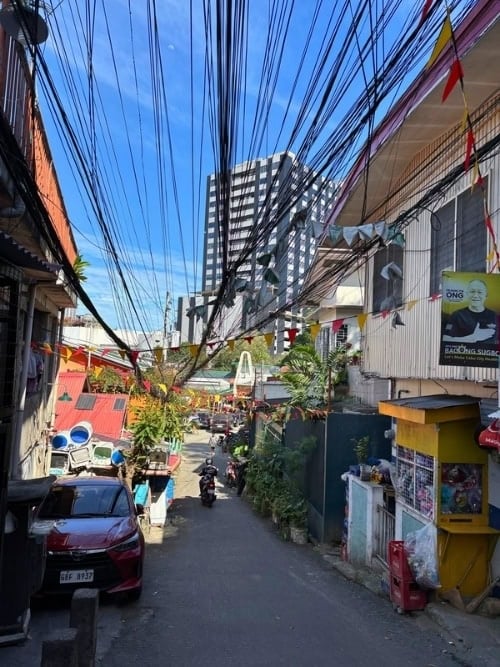
One evening, after taking a stroll through downtown Cebu City, which felt perfectly safe, a young local man riding a motorcycle asked me if I needed a ride. Since it was pretty late and I was not sure if I could find a taxi, I accepted his offer. If you’re considering a spontaneous ride like this, check out our guide to 15 things savvy travelers do to avoid getting scammed before you go.
With no traffic at that hour, the journey still took over half an hour back to Mactan.
Conversations With Locals
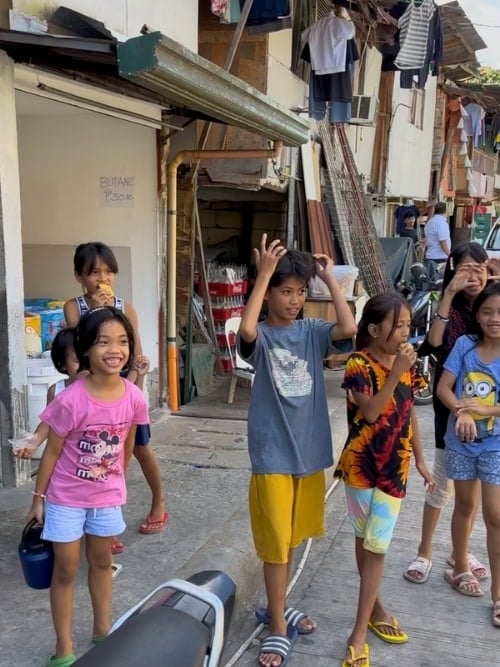
While most journalists learn about a destination through conversations with officials, I have always believed that a real understanding of a place comes from talking to “ordinary” people. With a 21-year-old call center agent who works part-time as a motorcycle taxi driver to earn extra income, I talked about everyday life in the Philippines. I told him how I find it amazing that people, despite living in tough conditions, never complain but instead always keep a smile on their faces.
“That’s because we have it for breakfast,” he said, referring to it as something completely normal in their everyday routine, and adding that they’ve learned that complaining doesn’t help.
Looking at the neighborhoods along the road, I was struck by the contrast between living conditions and the warmth of the people, which stayed with me long after.
First impressions of a country often come from what meets the eye—weather, buildings, and streets. But a deeper understanding comes only through conversations with locals. In Cebu, despite its incredible nature, the people are its greatest treasure. Their warmth and generosity make it not only a window into the Philippines, but also into Southeast Asia as a whole.
Need a hand planning your trip? Here are the sites and services we rely on most, from booking tools to travel products we love.
Inspire your next adventure with our articles below:
- Beneath the Surface of Bali: Why the Island Remains One of Asia’s Most Rewarding Dive Destinations
- Why Da Nang Is the Perfect Base for Exploring Central Vietnam
Author Bio: Nikola Mikovic is a freelance journalist based in Serbia, reporting on geopolitics, energy, economics, tourism, and regional developments across Eurasia. His work has been featured in leading international outlets, including the South China Morning Post, CGTN, The Times of Central Asia, the Lowy Institute, Diplomatic Courier, and Byline Times, among others.
Want to discover more hidden gems and helpful travel tips? Join our free newsletter for the latest travel secrets and travel articles.
We are reader-supported and may earn a commission on purchases made through links in this article.

- Fall Day Trips from Vancouver: 7 Scenic Walks Worth the Drive - September 15, 2026
- Laos for Backpackers: Vientiane, Vang Vieng and Luang Prabang on a Slow-Travel Route - September 15, 2026
- Why “Just Immerse Yourself” Won’t Teach You Spanish, No Matter How Long You Stay - September 15, 2026
Planning another trip soon? ✈️
Add GoWorldTravel.com as a preferred source on Google. Click the button below so our local guides, packing hacks, and hidden-gem itineraries always show up first when you search!
Add to Preferred Sources