

This post is sponsored by SafetyWing. All opinions are my own.
It wasn’t until a street dog sank its teeth into the back of my leg that it hit me I should’ve bought travel insurance. As if the motorbike crash or losing my phone hadn’t been enough of a hint.
But no, it took a dog bite and a month of rabies shots across Southeast Asia before I grasped that skipping it to save a few bucks was perhaps the stupidest decision of the trip. And that’s coming from someone who crashed a motorbike.
This is how I became a passionate, slightly traumatized advocate for buying the best travel insurance for international travel. I’ve done the legwork, one limping step at a time, so you don’t have to.
The Case for International Travel Insurance
Here’s the reality. Travel is uniquely, almost impressively, ripe for things to go wrong, no matter how carefully you plan. Many travelers assume their home coverage is enough. Sometimes it is, depending on where you’re from. But Americans in particular are in for a rude awakening.
A medical evacuation flight alone can cost anywhere between $50,000 and $200,000, depending on where you are. The “I’ll be fine” traveler is the one who ends up with a GoFundMe. Or just a very sad bank account.
How to Choose the Best Travel Insurance for International Travel

Not all travel insurance is created equal, and the differences matter more than you’d think. Here’s what to actually pay attention to before you buy.
Medical Coverage Limits
This is the big one. You want at least $100,000 in medical coverage for international travel. In countries with high healthcare costs, such as Japan, Australia or Switzerland, $250,000 is safer. Some plans cap out at $50,000, which sounds like a lot until you’re looking at a hospital bill in Tokyo.
I got incredibly lucky during my time in Southeast Asia. Hospital visits and motorbike crashes totaled slightly under $1,000 in out-of-pocket costs. Until I came back to the States and got slammed with a massive bill for my final rabies shot. But that’s another story. And for the record, travel insurance wouldn’t have covered that one anyway. Coverage ends when you get home.
Evacuation Coverage
Medical evacuation, in simplest terms, is organized transport to a hospital that can treat you by ambulance, flight or whatever the situation requires. If you have a broken bone or a cardiac event in a remote location, that can mean an entire flight to your home country or a specialized hospital that would be nearly impossible to reach on your own.
This can add up to anywhere from $50,000 to $200,000 out of pocket. This is the coverage most people skip and the one most likely to financially ruin you if something goes seriously wrong far from home. Look for at least $100,000 in evacuation coverage, and more if you’re heading somewhere off the beaten path.
Trip Cancellation
If your travel costs are largely non-refundable, trip cancellation coverage matters. It reimburses prepaid expenses if you have to cancel for a covered reason: illness, family emergency, and, unfortunately, in this day and age, political conflicts and war. Some plans built for long-term travelers skip this entirely in favor of lower monthly costs, so if trip cancellation is a priority, make sure to check before you buy.
Adventure Sports Coverage
Most standard travel insurance quietly excludes adventure activities such as skiing, scuba diving, motorbike riding or anything with a reasonable chance of sending you to a hospital. I did two of those three activities, and we all know how that went.
Luck was on my side again, thanks to the kind Thai locals who took pity on me after I crashed my new friend’s rented Yamaha, which, of course, was brand new. They cut me a deal on the repairs, bless them. But many times, you simply don’t get that lucky.
If your trip involves anything more adventurous than a beach chair, make sure your plan either includes sports coverage outright or offers it as an add-on. Some providers cover 250+ activities as standard. Others charge extra. A few don’t cover it at all.
Subscription vs. Single-Trip Policies
This distinction matters most for long-term and frequent travelers. Single-trip policies are priced per trip, which is fine for a two-week vacation, but expensive and cumbersome if you’re on the road for months. Subscription-based plans bill monthly and renew automatically, so you stay covered regardless of how long you’re traveling, without buying a new policy each time.
For anyone spending significant time abroad, the subscription model is almost always the better deal. I was traveling for three months in Southeast Asia, so naturally, a subscription plan would have served me well.
How the Top Travel Insurance Options Compare
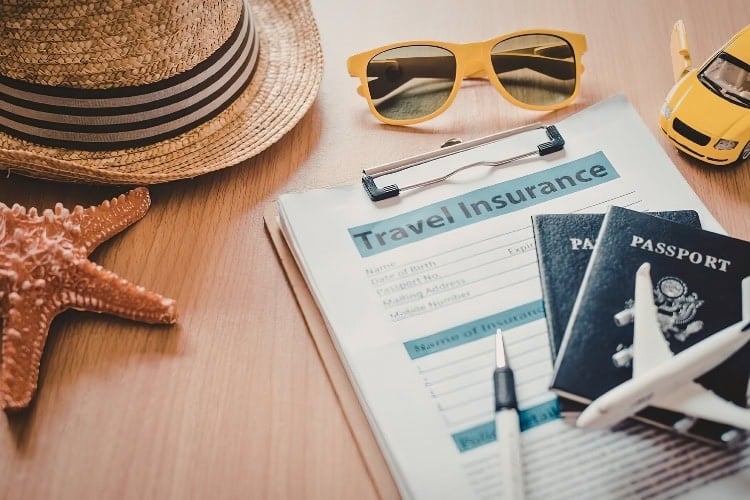
Here’s how some of the most popular international travel insurance options compare. Note that figures can vary based on age, destination and trip length, so always confirm current pricing directly with the provider.
| Provider | Best For | Price Range | Medical Limit | Deductible | Subscription | Adventure Sports |
|---|---|---|---|---|---|---|
| SafetyWingTop Pick | Digital nomads & long-term travelers | ~$56 / 4 weeks (ages 10–39) | $250,000 | $0 | Yes — renews every 28 days | Add-on available (+$10/4 wks); included in Complete plan |
| World Nomads | Short-to-mid term adventure travelers | ~$80–$257 / trip (varies) | Up to $250,000 (Epic plan) | $0 for US travelers | No — single-trip or annual only | Included in all plans (250+ activities) |
| Genki | Digital nomads wanting health-first coverage | ~€64/mo (~$70 USD), approx. age 30 | Up to €1,000,000 (~$1.1M USD) | €50 (~$55) outpatient; $0 inpatient | Yes — monthly subscription | Included (most sports); extreme sports also covered |
| Allianz | Vacationers & families; trip protection focus | Varies widely by trip cost | Up to $75,000 (Premier) | $0 | Annual plans only — not rolling | Limited — high-risk activities generally excluded |
Since I do long-term travel, I typically go for SafetyWing. I love its simplicity, and it checks every box for what I need. And ironically, every time I’ve bought it, nothing goes wrong. Murphy’s law.
The right choice really depends on your travel style. If you’re a frequent long-term traveler, Genki’s medical limit alone is worth a second look. If you’re more of a once-a-year vacationer, the single-trip options might serve you better.
Top Travel Insurance Options for International Travelers

Below you’ll find a closer look at each provider. SafetyWing is based on personal experience. The remaining three are based on independent research.
SafetyWing: Best for Long-Term Travelers
I’ve used SafetyWing for two trips: a several-month solo trip through Europe and a month in Latin America with a friend, covering Colombia, El Salvador and Guatemala. Between pickpocketing risks across European trains and carrying expensive electronics through three countries I’d never visited before, I didn’t want to go in blind.
What I appreciated most is how easy SafetyWing is to navigate. The inclusions and exclusions are clearly laid out, signup takes minutes, and their customer service chat walked me through exactly what was covered for our specific itinerary before we left.
SafetyWing’s Nomad Insurance runs on a 28-day rolling subscription, meaning it automatically renews monthly until you cancel. There’s no deductible on either plan, and one child under 10 can be added to a parent’s policy at no extra cost.
For our Latin America trip, we added the adventure sports add-on, which covers high-risk activities like volcano hiking, scuba diving and skydiving for an extra $10 per 28 days. Our electronics were covered too, which, given the theft risk in some of our destinations, was non-negotiable.
SafetyWing is my top choice for long-term and frequent international travelers. Learn more here.
World Nomads
World Nomads is the go-to for adventure travelers who want activity coverage baked in from the start. Over 250 sports and activities are included across all plans, no add-on required. Plans are single-trip only and cover up to 180 days, with medical coverage ranging from $100,000 to $250,000 depending on the tier. No deductible for US travelers. The downside is flexibility. There’s no subscription option, and it’s on the pricier end. Best for adventurous travelers on clearly defined trips.
Genki
Genki is a German company, which means it’s regulated under strict European consumer protection laws. Their headline number is hard to ignore: up to €1,000,000 (~$1.1M USD) in medical coverage. Like SafetyWing, it runs on a monthly subscription and adventure sports are included as standard.
Worth noting for American and Canadian travelers: if you return to the US or Canada during your trip, coverage is limited to seven days per visit on the base plan. There’s also a €50 (~$55 USD) deductible per outpatient visit, though hospital stays have no deductible. Best for digital nomads who want the highest possible medical coverage and don’t plan to spend much time back home.
Allianz
Allianz is the most traditional option here and the strongest choice if trip protection is your priority over medical coverage. Their ‘Cancel Anytime’ upgrade reimburses up to 80% of non-refundable costs, among the highest in the industry.
Medical coverage caps at $75,000, the lowest of the four, and high-risk adventure activities are generally excluded. Children 17 and under travel free on select plans. Best for families and vacationers seeking strong trip-cancellation coverage.
Which Travel Insurance Is Right for You?

Digital Nomads and Remote Workers
If you’re working remotely and bouncing between countries for months at a time, you need coverage that keeps up with you. SafetyWing’s 28-day rolling subscription was built for exactly this lifestyle. It’s affordable, flexible, and easy to manage from anywhere. Genki is worth considering if higher medical limits are a priority, but for most nomads, SafetyWing hits the sweet spot of price and coverage.
Frequent International Travelers
If you’re not a full-time nomad but travel several times a year internationally, a subscription plan still makes more sense than buying a new policy for each trip. With SafetyWing, you can turn coverage on when you leave and turn it off when you’re back home. The $0 deductible means a clinic visit for food poisoning or a minor injury is actually worth claiming, not just major emergencies.
Adventure Travelers
If adventure is the whole point of your trip, World Nomads is a great option. Over 250 activities are covered across all plans from the moment you buy, no add-ons or extra steps required. For high-volume adventure travelers, that convenience is hard to beat. SafetyWing’s adventure sports add-on is a solid and affordable option, too, but if activities are your primary concern, World Nomads is hard to beat.
Single-Trip Vacationers
If you’re taking one or two trips a year, a subscription plan probably isn’t worth it. Allianz is the strongest pick here for protecting non-refundable costs, with trip cancellation coverage that’s hard to match. World Nomads works well too if your trip involves any adventure activities.
So, What Is the Best Travel Insurance for International Travel?
Of course, it depends on how you travel, but for long-term travelers, frequent flyers and digital nomads, SafetyWing is my top choice. The subscription model, $0 deductible and straightforward coverage make it the easiest and most flexible option for anyone spending serious time abroad. If you’re ready to stop winging it (and avoid learning the hard way like some of us), you can get started with SafetyWing here.
Inspire your next adventure with our articles below:
- Why You Need International Travel Insurance When You Travel
- Travel Insurance After 60: The Essential Guide for Retired Travelers
Want to discover more hidden gems and helpful travel tips? Join our free newsletter for the latest travel secrets and travel articles.
We are reader-supported and may earn a commission on purchases made through links in this article.

- Staying Overnight at the Haunted Lizzie Borden House in Fall River, MA - September 28, 2026
- Skip Oktoberfest: Stuttgart’s Cannstatter Volksfest Is Smaller, Cheaper and Way Less Crowded - September 19, 2026
- Want to Speak Better Spanish on Your Next Trip? Here’s How - September 2, 2026
Planning another trip soon? ✈️
Add GoWorldTravel.com as a preferred source on Google. Click the button below so our local guides, packing hacks, and hidden-gem itineraries always show up first when you search!
Add to Preferred Sources