
A hidden beach is rarely hidden because nobody knows it exists. More often, it is hidden because it is inconvenient in exactly the right ways.
There may be a ferry. There may be one road in and one road out. There may be no boardwalk, no late-night bar scene, no easy string of oceanfront hotels with valet parking and frozen drinks. You might have to pack groceries, check tide charts, reserve a campsite months ahead, or accept that the water is beautiful but brutally cold.
That is the trade. You give up ease. You get space.
These are not backup beaches for people who could not get a room in Myrtle Beach, Clearwater, Miami, Pensacola, or the Outer Banks. They have their own texture: wind-shaped dunes, wild horses, working harbors, bird sanctuaries, freshwater cliffs, redwood forests, ferry docks, quiet streets, and that rare feeling of arriving somewhere that has not been fully flattened into a vacation product.
1. Perdido Key, Florida
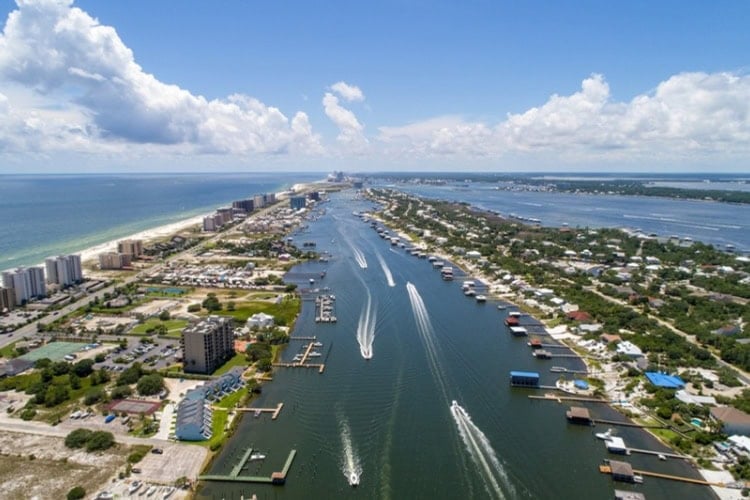
Perdido Key sits at the western tip of Northwest Florida, tucked between Pensacola, Florida, and Alabama’s Orange Beach. Most travelers reach it by flying into Pensacola and driving west, or by folding it into a Gulf Coast road trip that includes Gulf Shores or Pensacola Beach.
What makes Perdido different is how quickly the developed Gulf Coast begins to loosen its grip. Instead of a wall of high-rises, the island still has long stretches protected as state and federal parkland. Johnson Beach, part of Gulf Islands National Seashore, is the anchor: white sand, blue-green Gulf water, dunes, boardwalks, pavilions, and enough room to walk past the obvious crowd.
Its famous neighbor is Pensacola Beach, which has more restaurants, more hotels, and more energy. Perdido Key feels quieter and less performative. It is not trying to entertain you every second.
The thing to do here is spend a slow morning at Johnson Beach, then keep walking west until the beach starts to feel less like a destination and more like a barrier island doing what barrier islands do.
The caveat: this is still the Gulf Coast. Summer traffic can be real, and services thin out once you move into the protected areas. There is also no roadside parking in parts of the Perdido Key area, so you have to plan around official access points rather than improvising.
2. Rockport, Texas
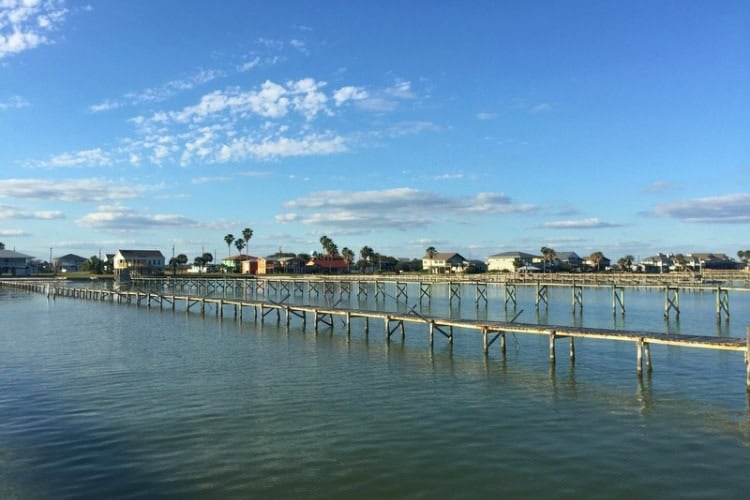
Rockport sits on the Texas Gulf Coast north of Corpus Christi, facing Aransas Bay rather than the open Gulf. Most travelers arrive by car, either from Corpus Christi, San Antonio or Houston.
This is not the sweeping, surfy Texas beach people imagine when they think of Padre Island. Rockport Beach is calmer, shallower and more managed, known as Texas’ first Blue Wave Beach. That makes it especially appealing for families, swimmers who want gentler water and travelers who like their beaches with picnic tables, piers and an actual small-town waterfront nearby.
Its famous neighbor is Port Aransas, which has more of a classic Texas beach-town vacation feel. Rockport is quieter and more bird-focused. It trades surf energy for bay light, art galleries and access to some of the most important bird habitat on the Texas coast.
The one thing to do here is take a whooping crane boat tour from the Rockport-Fulton area. The cranes winter around the Aransas National Wildlife Refuge, and seeing them turns a beach trip into something stranger and more memorable.
The caveat: if you want big waves, this is not your beach. Dogs are also not allowed inside Rockport Beach itself because of its bird sanctuary status, and the rules are more controlled than at looser, drive-on Texas beaches.
3. Assateague Island, Maryland and Virginia
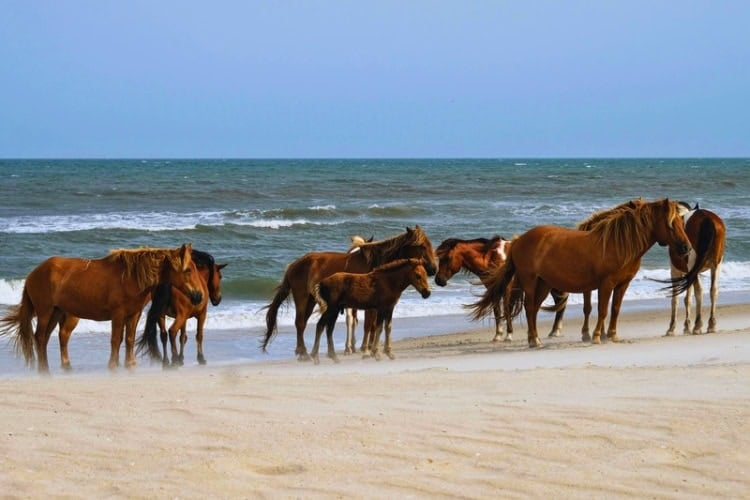
Assateague Island stretches along the coasts of Maryland and Virginia, a barrier island of beach, salt marsh, maritime forest and wind. Most visitors reach the Maryland side from Ocean City, Maryland, while the Virginia side is accessed through Chincoteague.
Assateague’s famous neighbor is Ocean City, which has the boardwalk, hotels, arcades and summer crowds. Assateague feels like the landscape after the volume has been turned down. The beach is still busy in season, but it is wilder in spirit. The island is shaped by storms, tides and the daily movement of animals.
The signature experience is seeing wild horses near the dunes or marsh. That is also the responsibility. They are not props, and they are not tame. The best version of Assateague is not the one where you get close to a horse for a photo. It is the one where you understand you are visiting a place that belongs to more than people.
The caveat: mosquitoes can be vicious, summer camping is exposed and weather can change the mood quickly. You also need to keep a safe distance from the horses and store food carefully. This is a beach with wildness still attached, which means it does not always behave like a resort.
Read More: Wild Ponies and Windswept Beaches: Camping on Assateague Island
4. Ocracoke Island, North Carolina
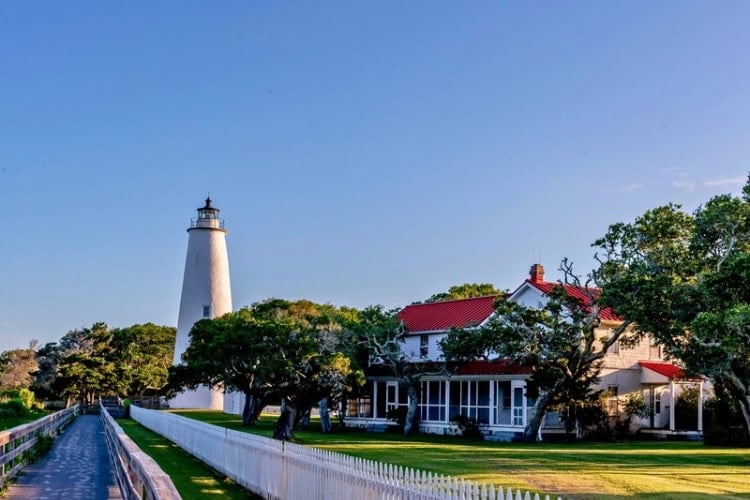
Ocracoke is part of the Outer Banks, but it feels different enough to stand on its own. You cannot simply drive there without thinking. You arrive by ferry: from Hatteras at the north end, or from Cedar Island or Swan Quarter on the mainland side.
That ferry ride is the filter. The broader Outer Banks can feel busy and heavily vacationed, especially around Nags Head, Kill Devil Hills and Corolla. Ocracoke is more remote, more village-like and more committed to its own pace.
The beach itself is part of Cape Hatteras National Seashore, with long, open strands that make the island feel larger than its village. But the village matters too: narrow lanes, old cemeteries, small shops, golf carts, bikes and the sense that the sea is never far away.
The specific thing to do here is pair a morning at Ocracoke Beach with a visit to the Ocracoke Lighthouse and the island’s small historic village. It is not a checklist day. It is a day where the ferry, the beach and the village all become part of the same story.
The caveat: ferry logistics are real. Some routes take reservations, some do not, and summer delays can test your patience. Lodging is limited compared with the busier Outer Banks, and once you are there, you are there. That is exactly why it works.
5. Edisto Beach, South Carolina
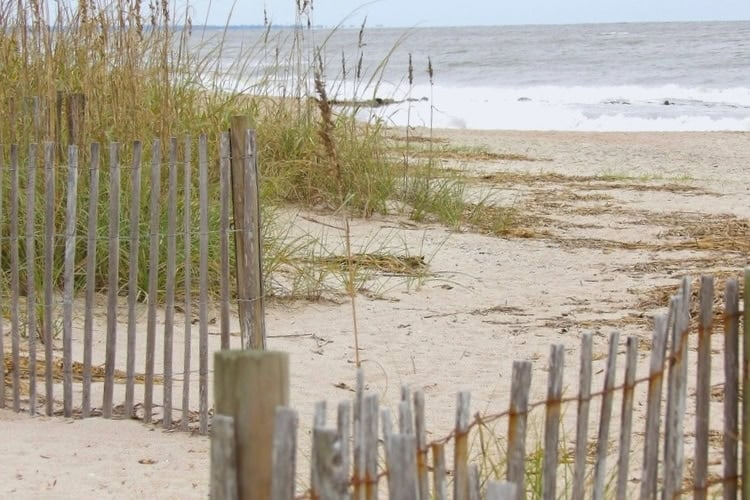
Edisto Beach sits on Edisto Island, south of Charleston and north of Beaufort, at the end of a slower drive through the South Carolina Lowcountry. You do not stumble into Edisto. You decide to go there.
Compared with Hilton Head or Myrtle Beach, Edisto is gentler, smaller and less polished. It is a beach town of cottages, state park land, shelling, bike rides and marsh views rather than towers, outlets and nightlife.
The beach has nearly five miles of shoreline, and Edisto Beach State Park adds trails, camping, cabins, environmental exhibits and access to the ACE Basin landscape. That setting is what makes Edisto distinct. It is not only a beach. It is a Lowcountry threshold: ocean on one side, salt marsh and old coastal roads on the other.
The thing to do here is wake up early and walk the beach for shells, then spend the afternoon on the state park trails where the island’s maritime forest and marsh begin to tell a quieter story than the shoreline.
The caveat: Edisto is small. That is not a flaw, but it is something to respect. Bring what you need, especially if you are staying in a rental or camping. Do not expect late-night options or a packed dining scene. Edisto is best for people who understand that “not much to do” can be a compliment.
Read More: How to Spend a Perfect Day in Beaufort, South Carolina
6. Cumberland Island, Georgia
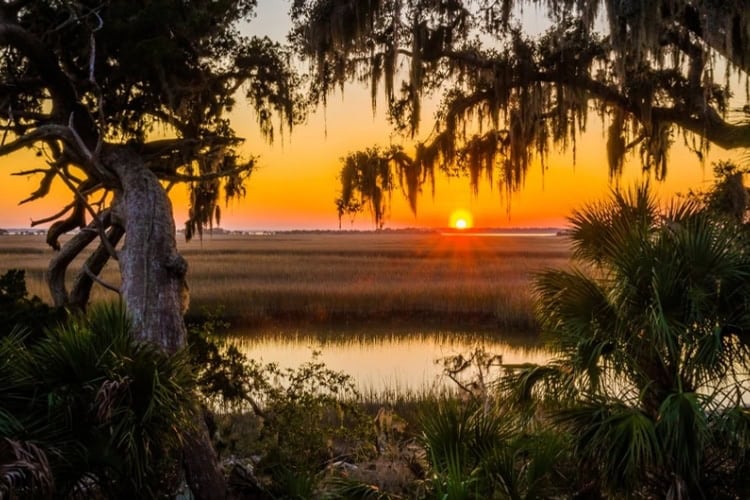
Cumberland Island is Georgia’s largest barrier island, but it does not behave like an easy beach vacation. Most visitors reach it by passenger ferry from St. Marys, and once you land, you are in a national seashore with limited services, no casual convenience stores and very little hand-holding.
That is the point.
Compared with nearby developed beach destinations like Amelia Island or St. Simons, Cumberland feels almost mythic. There are beaches, but also maritime forests, ruins, salt marsh, wild horses and old roads under live oaks. The island carries layers: Indigenous history, Gullah Geechee history, Carnegie-era wealth, wilderness and national park protection.
The one thing to do here is walk from the ferry dock through the maritime forest to the Dungeness Ruins, then continue out to the beach. Few places let you move so quickly from mansion ruins to wild horses to Atlantic surf.
The caveat: Cumberland requires planning. Ferry reservations are essential, camping requires separate reservations and day-trippers need to bring food, water, sunscreen, insect repellent and realistic expectations. Summer heat and bugs can be rough. This is not a beach where you can forget the world will make demands on your body.
7. Manzanita, Oregon
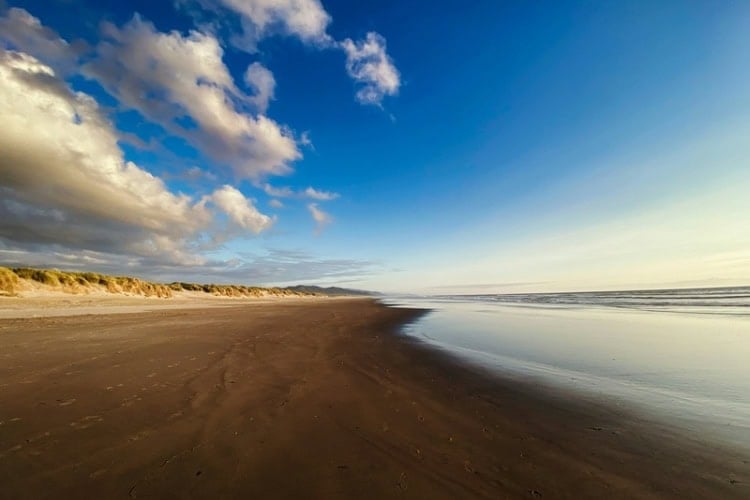
Manzanita sits on Oregon’s north coast, south of Cannon Beach and beneath Neahkahnie Mountain. It is easy enough to reach by car from Portland, but it has a different mood from the more photographed towns nearby.
Cannon Beach has Haystack Rock and the crowds that come with icon status. Manzanita has a long, open beach, a compact village, Nehalem Bay to the south and the mountain watching over everything. It feels less like a stage set and more like a place where people still go to buy bread, walk the dog and stare at the weather.
The specific thing to do is hike Neahkahnie Mountain in nearby Oswald West State Park, then come back down to the beach and see the coastline from below. The mountain gives the beach a sense of scale. You are not just looking at the Pacific. You are standing between ocean, bay and forest.
The caveat: this is the Oregon Coast, not a guaranteed sun-and-swim destination. The water is cold, the wind can be sharp and fog can rewrite the day. If your definition of beach requires warm water and a swimsuit, Manzanita may disappoint you. If you want a moody coast with real atmosphere, it will not.
Read More: Experience the Coastal Charms of Newport, Oregon
8. Point Reyes, California
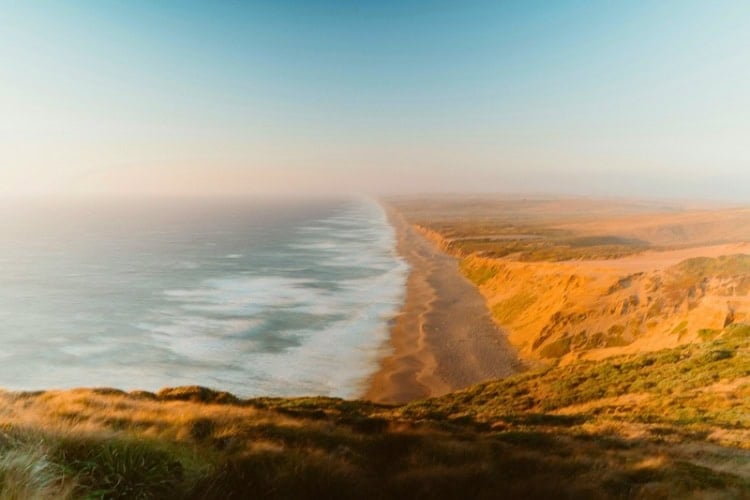
Point Reyes is not exactly unknown, especially to Bay Area travelers. But as a beach destination, it still sits outside the mainstream California fantasy. This is not Malibu, Santa Monica or Laguna. Point Reyes is colder, rougher, foggier and far less interested in glamour.
The national seashore is north of San Francisco in Marin County. You drive through small towns, ranchland and coastal roads to reach beaches that feel more elemental than decorative. Drakes Beach, Limantour Beach and the wilder outer beaches each have their own mood, from protected sand backed by cliffs to long, exposed Pacific edges.
The thing to do here is plan a serious hike to Alamere Falls, one of California’s rare tidefalls, where water drops toward the beach. But this is not a casual social-media shortcut hike. The safe route requires distance, preparation and attention to tides.
That is the caveat, and it matters. Point Reyes beaches can be dangerous. Sneaker waves, rip currents, cold water and no lifeguards are part of the reality. Some routes shown online are unofficial and hazardous. This is a place to admire the Pacific, not underestimate it.
9. Trinidad, California
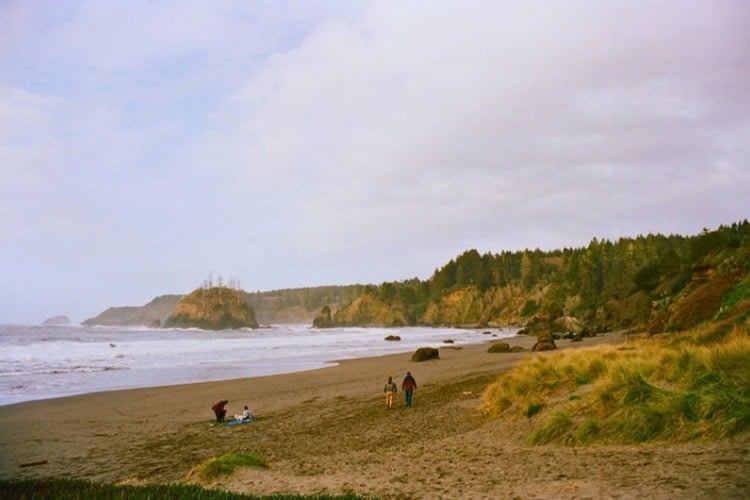
Trinidad sits on California’s far north coast in Humboldt County, north of Eureka and near of Redwood National and State Parks. It is the kind of coastal town that makes Southern California feel like another country: fog, spruce, sea stacks, headlands and dark forest pressing close to the water.
Compared with Mendocino, Monterey or the Central Coast beach towns that draw more obvious attention, Trinidad feels smaller and wilder. The beaches here are not just places to lay out a towel. They are places to walk, tidepool, look for agates, watch the fog move and feel the Pacific as something powerful rather than decorative.
Trinidad State Beach gives you the classic cove-and-headland experience, while nearby Sue-meg State Park adds Agate Beach, coastal forest, cliffs and a reconstructed Yurok village. That cultural and ecological layering is what makes this stretch of coast different.
The one thing to do here is hunt for agates at Agate Beach after visiting the headlands and forest trails of Sue-meg. It is a beach day, but it feels more like a small expedition.
The caveat: the water is cold, the coast can be foggy and services are limited compared with California’s more famous beach towns. Come for drama and texture, not sunbathing certainty.
10. Sleeping Bear Dunes, Michigan
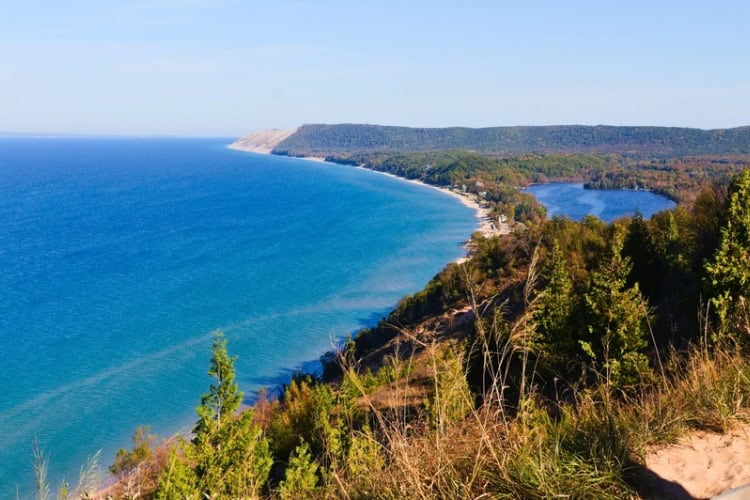
Sleeping Bear Dunes is not hidden to Michiganders, but it is still underimagined by travelers who think “beach” has to mean saltwater. This national lakeshore sits along Lake Michigan in northwest Lower Michigan, near Empire, Glen Arbor and Traverse City.
Its famous neighbors are not one specific town so much as the entire coastal imagination of Florida, California and the Carolinas. Sleeping Bear challenges that hierarchy. The water can be turquoise, the sand is pale and soft, and the dunes rise with a scale that feels almost unreal.
The classic move is the Dune Climb, but the quieter beach experience is North Bar Lake. There, a small inland lake sits close to Lake Michigan, giving swimmers a warmer, gentler place to play before walking over to the big lake’s open shoreline.
The thing you can only do here is move between two kinds of water in a few minutes: the protected inland lake and the vast inland sea of Lake Michigan.
The caveat: Lake Michigan is beautiful, but conditions can change quickly. The dunes are more strenuous than they look, and some climbs are exposed, sandy and exhausting. This is a beach destination with real physical geography. That is what makes it memorable, but it is also what makes it worth respecting.
Honorable Mention: Pictured Rocks, Michigan
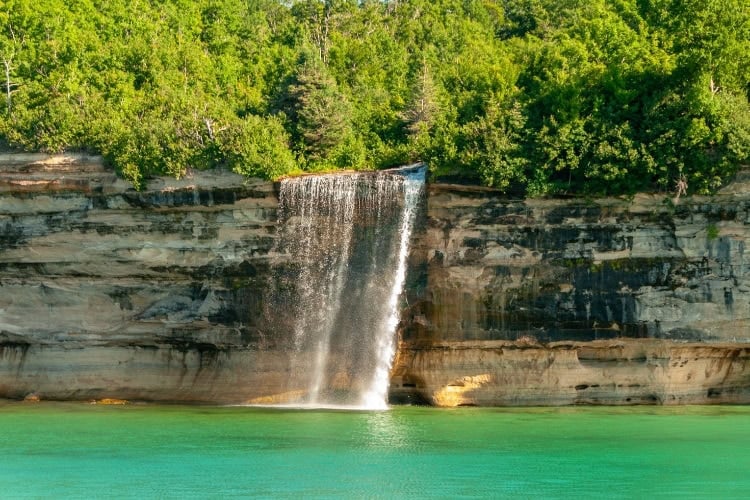
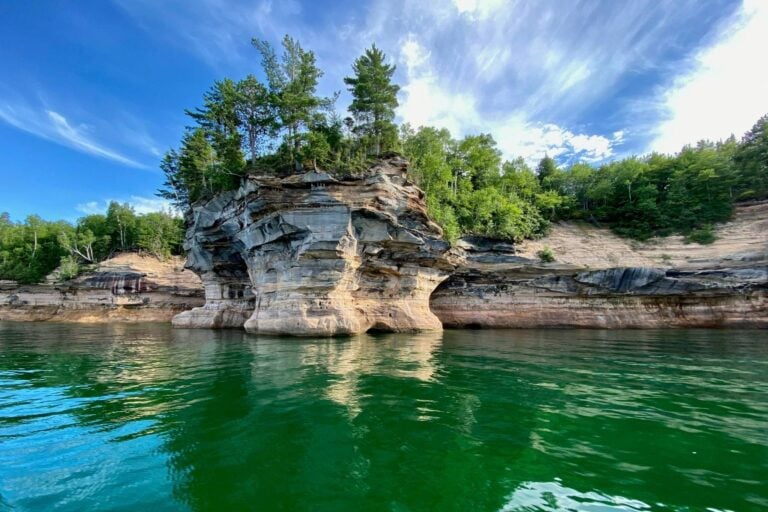
Pictured Rocks National Lakeshore belongs on more beach lists, but maybe not the obvious ones. It is not a place for umbrella drinks and warm surf. It is a Lake Superior landscape of mineral-streaked cliffs, cold water, waterfalls, sandstone, forest and beaches that feel almost northern in their severity.
The gateway town is Munising, in Michigan’s Upper Peninsula. Getting there takes commitment, especially for travelers used to easy coastal airports and resort corridors. But that distance protects the experience.
Compared with the classic summer beach towns of the Great Lakes, Pictured Rocks feels more like a wilderness edge. Miners Beach, Twelvemile Beach and Chapel Beach all offer sand, but the backdrop is different: cliffs, forest, cold blue water and the knowledge that Lake Superior is not pretending to be gentle.
The specific thing to do here is hike to Chapel Beach as part of the Chapel Basin area, passing waterfalls and forest before reaching a beach framed by some of the most dramatic shoreline in the Midwest.
The caveat: this is not an easy beach day. Some trailheads involve rough roads, limited parking, no drinking water and little to no cell service. Lake Superior is cold, rip currents are possible and there are no lifeguards. Pictured Rocks rewards effort, but it does not remove consequences.
For more, read Don’t Miss This: The Hidden Florida Beach Town You’ll Fall in Love With.
Need a hand planning your trip? Here are the sites and services we rely on most, from booking tools to travel products we love.
Inspire your next adventure with our articles below:
- 7 Stunning U.S. Beach Destinations to Take Your Summer to the Next Level
- The California Bucket List: 10 Iconic Experiences from Coast to Mountains
Want to discover more hidden gems and helpful travel tips? Join our free newsletter for the latest travel secrets and travel articles.
We are reader-supported and may earn a commission on purchases made through links in this article.

- 7 Crowd-Free British Autumn Getaways Beyond the Cotswolds - September 18, 2026
- From Gouda to The Hague: Why These 4 Dutch Cities Are Perfect Amsterdam Alternatives - September 18, 2026
- Inside Slovenia’s Charcoal Country: Kilns, Forest Villages and a Living Craft - September 17, 2026
Planning another trip soon? ✈️
Add GoWorldTravel.com as a preferred source on Google. Click the button below so our local guides, packing hacks, and hidden-gem itineraries always show up first when you search!
Add to Preferred Sources