
Sitting on a paddleboard in a very shallow lagoon, four airplanes fly over my head in an insanely tight diamond formation. A few seconds later comes the roar of the fighter plane.
Then two more planes appear in my field of vision, zooming straight up, then dipping down to fly on their sides, letting viewers get a good look at the famous blue planes with yellow accents.
Pelicans and terns shriek and whirl, flying in their own contrasting. I’m near Sand Island in Pensacola, watching the skill and artistry of the US Navy Blue Angel pilots.
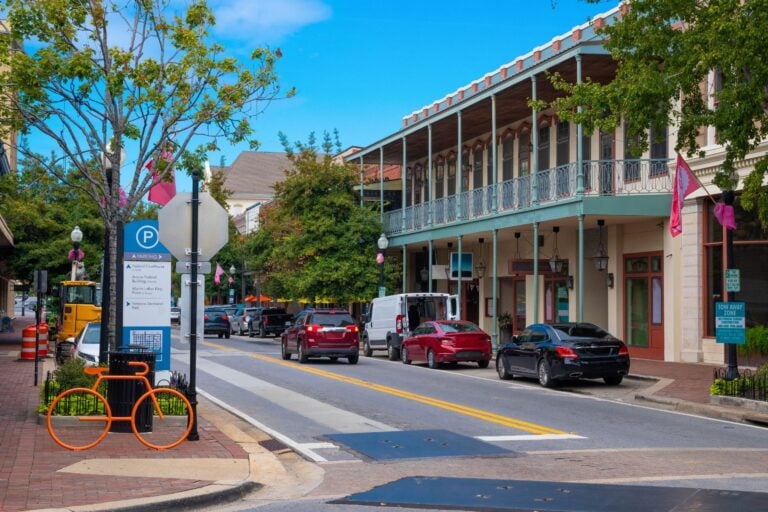
Welcome to Pensacola, Florida
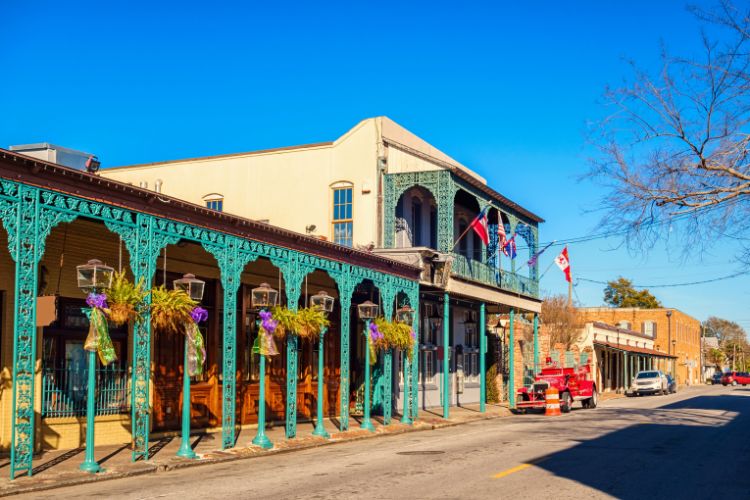
Florida, in the southeastern corner of the US, is second only to New York in international visitor numbers. But most are going farther south to Orlando, Miami, Fort Lauderdale and Tampa. Pensacola is in the far northwestern part of Florida, in the area called the Panhandle.
If you’re driving east from Texas, Louisiana, or Alabama, Pensacola is the first Florida beach town you hit. In addition to being famous as the cradle of naval aviation, it’s well known for its history and especially its beaches.
If you like being outdoors and checking out a less-visited part of the state than southern Florida, Pensacola has a lot to offer.
1. Watch the Blue Angels
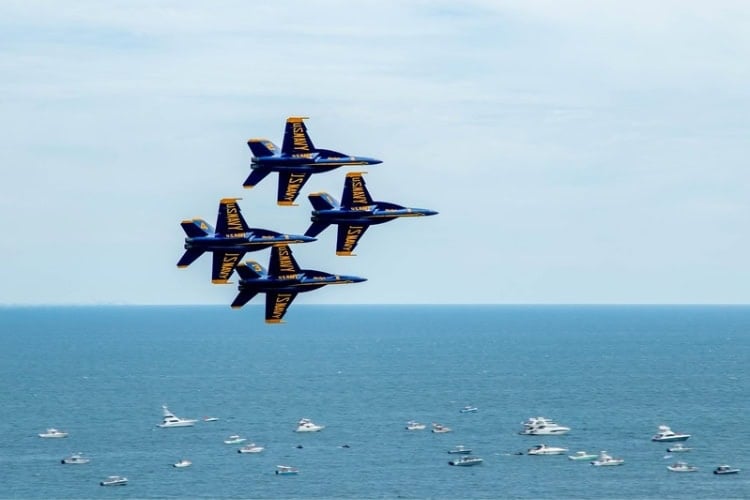
First, a little more on the Blue Angels. This elite flight demonstration squadron has wowed spectators since its formation in 1946. Competition is fierce, with six winning pilots from the US Navy and US Marine Corps filling the coveted and highly demanding spots.
While the team travels around North America, doing more than 60 shows a year, they practice at their home base in Pensacola. So if you’re visiting while the Angels are in town, you can watch them practice for free.
They generally practice on Tuesdays and Wednesdays at 10:30 AM from late March through November. Check out Visit Pensacola’s handy guide for their schedule and the best places to watch them from.
2. Spot Dolphins on a Frisky Mermaid Cruise
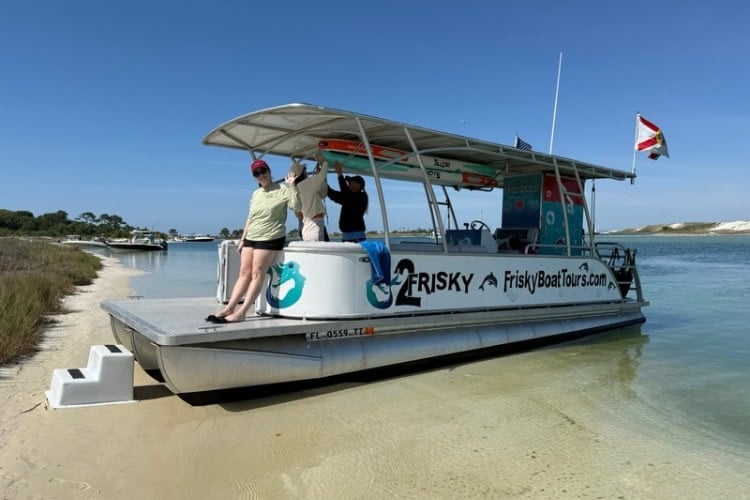
One of the ways to get close to Blue Angels practice is to book Frisky Mermaid’s Blue Angels and Dolphin Cruise. Frisky Mermaid also offers a whole menu of tours and pontoon boat rentals.
Your group of six can bring a picnic lunch and spend the day cruising around, stopping to snorkel or walk on a white sand beach. Or join a public tour (up to 49 guests) for a two-hour dolphin-spotting cruise around the protected waters of Pensacola Bay and Santa Rosa Sound.
Read More: Don’t Miss This: The Hidden Florida Beach Town You’ll Fall in Love With
3. Poke Around an Old Fort
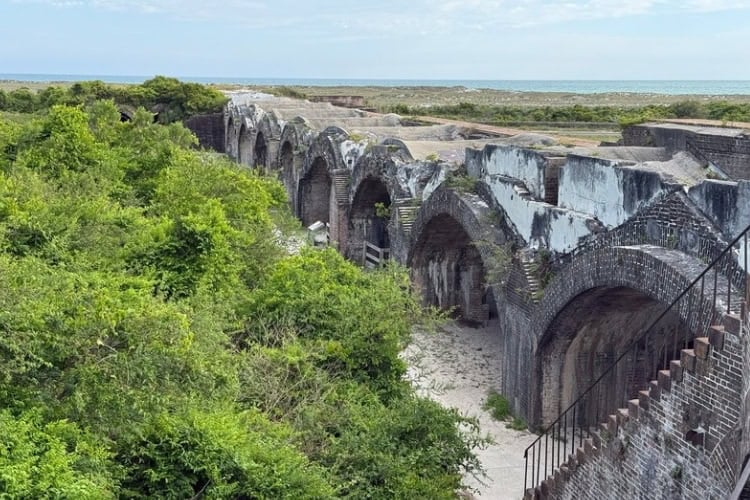
Americans broke ground on Fort Pickens, Pensacola’s largest and most famous fort, in 1829. During the US Civil War, Union soldiers held the fort, which Confederates repeatedly tried to take.
After the Emancipation Proclamation, Fort Pickens was home to at least three United States Colored Troops: the 25th, 82nd and 86th.
“It’s special because it was constructed by enslaved people, but then, through the Emancipation Proclamation, it would be a place where Black men could now force their way into becoming Americans,” National Park Service Ranger Christian Webb told my group. “And they would earn it through battle.”
While it’s fun to prowl the fort’s deserted corridors and marvel at its huge cannons, Webb emphasizes the humanity of the place. He pointed out a handprint in an old handmade brick.
We contemplated the smallish hand, maybe that of an enslaved woman, or a teenage boy, and wondered if she had been making a statement, consciously exerting her existence through the centuries.
4. Dive a Wreck
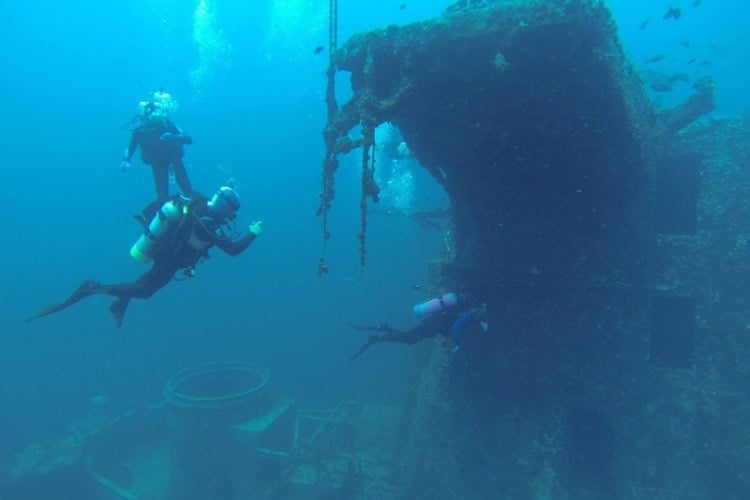
Florida is widely regarded as one of the top scuba diving states in the US, but again, visitors were going elsewhere in the state.
Kerry Freeland, co-owner of Dive Pros, has known how great Pensacola is for diving since he first got certified in the late 1980s. But it took the deliberate sinking of the aircraft carrier USS Oriskany in 2006 to get the world’s attention.
“Boom, all of a sudden, we’re on the map,” Freeland told me as we drove around in his pickup truck, looking for a good place to dive on a day with suboptimal conditions. “And then they discovered the other wrecks that we had. It was incredible how many people were coming.”
We wound up shore diving near Fort Pickens. Kerry pointed out arrow crabs, which look like underwater spiders, along with cowfish, pufferfish, a stonefish and tiny purple anemones.
I’d love to come back and dive more in Pensacola, perhaps for Dive Pro’s annual underwater Easter egg hunt or Halloween underwater pumpkin carving contest.
5. Go Shelling
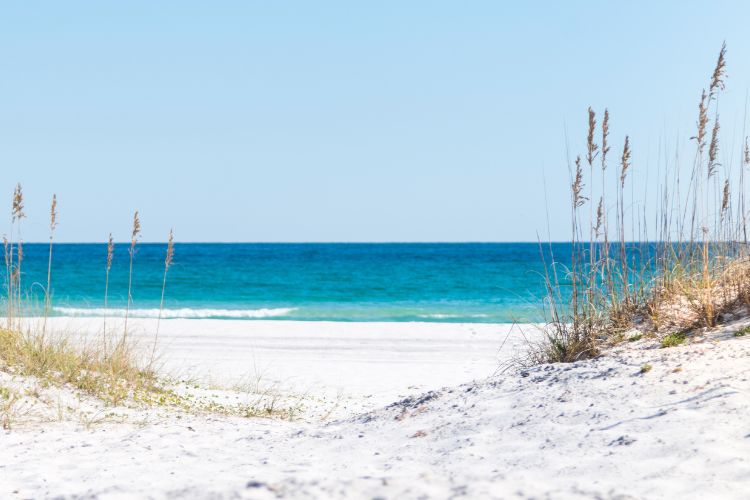
During my visit to Pensacola, not only were the winds up, but a major dredging project was underway. Dredging stirs up the seabed, leading to poor visibility for swimmers, but unusual shells are being dislodged and washing ashore.
Shellers were out in droves, prowling the beach with long-handled sand sifters and saving the best shells in mesh bags. This treasure hunt looks like an addictive hobby. If you go shelling, make sure you take only empty shells, not ones with living critters inside.
6. Check out Carnivorous Plants
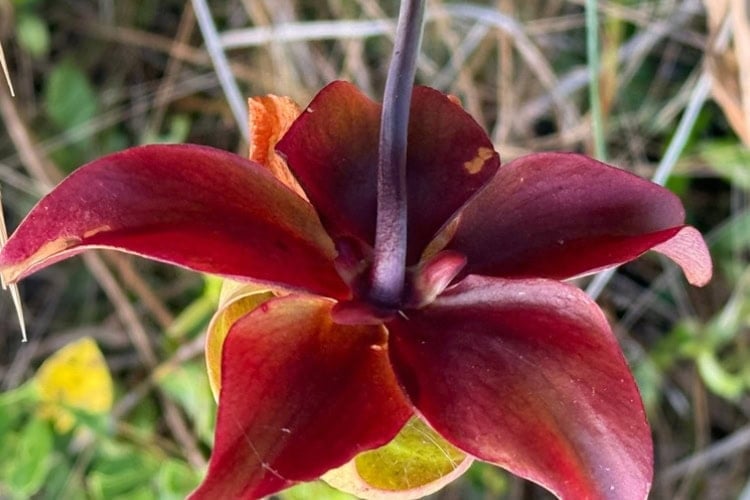
While Pensacola is known for its beaches, it also has interesting land activities. Tarkiln Bayou Preserve State Park was one of my favorite places to visit because it has fascinating carnivorous pitcher plants, rare orchids, and gopher tortoises. It’s just one of Florida’s more than 170 state parks and trails.
7. Climb the Tower at Big Lagoon State Park
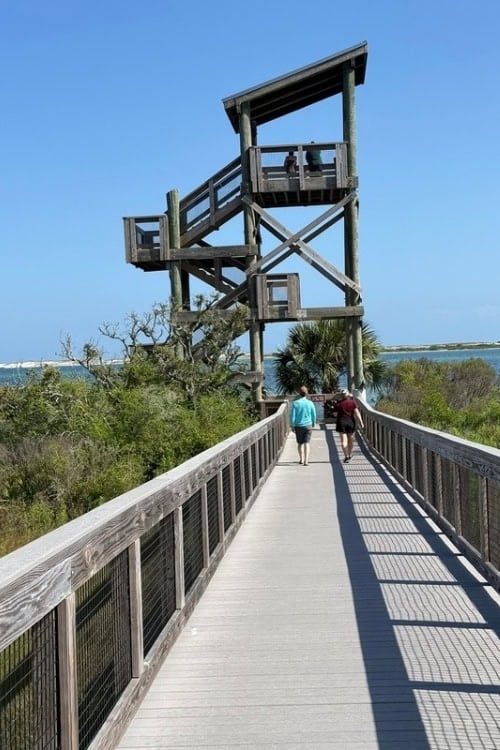
Not far from Tarkiln Bayou, Big Lagoon State Park is a popular spot for picnicking, hiking, birdwatching and easy paddleboarding. If you’re feeling really peppy, embark on a 1,515-mile sea kayaking journey on the Florida Circumnavigational Saltwater Paddling Trail.
There’s also a fun wooden watchtower to climb. Bring your binoculars and look for the many bird species, especially during spring and fall migrations.
8. Kayak the William Bartram Urban Water Trail
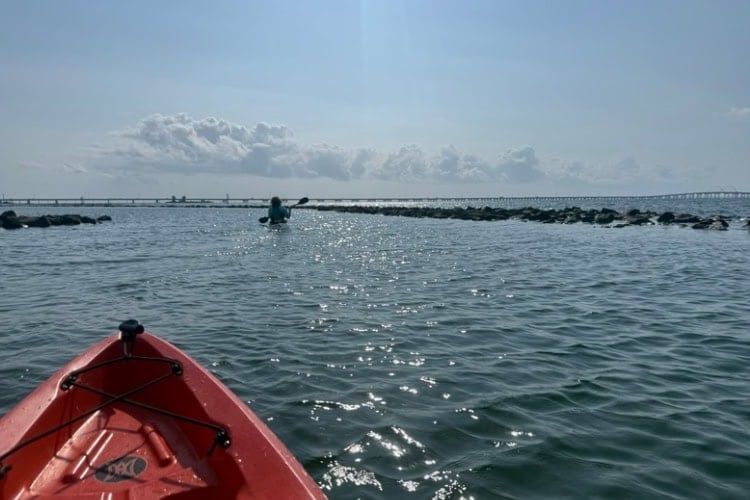
At the time of writing, the new three-mile William Bartram urban paddling trail was still unofficial, so we could be one of the first to say we kayaked it.
My little group of paddlers put in our kayaks at Bartram Park in downtown Pensacola. We started out in the bay, which was a little bouncy that morning, and paddled under the famous Three Mile Bridge.
After some open water, we got into a protected area with grassy banks and a big heron. We finished at Bayview Park, home to the city-run Bayview Outdoor Pursuits Center.
Paul Pipes, outdoor pursuits and volunteer coordinator, says the center offers youth kayak and fishing camps, river excursions, and kayak rentals to locals and tourists alike.
He aims to educate local youth about headwaters, oyster restoration, and stormwater drains, as well as the awesomeness of seeing dolphins from kayaks.
“I think it’s one of the most serene things you can do, just being on the water, checking out the wildlife,” he says.
9. Visit One of Florida’s Oldest Cemeteries
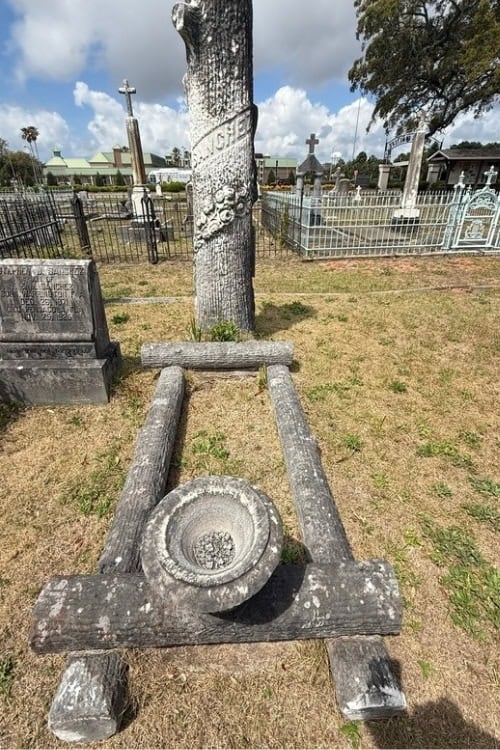
Cemetery buffs like me won’t want to miss Saint Michael’s in downtown Pensacola. I love how the city takes care of this historic place, which became a state park in 1949 and is now cared for by the nonprofit St. Michael’s Cemetery Foundation.
Along with Tolomato Cemetery in Saint Augustine, St. Michael’s is one of Florida’s two oldest extant cemeteries.
The cemetery has an especially good collection of treestones, a popular turn-of-the-twentieth-century death benefit of the Woodmen of the World insurance company. These stones look like tree stumps and have intricate carvings around the base of greenery like ivy, calla lilies, and ferns.
Saint Michael’s has some very well-preserved white marble stones, which have held up much better in sunny Florida than in my rainy homeland of Oregon.
For those fond of haunted history, the Ghosts and Graveyard Tour of Pensacola on Viator takes in haunted historic sites across downtown, including a cemetery stop, on a two-hour evening bus tour.
10. Learn about Historic Bruce Beach
Bruce Beach is a short walk from downtown Pensacola, just past the stadium where the Blue Wahoos baseball team plays.
After World War Two, this was one of the few places open to Black residents for recreation. The US South was racially segregated until the Civil Rights Act of 1964 made this artificial separation illegal.
Now that it has been restored as a park, everyone can enjoy picnicking, walking and swimming at Bruce Beach.
There’s a nice new playground for kids and lots of benches. I especially enjoyed the signage about the beach’s history, accompanied by old photos.
11. Stamp Your Pelican Passport
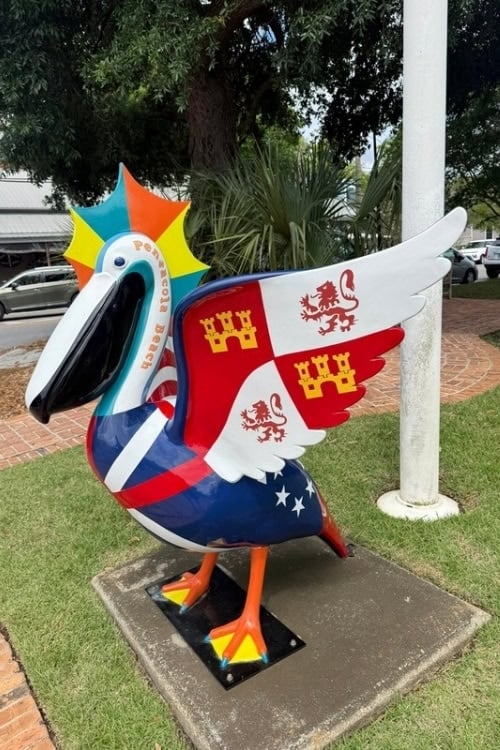
If you walk more than a few blocks around downtown Pensacola, you’re likely to come across a colorfully painted pelican or two.
The ‘Pelicans in Paradise’ project, which launched in 2004, has grown to more than 70 painted fiberglass pelicans scattered across the area. You can mark an online pelican passport as you discover these fun birds around town.
If You Go
Eight major airlines serve Pensacola. It’s a year-round destination, though it gets hot in summer, with average highs in June through September pushing 90 degrees. You’ll find the most pleasant temperatures in late spring and late autumn.
Divers enjoy the best visibility in winter, though water temperatures drop to the 60s.
Before visiting, I didn’t realize that Pensacola Beach is a separate place about 40 minutes from downtown Pensacola. Both have their charms, but they’re very different from each other.
Where to Stay
If you stay at one of the many hotels on Pensacola Beach, the name says it all: You’ll get a lot of beach. If you want to swim, snorkel, make sandcastles, and laze in the sun, this is your beach vacation ground zero.
Prefer being able to walk to more restaurants, museums, and shops? Downtown might be a better bet. Or do what I did: Two nights in the Fairfield Inn & Suites Pensacola Beach and two nights at Oyster Bay Boutique Hotel in Pensacola.
For a special dinner, try the blind tasting menu at bright blue Agapi Bistro & Garden. Consult the Visit Pensacola website to craft your ideal itinerary.
Need a hand planning your trip? Here are the sites and services we rely on most, from booking tools to travel products we love.
Inspire your next adventure with our articles below:
- Top 4 Island Destinations in the Florida Keys: Which One Will You Choose?
- Stuart and Hobe Sound: Florida’s Hidden Coast Where Nature Beats the Crowds
Author Bio: Teresa Bergen writes about water adventures, eco, vegan and sober travel. She’s on a mission to kayak or SUP in every US state and Canadian province—and other countries, too, when she gets the chance. Teresa is the author of Sober Travel Handbook and Easy Portland Outdoors.
Want to discover more hidden gems and helpful travel tips? Join our free newsletter for the latest travel secrets and travel articles.
We are reader-supported and may earn a commission on purchases made through links in this article.

- Darwin, Australia’s Northernmost Capital, Combines Vibrant Markets, Waterfront Life and Access to Kakadu and Litchfield - October 25, 2026
- Paarl: South Africa’s Secret Winelands Escape Where You Can Stay in Historic Wine Tanks - October 25, 2026
- A Quest for the Best Frango Assado in Portugal’s Algarve - October 24, 2026
Planning another trip soon? ✈️
Add GoWorldTravel.com as a preferred source on Google. Click the button below so our local guides, packing hacks, and hidden-gem itineraries always show up first when you search!
Add to Preferred Sources