
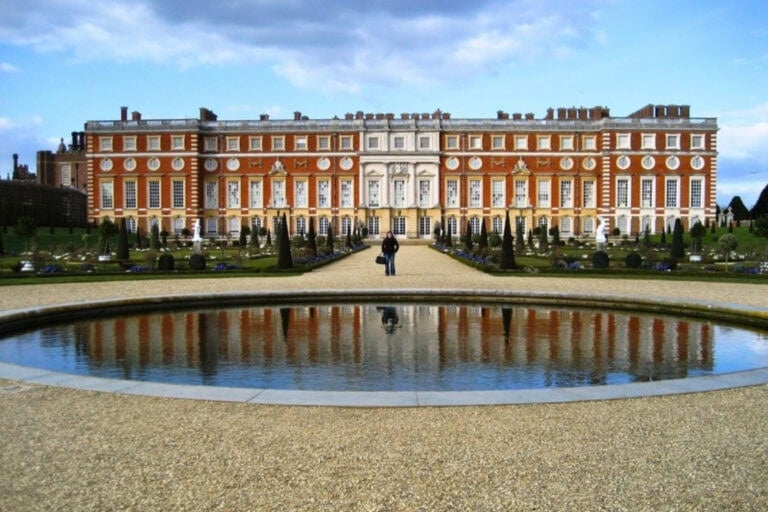

Just nineteen kilometres southwest of London, along a tranquil stretch of the River Thames, stands one of England’s most remarkable historic landmarks: Hampton Court Palace. With more than a thousand rooms, vast courtyards, and centuries of royal intrigue woven into its walls, this is no ordinary palace. It is a destination where history feels alive, layered, and surprisingly intimate.
On my recent visit, what struck me most was not just the scale or grandeur, but the stories. Hampton Court is not a static museum. It is a living narrative of ambition, romance, power, and downfall. Wandering through its corridors is like stepping into a richly textured timeline where the past reveals itself room by room.
Arriving by the Thames
There is something fitting about approaching Hampton Court via the Thames, the same waterway that once carried royalty, courtiers, and supplies to its gates. Today, visitors can arrive by train, on foot, or even by boat, each offering a different perspective of the palace’s commanding presence.
Crossing the bridge toward the entrance, the first glimpse of the red brick façade is striking. The architecture feels both fortress-like and inviting, a reflection of its dual purpose as both home and symbol of power. The air carries a quiet sense of anticipation—you are about to step into a place where history did not just happen; it unfolded dramatically.
Clock Court: Where Eras Collide
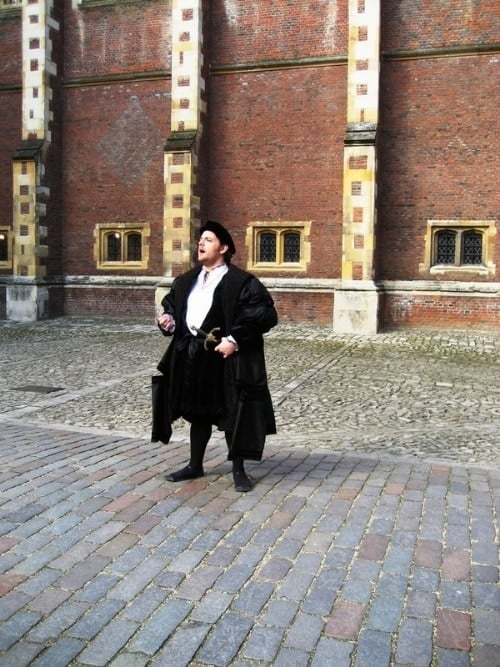
Inside, the journey begins in the Clock Court, a vast cobbled courtyard that immediately sets the tone. Designed to impress and intimidate, its scale alone suggests the authority once wielded here.
What makes this space particularly fascinating is the blend of architectural styles. On one side, the warm Tudor brickwork evokes the era of Henry VIII, Hampton Court’s most famous and formidable resident. On the other, the more restrained elegance of the Baroque additions reflects the tastes of later monarchs, including William III and Mary II, with further refinements under George II and Queen Caroline.
It is an architectural conversation across centuries, one that speaks to changing tastes, shifting power, and evolving ideas of monarchy. With the help of costumed interpreters and audio guides, these layers begin to align, creating a cohesive and compelling story.
The Great Hall: Power and Performance
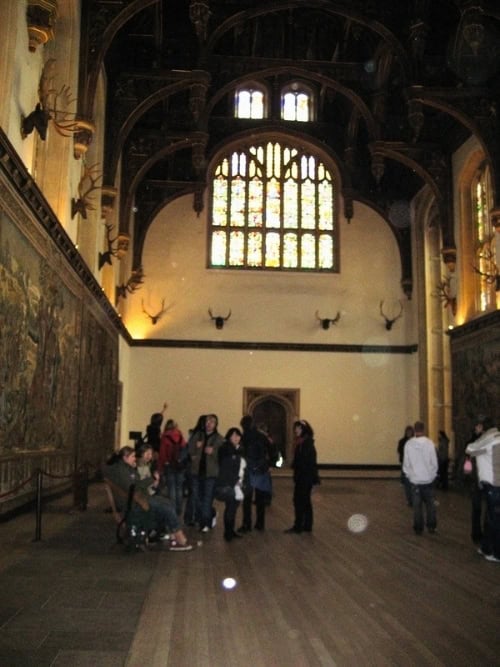
From the courtyard, we move into one of the palace’s most awe-inspiring spaces: the Great Hall. Originally built for Cardinal Wolsey before Henry VIII claimed the palace, it became the heart of royal life.
The room is magnificent. Sunlight filters through stained glass windows, illuminating intricate tapestries that depict scenes of myth and history. Above, the hammerbeam ceiling soars, its craftsmanship both intricate and imposing. Every detail reinforces a sense of grandeur and authority.
Here, royal life was performed as much as it was lived.
Our guide shares that Henry VIII was deeply invested in the image of kingship. Chivalry, strength, and dominance were carefully cultivated ideals. Yet behind that carefully constructed image was a personal life marked by turmoil and relentless pursuit.
Henry VIII and His Quest for a Legacy
Few figures in British history are as compelling or controversial as Henry VIII. His reign reshaped not only the monarchy but the religious and political landscape of England.
His first marriage to Catherine of Aragon produced a daughter, Mary, but no surviving son. Determined to secure a male heir, Henry sought an annulment, ultimately leading to England’s break from the Catholic Church.
His second wife, Anne Boleyn, was intelligent and ambitious, but her failure to produce a son led to her execution. Her story is one of both empowerment and tragedy, a reminder of the precarious position women held within the royal court.
The third marriage, to Jane Seymour, finally delivered the long-awaited son, Edward. Yet even this moment of triumph was overshadowed by loss, as Jane died shortly after childbirth.
Portraits throughout the palace depict these figures in carefully composed scenes, often presenting an idealized version of events. Our guide points out that many of these images were created after the fact, designed to reinforce a narrative rather than reflect reality.
It is a powerful reminder that history is often shaped by those who tell it.
The Haunted Gallery: Echoes of Desperation
As we move deeper into the palace, the atmosphere shifts. The Haunted Gallery is quieter, dimly lit, and steeped in legend.
Here, the story of Catherine Howard unfolds. Young and vibrant, she became Henry’s fifth wife, only to fall from favour amid accusations of infidelity.
According to legend, when she learned of her arrest, she ran down this very corridor, desperate to reach the king and plead for mercy. She was stopped before she could reach him.
Her cries, it is said, still echo through the gallery.
Standing in this space, surrounded by centuries-old portraits, it is easy to feel a sense of unease. Whether one believes in ghosts or not, the emotional weight of the story lingers.
The Tudor Kitchens: Feeding a Court
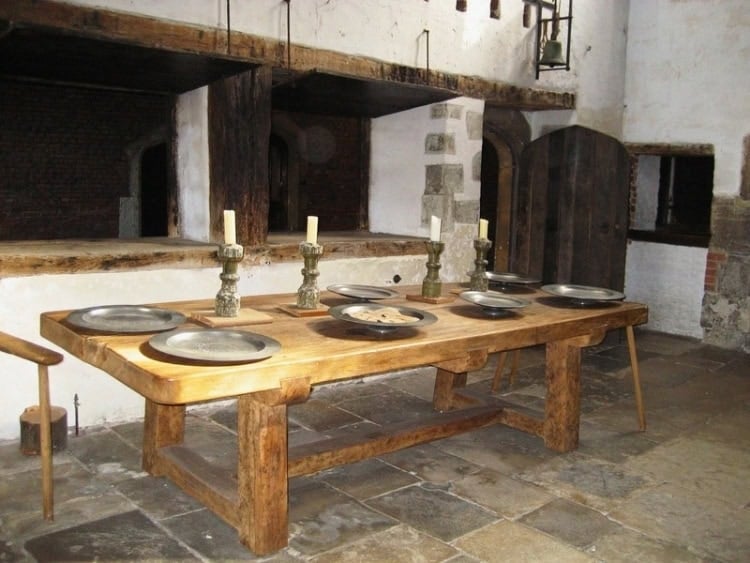
In contrast to the drama of the royal chambers, the Tudor kitchens offer a glimpse into the practical side of palace life.
These vast spaces once fed hundreds of courtiers daily. The scale is astonishing. Huge fireplaces, preparation areas, and storage rooms reveal the complexity of running a royal household. It was an operation that required precision, coordination, and an army of workers.
Here, history becomes tangible in a different way. You can almost hear the clatter of pots, the crackle of fires, and the constant movement of staff working behind the scenes.
Read More: 5 Ways to Rediscover Vienna: Palaces, Wine Taverns, and a Hotel Worth the Splurge
A Shift in Style: The Apartments of William III
Moving into the later sections of the palace, the atmosphere changes once again. The apartments of William III feel lighter and more refined, reflecting a shift in royal priorities.
Gone is some of the heavy Tudor opulence, replaced by a more measured elegance. These rooms speak to a monarchy that was evolving, influenced by broader European trends and changing political realities.
It is a reminder that Hampton Court was not static. It adapted, expanded, and transformed alongside the monarchy itself.
Gardens That Dazzle and Delight
Stepping outside, the palace reveals yet another dimension. The gardens, spanning more than sixty acres, are a masterpiece in their own right.
Seasonal flowers create vibrant displays, while formal layouts guide visitors through a series of carefully designed spaces. More than eight thousand trees provide structure and shade, adding depth and texture to the landscape.
The famous maze draws visitors of all ages, offering a playful challenge that contrasts with the palace’s more serious history.
Yet for me, the highlight lies in something quieter.
The Great Vine: A Living Connection to the Past
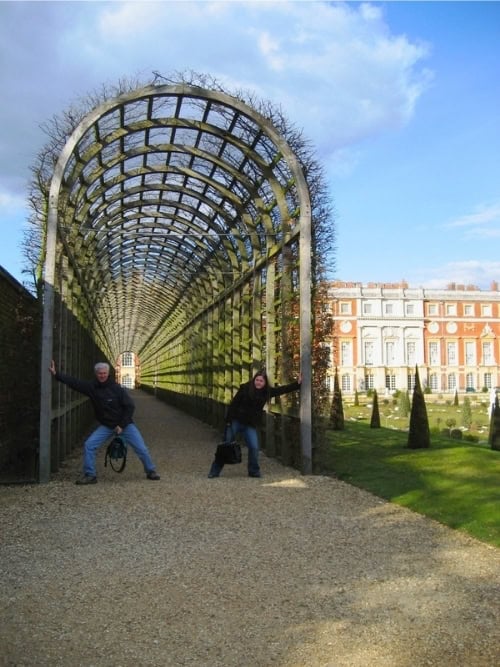
Tucked within the gardens is the Great Vine, planted in 1768 and still thriving today. It is the largest and oldest grapevine in the world, producing Black Hamburg grapes each year.
There is something deeply grounding about this living relic. While monarchs came and went, while power shifted and stories unfolded, this vine endured.
It offers a different perspective on history, one that is rooted not in drama, but in continuity.
Why Hampton Court Still Captivates
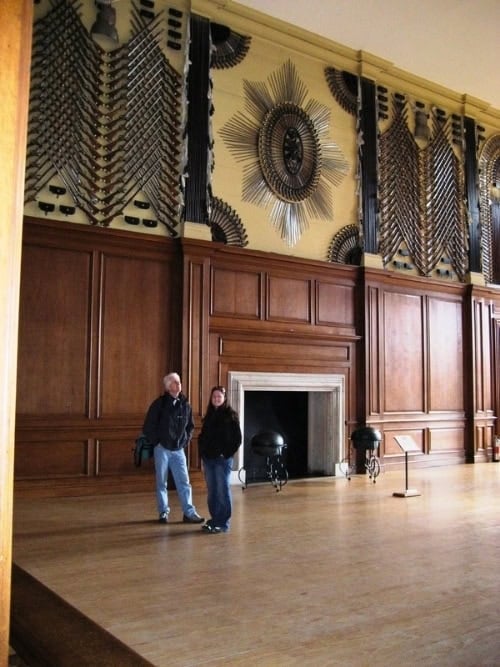
Hampton Court Palace is a place of contrasts. It is grand yet intimate, beautiful yet marked by tragedy. It tells stories of power and vulnerability, of public image and private reality.
What makes it truly unforgettable is the way these elements come together. You do not simply observe history here—you feel it.
For travellers visiting London, Hampton Court offers an easy and rewarding escape from the city. Whether you are drawn by architecture, history, gardens, or storytelling, it delivers on every level.
It is, quite simply, a palace like no other.
Read More: Walk This Way: Exploring Stockholm’s Islands, Palaces, and Cobblestone Charm
If You Go
Getting There: Hampton Court Palace is 19 miles southwest of London. Hampton Court train station is a five-minute walk from the palace, with National Rail services running from London Waterloo every 30 minutes — Oyster cards accepted. For a more scenic approach, riverboat services run along the Thames from central London. Book flights into London on CheapOair.
Tickets: Pre-booking online is strongly recommended to guarantee entry, choose your preferred time slot and often save with off-peak pricing. Book directly through the Historic Royal Palaces website for current pricing. Membership starts from £65 per year and includes unlimited free palace entry, shop and café discounts and exclusive events. Alternatively, book entry tickets through Viator for a straightforward pre-paid option.
Note for 2026 visitors: The main gatehouse entrance is closed until June 2026. Entry is currently rerouted via Seymour Gate, a large entrance to the left of the Great Gatehouse. The Mantegna Gallery is also closed for the year.
Tours: Free costumed interpreter tours and audio guides are included with admission. For something more in-depth, a private guided tour with a former palace warder — who has worked at Hampton Court for over 15 years — covers everything from Henry VIII to ghost lore to LGBTQ history depending on your group’s interests. For dedicated Tudor history enthusiasts, a private tour led by historian and author Siobhan Clarke goes deep on palace secrets and court life.
Where to Stay: The Mitre Hampton Court sits directly on the River Thames opposite the palace, with 36 individually designed bedrooms, two restaurants and a riverside terrace. Originally built to house visitors to Hampton Court Palace, the property has been reborn as a contemporary boutique in English country house style, with rooms named after Tudor figures including a Catherine Parr suite with copper roll-top bath and Thames views. Book your stay at The Mitre on Booking.com.
Travel Insurance: Cover your trip with Squaremouth or SafetyWing.
eSIM: Stay connected on arrival with an Airalo UK eSIM.
Need a hand planning your trip? Here are the sites and services we rely on most, from booking tools to travel products we love.
Inspire your next adventure with our articles below:
- Barging Down the Caledonian Canal in the Scottish Highlands
- How to Beat the Crowds When Traveling in Europe
Author Bio: Since 1996, while freelancing, Jane Cassie has had thousands of articles published. Her stories have appeared CNN Magazine, Northwest Travel, New York Daily News, Chicken Soup For The Soul, Dreamscapes, Air Canada In-flight, Cottage Life, Epicure and Travel, just to name a few. She has been a regular contributor to Spa Life, INNspire, North American Inns Magazine, Cottage, and Inspire Magazines.
Want to discover more hidden gems and helpful travel tips? Join our free newsletter for the latest travel secrets and travel articles.
We are reader-supported and may earn a commission on purchases made through links in this article.

- El Nido, Philippines: The Islands I Came For, the People Who Made Me Stay - September 30, 2026
- A Guide to Noodles in Vietnam: How to Slurp Like a Local - September 30, 2026
- Travel Guide to Japan - September 29, 2026
Planning another trip soon? ✈️
Add GoWorldTravel.com as a preferred source on Google. Click the button below so our local guides, packing hacks, and hidden-gem itineraries always show up first when you search!
Add to Preferred Sources