
Most people planning a safari to South Africa head straight for Kruger National Park. It makes sense. It’s vast, offers an incredible wildlife experience, and a range of accommodation options to choose from.
But for families, there can be some serious concerns. Malaria. Lions and other big predators. Long days spent in game drive vehicles. However, a multitude of alternatives exist for a family safari in South Africa.
One place that springs to mind is called the Waterberg. Until recently, I’d barely heard of it myself. Now, if someone asked me where I’d send a family looking for their first safari, especially one nervous about travelling with young children, I’d recommend it without hesitation.
The Waterberg Biosphere Reserve
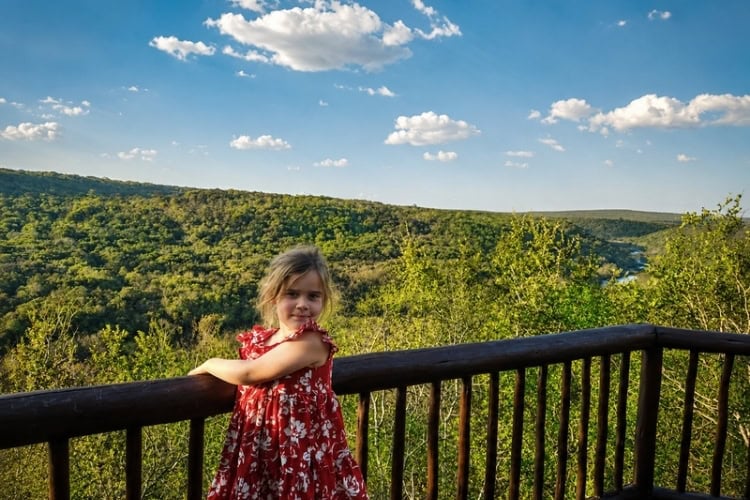
The Waterberg is one of South Africa’s best-kept safari secrets. About three hours north of Johannesburg, this UNESCO-recognized biosphere is made up of sandstone mountains, wide valleys, rivers and open bushveld.
It offers beautiful scenery but without some of the practical concerns that come with other safari regions.
The sandstone cliffs and unusual geology date back more than two billion years, while the area’s relative isolation helped preserve many of its ecosystems. Today, over 5,500 species of plants and animals have been recorded here, including more than 300 bird species, making it one of South Africa’s richest regions for biodiversity.
What makes the region even more remarkable is that it isn’t just another game reserve. The Waterberg is one of only a handful of UNESCO Biosphere Reserves in South Africa, covering more than 650,000 hectares (1.6 million acres) of mountains, rivers, grasslands and bushveld.
Unlike a national park, a biosphere reserve balances conservation with sustainable tourism and local communities. Wildlife, working farms, privately protected reserves and villages all exist within the same landscape, creating one of the country’s largest conservation success stories.
What makes the Waterberg particularly exciting is that conservation is still evolving here. Over the past few decades, former cattle farms have gradually been restored to natural habitat. Fences between many neighboring properties have come down, allowing wildlife to move more freely across the landscape.
Species that had disappeared from the region have been reintroduced, helping rebuild healthy ecosystems while creating employment through ecotourism rather than agriculture alone.
An Easy First Safari
Most importantly for many families, much of the area lies within a malaria-free region. It’s also really easy to get there. Most international visitors arrive at Johannesburg’s O.R. Tambo International Airport, one of Africa’s busiest aviation hubs with direct flights from a multitude of cities across the globe. From there, you can collect a rental car or book a transfer and drive north along well-paved roads.
The Waterberg also offers a very different wildlife experience from South Africa’s classic Big Five destinations. You won’t find the same concentration of lions, elephants, buffalo, leopards and rhino that you might encounter in Kruger or some of the country’s private reserves.
In fact, many of the reserves here offer a different experience entirely, one that’s more tailored to those travelling with small kids.
Jembisa is Perfect for Families
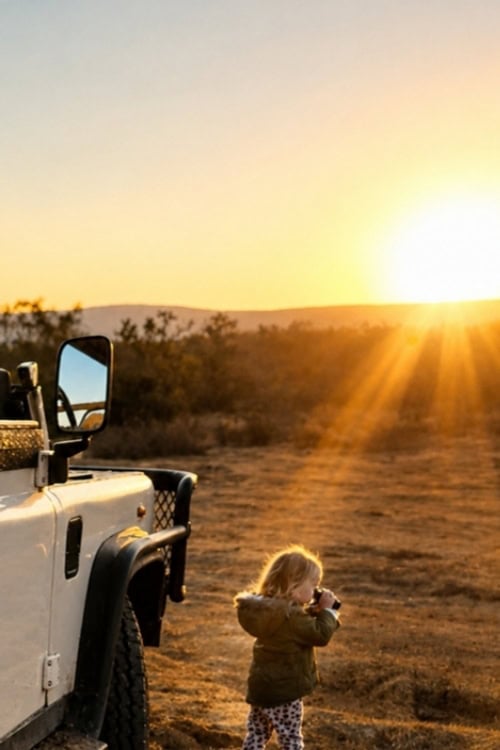
Take Jembisa, for example. Here, a private bush home, private safari lodge and various self-catering houses are set within a 3,000-hectare private reserve.
The owners of Jembisa are passionate about conservation and this remarkable part of South Africa, and it’s easy to see why. It’s a stunning part of the world with 7 km of the Palala River running right through the property.
There are no resident Big Five populations on the reserve, although wildlife moves through the wider Waterberg landscape and leopards and wild dogs can occasionally be encountered. For families, this changes the character of a safari considerably.
The bush still feels wild, but there is less of the constant anticipation that comes with travelling through an area where lions or elephants could be around every corner. It allows children to experience the African wilderness in a way that feels exciting without being overwhelming. It also gives guides the opportunity to focus on the smaller details of the ecosystem.
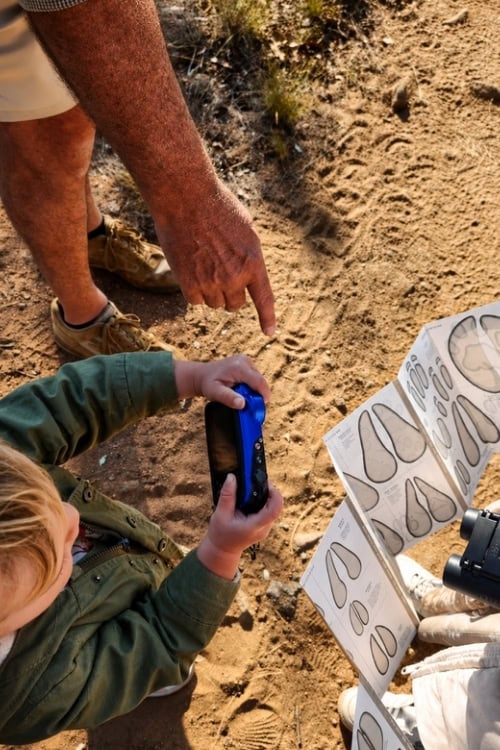
Tracks in the sand, bugs and beetles, birds calling from the trees, unusual plants and the behaviour of antelope can all become part of the adventure.
Safari Without the Pressure
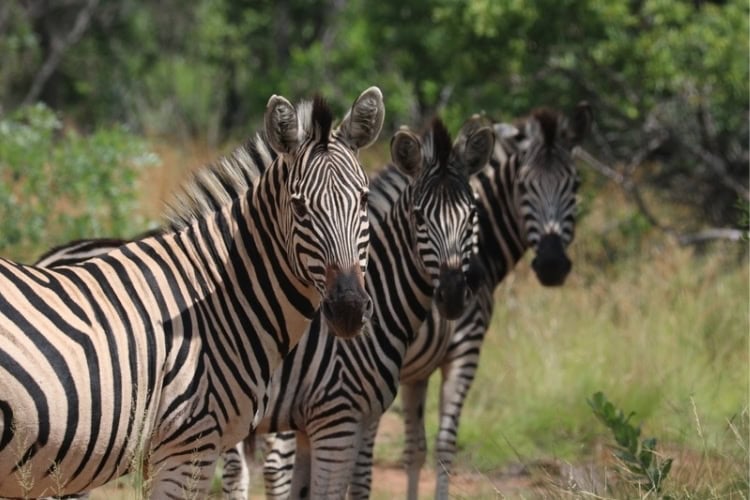
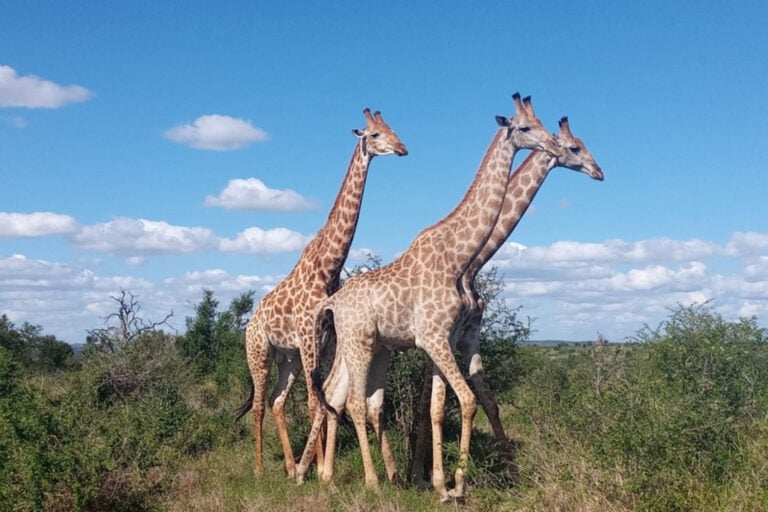
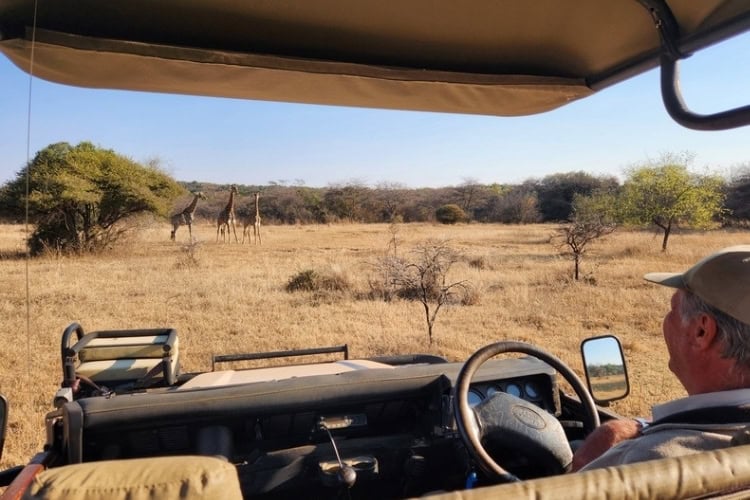
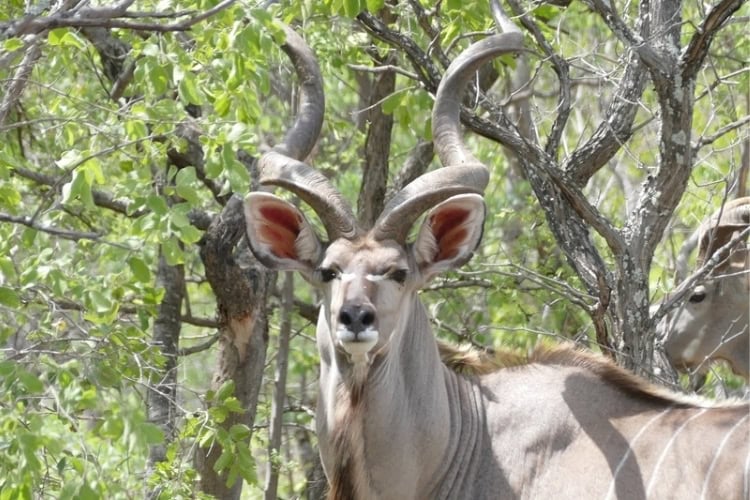
That’s not to say there’s nothing to see here. The reserve is home to giraffe, zebra, wildebeest, numerous antelope species, warthogs, baboons and a variety of birdlife.
One thing we appreciated as parents is that there aren’t large populations of dangerous predators roaming around the lodge, meaning it’s incredibly safe to wander alone.
Breakfast might be served beside the river, or you may pack a picnic to spend the afternoon beside a quiet stretch of water. If the weather is warm, the children can scramble over smooth rocks to natural rock pools and gentle waterslides carved into the river over thousands of years.
Another afternoon might be spent mountain biking through the reserve, stopping to identify animal tracks, or heading out on foot with a guide to learn about plants, insects and birds that would be completely missed from a vehicle.
What this also means is that, unlike most safari destinations where every day revolves around dawn wake-up calls and a pretty monotonous schedule of two game drives a day, life at Jembisa Bush Home is tailored to your interests.
Children don’t need to sit silently in a game vehicle for hours. Parents don’t feel guilty if someone wants an afternoon nap. Nobody seems to be watching the clock.
Each day offers something different, from guided game drives and bush walks to mountain biking, birdwatching, fishing, and more.
Built for Families
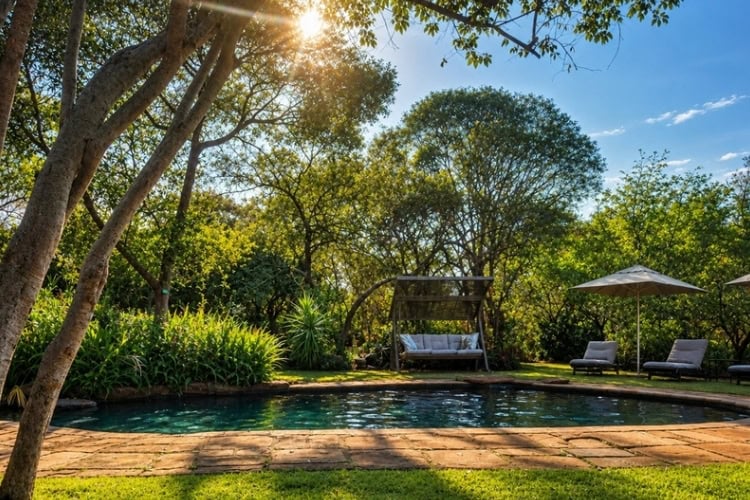
Jembisa Bush Home is also very different from the traditional safari lodge. It was designed to feel like a real home rather than a hotel, and that makes an enormous difference when you are travelling with children.
The house has two wings. Book one wing and you essentially have your own private section of the house, complete with three bedrooms that comfortably accommodate parents and children.
If you’re travelling with grandparents or another family, you can reserve the entire house for exclusive use.
Younger children can spend time in the dedicated playroom filled with books, games and toys, while there’s also a pool, trampoline, tennis court and even a fun zipline on the lawn.
And don’t forget Astro and Milo, the resident dogs. Before we had even unpacked our bags, they had made friends with our daughters. They somehow made an unfamiliar place feel instantly like home.
And once you’ve arrived, you needn’t worry about a thing. Meals, drinks, snacks and activities are included. The breakfast room is always stocked, and you are openly encouraged to help yourself whenever you like.
Instead of worrying about bills or asking permission, you simply open the refrigerator. It’s a small touch that makes travelling with kids noticeably easier.
Adventures Children Actually Remember
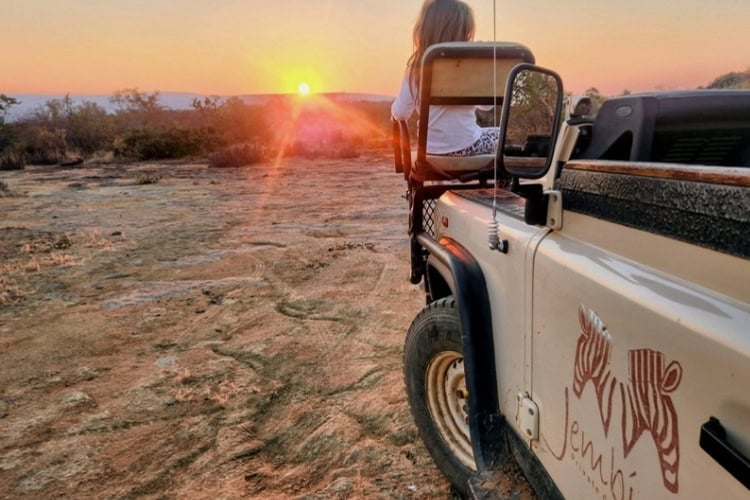
But some of the things we will remember most are the unexpected surprises. One afternoon we rounded a corner in the bush to find a surprise ice cream stop.
Another day we gathered around an enormous old termite mound that had been transformed into a wood-fired pizza oven. Everyone built their own pizzas before sitting outside to enjoy the meal.
While the Waterberg isn’t marketed as a classic safari destination in the same way as Kruger National Park, that’s actually part of its appeal, especially for families. The animals were only part of it.
For families looking for a safari experience somewhere easy to reach, malaria-free and genuinely welcoming to children, the Waterberg may just be South Africa’s most overlooked destination.
And what makes somewhere like Jembisa particularly memorable is that the safari becomes part of a much bigger family adventure. There is time to swim, explore, ride bikes, eat pizza, meet the dogs, scramble over rocks and simply enjoy being together.
The wildlife is still there, but it doesn’t have to dominate every minute of the trip. For a first safari with young children, that balance can be exactly what makes the experience work.
Where to Stay in the Jembisa Reserve
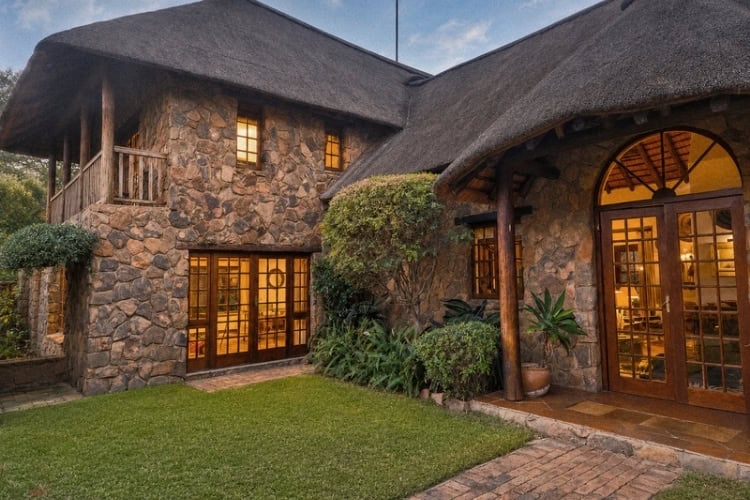
One of the advantages of Jembisa’s reserve is that there are different ways to experience it depending on the size of your family and how much independence you want.
The main Jembisa Bush Home works particularly well for families who want the ease of an all-inclusive stay, with meals, drinks and activities taken care of. You can book one of the private wings for your own family, or take the entire house if you are travelling with grandparents, friends or another family.
Magari Lodge is another property that can be booked out on a self-catering or catered basis and offers a spectacular position with breathtaking views above the Palala River. With its separate suites, it’s perfect for small groups and celebrations.
There are also various other self-catering options on the reserve, which can make sense for families who prefer their own space and a more flexible routine. These are particularly appealing for longer stays.
The Waterberg, and Jembisa Bush Home, offers exceptional value for the experience. Compared with many safari destinations in East and Southern Africa, where you may need multiple charter flights and find exclusive camps that can cost well over $2,000 per person per night, Jembisa offers an exceptional experience at a much more affordable price point, without compromising on quality.
The guides are exceptional, the chef has been working here for over 20 years, and the level of service will rival anywhere on the continent.
Know Before You Go
The Waterberg works brilliantly as part of a longer South African itinerary. Many visitors combine a few days here with Cape Town, the Panorama Route, Madikwe Game Reserve, Pilanesberg National Park or even Botswana.
For U.S. citizens, South Africa is easy to visit. Americans traveling on vacation can enter visa-free for up to 90 days with a passport valid for at least 30 days beyond their departure date and containing at least two blank pages for entry stamps.
South Africa uses the South African Rand (ZAR). Credit cards are widely accepted throughout the country, including at safari lodges, although carrying a little cash for small purchases and gratuities is useful. Tipping is customary. At safari lodges, many guests leave separate gratuities for guides and general staff at the end of their stay, while restaurants typically expect around 10 to 15 percent for good service.
English is spoken almost everywhere visitors travel, making South Africa one of the easiest African countries to navigate independently.
When Should You Visit?
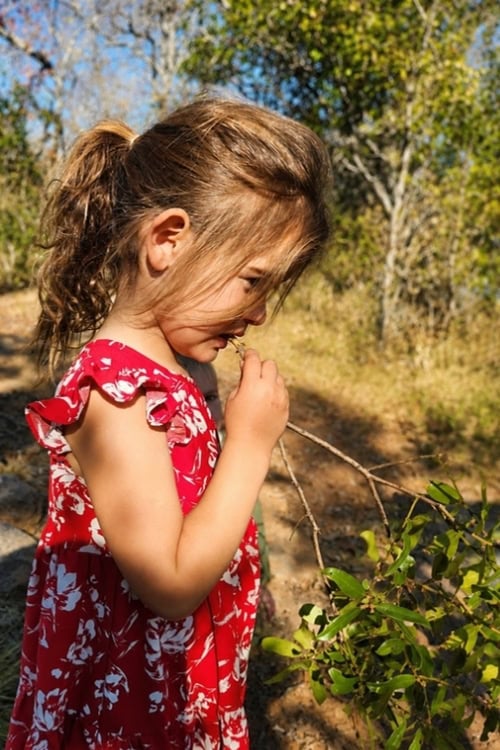
Photo by Janine Avery
The Waterberg is a year-round destination, but each season offers something different. From May through August, temperatures are cooler, and vegetation is thinner, making wildlife easier to spot and long walks during the day more comfortable. Early mornings can be surprisingly cold, so pack warm layers.
From November through March, afternoon thunderstorms transform the landscape into lush green bushveld. It’s a wonderful time for birdwatching as migratory species arrive. The scenery is spectacular, although wildlife can be slightly harder to spot among the thicker vegetation.
September, October and April bring warmer days between the seasons while still offering great wildlife sightings. Due to the warmer temperatures, these are also a great time for enjoying Jembisa’s pool and their unique outdoor sleepout experience.
What Should You Pack?
Neutral-colored clothing works well for walks and game drives, along with comfortable sneakers or hiking shoes. Mornings during winter can start close to freezing before warming up dramatically, so dressing in layers is essential.
Bring sunscreen, sunglasses, a hat, binoculars if you have them, swimsuits for warmer months, and a good camera.
Even though the region is malaria-free, insect repellent is still useful in summer, especially around sunset, although most lodges do provide some.
Need a hand planning your trip? Here are the sites and services we rely on most, from booking tools to travel products we love.
Inspire your next adventure with our articles below:
- Wellington, South Africa: A Peaceful Cape Winelands Base for Wine, History and Bainskloof Pass
- Discovering Eden: A Road Trip Guide to South Africa’s Garden Route Must-Sees
Author Bio: Janine Avery was born and bred in Cape Town, South Africa, and says there is nowhere she would rather call home. She is a lover of all things nature and loves to explore new places, enjoying any form of travel, from basic tenting to lazing in luxury lodges. She also loves to dabble in digital marketing, spreading messages on social media, and taking audiences on a journey through her travel stories.
Want to discover more hidden gems and helpful travel tips? Join our free newsletter for the latest travel secrets and travel articles.
We are reader-supported and may earn a commission on purchases made through links in this article.
- Wellington, South Africa: A Peaceful Cape Winelands Base for Wine, History and Bainskloof Pass - October 2, 2026
- Why South Africa’s Waterberg Makes an Easy First Family Safari - October 2, 2026
- Slow and Steady Wins the Holiday: Why England’s Canal Boats Are the Ultimate Antidote to Modern Life - September 20, 2026
Planning another trip soon? ✈️
Add GoWorldTravel.com as a preferred source on Google. Click the button below so our local guides, packing hacks, and hidden-gem itineraries always show up first when you search!
Add to Preferred Sources