
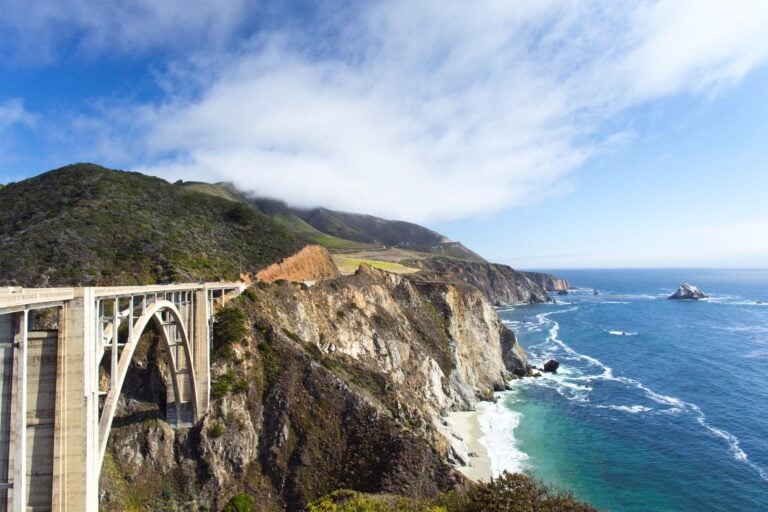
One of California’s most famous and breathtaking coastal destinations is Big Sur. It’s known for its dramatic cliffs, towering redwood forests, unobstructed ocean views, maintained hiking trails and an unforgettable scenic drive along Central California’s Pacific Coast Highway.
How To Get To Big Sur
The best airports to fly into for a road trip to Big Sur are Los Angeles International Airport (LAX) or San Francisco International Airport (SFO). Rent a car at either airport before hitting Highway 1..
LAX offers the ultimate northbound California coast road trip. It will take around 6–7 hours of driving time, depending on how many stops you make. There are a few rest stops along the way for restroom breaks.
You can stop at picturesque towns such as Ventura, Carpinteria and Santa Barbara (about 2 hours from LAX). Further along are Buellton, Pismo Beach, San Luis Obispo, Harmony and Cambria (another 2 hours).
From SFO, drive southbound for 4 to 5 hours, depending on how many stops you make, for a beautiful Northern California driving experience. Both airports offer a good selection of rental cars and flights to smaller airports.
If you prefer not to drive a long distance, there are smaller regional airports to fly into, depending on where you are flying from.
Monterey Regional Airport is about a 45-minute drive to Big Sur. San Jose Mineta International Airport is about 2.5–3 hours from Big Sur and offers more flight options and easy rental car options.
Important travel tips: Some of Highway 1 occasionally closes due to landslides or construction, especially near Big Sur. Check current road conditions before traveling. There are three gas stations along Highway 1 in the Big Sur area, but gas is more expensive in these spots. Fill your tank before you arrive, because sometimes these stations are closed or run out of gas.
Best Time To Visit Big Sur
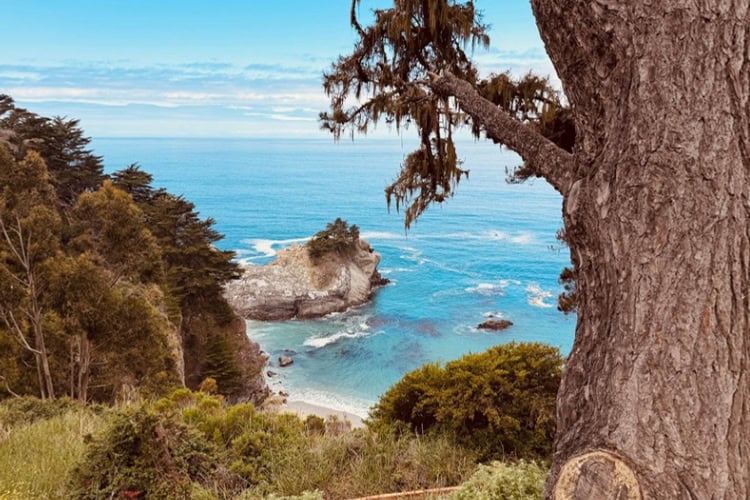
For international travelers who don’t mind a little rain and cool weather, October through February has fewer tourists. Also during these months, the California gray whales migrate south for you to see.
From February to May, these whales spout nearby as they head back up to Alaska from the warmer waters of Baja, Mexico.
May through September is the most crowded time to visit as locals and international visitors make Big Sur their must-see summer destination.
Read More: Sea, Sips, and Seals: Exploring Highway 1 Along California’s Central Coast
Camping, Glamping and Luxury Accommodations
There are a variety of overnight accommodations depending on your budget. Luxury cliffside resorts start at $2,000 a night and spa retreats are a little less. Motel-style guestrooms start at around $300, as do peaceful cabins surrounded by nature.
We stayed at Big Sur Lodge, offering 61 comfortable rooms with a balcony or front porch. There is an Espresso Cafe for coffee and ice cream, Homestead Restaurant for breakfast, lunch, and dinner, a gift shop, and a general store. There is also a heated swimming pool that is open from May through September.
The most economical way to stay in Big Sur is to camp at a California State Park or a private campsite. Pfeiffer State Park has more than 150 recreational vehicle and tent sites along the Big Sur River.
Hike/bike sites and two group tent sites are also available to campers. There are no RVs allowed in these sites. It’s best to reserve campsites up to seven months ahead at www.parks.ca.gov or hope for a cancellation.
Culinary Opportunities
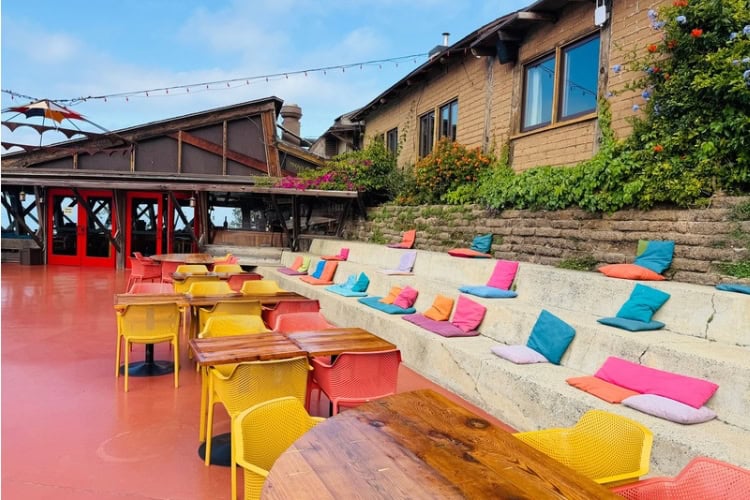
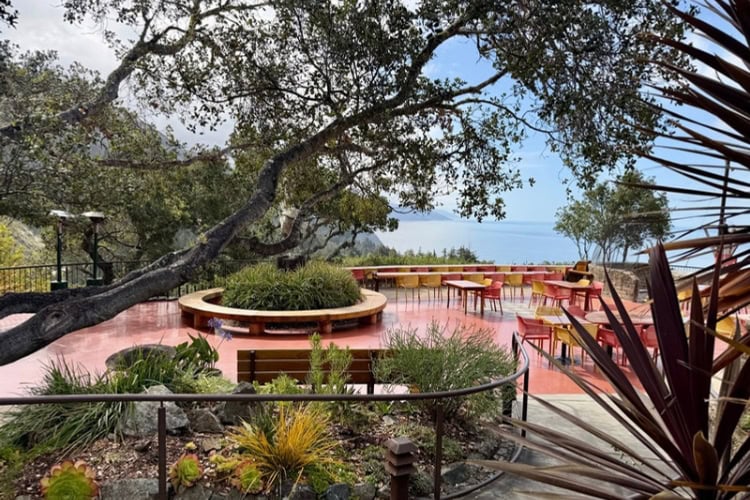
Splurge one evening and experience coastal California cuisine at the iconic Nepenthe restaurant or Sur House at Alila Ventana Big Sur. Both offer spectacular ocean and mountain views.
There are a few cozy coffee cafés with unforgettable views. Try Cafe Kevah below Nepenthe restaurant for breakfast burritos, handmade cookies, scones, coffee, and brunch fare.
The Village is an ideal stop for an espresso and pastry. Fernwood Bar & Grill offers burgers, nachos, salads, and sandwiches, along with wine and beers on tap or in a can.
Henry Miller Bookstore
Along the highway, there are art galleries and local shops, including the iconic Henry Miller Memorial Library. Tucked beneath towering redwoods along Highway 1, it is one of the most iconic cultural stops in Big Sur.
This charming building was repurposed by artist Emil White after Miller’s death in 1980 to honor his close friend. Writer Henry Miller lived in Big Sur from 1944 to 1962. Miller wrote extensively about the region’s wild beauty.
White dedicated the building to preserve and advance the spirit of Henry Miller by fostering literature, art, music, free expression, and creative exploration. This nonprofit space serves as a bookstore, performance venue, art space, and community gathering place.
It captures the creative energy that has long defined Big Sur.
Hiking Trails and Easy Walks
Unplugging and hiking are a big draw to this area, and Big Sur offers a range of easy scenic walks to iconic coastal climbs. Here are some of my favorite easy-to-moderate hikes:
Julia Pfeiffer Burns State Park
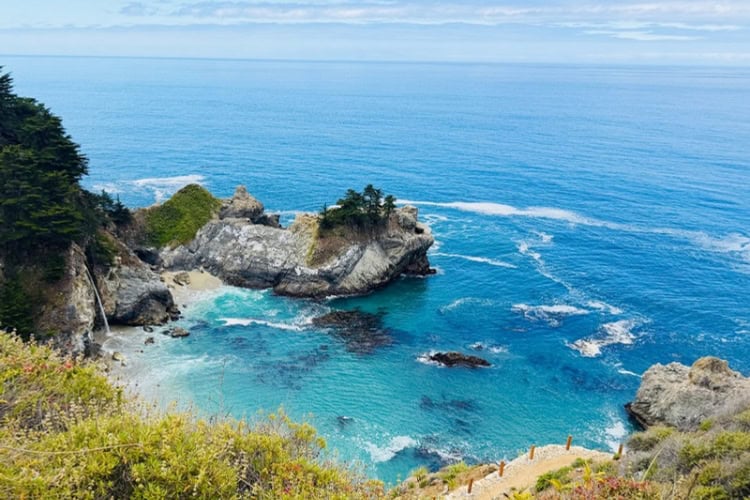
Park your car in the lot and walk a half-mile round trip to McWay Falls. This is one of the only places where you will see a towering waterfall spill directly onto a secluded beach. Its freshwater mixes with the salty Pacific Ocean. It’s one of the most photographed views in Central California.
From the parking lot, cross Highway 1 to the waterfall overlook. It was a favorite spot for Big Sur’s pioneer woman, Julia Pfeiffer Burns, for whom the park is named.
Ewoldsen Memorial Nature Center
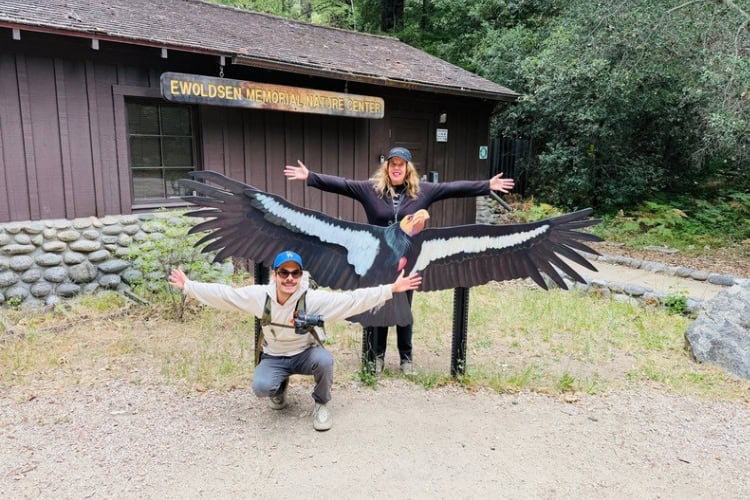
Photo by Rick Weinlein
Nestled within Pfeiffer State Park, the Ewoldsen Memorial Nature Center educates visitors to learn about the diverse flora and fauna of Big Sur.
The center features life-size murals depicting natural habitats, providing a captivating backdrop for exploration. Interactive activities include the “Fly like California Condor” digital flight station, simulating actual condor flight patterns in Big Sur.
These magnificent birds were almost extinct and have been reintroduced to Central California, including parts of the Big Sur region. Their range includes nearby wild areas like the Ventana Wilderness and the broader central coast mountains.
Buzzard’s Roost Trail
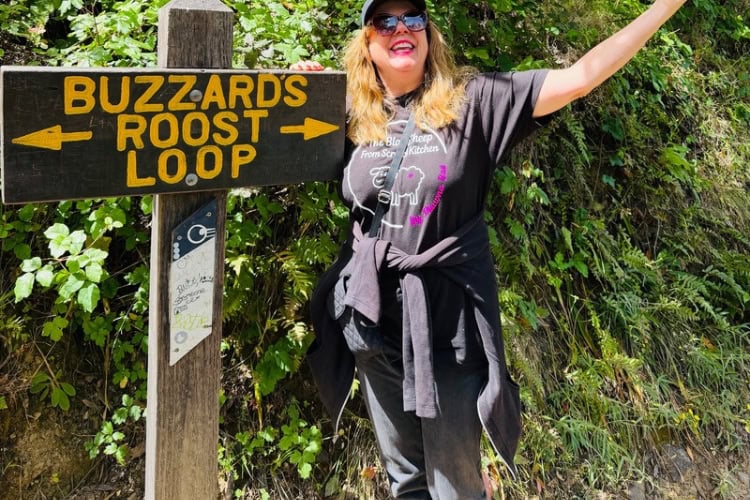
Enjoy panoramic views from Big Sur Lodge and Andrew Molera State Park. This three-mile round-trip hike offers ocean views, rolling hills of Sycamore Canyon and the Santa Lucia Mountains, wildflowers in spring, and turkey vultures soaring above.
It’s a moderate hike with a total elevation gain of about 750 feet. Watch out for poison oak along the well-marked trail that is mostly shaded by redwood trees until you reach the top.
Valley Views and a Waterfall
Walk the trail and climb some stairs from the Big Sur Lodge center through redwoods and oak woodlands to a fork in the trail. Take the left fork and climb to the Valley View Overlook to be rewarded with a picturesque view of the Big Sur River Valley, Pt. Sur and Andrew Molera State Park.
Take the right fork for a hike through a redwood forest, across a footbridge that crosses a tributary creek, to view Pfeiffer Falls. This 60-foot waterfall cascades over moss-covered granite cliffs. This trail connects to 200 miles of trails in the nearby Ventana Wilderness of Los Padres National Forest.
Big Sur Gorge
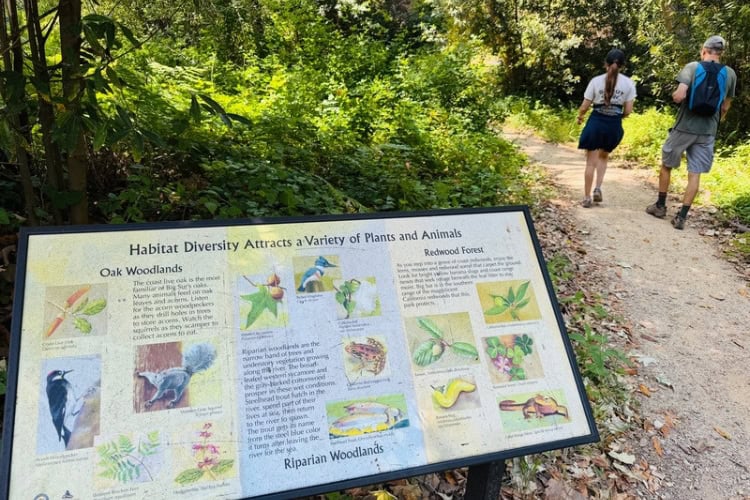
On a hot day, this easy hike in Pfeiffer Big Sur State Park is an inviting spot to cool down. Park in Day Use Lot #2 or #3, then follow the signs along the paved and dirt walking trail.
There is a river swim hole to cool off with floating logs and a big rock for sunning. Continue through the campgrounds to large boulders and logs in the river. Visitors sunbathe and dip into the cool mountain-fed water.
Oak Grove Trail
This moderately graded trail connects to the Pfeiffer Falls Trail and the Mt. Manuel Trail through an oak woodland. You might see deer and birds along this path, plus expansive views of the valley.
The trail is fairly exposed and can be hot and sunny in contrast to the shaded redwood canopy of the Pfeiffer Falls Trail.
Bixby Bridge
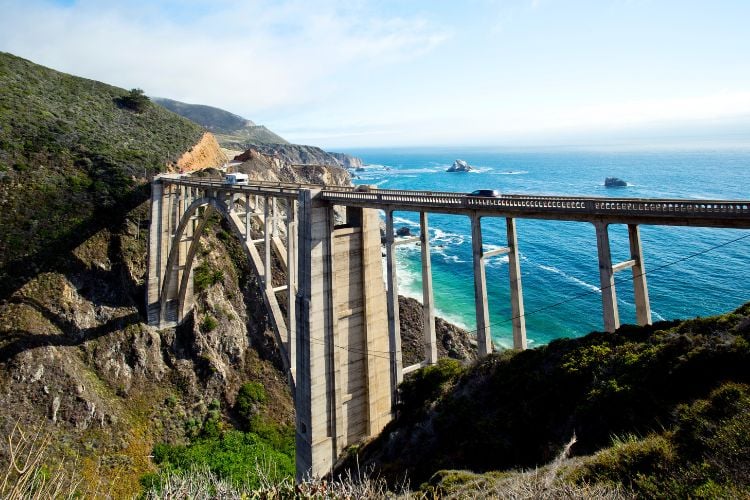
One of the must-see areas along Highway 1 is the Bixby Bridge. It is one of the highest bridges of its kind in the world. The concrete spans 260 feet above the bottom of a steep canyon.
Built in 1932, this bridge was constructed with 45,000 sacks of cement hauled by men. This area gets very busy with visitors, so be sure to use the designated pullouts for your safety and be respectful of nearby private property.
Big Sur is one of the most famous destinations to visit in the United States. It’s also one of the only places in the world where rugged mountains and waterfalls plunge into the Pacific Ocean. Majestic redwood forests tower overhead and condors soar. Big Sur is peaceful, spiritual, and awe-inspiring to all who are lucky enough to visit.
Need a hand planning your trip? Here are the sites and services we rely on most, from booking tools to travel products we love.
Inspire your next adventure with our articles below:
- A Two-Night Catalina Island Getaway: Avalon Strolls, Casino Theater and Buffaloes
- The California Bucket List: 10 Iconic Experiences from Coast to Mountains
Author Bio: Jill travels all over California and beyond in search of exciting and awe-inspiring destinations to inspire her readers. Her reviews can be read at Go World Travel and her own blog Dine and Travel. Check out her Instagram @Jillsfoodtravels.
Want to discover more hidden gems and helpful travel tips? Join our free newsletter for the latest travel secrets and travel articles.
We are reader-supported and may earn a commission on purchases made through links in this article.

- Darwin, Australia’s Northernmost Capital, Combines Vibrant Markets, Waterfront Life and Access to Kakadu and Litchfield - October 25, 2026
- Paarl: South Africa’s Secret Winelands Escape Where You Can Stay in Historic Wine Tanks - October 25, 2026
- A Quest for the Best Frango Assado in Portugal’s Algarve - October 24, 2026
Planning another trip soon? ✈️
Add GoWorldTravel.com as a preferred source on Google. Click the button below so our local guides, packing hacks, and hidden-gem itineraries always show up first when you search!
Add to Preferred Sources