
There’s a particular kind of magic that happens when you round a bend in the road and find yourself completely alone in a stunning landscape. No line at the entrance gate, no scramble for parking, no crowds pressing in around the viewpoints. For those of us who seek that quieter version of the national park experience, the good news is that it exists. You just have to know where to look.
I tend to seek out the less-traveled places for my outdoor adventures, and I’ve found some remarkable alternatives to the household-name parks. Here are six destinations in the Lower 48 that deserve far more attention than they get.
1. Lassen Volcanic National Park
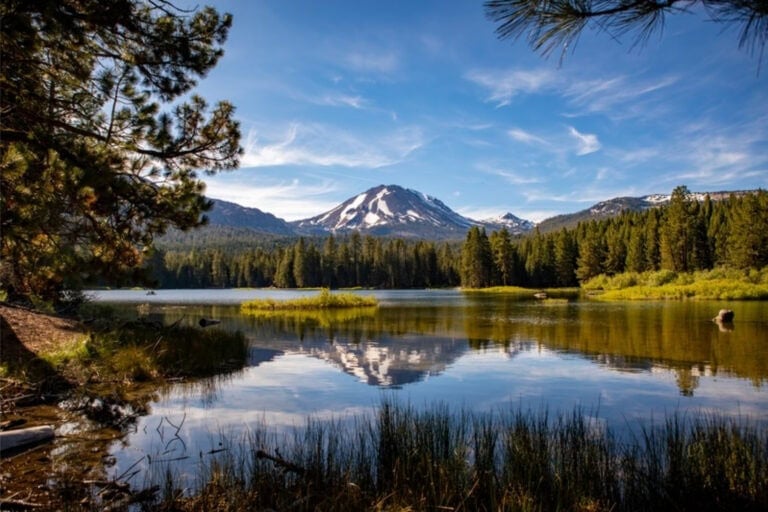
The picture-perfect reflection of Lassen Peak in Manzanita Lake stopped me in my tracks the moment we entered the park. Eagles watched the fishermen below while we stood there, already sensing this was somewhere special.
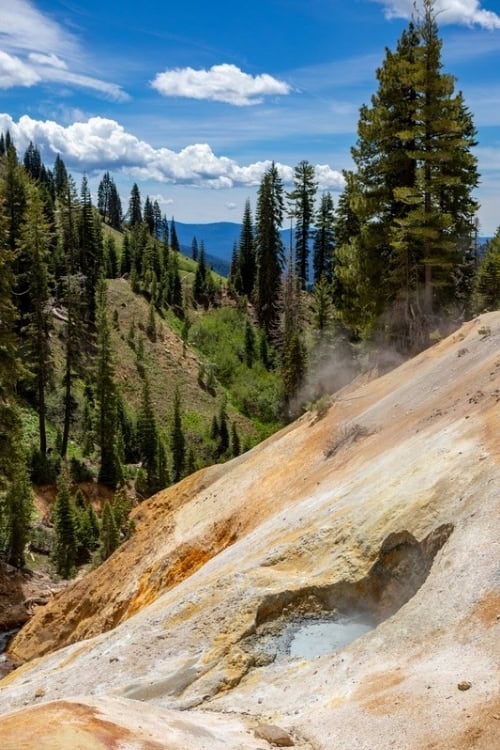
Most people think of Yellowstone when they think of U.S. national parks with hydrothermal wonders, but Lassen Volcanic in Northern California offers its own extraordinary window into the earth’s interior. Mount Lassen is an active volcano that last erupted in 1917, and the landscape still pulses with that energy. Along the Volcanic Scenic Highway, fumaroles exhale steam, mud pots bubble, and hot springs shimmer in vivid colors. The Bumpass Nature Trail brings you close enough to feel the heat. For a different perspective, hike to Lassen Peak itself for sweeping views across the park’s ancient lava fields and wildflower-lined trails.
Where to stay: Drakesbad Guest Lodge in Warner Valley; rustic and tent cabins at Manzanita Lake Campground, one of eight campgrounds in the park.
2. Black Canyon of the Gunnison
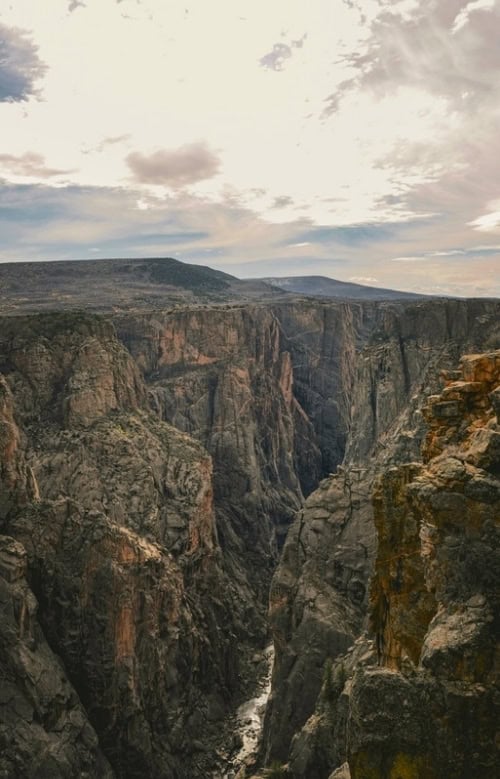
A canyon without the crowds – and what a canyon it is. Black Canyon of the Gunnison in Colorado drops 2,250 feet to the Gunnison River below, and in some places the walls are so narrow that sunlight reaches the bottom for only 30 minutes a day. That single fact tells you everything about the drama of this place.
The paved South Rim Road connects a series of viewpoints, each with its own character: Chasm View at one of the canyon’s narrowest points, Painted Wall where dramatic veins of lighter pegmatite cut across dark stone, and Sunset View where the last light sets the North Rim walls aglow. Trails like Rim Rock Nature Trail and the Warner Point Trail put you right at the edge. As a designated International Dark Sky Park, Black Canyon is equally spectacular after dark. The Milky Way overhead on a late summer night is something you won’t soon forget.
Where to stay: Three campgrounds within the park. Lodging options outside in Gunnison, Montrose, or Grand Junction.
3. Mesa Verde National Park
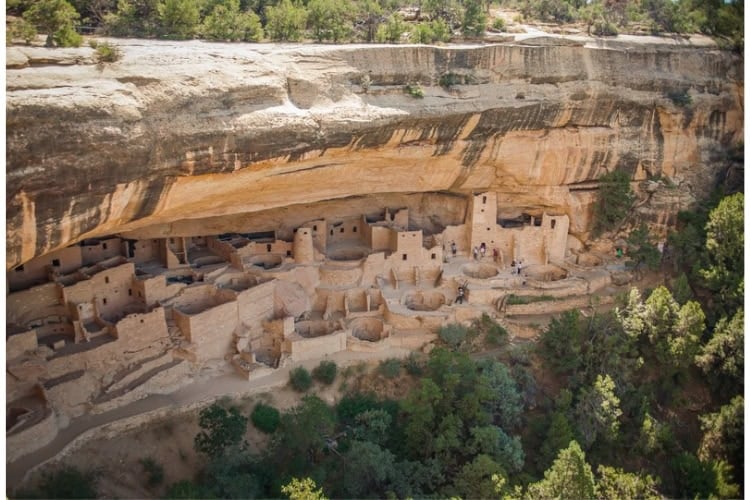
Eight hundred years ago, the Ancestral Puebloans built entire cities into the cliffs of what is now southwest Colorado. Standing at the rim and looking down at Cliff Palace – the largest alcove dwelling in North America – it’s difficult to fully absorb what you’re seeing. These weren’t temporary shelters. They were home.
Mesa Verde contains more than 5,000 archaeological sites and 600 cliff dwellings, making it one of the most extensive collections of ancient ruins in the Americas. Drive the Mesa Top Road for sweeping overlooks, then join a ranger-led tour of Cliff Palace (advance reservations recommended). The self-guided Far View House interpretive trail offers a quieter look at one of the park’s best-preserved pit houses, and the Petroglyph Point trail leads to ancient rock art etched directly into the canyon walls.
Where to stay: Far View Lodge is the only hotel within the park. Morefield Campground sits in a beautiful canyon setting. Cortez and Durango offer lodging and restaurants nearby.
4. North Cascades National Park
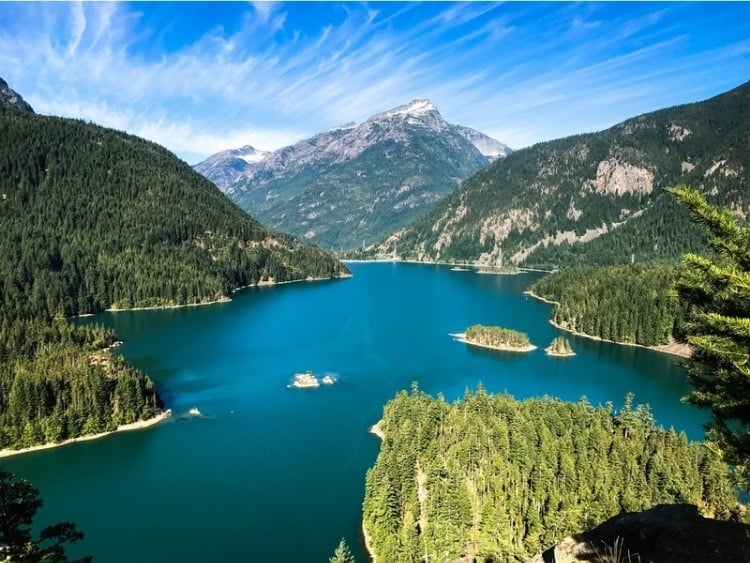
More than 300 glaciers. Turquoise lakes tucked into steep-walled valleys. Waters that stretch like fjords into the mountains. North Cascades in northern Washington may be the most visually dramatic park in the Lower 48, and it remains astonishingly uncrowded for a national park in America.
Most visitors spend a day on the North Cascades Highway, which is absolutely worth doing, but it only scratches the surface. Take a cruise on Diablo Lake to spot waterfalls and snowcapped peaks reflected in water that runs an almost unreal shade of aquamarine. Hike the Trail of the Cedars through old-growth forest, or push further to Cascade Pass for views that earn every step. Much of the park is designated wilderness accessible only by trail, where solitude is essentially guaranteed.
Where to stay: Five campgrounds within the park. Ross Lake Resort offers 15 floating cabins accessible by boat, one of the more memorable lodging experiences in any national park. North Cascades Lodge at Stehekin is another option, reached by ferry.
5. Petrified Forest National Park
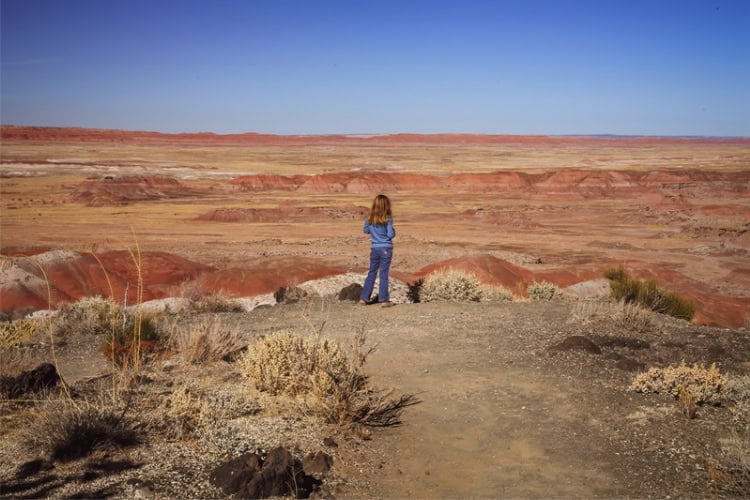
The trees in Petrified Forest National Park have been stone for 225 million years, their wood long since replaced by quartz crystal that now gleams in purples, reds, and yellows. Walking among them feels genuinely prehistoric.
The park road between the north and south entrances covers the highlights in a day. At the northern end, the Painted Desert reveals a rolling landscape of oranges, pinks, and yellows that shifts color throughout the day. Stop at the Painted Desert Inn, a National Historic Landmark whose original walls were built from petrified wood and native stone.
Midway through, Blue Mesa layers purple, blue, gray, and white badlands into something almost surreal, best explored on the scenic loop road. Further south, a walk through Crystal Forest puts you among fallen petrified giants. As another designated Dark Sky park in the national parks of the U.S., the night skies here are extraordinary.
Where to stay: No lodging within the park. Holbrook, Winslow, and Flagstaff offer options nearby.
6. Great Sand Dunes National Park
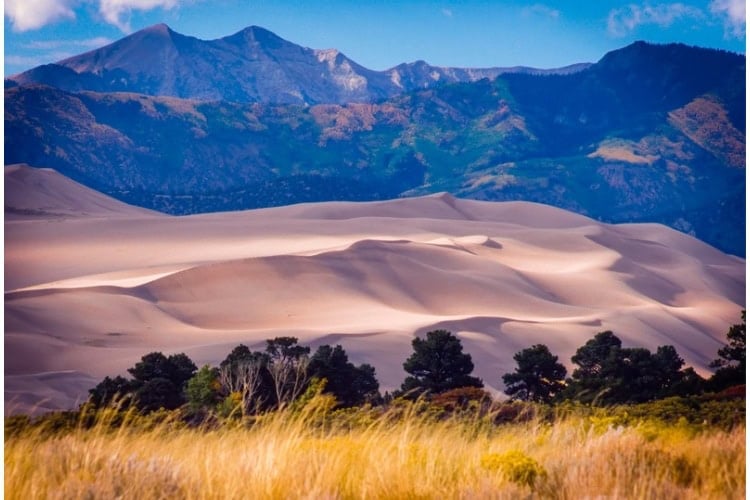
The tallest sand dunes in North America, some rising over 700 feet, sit at the base of Colorado’s Sangre de Cristo Mountains, and the combination is surreal enough to make you question what state you’re in. The dunes shift and ripple in the wind, casting shadows that change by the hour.
Hike early morning or evening in summer when the sand is cooler and the light is extraordinary. Rent a sandboard or sled from Great Sand Dunes Oasis near the entrance and find your line down the face of a dune. In late spring, Medano Creek flows along the base of the dunes – cold, shallow, and perfect for wading after a long hike in the heat. Peak flow typically runs mid-May through early June.
Where to stay: Piñon Flats Campground (88 sites, reservations required). Great Sand Dunes Oasis has a motel, campground, and restaurant at the park entrance. Alamosa, 34 miles south, offers a range of accommodations.
Honorable Mentions
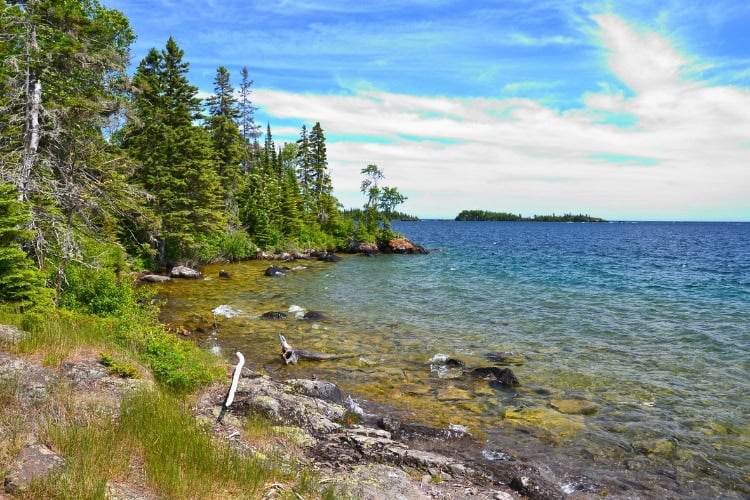
A few more national parks in the U.S. worth seeking out: Isle Royale in Michigan (a wilderness island in Lake Superior), Congaree in South Carolina (old-growth hardwood forest with a spectacular firefly display in late spring), Pinnacles in California (volcanic spires, talus caves, and California condors), and Voyageurs in Minnesota (lake country accessible only by boat).
Tips for Finding the Quiet
Go in the off-season. Fewer crowds, more campsite availability, and often more dramatic weather and light.
Visit on weekdays. Still busy in summer, but noticeably quieter than weekends.
Arrive early or stay late. Most entrance station congestion runs from about 10 a.m. to 4 p.m. The edges of the day also offer better photography light.
Stay flexible. If a viewpoint is packed, move on and come back. The parks reward patience.
The best U.S. national park experience is the one where the landscape has room to work on you, where you can stand at a canyon rim or in a forest of ancient stone and feel, briefly, like you have the whole wild world to yourself. These six parks offer exactly that.
Need a hand planning your trip? Here are the sites and services we rely on most, from booking tools to travel products we love.
Inspire your next adventure with our articles below:
Author Bio: Teri K. Miller is a Colorado-based travel writer and photographer with an insatiable curiosity about what lies around the next bend. She has captured award-winning images across the globe, including during two remarkable years of living and traveling the United States full-time in an RV, a journey that sharpened both her eye for the extraordinary hidden within the everyday and her voice as a writer. That spirit of exploration never left her, and Teri continues to hit the road whenever the horizon calls, notebook and camera always within reach.
Want to discover more hidden gems and helpful travel tips? Join our free newsletter for the latest travel secrets and travel articles.
We are reader-supported and may earn a commission on purchases made through links in this article.

- Slow Down on Prince Edward Island: A Relaxed Four-Day Itinerary of Dunes, Seafood and Seaside Inns - September 25, 2026
- Two Sides of Cape Town: Table Mountain Trails, Winelands Dawn and Township Voices - September 25, 2026
- St. Pierre and Miquelon: Visit France Without Leaving North America - September 25, 2026
Planning another trip soon? ✈️
Add GoWorldTravel.com as a preferred source on Google. Click the button below so our local guides, packing hacks, and hidden-gem itineraries always show up first when you search!
Add to Preferred Sources
Nice stimulating ideas of natural landscapes.