
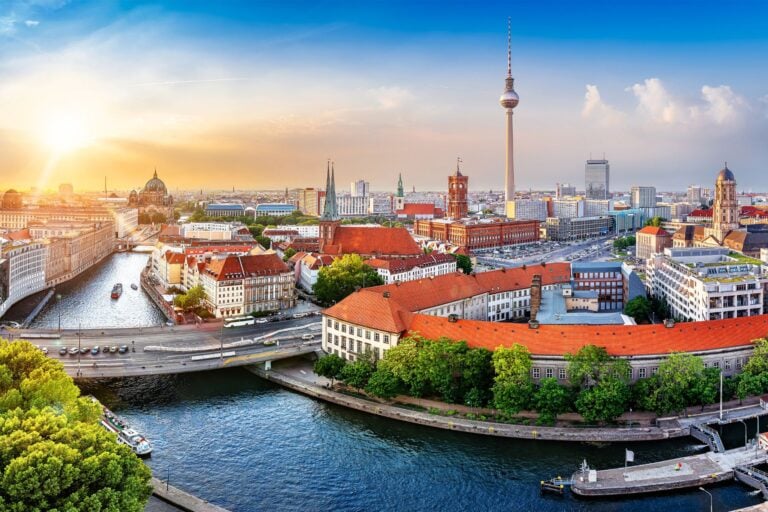
When people think of Berlin, they often picture a vibrant city known for its diverse culture, energetic nightlife, and unmatched freedom. Yet beneath its modern exterior lies a city shaped by some of the most significant events in European history.
As a solo traveler, I found Berlin to be much more than a collection of museums and monuments. History isn’t confined to textbooks here; it is woven into the city’s streets, memorials, and public spaces. Around nearly every corner, I encountered reminders of moments that changed not only Germany but the world.
What struck me most was how openly Berlin embraces its past. Rather than hiding difficult chapters of history, the city invites visitors to learn from them. From the remnants of the Berlin Wall to memorials, each site tells a story of resilience, transformation, and reunification.
Berlin’s Most Significant Historical Landmarks
As I explored Berlin, I realized its landmarks are all part of a larger story. Together, they show how Germany has moved through periods of division, rebuilding, and change. Visiting these sites helped me better understand not only Berlin’s past but also the values that shape the country today.
Exploring the Berlin Wall Memorial
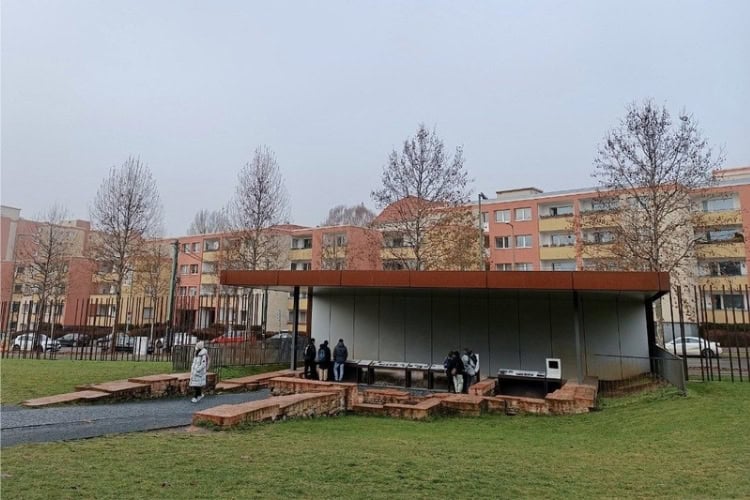
No visit to Berlin is complete without visiting the Berlin Wall Memorial.
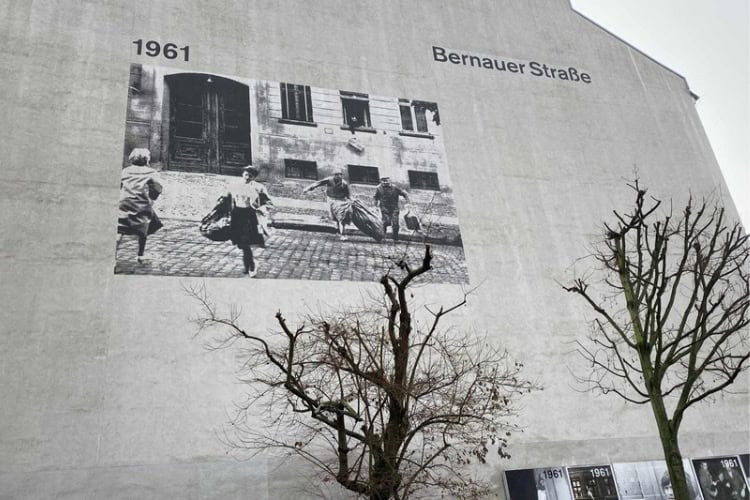
For nearly three decades, the Berlin Wall divided families, friends, and an entire city. Today, preserved sections of the wall, former watchtowers, and historical exhibits help visitors understand the realities of life during this period.
Walking through the memorial, I found myself imagining what daily life must have been like for those living on opposite sides. The outdoor exhibition shares personal stories, escape attempts, and historical photographs that transform the site from a physical barrier into a human story.
This guided walking tour through Bernauer Strasse ties this memorial together with Checkpoint Charlie and a preserved GDR watchtower, following the wall’s path with a guide who can answer what the plaques leave unanswered.
Address: Bernauer Str. 111, 13355 Berlin, Germany
East Side Gallery Street Art
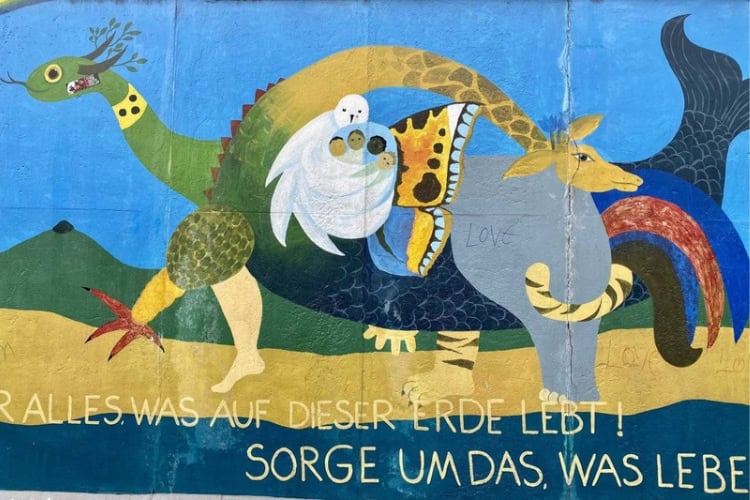
One of the most fascinating remnants of the Berlin Wall can be found at the East Side Gallery. Stretching for more than a kilometer, this open-air gallery features colorful murals painted directly onto a surviving section of the wall by artists from around the world.
What was once a symbol of separation has been transformed into a celebration of freedom and creativity. As I walked along the gallery, I was impressed by how art has given new meaning to a place once associated with conflict and division.
I joked to myself that if I stopped to photograph every mural, I might spend the entire day there.
Address: Mühlenstraße, 10243 Berlin, Germany
Inside the Jewish Museum Berlin
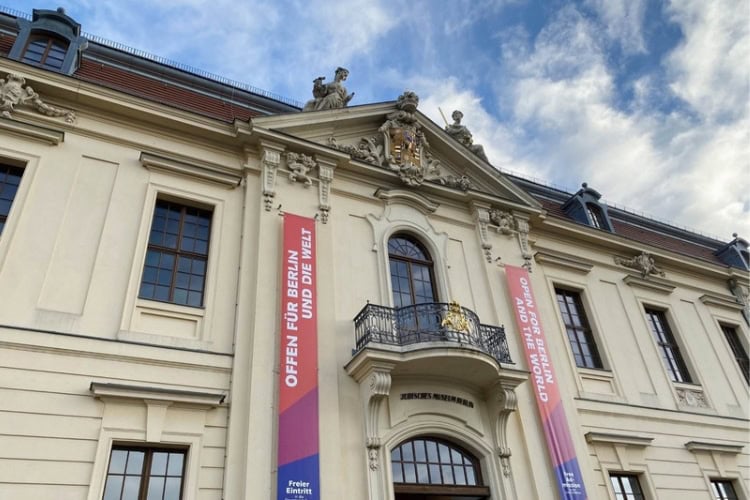
The Jewish Museum Berlin offers one of the most memorable cultural experiences in the city. Since opening in 2001, it has become one of Europe’s leading museums dedicated to Jewish history, culture, and identity.
What impressed me most was the more than 10,000 rusted iron faces covering the floor of the Memory Void. Each seemed to express a different emotion, such as sadness, fear, hope, or reflection. Perhaps it was the quiet atmosphere of a cool afternoon, but I found the experience deeply moving and difficult to forget.
The museum goes beyond historical facts, offering visitors an opportunity to better understand Jewish culture, history, and the experiences that helped shape modern Europe.
Address: Lindenstraße 9–14, 10969 Berlin, Germany
Visiting Berlin’s Holocaust Memorial
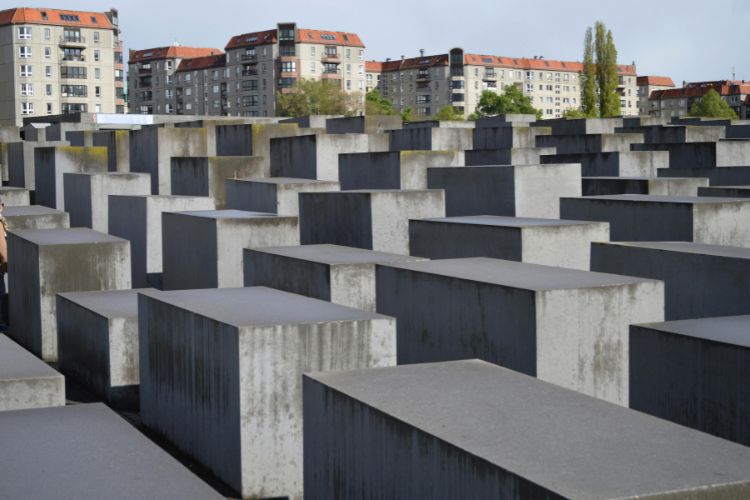
Located near Brandenburg Gate, the Memorial to the Jews of Europe is one of Berlin’s most significant landmarks.
The memorial consists of 2,711 concrete slabs arranged in a vast grid. From a distance, the site appears orderly and geometric. Yet once inside, the pathways become increasingly immersive as the ground rises and falls around you.
Walking through the maze-like structure, I found myself becoming increasingly reflective. The design intentionally leaves room for interpretation, allowing each visitor to draw personal meaning from the space.
Address: Cora-Berliner-Straße 1, 10117 Berlin, Germany
Brandenburg Gate Symbol of Unity
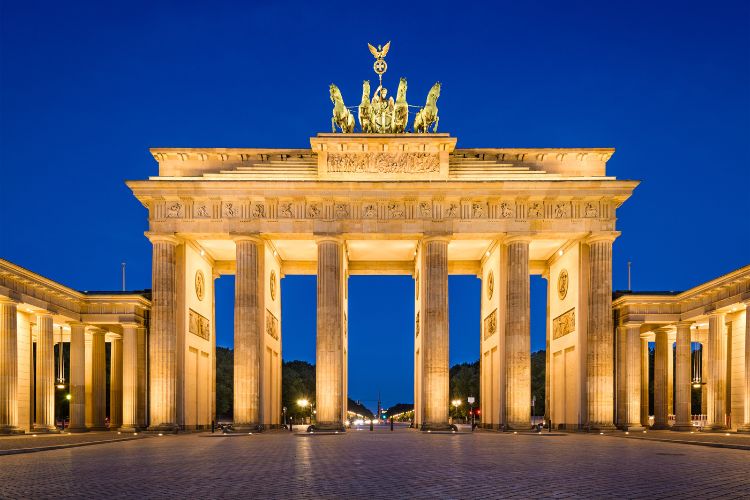
Few landmarks are as closely associated with Berlin as the Brandenburg Gate. Although it is now celebrated as a symbol of German unity, the gate witnessed some of the country’s most important historical moments.
During the Cold War, it stood near the Berlin Wall and became a powerful symbol of division. When Germany reunified in 1989, hundreds of thousands of people gathered here to celebrate a new chapter in the nation’s history.
Standing beneath its towering columns today, it’s easy to understand why Brandenburg Gate remains one of Berlin’s most recognizable landmarks.
Address: Pariser Platz, 10117 Berlin, Germany
Checkpoint Charlie Cold War
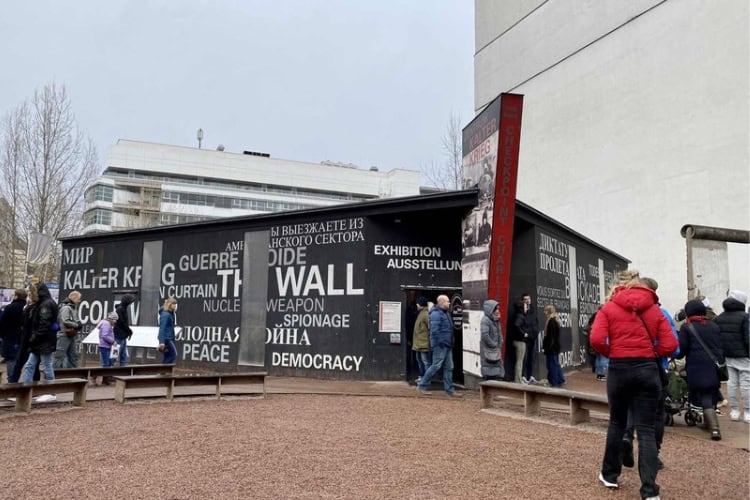
Checkpoint Charlie was once one of the most important crossing points between East and West Berlin during the Cold War.
Today, visitors can see a reconstruction of the famous guardhouse and learn about the remarkable stories connected to this historic site. Nearby exhibits and museums provide valuable insight into a period when Berlin stood at the center of global political change.
Standing at the site, it was difficult to imagine that this busy tourist destination was once a symbol of division between two worlds.
Address: Friedrichstraße 43–45, 10117 Berlin, Germany
If You Go
Best Time to Visit: I find late spring through early autumn (May to September) to be the most pleasant time to explore Berlin. Longer daylight hours and mild temperatures make walking between historical sites especially enjoyable.
Getting Around: Berlin’s extensive public transportation network makes it easy to reach most attractions by U-Bahn, S-Bahn, tram, or bus. Many historic landmarks are also within walking distance of one another, making self-guided exploration a rewarding option for solo travelers.
Where to Stay: The NH Collection Berlin Mitte am Checkpoint Charlie puts Checkpoint Charlie, Potsdamer Platz, and Brandenburg Gate all within a short stroll, with bike rentals on site for covering ground a little faster between sites.
A Few Helpful Tips:
- Allow extra time at museums and memorials, as many exhibits are worth exploring at a thoughtful pace.
- Wear comfortable walking shoes. You’ll likely spend hours discovering the city on foot.
- Consider purchasing a day pass for public transportation if you plan to visit multiple sites in one day.
- Bring a camera to capture every moment.
Berlin is often described as a city that never stops reinventing itself. While its historic landmarks offer valuable insights into Germany’s past, they are only one part of what makes the city so captivating.
Beyond the memorials and museums, there’s much more to discover in Berlin. Whether you’re passionate about history or simply looking for a destination full of character, Berlin rewards curiosity at every turn. So let’s find out together on your next visit.
Inspire your next adventure with our articles below:
- Saxony Is the Germany You Haven’t Seen Yet — And Should
- A One-Day Guide to Bonn, Germany: Beethoven House, Bonn Minster, and Rhinefront Strolls
Author Bio: Huyen Tran is a curious traveler with a lifelong passion for exploring the world. She loves telling travel stories through words and photographs, capturing the spirit of every place she visits. You can find more of her journeys on Tiktok.
Want to discover more hidden gems and helpful travel tips? Join our free newsletter for the latest travel secrets and travel articles.
We are reader-supported and may earn a commission on purchases made through links in this article.

- 5 Romantic Island Escapes Along British Columbia’s Coast - September 13, 2026
- Inside Hawaii Island’s Lava Tubes: Nāhuku, Kaumana and a Guided Cavern Near Hilo - September 13, 2026
- 18-Day Colombia Road Trip Itinerary by Bus or Car - September 13, 2026
Planning another trip soon? ✈️
Add GoWorldTravel.com as a preferred source on Google. Click the button below so our local guides, packing hacks, and hidden-gem itineraries always show up first when you search!
Add to Preferred Sources