
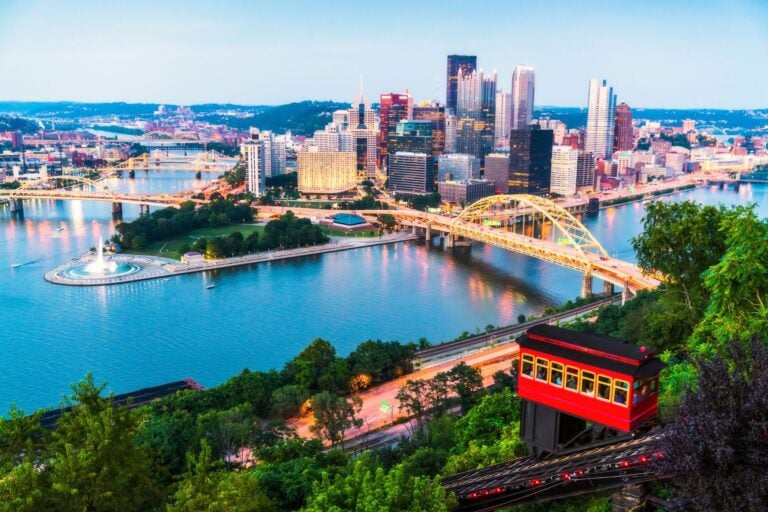

When I mentioned to some friends that I was going to Pittsburgh, they seemed puzzled. They asked, “Why?” and “What’s in Pittsburgh?” The news that this southwestern Pennsylvania city, in the Mid-Atlantic region of the U.S., underwent a major metamorphosis a number of years ago obviously hadn’t reached them.
The ‘Burgh, as it’s commonly called, is no longer a gritty steel mill town, devoid of culture. It’s a vibrant destination with a colorful history and much to offer visitors, from top-notch museums and cultural attractions to sporting events and plenty of outdoor activities.
And if you need any more encouragement to visit the city, it has been included on National Geographic’s Best of the World list for 2026, the second year in a row.
Heinz History Center
Museums abound and I could have spent many days visiting all of them. I started at the Heinz History Center, voted the #1 History Museum in America by USA Today in its annual Readers’ Choice Awards.
Located within Pittsburgh’s historic and vibrant Strip District, this is the place for all things Western Pennsylvania. Allow plenty of time to explore the six floors of interactive exhibits.
Pittsburgh Innovation Highlights
The flagship exhibit, “Pittsburgh: A Tradition of Innovation,” features the many innovations from this region, including the polio vaccine, Bantam Jeep, Big Mac, banana split, Ferris wheel and the first movie theater.
You’ll learn about famous Pittsburghers, from Andrew Carnegie and George Westinghouse to Henry Clay Frick, Nellie Bly, and others. I never knew the city was home to such an impressive slate of industry titans, scientists, engineers, artists, musicians, and the like.
Mister Rogers Exhibit
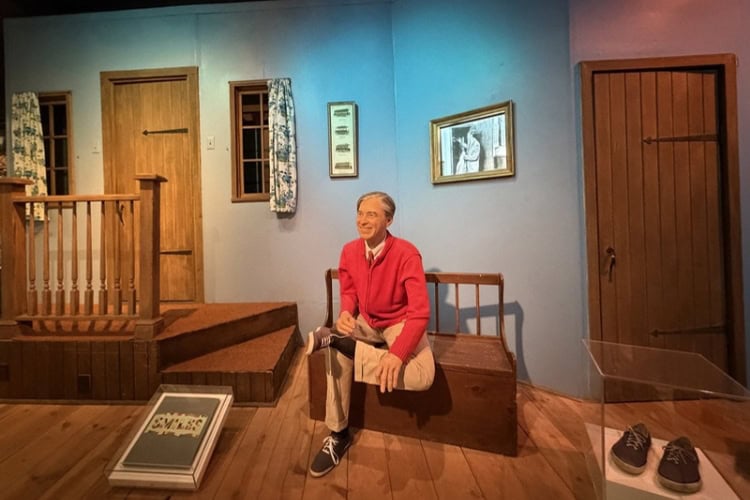
Photo by Debbie Stone
Another highlight is “Mister Rogers’ Neighborhood” in the “Special Collections” gallery. Fred Rogers was born and raised just forty miles from Pittsburgh, so to Pittsburghers, he is a native son.
On display are the puppets and original set pieces from the beloved show, photos of Fred and a number of his personal items. Seeing this exhibit brought back memories of watching the show with my kids and recalling the positive effects that Mr. Rogers’ calm voice and demeanor had on them.
Heinz Company History
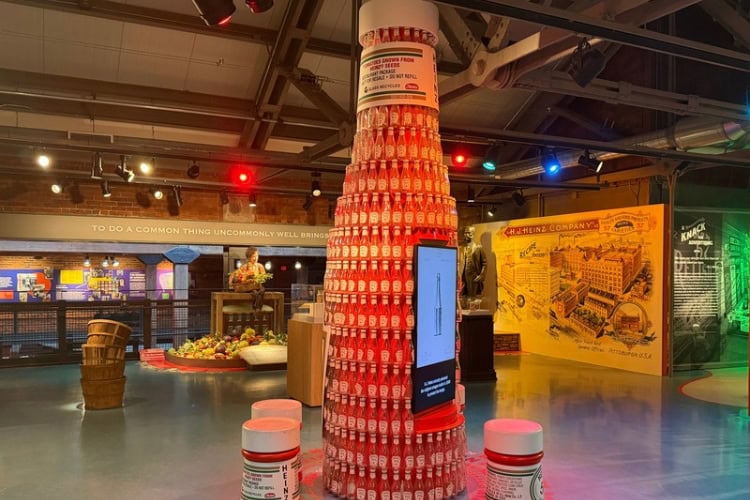
“Heinz,” a popular exhibit, explores the 150-year history of the H.J. Heinz company and all its varied products. You’ll discover how eight-year-old Henry John Heinz started his business by growing produce in his mother’s garden and selling it to local grocers.
You’ll also learn the story behind the slogan “57 varieties” and Heinz’s notable innovations in marketing, packaging and food safety.
Highlights include a larger-than-life, 11-foot ketchup bottle comprised of more than 400 individual bottles alongside a display of more than 100 historic bottles that shows the evolution of Heinz products and packaging.
There are also displays of iconic Heinz pickle pins, video segments of vintage Heinz TV ads from around the world, Heinz’s desk and ledger, a recipe book from 1869 and other memorabilia.
From Slavery To Freedom
Across the way from “Heinz” is “From Slavery to Freedom,” a powerful exhibition detailing 250 years of African American history. The journey begins in 18th-century Africa, crosses the Atlantic Ocean and ends in 21st-century Western Pennsylvania.
An entire section is devoted to Pittsburgh’s role in the Underground Railroad and the pursuit of civil rights. This is not an easy story to tell and it’s not a comfortable exhibit to explore. But the facts are presented in a compelling manner, meant to engage and hopefully encourage conversation.
Kids will enjoy the “Discovery Place Kids’ Zone,” a fun, hands-on area geared toward young would-be engineers and scientists. Stations encourage children to design, build and think creatively.
Read More: Step Into Revolutionary War History: Your Complete Guide to Lexington and Concord
Franco Harris Sports Museum
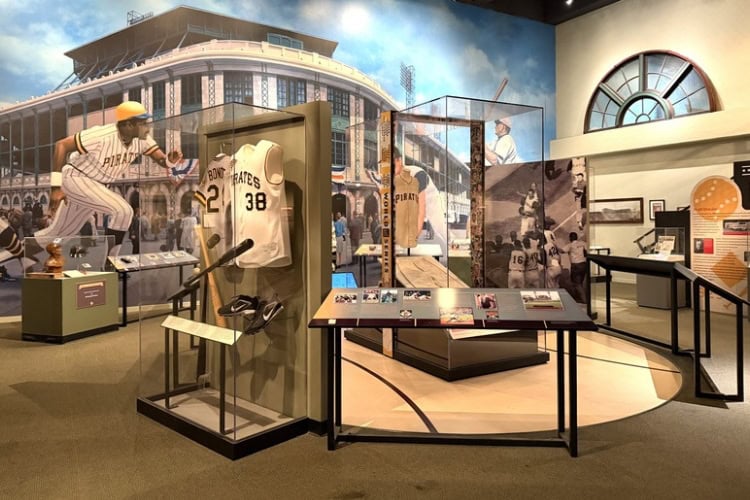
Within the building, on floors two and three, you’ll also find the Franco Harris Sports Museum, a museum-within-a-museum.
If you’re not familiar with Pittsburgh, it’s important to understand that people here take their professional sports very seriously. This is the City of Champions, with its multiple Super Bowls, World Series titles, Stanley Cups and assortment of Olympic medals.
The museum is dedicated to the history of professional sports in the ‘Burgh and its players, as well as the athletes who were born or grew up in Western Pennsylvania.
Cases are filled with iconic artifacts and memorabilia, including Super Bowl rings, uniforms, trophies, and photos, as well as videos of winning events and more. Of course, the Pirates, Steelers and Penguins figure prominently, but other sports are also represented, such as bocce, boating, racing and even marbles.
Andy Warhol Museum
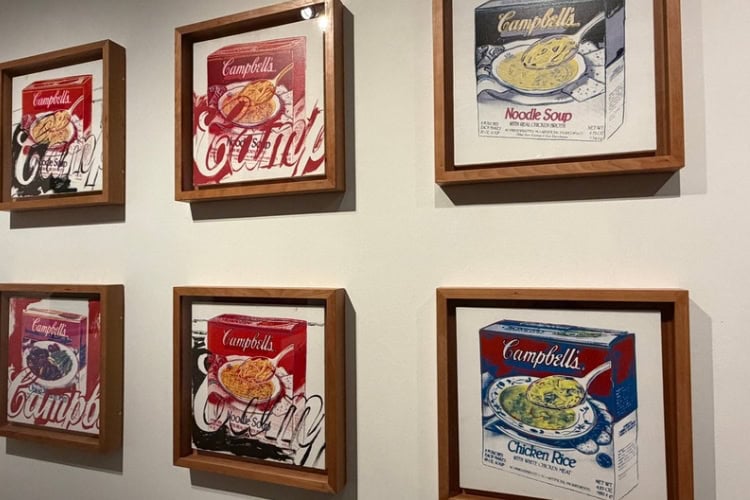
Up next was the Andy Warhol Museum. I was excited about seeing this museum, as Warhol’s work has always interested me, ever since I saw his Campbell Soup pieces as a young girl. The idea that this was art intrigued me and opened my mind to the endless possibilities in the realm of artistic creativity.
The seven-story museum is the largest in the country dedicated to a single artist. It tells Warhol’s story and explores his legacy through the largest collection of his art and archives in the world.
This collection includes works from the artist’s entire artistic output, from his 1940s student work and commercial art illustrations to his 1980s collaborations with other artists. There’s also a film and video gallery for viewing Warhol’s trove of films and videos.
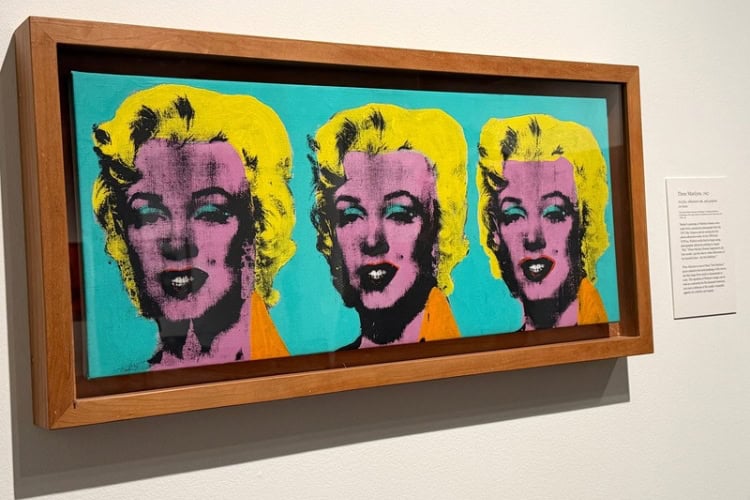
It’s easy to spend several hours here going from floor to floor, learning everything you want to know and more about the Pittsburgh-born pop art icon, while marveling over the extensive collection of his work.
Some of the most notable pieces featured on display are Warhol’s 1960s pop art paintings of consumer products, including Campbell’s Soup cans and Coke; celebrity portraits of stars like Elizabeth Taylor, Jackie Kennedy, Marilyn Monroe and Elvis Presley; his 1960s series, “Death and Disaster,” and “Mao” and his glitzy Shoe series.
The Life of Warhol
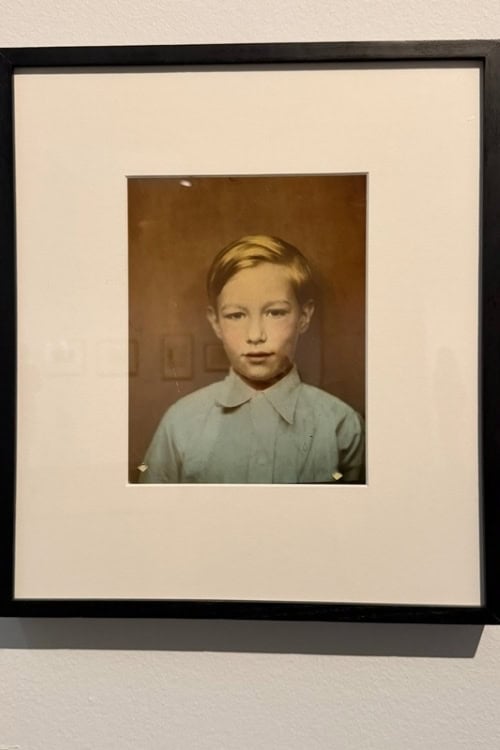
I particularly enjoyed looking at photos of Warhol at different stages in his life and those of his family. His mother, Julia Warhola, features prominently. She was an important and beloved figure throughout the artist’s life. The drawings she made are also included, along with ones Warhol did of her.
I also loved seeing all the different items from the artist’s personal archive on display, like his black leather boots, black vest and silver wig. He wore the latter to initially disguise his hair loss. However, as time went on, the wig contributed to his “avant-garde mystery” and became a recognizable feature of his public persona.
I had no idea Warhol was a noted collector of art and objects. He amassed a vast collection that includes folk art, Native American objects, antique furniture, Art Deco fashion pieces and works by other artists he admired such as Picasso, Degas and Man Ray. Selected items from his collection are on display, giving you an idea of its scope.
Mattress Factory Museum
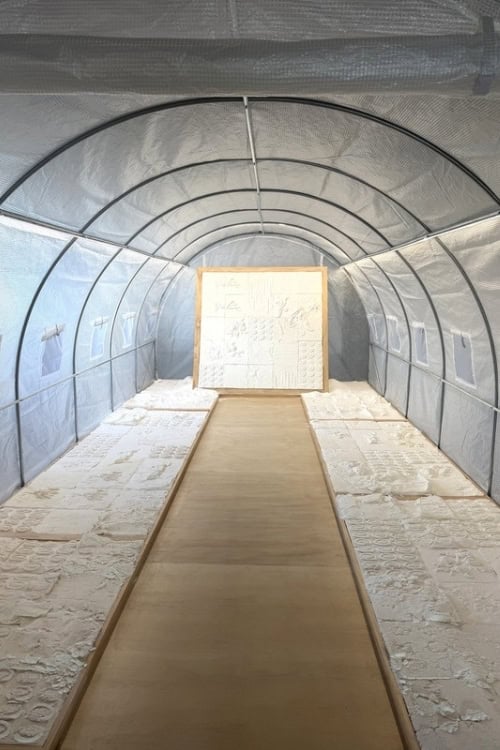
Photo by Debbie Stone
After Warhol, I went to the Mattress Factory Museum. Founded in 1977, this modern art museum pioneered site-specific installation art. The installations are spread across three buildings on the same block, but not connected.
To understand this museum is to know that it offers a space for artists to explore big projects. There are sound and light sculptures, dark rooms to walk into, mirrored displays, and other off-the-beaten-path pieces using unconventional media. Some made sense to me; others didn’t, but I appreciated each as forms of personal expression and discovery.
Randyland Public Art
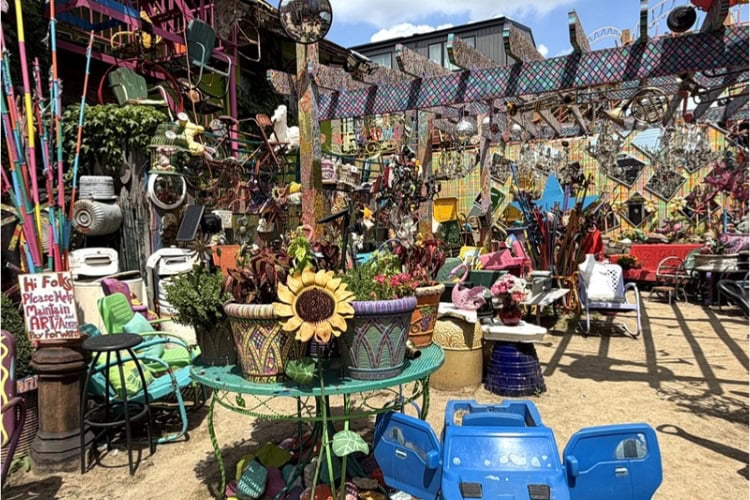
Just down the street is Randyland, a colorful public art landmark and local treasure that’s hard to miss. Credit Pittsburgh artist Randy Gilson for turning a blighted neighborhood corner into one of the city’s most vivid spectacles.
It all began back in 1995 when Gilson bought a few rundown buildings in the Mexican War Streets neighborhood on the city’s north side and began transforming it into a work of art.
Over the years, he continued to add installations, and Randyland grew, eventually attracting the attention of curious locals and visitors from around the world.
The art is composed of found objects and is eclectic and whimsical. There’s everything from plastic animals, yard sale finds, discarded construction materials, toys, dolls and more. It’s a veritable sensory feast that you’re welcome to stroll through, touch and take as many pics as you wish.
I spent quite a while at Randyland and still felt like I didn’t see everything. It’s easy to overlook the countless small and subtle details, as well as all the angles allowing different perspectives.
Fort Pitt Museum
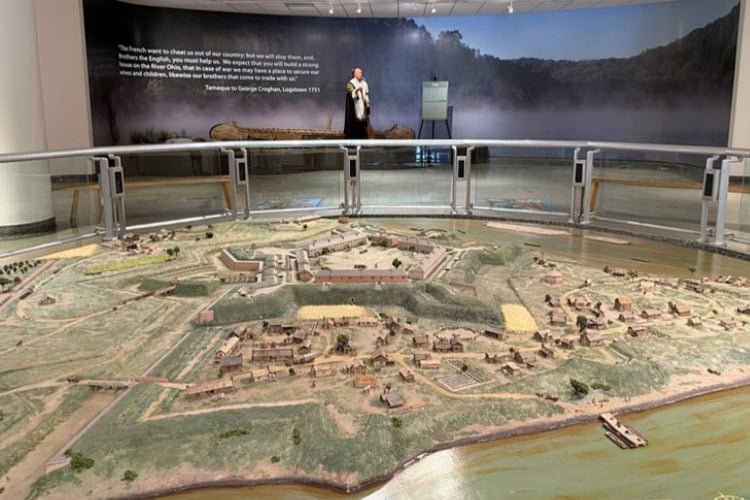
Fort Pitt Museum, another notable attraction, introduced me to Western Pennsylvania’s critical role in the Revolutionary War and its impact on the founding of our country.
Located within Point State Park, the museum takes visitors back in history to the 18th century when Fort Pitt was a frontier stronghold and key British fortification. Exhibits also cover the French & Indian War and the Whiskey Rebellion, while offering insight into the lives of soldiers stationed at the fort.
Today, all that remains of Fort Pitt is the Block House, which has stood in the same location (across from the museum) for nearly 250 years, a witness to Pittsburgh’s history as a frontier fort, large industrial center, and leading modern city.
Point State Park
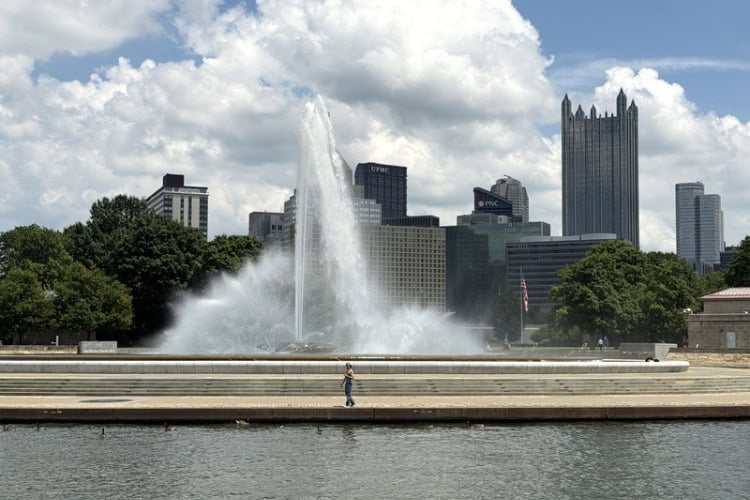
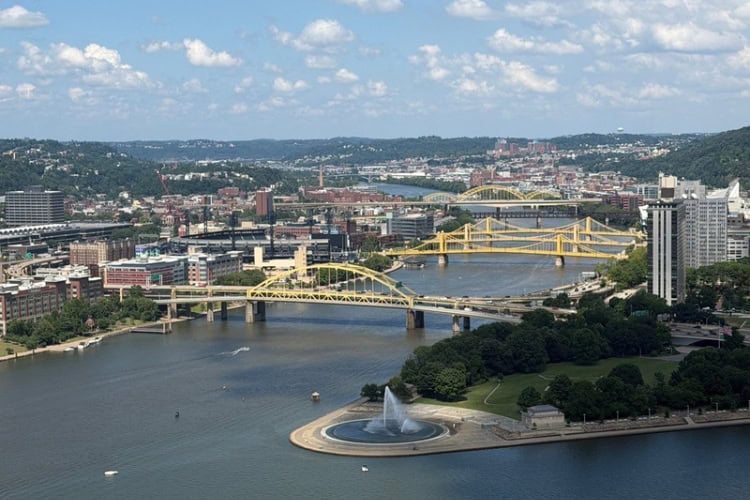
Take time to stroll through Point State Park, downtown Pittsburgh’s hub for outdoor recreation, cultural events and festivals. This 36-acre green oasis is situated at the confluence of the Allegheny and Monongahela Rivers, forming the Ohio River.
It’s known for scenic views and the Point State Park fountain, perhaps the most iconic landmark in the area. The fountain is the tallest in the U.S., with a spray reaching up to 150 feet high. It’s a magnet for locals and visitors, especially on a hot, summer day.
Mount Washington Inclines
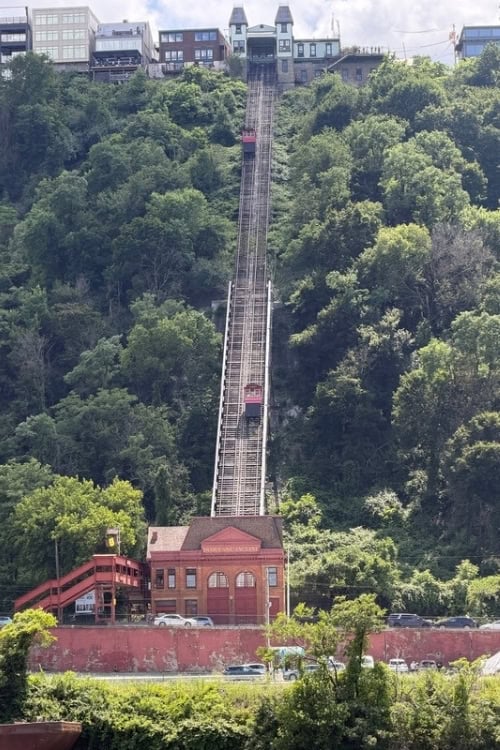
Photo by Debbie Stone
For more great views, I recommend taking the Duquesne or Monongahela Incline up Mount Washington. The former dates back to 1877, cost $47,000 to build and was operated until 1962 by The Duquesne Inclined Plane Company.
From 1964 until the present, the Incline has been operated by the Society for the Preservation of The Duquesne Heights Incline, and owned by the Port Authority of Allegheny County.
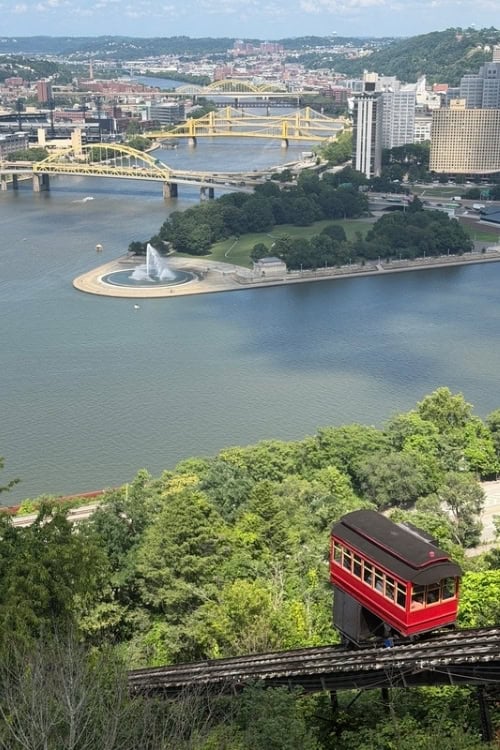
The Duquesne Incline has a track measuring 794 feet, climbs 400 feet in elevation at a speed of six miles per hour and has a maximum capacity of eighteen people per car. As you ascend, the city spreads out below in all its glory.
When you reach the top, step out and gaze at the picturesque skyline panorama. Then check out the little on-site museum of Pittsburgh history, including photos and info on inclines from around the world. Nearby is the machine room, where original wooden equipment from 1877 is still in operation.
The Monongahela Incline is Duquesne’s older sibling. The two are within a mile of one another. The “Mon,” as it’s called, has the distinction of being the first passenger funicular railway built in the U.S., as well as the oldest continuously operating funicular railway in the country.
This Pittsburgh icon was constructed to take workers up and down “Coal Hill” (Mount Washington), which was otherwise inaccessible from the city proper. Though only the “Mon” and the Duquesne have survived, Pittsburgh was once home to almost two dozen inclines.
Gateway Clipper Cruise
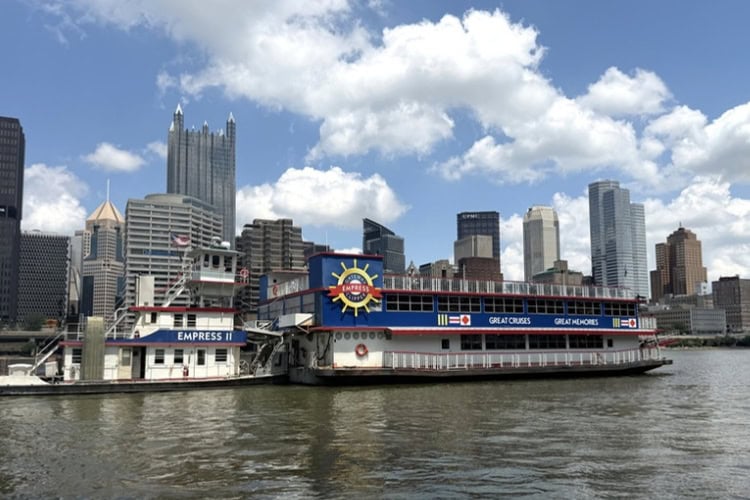
To get another perspective of Pittsburgh’s skyline and its many bridges, I recommend taking a boat ride with Gateway Clipper. The company’s Three Rivers Sightseeing tour begins on the Monongahela River and continues on both the Allegheny and Ohio Rivers.
During the cruise, an onboard narrator relays a slew of facts, tales and river lore, along with information about almost every building and landmark in the city, including the stadiums for the Pirates and Steelers.
You’ll go under several bridges and hear why Pittsburgh has earned its name as the City of Bridges. With a whopping 446 of these engineering feats, it boasts more bridges than any other city or region in the world, even Venice.
Drury Plaza Hotel
During my visit to Pittsburgh, I stayed at the Drury Plaza Hotel. Conveniently located in the heart of downtown, the property is a historic renovation of the 1931 Federal Reserve Bank building.
This prominent Art Deco structure includes many of the bank’s original finishes, rooms and design features, such as the “main banking room,” complete with its marble wall covering and steel trim, and a pair of massive vaults, which have been converted to meeting rooms.
My room was spacious, had the necessary amenities, and, most importantly, a comfy bed. A hot breakfast is complimentary, as well as a happy hour buffet of dinnertime snacks and drinks. Plus, there’s a lobby bar and restaurant on-site, a fitness facility and an indoor pool.
If You Go
Pittsburgh has year-round appeal, as there’s plenty to do both outdoors and indoors. Each season has something for everyone, from festivals and sporting events to museums, theater, holiday markets and more. Even in winter, when it can be cold and snowy, dressing appropriately allows you opportunities to embrace the weather and continue to enjoy the city’s many offerings.
Guided tours worth booking
- Best of the Burgh History and Architecture Tour, a two hour downtown walk that gets you inside historic buildings and points out architectural details most visitors miss.
- Downtown Food Tour with 6 Gems Food Tastings, six stops for the city’s signature stacked sandwich, pierogies and more, with the stories behind each dish.
- Private Yacht River Cruise with Captain and BYOB, a small group cruise across all three rivers with a captain included and your own food and drinks welcome onboard.
You really don’t need a car to get around Pittsburgh, as it’s rated as one of the most walkable, bikeable and transit-friendly cities in the U.S. And there are always rideshare options available.
Flying into Pittsburgh from other states in the U.S. is easy, as there are a number of airlines that offer nonstop flights. There are also several nonstop flights to the city from other countries.
Stay in the downtown sector of the city, as it’s conveniently located to various popular attractions, restaurants and shops.
Need a hand planning your trip? Here are the sites and services we rely on most, from booking tools to travel products we love.
Inspire your next adventure with our articles below:
- Why Boise, Idaho Should Be Your Next Pacific Northwest Getaway
- A First-Timers Guide to Gettysburg: What to See and Do in One of the Country’s Most Historical Destinations
Author Bio: Debbie Stone is an established travel writer and columnist, who crosses the globe in search of unique destinations and experiences to share with her readers and listeners. She’s an avid explorer who welcomes new opportunities to increase awareness and enthusiasm for places, culture, food, history, nature, outdoor adventure, wellness and more. Her travels have taken her to nearly 100 countries spanning all seven continents and her stories appear in numerous print and digital publications.
Want to discover more hidden gems and helpful travel tips? Join our free newsletter for the latest travel secrets and travel articles.
We are reader-supported and may earn a commission on purchases made through links in this article.

unique destinations and experiences to share with her readers and listeners. She’s an avid
explorer who welcomes new opportunities to increase awareness and enthusiasm for places,
culture, food, history, nature, outdoor adventure, wellness and more. Her travels have taken her
to nearly 100 countries spanning all seven continents, and her stories appear in numerous print
and digital publications.
- Why Pittsburgh Is One of America’s Most Compelling City Breaks - September 17, 2026
- A Stay at Estancia Cerro Guido Will Enrich Your Patagonia Experience - September 12, 2026
- Conquering Fear and Finding Magic in Yosemite’s Granite Cathedral - September 12, 2026
Planning another trip soon? ✈️
Add GoWorldTravel.com as a preferred source on Google. Click the button below so our local guides, packing hacks, and hidden-gem itineraries always show up first when you search!
Add to Preferred Sources