
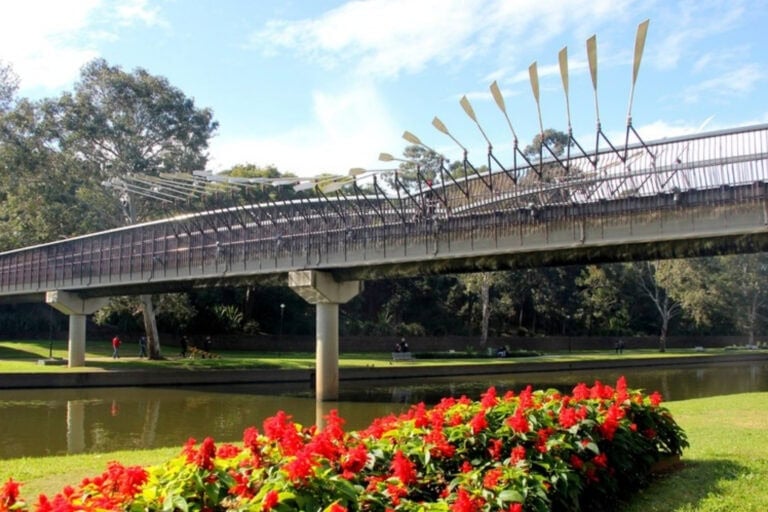
The entrance to Parramatta Park, like a lot of Sydney, is very modest. It looks like any other entrance to any other park.
However, when you step inside and take the time to immerse yourself, something shifts. The history here quietly shows itself in the sandstone buildings, the wide lawns and the river paths.
For anyone drawn to the past, or to the architecture that carries it, Parramatta rewards the attention.
Layers Revealed
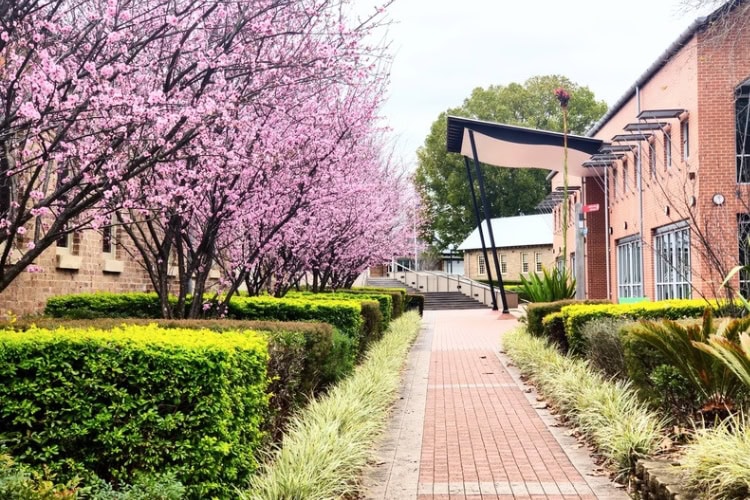
I’m standing outside the Old Government House inside the Park, a pale sandstone building glowing softly in the morning sun. I find myself wondering: how is this a UNESCO World Heritage Site?
It feels quiet, almost understated. No crowds pressing in, no dramatic ruins clinging to cliffs, just a stately building, broad lawns and the gentle hush of the Parramatta Park stretching out behind me. And yet, that’s exactly the point.
This place is part of the UNESCO World Heritage Site listing known as the Australian Convict Sites. Not because it’s flashy, but because it tells a foundational story.
This was the seat of early colonial power. Here, governors ruled, agricultural experiments were conducted and a fragile settlement began to prove it could survive. Stand here long enough, and the layers start to reveal themselves.
If you’re planning a trip to Australia, check out our Australia Travel Guide, where you’ll find a curated selection of articles to inspire you and help plan your trip.
A Little Context: What Is Parramatta?
Parramatta holds the distinction of being Australia’s second-oldest European settlement after Sydney. When the first governor of the new colony, Arthur Phillip, arrived with the First Fleet in 1788, the new colony struggled to survive around Sydney.
The harbor was spectacular, but the soil was poor and fresh water scarce. The solution lay inland.
Following the river to the west, Phillip discovered fertile land and a reliable freshwater source along the Parramatta River. It was here that the river’s waters became non-saline (all downstream was brackish). This could support farming, helping the colony to feed itself.
The settlement of Parramatta was established in the same year as Sydney, in 1788. It quickly became the agricultural engine of the colony, helping it flourish.
Today, Parramatta has been engulfed within Greater Sydney and is just about 26 km west of the City Business District (CBD). But once upon a time, it was the epicenter of governance and power, overshadowing the importance of Sydney itself.
What’s With the Name?
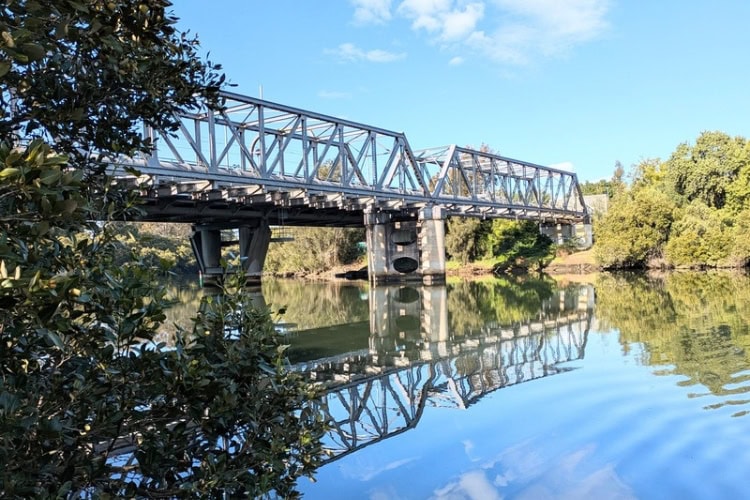
The name Parramatta comes from the language of the Dharug people, the Traditional Custodians of the area. It is widely believed to derive from the word “Barramattagal” or “Parramatta,” meaning “place where the eels lie down.”
It’s a reference to the abundance of eels in the Parramatta River and the river’s role as the upper tidal limit of Sydney Harbour.
This tidal mixing zone created a rich, brackish habitat where eels flourished in large numbers, reinforcing the area’s strong association with them.
This connection is still reflected today in Parramatta’s civic symbolism, where eel hunting features in its insignia. It echoes the deep relationship between the local Indigenous community and the waterways that sustained them for thousands of years before European settlement.
The Old Government House and The Farm
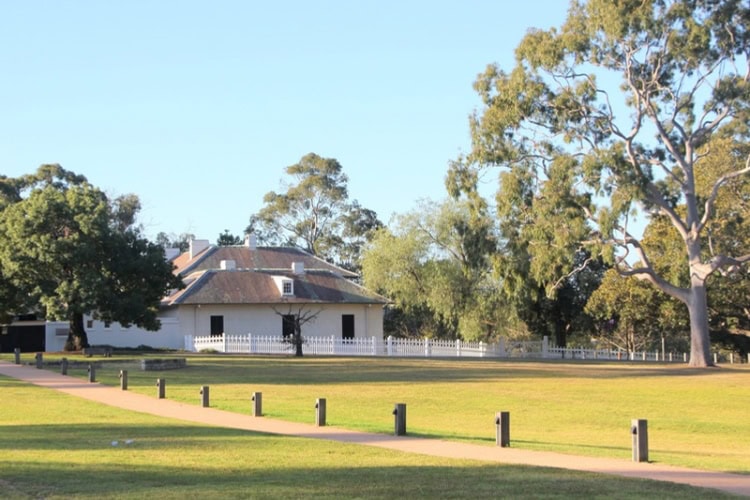
Set within the expansive green heart of the Park, the ochre-colored Old Government House is one of Australia’s oldest surviving public buildings. It is a symbol of the colony’s early administrative life.
Established in the late 18th century, it was built with convict labor, which is why it is part of the UNESCO-listed Convict heritage. It became the country residence of early governors who found Sydney too crowded, squalid and unreliable for food supplies.
Today, visitors can explore its Georgian architecture, period furnishings, and surrounding gardens. Visitors can choose to do so either independently or through guided tours that bring to life the routines and challenges of colonial leadership.
Near here lie the remains of what was known simply as “The Farm,” one of the earliest government agricultural sites. This is where James Ruse, a former convict, made history.
Granted land by Arthur Phillip, Ruse became the first person in the colony to successfully grow enough food to sustain himself. It sounds modest, but at the time, it was revolutionary. Proof of concept that the colony could feed itself and gave Ruse the often-used moniker of “the father of Australian agriculture.”
Natural Beauty and The River
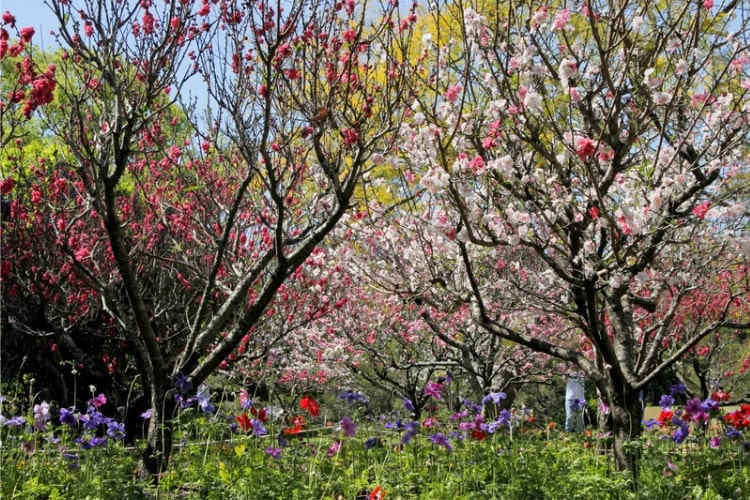
Beyond its historical landmarks, Parramatta Park is alive with natural beauty. Opposite the Old Government House lies the Rumsey Rose Garden, one of Sydney’s most notable rose gardens.
Further beyond lies the Wisteria Garden, which becomes a sight to behold during spring. This is when it’s bursting with wisterias and a host of cherry, apricot and peach blossoms in multiple shades. It’s one of the most striking locations to admire springtime blossoms anywhere in Sydney.
Come summer, the archways and boulevards around the park, lined with jacaranda flowers, burst into purple blooms. This makes it a favorite for Sydneysiders who are excessively attached to the blossoms.
The Parramatta River (a bit of a stream in its early stages in the Park) is also a seasonal home to a large denizen colony of flying fox bats. Wait until dusk to see them wake up en masse and create a striking silhouette against the evening light.
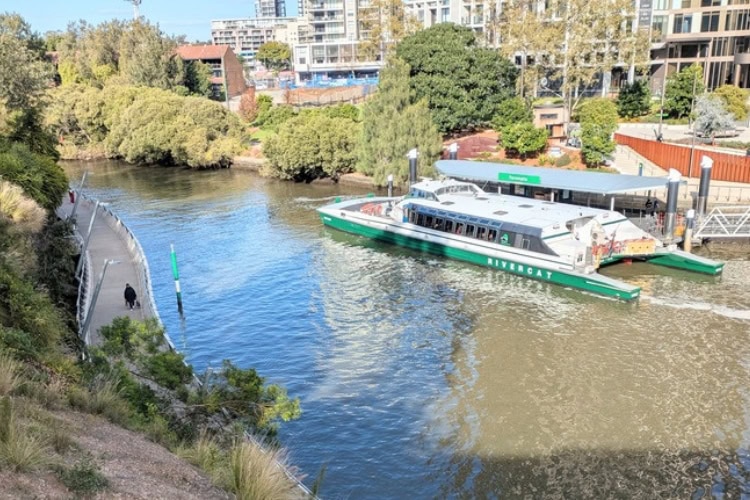
From the park, a gentle walk along the Parramatta River leads towards the Parramatta Quay, where the city meets the water. This is where you can alight on a scenic river ferry to take you to the city.
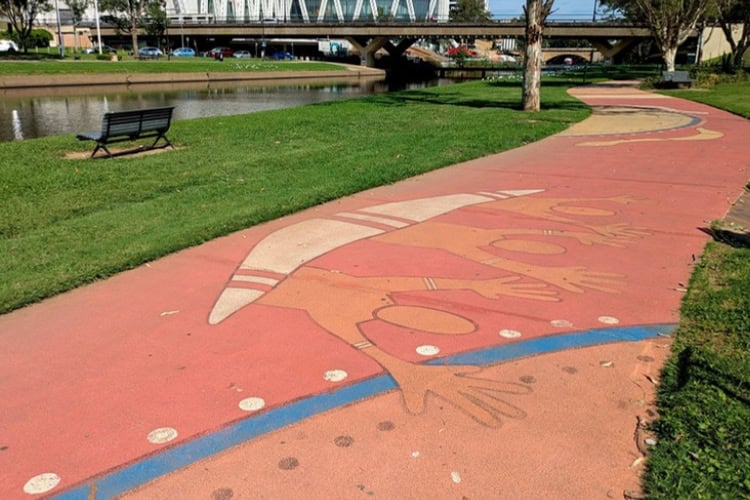
Along the way to the Parramatta Quay, keep an eye out for embedded artworks and interpretive designs set into the pathways. These subtle yet meaningful pieces reflect Indigenous heritage, colonial history and the evolving identity of Parramatta as one of Australia’s oldest and most culturally layered settlements.
Elizabeth Farm
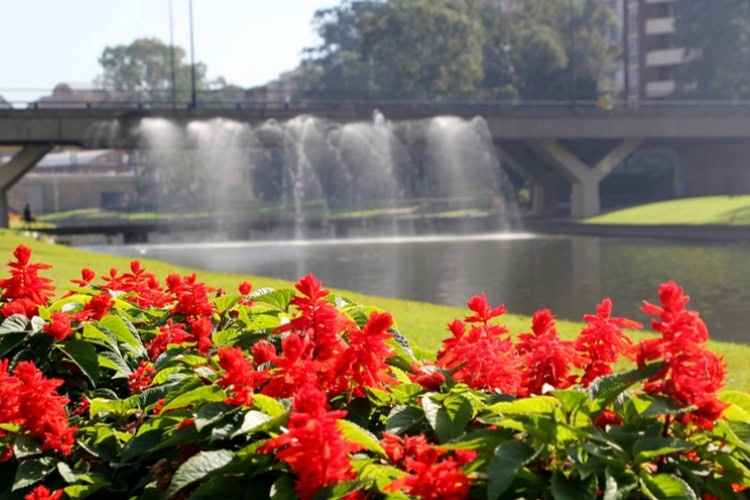
You can take a scenic walk on either side of the Parramatta River through multiple reserves and get to two other historical landmarks nearby: Elizabeth Farm and Hambledon Cottage.
Elizabeth Farm is one of the oldest surviving European homes in Australia. It was built in 1793 for John and Elizabeth Macarthur. Originally a simple cottage, it grew over time into a larger homestead as the Macarthurs became more influential in the colony.
The property is especially important because it is closely linked to the beginnings of Australia’s wool industry. Through the Macarthurs’ development of merino sheep, wool became a major export, helping shape the nation’s economy.
Today, Elizabeth Farm offers insight into both early colonial architecture and the lives of a family who played a key role in Australia’s economic transformation.
Hambledon Cottage
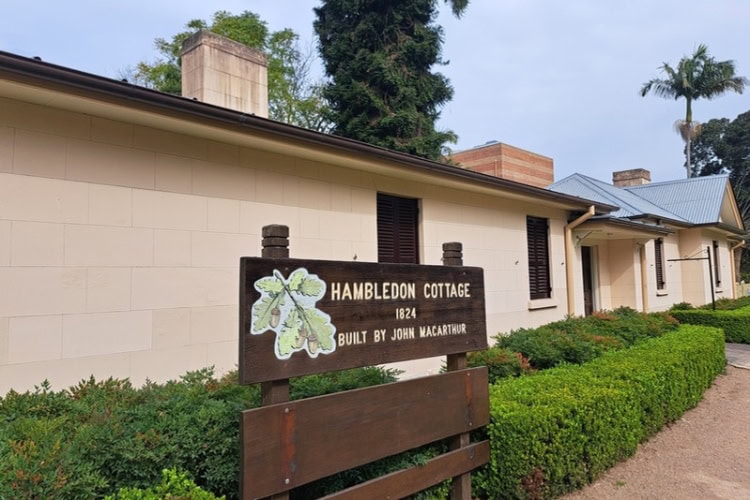
Nearby, Hambledon Cottage dates from the 1820s. It was built for John Macarthur’s son, reflecting the next generation of colonial settlers.
Designed in a Georgian style and set within landscaped gardens, the cottage represents a more settled and domestic phase of life in Parramatta.
Together, the Farm and the Cottage help build a fuller picture of early Australian history. They link economic development with the everyday experiences of those who lived through it.
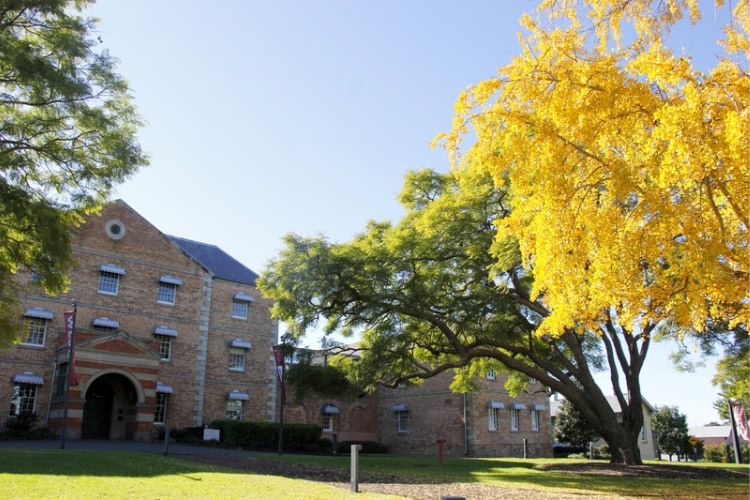
If you have the time, there are yet more landmarks by the river. The Female Orphan School, established in 1818 under Governor Lachlan Macquarie, was Australia’s first purpose-built institution for orphaned and destitute girls.
The school aimed to provide shelter, basic education, and moral training, reflecting colonial concerns about social order and the welfare of vulnerable children.
Nearby, the Parramatta Boilerhouse represents a much later industrial phase of the area’s history. Built in the 20th century to support electricity generation, it symbolizes Parramatta’s transition from a colonial settlement to a modern industrial and urban center.
Lancer Barracks
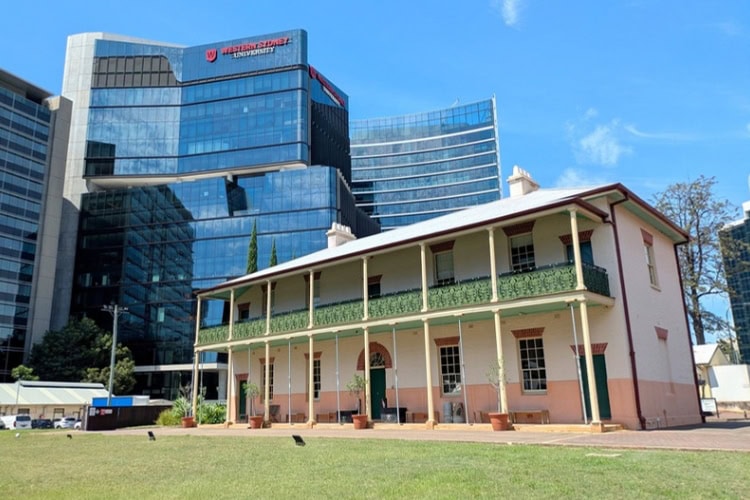
The Lancer Barracks is the oldest military barracks in Australia still in continuous use. They were built in 1820 during the governorship of Lachlan Macquarrie to house British soldiers stationed in Parramatta. The intent was to help maintain order in the expanding colony and protect key government and agricultural sites.
The barracks later became associated with Australian cavalry units. This includes the New South Wales Lancers, linking it to the development of Australia’s own military forces.
Each Sunday at Lancer Barracks, visitors can explore a unique military heritage experience when the site opens its historic grounds to the public. Here you can view a range of tanks, armored vehicles, and other military equipment used by the Australian Defense Force. The site offers a close-up look at how military technology has changed over time.
Volunteers and guides, often including veterans, lead informal talks and tours. They share personal stories from their service and explain the history of the barracks and the units associated with it, including the NSW Lancers.
As you walk around the grounds and the museum, you will be amused to see how the adjacent Parramatta Business District has grown with skyscrapers all around. The new structures tower over this tiny sandstone building from two centuries back.
The CBD: Where History Meets Now
Once you are done with the heritage buildings, the history, and the River, head over to the City Business District (CBD).
It is small but is considered Sydney’s second economic and business heart. The district buzzes with multi-cuisine restaurants and world-class coffee shops. There is even a mini, stylish tram (or light rail) that is perfect for a little joyride.
After a sumptuous meal, head to Westfield Parramatta for a bit of branded shopping. Or to Prince Alfred Square to admire the heritage buildings, including the 200-year-old St. John’s Anglican Church.
It is perhaps at the end that the true significance of Parramatta, with its entwinement of history and modern-day growth, will sink in. Parramatta isn’t about a single monument; it’s about continuity.
From eel-filled waters to colonial survival, from governorship to a modern thriving urban center, this place has always been quietly essential. It is the quiet but incredibly important historic heart of Sydney.
If You Go:
- Parramatta is about 26 km west of Sydney CBD. You can reach by car, train, or even by Ferry from Circular Quay.
- For history enthusiasts, if Parramatta’s history interests you, consider exploring:
- Hyde Park Barracks (Sydney CBD) – A UNESCO World Heritage site showcasing convict history.
- Cockatoo Island – Convict-era buildings, industrial heritage, and waterfront views.
- Government House (Sydney CBD) – The official residence of the Governor of New South Wales, set within the Royal Botanic Garden; while the resplendent house itself is rarely open, the surrounding gardens are beautiful and historically significant.
- Windsor and Richmond (40 km west of Parramatta) – Historic towns along the Hawkesbury River featuring colonial-era buildings, old churches, and charming riverside walks, giving a sense of early settler life outside the city center.
Need a hand planning your trip? Here are the sites and services we rely on most, from booking tools to travel products we love.
Inspire your next adventure with our articles below:
- Sydney’s Seaside Secrets: 10 Coastal Walks That Will Take Your Breath Away
- The Ultimate Sydney Bucket List: 10 Places You Can’t Miss
Author Bio: Ayan Adak loves travelling, writing and photography; he has travelled to over 30 countries and has published multiple books on travel and poetry.
Want to discover more hidden gems and helpful travel tips? Join our free newsletter for the latest travel secrets and travel articles.
We are reader-supported and may earn a commission on purchases made through links in this article.

- Strasbourg, France: Gothic Grandeur, Pretty Canals and German Heritage - October 7, 2026
- Slow Down on Corfu: A Perfect Day at Kontogialos Beach - October 7, 2026
- Winter Family Fun in Colorado: Play, Discover and Ski Beaver Creek - October 7, 2026
Planning another trip soon? ✈️
Add GoWorldTravel.com as a preferred source on Google. Click the button below so our local guides, packing hacks, and hidden-gem itineraries always show up first when you search!
Add to Preferred Sources