
The world of luxury travel is undergoing a profound shift. The most discerning travelers are no longer content with passive escapes; they are seeking destinations that offer profound cultural authenticity, deep natural beauty, and active engagement with global heritage.
This demand has put a spotlight on the newest national parks, protected areas, and UNESCO sites—places where conservation meets world-class, transformative travel.
These new frontiers of exploration promise once-in-a-lifetime adventures and serve as vital anchors for preserving local ecosystems and history.
Here are seven of the most compelling new protected areas that should top the list for every curious, cultured, and conscious traveler.
1. Mleiha National Park, Sharjah, UAE

The Intellectual Escape: Where Antiquity Meets Astro-Tourism
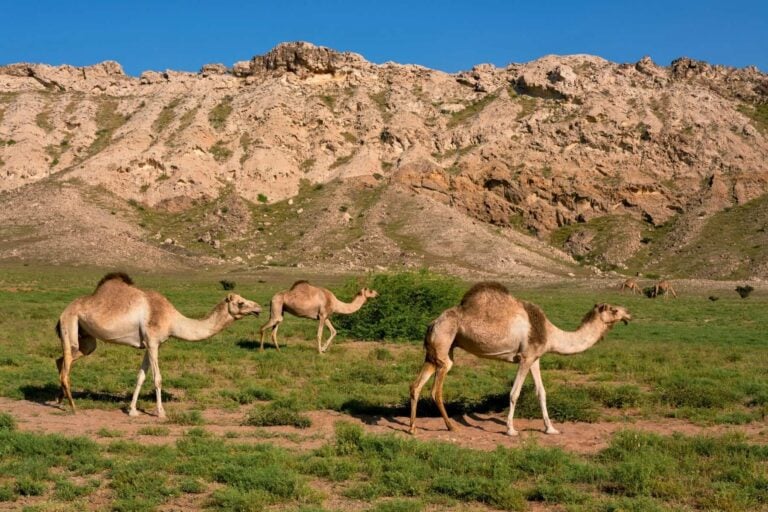
Less than an hour from the sleek modernity of Dubai, Mleiha National Park offers a genuine escape back through time. It is anchored in the majestic Faya Palaeolandscape, a newly designated UNESCO World Heritage Site.
Mleiha redefines experiential luxury by blending high-design glamping, including the award-winning Mysk Moon Retreat, with profound historical and celestial discovery.
Mleiha is a living museum, holding 210,000 years of documented human history. Visitors can engage in guided archaeological tours of Neolithic settlements and Bronze Age tombs, transforming from passive spectators into active participants in discovery, channeling their “inner Agatha Christie or Indiana Jones.”
Beyond history, the park’s pristine, near-zero light pollution makes it a premier global spot for celestial tourism, offering state-of-the-art stargazing beneath silent desert skies.
Its importance is further championed by archaeologist and cultural visionary Her Highness Sheikha Bodour Al Qasimi, ensuring a sustainable model of cultural tourism that preserves ancient human heritage and the unique Arabian desert ecosystem.
2. Patagonia National Park, Chile
A Triumph of Rewilding in South America
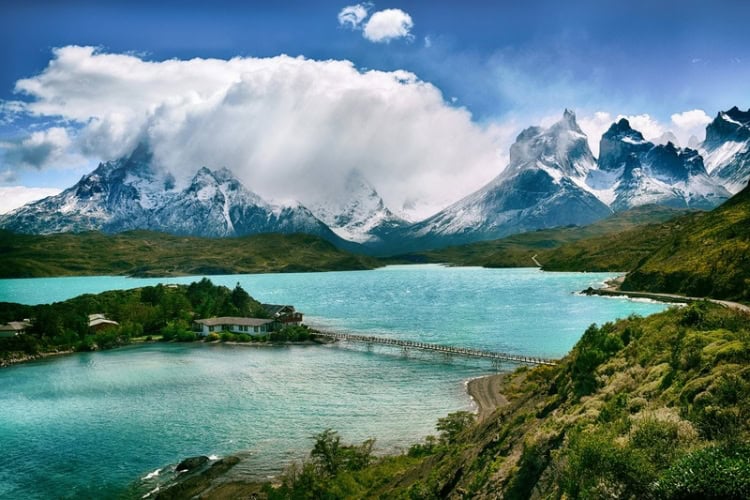
Located deep in Chile’s rugged Aysén Region, Patagonia National Park is a monumental achievement in landscape-scale conservation.
It was officially created in 2018. This vast wilderness was pieced together from former private ranches and donated lands, consolidating over 670,000 acres of contiguous, mega-protected area.
Travelers flock here for some of the world’s most spectacular hiking, trekking, and wildlife viewing, particularly in the stunning Chacabuco Valley. The park’s diverse ecosystems—from grasslands and mountain ranges to vast forests—are essential for the survival of the endangered huemul (Andean deer) and the elusive puma.
Its establishment is a model for private-public conservation partnerships, successfully rewilding landscapes and ensuring the permanent protection of the region’s unique flora and fauna against overdevelopment.
3. New River Gorge National Park and Preserve, West Virginia, USA
Adrenaline and Ancient Appalachia
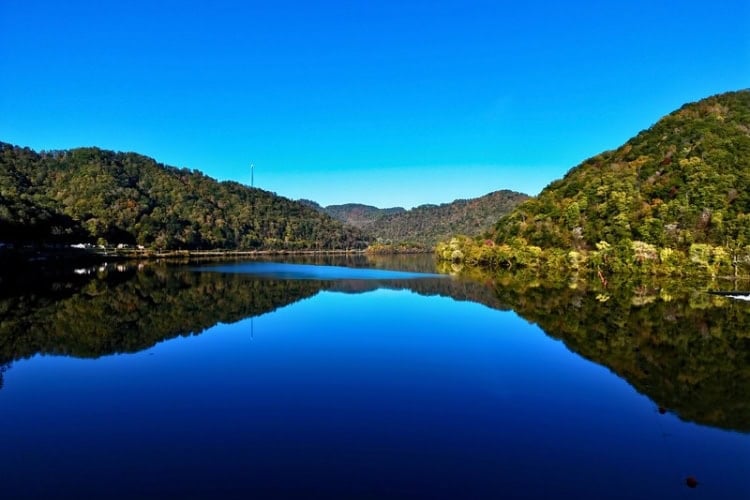
Designated the nation’s 63rd National Park in 2020, New River Gorge National Park and Preserve preserves over 70,000 acres along the rugged New River in the Appalachian Mountains.
Known for its breathtaking canyon and the iconic New River Gorge Bridge, this park quickly became a haven for adrenaline seekers and nature lovers alike. The park is a major hub for world-class outdoor adventure, including whitewater rafting, rock climbing, and hiking.
Ecologically, the gorge harbors a significant piece of the Appalachian forest, one of the world’s most diverse temperate deciduous forests.
Its steep, sheltered cliffs and unique microclimates protect numerous rare and endemic plant species, making it a critical area for Appalachian biodiversity conservation and for preserving the history of early American industry and settlement in the region.
This six-hour small-group rafting trip tackles Class III and IV rapids through the heart of the gorge, with a riverside lunch mid-run and guides who know the area’s coal mining history as well as they know the water. Learn more here.
4. Ivvavik National Park’s Expansion, Yukon, Canada
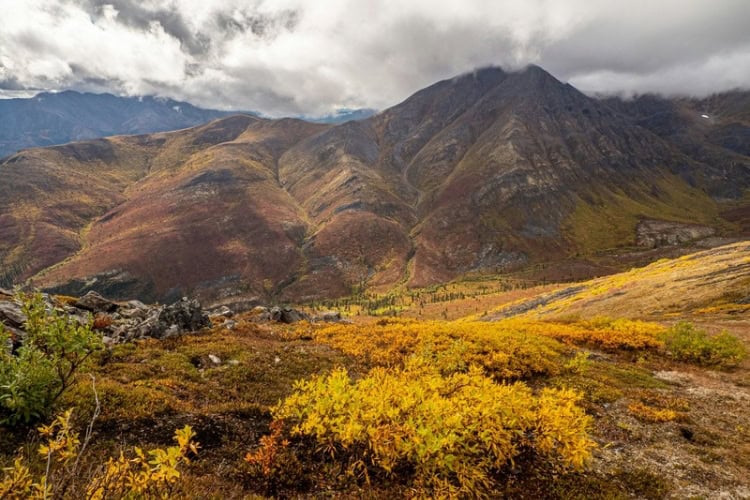
Protecting the Arctic’s Wild Heart
While Ivvavik has existed since 1984, the surrounding area in the Yukon and Northwest Territories saw significant movement toward greater protection in recent years, reinforcing permanent protection of the Porcupine Caribou Herd’s calving grounds.
This region is a place of profound solitude and untouched Arctic wilderness. This park is for the truly adventurous traveler seeking a remote, challenging, and profoundly spiritual experience.
It’s one of the few places in the world where you can witness the migration of the Porcupine Caribou herd. Conservation efforts here are deeply intertwined with the Inuvialuit people, whose traditional knowledge is vital to the stewardship of the land.
Visitors gain an unparalleled perspective on the fragility and majesty of the circumpolar ecosystem.
5. Tsingy de Bemaraha Strict Nature Reserve, Madagascar

A UNESCO Gem for the Biologically Curious
While officially a protected area for decades, this dramatic landscape was recently given added prominence and protection as a UNESCO site.
Located on Madagascar’s western coast, the Tsingy de Bemaraha Strict Nature Reserve features one of the most spectacular landscapes in the world: the tsingy, or stone forest, towering limestone karst pinnacles sculpted by erosion.
This reserve is a biological wonderland, offering a challenging yet rewarding travel experience. The park’s incredible biodiversity includes numerous endemic species of lemurs, birds, and reptiles that have adapted to the highly specific ecosystem within the labyrinthine tsingy.
Visiting here is a profound encounter with geological forces and evolutionary isolation, making it essential for the nature-focused traveler.
6. Wadi Rum Protected Area, Jordan
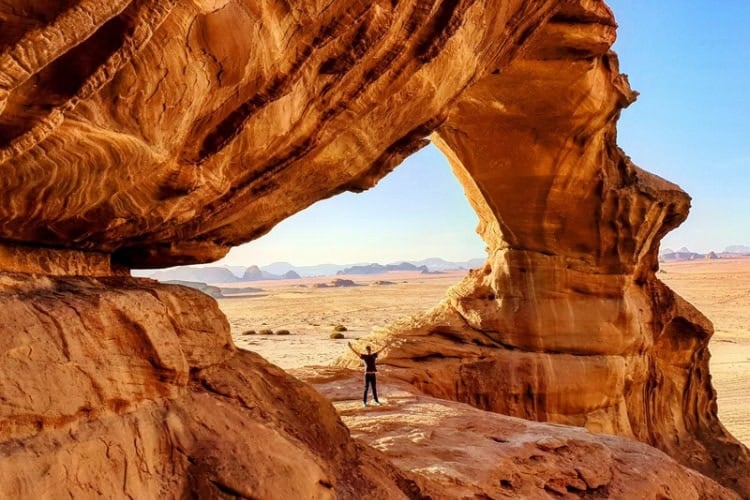
Bedouin Hospitality in the ‘Valley of the Moon’
Another area with longstanding protection that has seen a recent surge in global recognition and reinforced conservation efforts is the Wadi Rum Protected Area, a UNESCO World Heritage site known as the “Valley of the Moon.”
The park protects a stunning expanse of desert wilderness, towering sandstone mountains, and sweeping dunes, offering a cinematic backdrop for cultural immersion.
Visitors can experience the legendary hospitality of the local Bedouin communities, who have been guardians of this landscape for centuries.
The true attraction is the deep cultural history of the area, including ancient rock carvings and archaeological sites, combined with activities like desert safaris and stargazing.
The area’s protected status ensures the preservation of its fragile geological and ecological features alongside rich Bedouin cultural traditions.
This small-group Jeep tour led by a local Bedouin guide covers Lawrence Spring, Khazali Canyon, and ancient rock inscriptions that have marked this landscape for centuries, with camel ride and overnight upgrades available for those who want to push deeper into the desert. Learn more here.
7. Monarch Butterfly Biosphere Reserve, Mexico
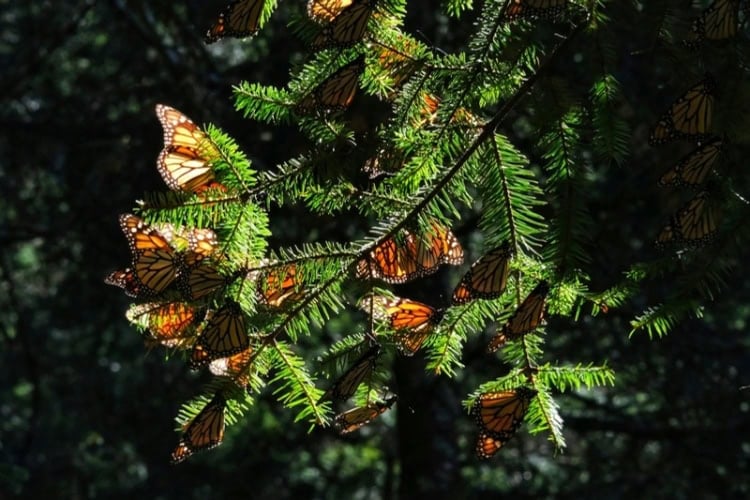
Designated a UNESCO World Heritage site, the Monarch Butterfly Biosphere Reserve in central Mexico protects the overwintering habitat of the eastern population of the Monarch butterfly.
This is a site of truly phenomenal natural spectacle, where millions of butterflies blanket the Oyamel fir forests from November to March.
Traveling here is an actively ethical and sustainable choice. The reserve’s protection is critical to the survival of a species whose migration spans continents.
The community-based tourism model in surrounding villages ensures that local people benefit from conservation efforts, making a visit a direct contribution to ecological and economic sustainability.
It is a powerful reminder of nature’s interconnectedness and the beauty that conscious travel can help preserve.
This small-group day trip from Mexico City into Sierra Chincua is led by guides with genuine ties to the local conservation community, a regional lunch included, making the visit feel less like tourism and more like participation. Learn more here.
Need a hand planning your trip? Here are the sites and services we rely on most, from booking tools to travel products we love.
Inspire your next adventure with our articles below:
- A Whale of a Time in Cape Cod Discovering Stellwagen Bank National Marine Sanctuary
- Easy Hikes and SUV-Friendly Back Roads in Utah’s Capitol Reef National Park
Author Bio: Marcy Clark is a San Francisco-based tour guide and media professional. She has extensive experience in planning events and retreats, both domestically and internationally, and in securing top-tier media coverage in outlets such as the New York Times, Washington Post, TIME, Harper’s Bazaar, Vanity Fair, Forbes, Travel + Leisure, Condé Nast Traveller, Afar and AAA Explorer. As the founder of Visionary Mafia and Marcy Clark PR and Events, Marcy is passionate about crafting experiential events that foster community and learning. Her tours are known for being culturally resonant and filled with moments of delight and awe. As a certified Yoga Teacher, Marcy has led yoga and wellness experiences in locations, including Capri, Ischia, Miami, New York and Los Angeles.
Want to discover more hidden gems and helpful travel tips? Join our free newsletter for the latest travel secrets and travel articles.
We are reader-supported and may earn a commission on purchases made through links in this article.

Planning another trip soon? ✈️
Add GoWorldTravel.com as a preferred source on Google. Click the button below so our local guides, packing hacks, and hidden-gem itineraries always show up first when you search!
Add to Preferred Sources