
The afternoon sun breaks through a veil of clouds as my husband and I make our way along a mountain trail in Jasper National Park. A cool breeze carries the scent of alpine fir while snow-capped peaks rise in every direction. Step by step, we climb toward a ridge, and suddenly it appears before us: the magnificent Angel Glacier. Suspended high on the face of Mount Edith Cavell, the glacier stretches across the mountainside like a giant pair of frozen wings.
“This view takes my breath away,” I say.
The spectacular scenery certainly deserves credit, although the thinner mountain air may be contributing as well. If you’re concerned about altitude, here are tips to avoid altitude sickness.
Fortunately, reaching this viewpoint does not require mountaineering expertise. One of the joys of visiting Jasper National Park is that many of its most dramatic landscapes are accessible to travelers of all ages and abilities. A scenic mountain road delivers visitors close to the trailhead, allowing even casual hikers to experience some of the Canadian Rockies’ most unforgettable vistas.
Yet as inspiring as the scenery may be, Jasper’s stories run even deeper than its valleys and glaciers.
For more than a century, travelers have come to Jasper National Park seeking wilderness, wildlife, mountain adventure, and a sense of connection to one of Canada’s most spectacular landscapes. Along the way, Jasper has weathered its share of challenges and changes while remaining one of the crown jewels of the Canadian Rockies.
Landscape Shaped By Nature
Like all mountain communities, Jasper has long existed in close relationship with the forces of nature. Glaciers have carved its valleys, rivers have shaped its canyons, and periodic wildfires have played a natural role in renewing forest ecosystems.
The 2024 wildfire that affected portions of Jasper and its surrounding area was among the most significant events in the community’s recent history. While some areas experienced damage, many of Jasper’s most iconic attractions remained intact, and the town has continued welcoming visitors while rebuilding and renewing.
Today, travelers may notice areas of Jasper National Park where the forest is regenerating alongside thriving stands of evergreen trees. Wildflowers bloom in open spaces, wildlife continues to roam the valleys, and mountain views remain every bit as spectacular as ever. Rather than defining Jasper, the wildfire has become one chapter in the long story of a landscape that has always evolved with nature.
Mount Edith Cavell Legacy
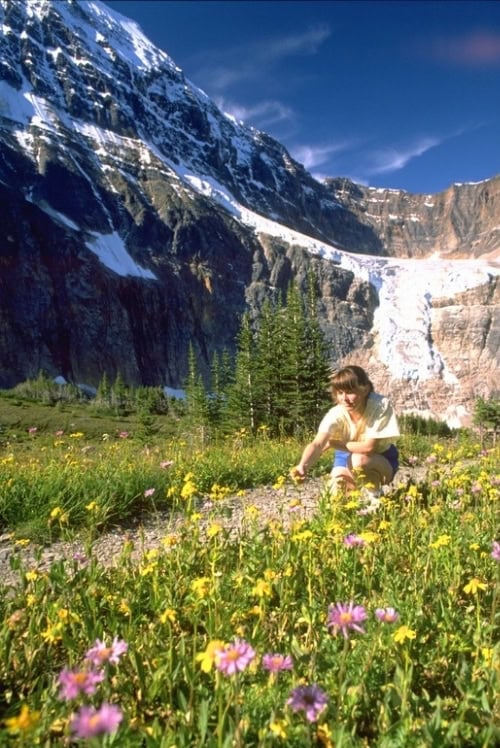
Few places capture Jasper National Park’s combination of beauty and history better than Mount Edith Cavell. Rising dramatically above the Athabasca Valley, the mountain was named after Edith Cavell, a British nurse whose courage during the First World War made her an international symbol of compassion and sacrifice.
While working in German-occupied Belgium, Cavell cared for wounded soldiers regardless of nationality and helped more than 200 Allied soldiers escape to safety. Arrested and charged with treason, she was executed by firing squad in 1915. Her death sparked worldwide outrage and cemented her place in history. Today, her name lives on in one of the Canadian Rockies’ most iconic peaks.
As I gaze toward the Angel Glacier, it is easy to understand why this mountain was chosen to honor someone whose legacy continues to inspire more than a century later. The mountain’s beauty feels timeless.
Legendary Mountain Retreat
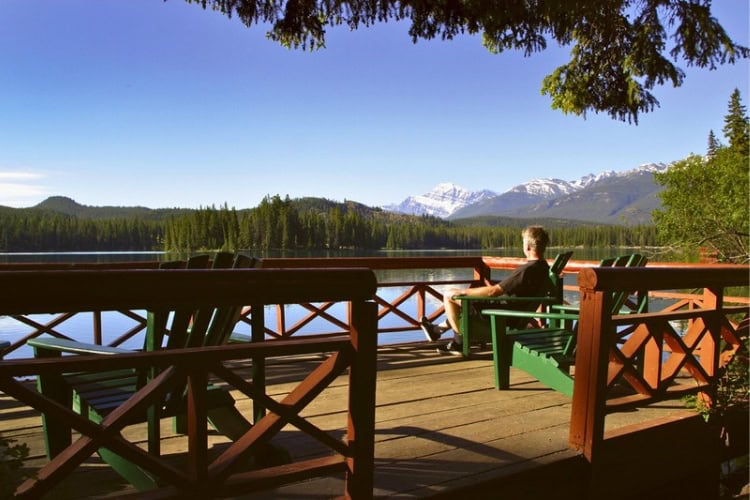
Later that day, we arrive at one of Jasper’s most celebrated landmarks: Fairmont Jasper Park Lodge.
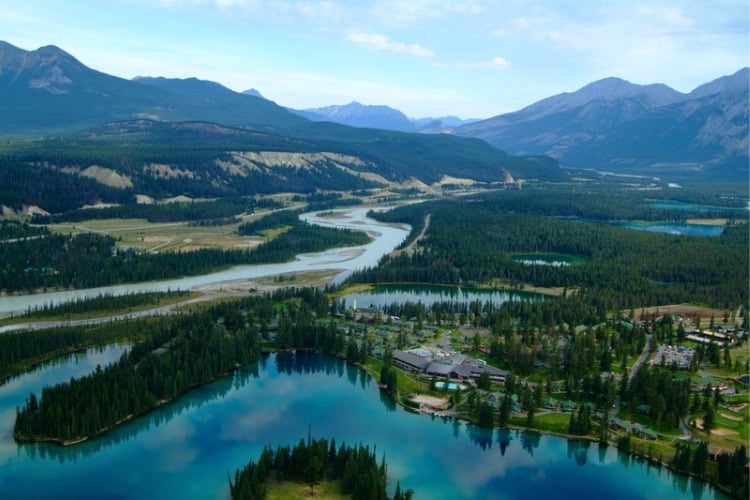
Spread across 700 acres on the shores of Lac Beauvert, the resort has been welcoming guests since 1915, the same year Edith Cavell lost her life. Originally built to serve travelers arriving aboard the Grand Trunk Pacific Railway, the lodge began as a collection of luxury tent accommodations in the wilderness.
Over the decades, it evolved into one of Canada’s most iconic mountain resorts. Although the original main lodge was destroyed by fire in 1952 and rebuilt the following year, the property’s character and heritage remain remarkably intact. History seems to linger around every corner.
Hollywood Comes To Jasper
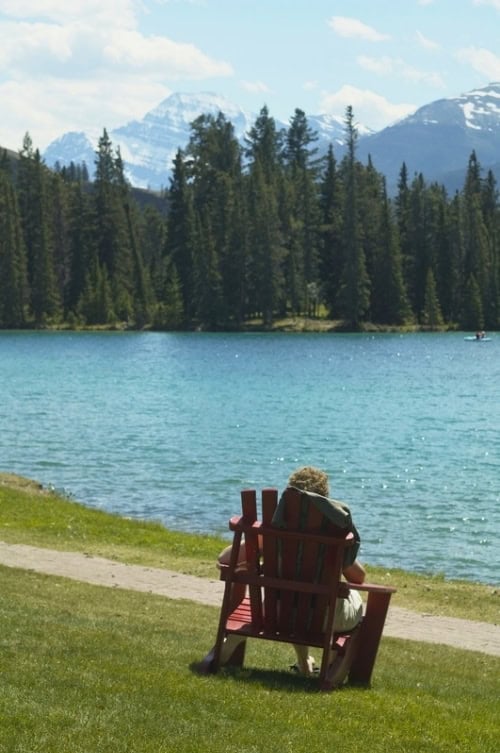
The Fairmont Jasper Park Lodge has long attracted royalty, celebrities, and filmmakers. Hollywood discovered Jasper National Park decades ago, drawn by the dramatic mountain scenery that surrounds the resort. Bing Crosby filmed scenes here for The Emperor Waltz. Marilyn Monroe and Robert Mitchum helped make River of No Return a cinematic classic. James Stewart and Walter Brennan followed with The Far Country.
Walking through the lodge, I imagine the excitement that must have accompanied those productions. Outside, remarkably little has changed. The same mountain peaks dominate the skyline. The same lakes reflect the surrounding forests. The same sense of wilderness continues to enchant visitors from around the world.
Wildlife And Endless Adventure
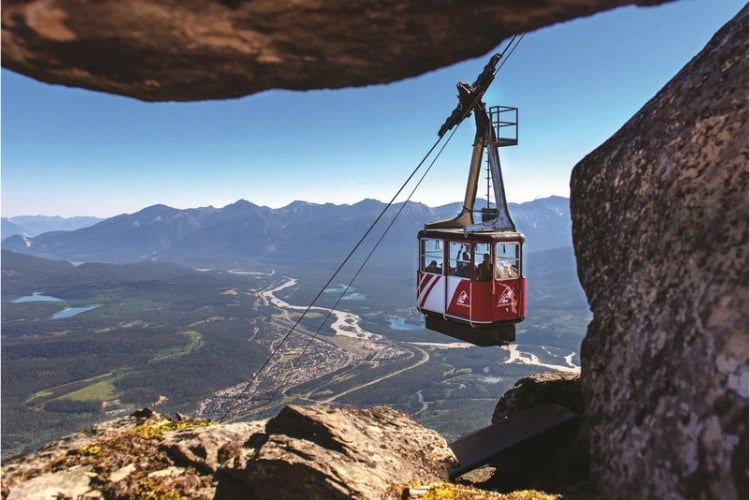
One of the reasons Jasper National Park has remained a favorite destination for generations is the sheer variety of experiences available.
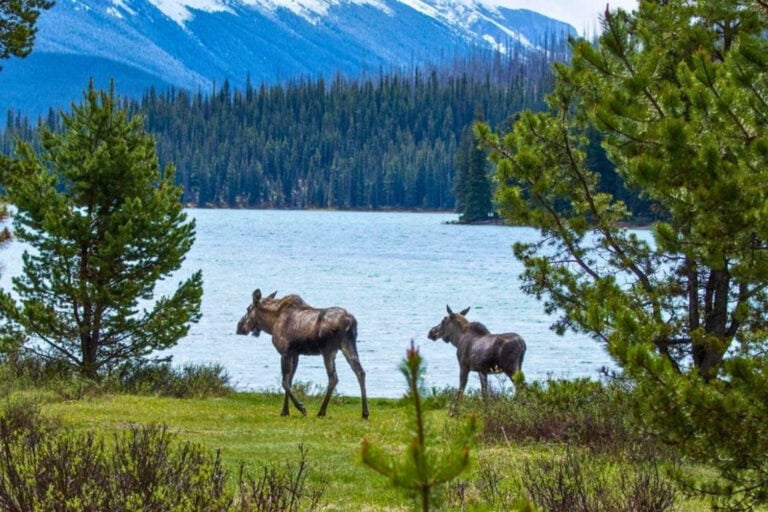
From the lodge grounds, we watch elk grazing in open meadows while mountain peaks rise in every direction. Nearby, the Jasper SkyTram carries visitors high above the valley floor for panoramic views of the Canadian Rockies. Hiking trails range from leisurely lakeside strolls to challenging alpine adventures. Wildlife enthusiasts may spot bighorn sheep, mountain goats, black bears, or moose. Paddlers can explore pristine lakes, while cyclists discover quiet mountain roads winding through breathtaking scenery. For inspiration beyond Jasper, explore Canada’s most breathtaking cycling adventures.
After sunset, another wonder emerges. Jasper National Park is part of the world’s second-largest accessible Dark Sky Preserve, where minimal light pollution reveals dazzling displays of stars, planets, and the Milky Way. For many visitors, the night sky becomes every bit as memorable as the mountain vistas.
Whether travelers arrive seeking adventure or relaxation, Jasper National Park delivers both in abundance.
Jasper’s Enduring Appeal
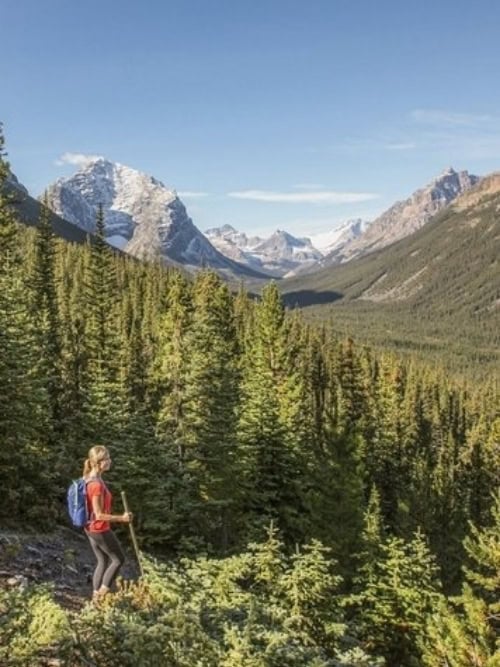
As our stay draws to a close, I settle into an Adirondack chair overlooking the mountains. The view is as magnificent as ever.
Yet what stays with me most is not simply the scenery. It is the sense of continuity. Generations of travelers have stood in this same landscape, gazing at the same peaks and glaciers. They have come for the wildlife, the outdoor adventures, the historic lodges, and the feeling of being immersed in one of North America’s great wilderness destinations.
Jasper National Park continues to evolve, as mountain communities always do. Forests regenerate. Wildlife adapts. Historic landmarks endure. New visitors arrive and create memories of their own.
For international travelers exploring the Canadian Rockies, Jasper National Park remains one of Canada’s most rewarding destinations—rich in history, surrounded by extraordinary beauty, and as inspiring today as it has been for more than a century.
If You Go
Jasper National Park: A UNESCO World Heritage Site and the largest national park in the Canadian Rockies, Jasper is the kind of place that rewards slow exploration. For park information, trip planning resources, and entry requirements, visit the official Parks Canada website.
Getting There: Fly into Edmonton International Airport, roughly a 3.5-hour drive from Jasper, or Calgary International Airport, about 4 hours away. Search flights on CheapOair to compare routes from both gateways.
Getting Around: A rental car is essential for exploring Jasper’s wide-ranging attractions at your own pace. Compare rental options through Discover Cars for the best rates.
Where to Stay: Spread across 700 acres on the shores of Lac Beauvert, Fairmont Jasper Park Lodge is one of Canada’s most celebrated mountain resorts, with cedar cabins, multiple dining options, a Stanley Thompson-designed golf course, and direct access to the park’s trails and lakes. Book your stay at Fairmont Jasper Park Lodge on Expedia.
Tours and Experiences
- The Jasper Evening Wildlife Tour takes you into the park at dusk which the best hour for spotting elk, bears, mountain goats, and more.
- For a night under Jasper’s legendary dark skies, the Jasper Dark Sky Package combines a planetarium dome show with guided telescope time and a two-year rain check if clouds roll in.
Travel Insurance: Travel insurance is strongly recommended for Canadian Rockies trips, where weather and trail conditions can shift quickly. Compare plans at Squaremouth or get flexible nomad coverage through SafetyWing.
Best Time to Visit: Summer (June through August) brings peak hiking conditions and the best wildlife viewing. Autumn delivers spectacular foliage and noticeably thinner crowds. Winter transforms the park into a snowy playground for skiing, snowshoeing, and ice adventures with long, dark nights tailor-made for stargazing.
Need a hand planning your trip? Here are the sites and services we rely on most, from booking tools to travel products we love.
Inspire your next adventure with our articles below:
- Healing Body and Mind in the Great Bear Rainforest in British Columbia
- Two National Parks, One Epic Road Trip: Yellowstone and Rocky Mountain
Author Bio: Since 1996, while freelancing, Jane Cassie has had thousands of articles published. Her stories have appeared CNN Magazine, Northwest Travel, New York Daily News, Chicken Soup For The Soul, Dreamscapes, Air Canada In-flight, Cottage Life, Epicure and Travel, just to name a few. She has been a regular contributor to Spa Life, INNspire, North American Inns Magazine, Cottage, and Inspire Magazines.
Want to discover more hidden gems and helpful travel tips? Join our free newsletter for the latest travel secrets and travel articles.
We are reader-supported and may earn a commission on purchases made through links in this article.

- Slow Down on Prince Edward Island: A Relaxed Four-Day Itinerary of Dunes, Seafood and Seaside Inns - September 25, 2026
- Two Sides of Cape Town: Table Mountain Trails, Winelands Dawn and Township Voices - September 25, 2026
- St. Pierre and Miquelon: Visit France Without Leaving North America - September 25, 2026
Planning another trip soon? ✈️
Add GoWorldTravel.com as a preferred source on Google. Click the button below so our local guides, packing hacks, and hidden-gem itineraries always show up first when you search!
Add to Preferred Sources