
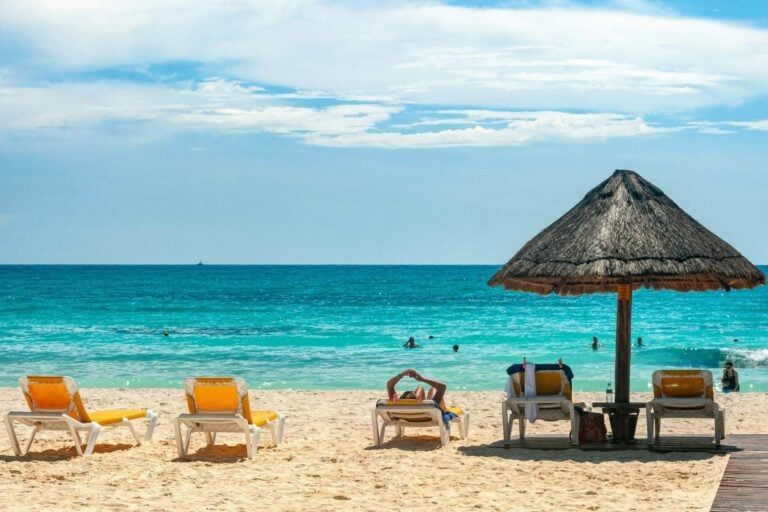
Cancun is often thought of as just another iconic tropical spot, but honestly, it has much more up its sleeve than endless white sands and tempting turquoise waters.
While millions flock to its shores every year, figuring out how to squeeze the most jaw-dropping experiences from this dazzling corner of Mexico can feel a bit like trying to pick your favourite star in the sky—almost impossible.
So, what really separates a generic beach break from a legendary adventure on the Riviera Maya? With the right nudge, even travellers on their third or fourth visit can discover the quirky secrets and hidden marvels this destination keeps tucked away.
Along the way, making smart, fun choices, especially about where to stay, matters just as much as picking which cenote to swim in. By the way, if you’re especially interested in travel convenience, the range of all-inclusive resorts in Cancun near the most stunning beaches seriously changes the vacation game, letting guests focus on discovery rather than daily logistics.
Where to Find the Best Beaches and Coastal Relaxation in Cancun
Most people start their trip dreaming about perfect sand and clear water, but they soon realise that not every part of Cancun’s legendary coast feels the same. That’s where the sprawling Hotel Zone comes in, stretching out over 22 kilometres like a ribbon of white sand, with each spot along the way serving a slightly different vibe.
Setting up for a peaceful afternoon or jumping straight into adrenaline-pumping water sports are both easy here, but picking the perfect beach, especially during high season, isn’t always as straightforward as tossing down a towel. Families, couples and solo explorers will each find their best fit if they skip the hurry and take a closer look at each area’s personality.
Top Coastal Spots for Every Traveller
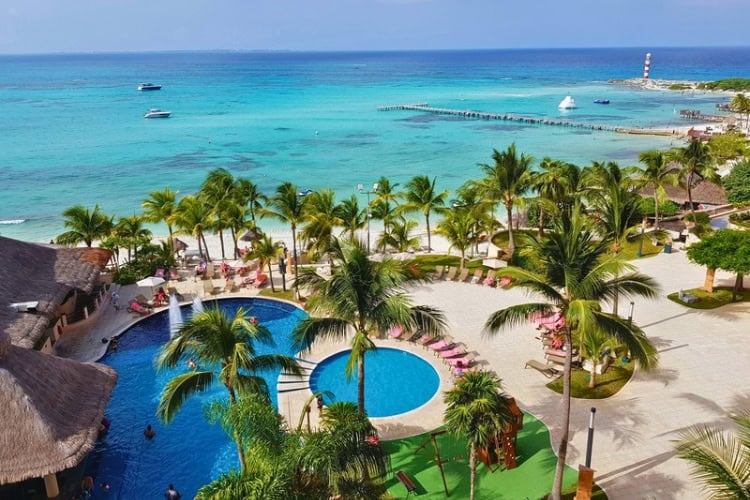
Let’s break the beaches down for you; think of it like picking between a quiet countryside picnic or the energy of a festival. Choosing based on your mood and company truly pays off. Here’s a shortlist that locals and seasoned visitors tend to love:
• Playa Delfines: Outshining expectations, this is where you’re likely to find the famous CANCÚN sign and the views never get old. Its more laid-back feel often lets photographers and families linger without elbowing through crowds.
• Playa Tortugas: If you’re visiting with kids or simply want smooth, gentle waves, this is the spot. The piers add extra ease, especially for those hoping to catch ferries out to distant islands without fuss.
• Playa Chac Mool and Playa Marlin: Surfers and quiet seekers have been coming here for years, mainly because the welcoming yet less-populated edges of the Hotel Zone stand in strong contrast to party-centric beaches.
Which beaches are best for avoiding the crowds?
Honestly, some visitors will do just about anything to escape the big crowds. It’s a relief, then, that Playa Delfines, Playa Chac Mool and Playa Marlin are still under the radar for many package tourists. It’s as if these beaches act like a relaxing detour from the sometimes overwhelming resort buzz, allowing for a classic yet more personal experience in the sand.
How to Explore Authentic Mayan History and Hidden Cenotes
After soaking up enough sun, even beach devotees find themselves curious about what lies beyond the coast. The Riviera Maya whispers stories of ancient civilisations and hidden rivers, and honestly, those who ignore its cultural richness are really missing out. Delving into Mayan sites or swimming in a cool cenote helps balance out all that tropical lounging and gives your holiday a depth that rivals the most exciting adventure books.
Essential Archaeological Sites
Guides with deep roots in the region will be the first to urge you away from the beachfront for at least a day. Actually, there’s something pretty unforgettable about walking among ancient ruins, imagining the lives that played out on these stones and then dipping into a cenote to cool off. Here are four sites that really steal the show:
1. Chichen Itza: The Kukulkan pyramid never fails to impress, even jaded travellers, and the on-site sacred cenote adds mystery and history.
2. Tulum: Just over 130 kilometres south, the combination of ancient architecture and Caribbean cliffs creates a picture-perfect escape for anyone who likes mixing culture with a swim.
3. Ek Balam: Adventurous travellers cherish this less commercialised spot, where climbing the Great Acropolis hands you breath-stealing views across the untamed jungle.
4. Valladolid: Not just a pit stop, but a colourful town with a lively market, charming colonial architecture, and an unexpected treat in the urban Cenote Zaci.
How far are the main ruins from the Hotel Zone?
Driving to Chichen Itza eats up a solid two hours, but the payoff is immense. For Tulum, picture a scenic ride along the coast, 130 kilometres down, before ruins practically hovering above inviting waves greet you.
Discovering Underground Nature
For many, the first swim in a cenote feels like finding a secret passage to another world. These pools, dotted throughout the jungle, remain refreshingly clear and cool. Whether you just want a gentle float or to explore caves underwater, each cenote is a fresh surprise. Here’s a quick look at some you shouldn’t miss:
• Cenote Dos Ojos (near Tulum): Snorkelling and diving.
• Gran Cenote (near Tulum): Swimming in clear waters.
• Cenote Ik Kil (near Chichen Itza): Combined historical day trips.
• Cenote Azul (Riviera Maya): Spending a full day in nature.
• Cenote Siete Bocas (Riviera Maya): Exploring natural rock formations.
Planning the Ultimate Aquatic and Eco-Tourism Itinerary
Many vacationers look back and say they underestimated how rich Cancun is when it comes to marine life. The Great Mayan Reef is not just a cluster of rocks and coral but a living, breathing showcase of underwater wonders, second in size only to the Great Barrier Reef. Between vibrant eco-parks, untouched islands, and unique aquatic adventures, the area feels almost made for explorers who crave close contact with nature.
Exploring the Great Mayan Reef and Islands
Taking a quick ferry to Isla Mujeres is like flipping the page to a whole new chapter. Playa Norte tempts anyone who’s even remotely a beach lover, giving visitors the kind of water you’d expect in a glossy travel magazine. Activities abound; visitors can rent golf carts, visit peaceful reserves like the Tortugranja or enjoy the panoramic drama at Punta Sur. For the truly curious, the MUSA (Underwater Museum of Art) awaits, where snorkelling beneath the waves brings you face-to-face with hundreds of haunting sculptures. Excursions to Punta Nizuc or catching a sunset from a catamaran add even more depth to your watery adventures.
Protected Reserves and Eco-Parks
The region bursts with biodiversity, and the feeling of remoteness is easy to find. Just imagine:
• Isla Contoy National Park with its carefully guarded bird colonies and pristine beaches, accessed only by guided excursions.
• Sian Ka’an Reserve, a UNESCO-protected tangle of forests, wetlands, and rare birds, perfect for those who prefer quiet natural wonders over crowds.
• Xcaret Park and Xel-Ha: These parks blend natural rivers, snorkelling reefs, and cultural performances, so even visitors with limited time can experience multiple facets of the Riviera Maya all at once.
Navigating Local Gastronomy, Nightlife and Premium Accommodation
The gastronomic options in Cancun swing between basic snacks and real culinary adventures. Even picky eaters will stumble upon a memorable meal, especially if they venture into lesser-known eateries for traditional Yucatecan staples. You’d be surprised how much a good cochinita pibil or plate of ceviche can elevate your whole travel mood—far more than just a meal; it’s a little slice of culture. And if you’re after souvenirs or crafts, Mercado 28 in downtown Cancun is praised for its authenticity and affordable finds.
Savouring Yucatecan Flavours
Dining beachside or tucked into a local market, new flavours abound. Regional dishes like lime soup and panuchos become lasting memories, especially when paired with cool drinks and a fresh breeze. Those who wander beyond touristy strips often find themselves raving about unique, delicious street foods and it’s easy to see why.
Nightlife and All-Inclusive Comfort
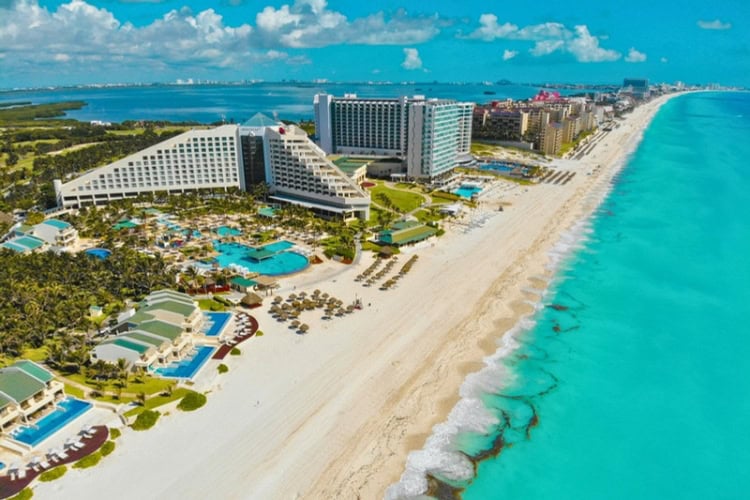
Nights in Cancun run the gamut, from raucous clubbing at the famed Coco Bongo with its acrobat-laden cabaret shows to sipping cocktails on serene terraces. The legendary nightclubs like Mandala and The City stay open till the early hours, drawing internationally acclaimed DJs and spirited crowds. But if rest matters most, premium all-inclusive hotels owned by reputable brands, including Iberostar, provide a blend of easy-going luxury and local character. These resorts often come with private beaches, thoughtfully designed spas and entertainment for every age, helping travellers unwind deeply at the end of each adventure-filled day.
Essential Practicalities for a Safe and Seamless Holiday
Anyone hoping for an actual rest, from families to solo explorers, knows that trips are better when logistics don’t get in the way. Whether it’s remembering the right electrical adapter, sorting out currency, or knowing which taxi to trust, the local environment rewards just a touch of preparation. The region is generally safe and particularly well-suited for visitors new to Mexico, thanks to international hospitals, helpful pharmacies and advice that’s both current and freely shared by hotel staff.
Planning Your Trip Effectively
• Currency and payments: While pesos are still your best bet for local purchases, tourists using euros or dollars generally don’t run into major issues, especially in the Hotel Zone.
• Plugs and adapters: Just a heads up, bring your own adapter for the different outlets, so charging your devices is hassle-free.
• Security: Basic caution and official taxis will help sidestep most common risks, which, in truth, are low for careful travellers.
• Health and hydration: Bottled water is a must and sunscreen is not optional. Medical help is close at hand, so worries about sudden mishaps rarely last long.
• Visas: UK and Spanish passport holders breeze through immigration with just a completed form, one less thing to worry about at the airport.
What Is the Best Time to Visit?
Taking weather into account can truly make or break a trip. Although the sun reigns supreme most months, May to October brings heavier rains, especially June and September. Many recommend booking for late winter or early spring if you want the very best conditions.
Ultimately, each trip to Cancun writes a different story: a mix of ancient ruins, world-class beaches and cultural immersion. Visitors who explore beyond the all-inclusive walls and try new flavours, join local celebrations or simply relax far from the crowd often end up discovering the best side of the region, where genuine warmth, history and modern comfort come together with remarkable ease.
Want to discover more hidden gems and helpful travel tips? Join our free newsletter for the latest travel secrets and travel articles.
We are reader-supported and may earn a commission on purchases made through links in this article.

- Bukhara, Uzbekistan: The Silk Road City Where History and Art Thrive - October 20, 2026
- Hoi An, Vietnam: A Local’s Guide to the Ancient Town, An Bang Beach and Must-Try Dishes - October 20, 2026
- Why Cape Town’s Kloof Street Was Ranked the Coolest Street in Africa - October 20, 2026
Planning another trip soon? ✈️
Add GoWorldTravel.com as a preferred source on Google. Click the button below so our local guides, packing hacks, and hidden-gem itineraries always show up first when you search!
Add to Preferred Sources