
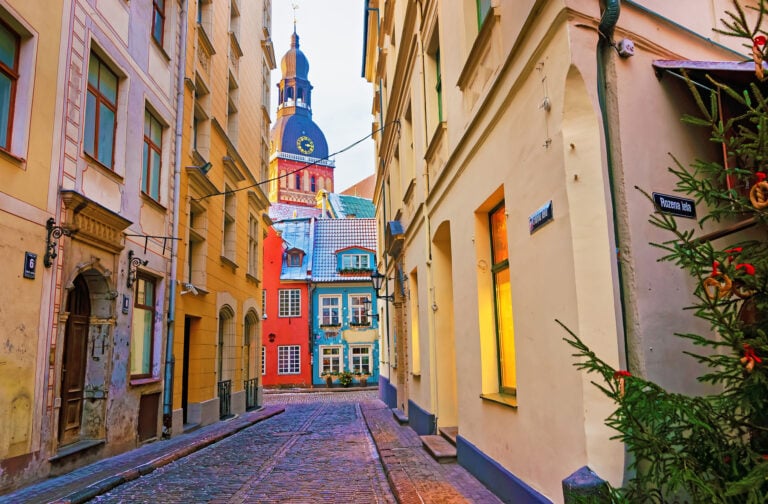
Today, I bought breakfast, visited two museums, got lunch and dinner, saw the opera, went out for a drink and then stayed the night in accommodations overlooking Riga – Latvia’s picturesque capital – all for $48.70.
And this is how I’ve been traveling in the Baltic Countries for three weeks straight. Sound appealing? You can do it too.
Introduction to the Baltic States
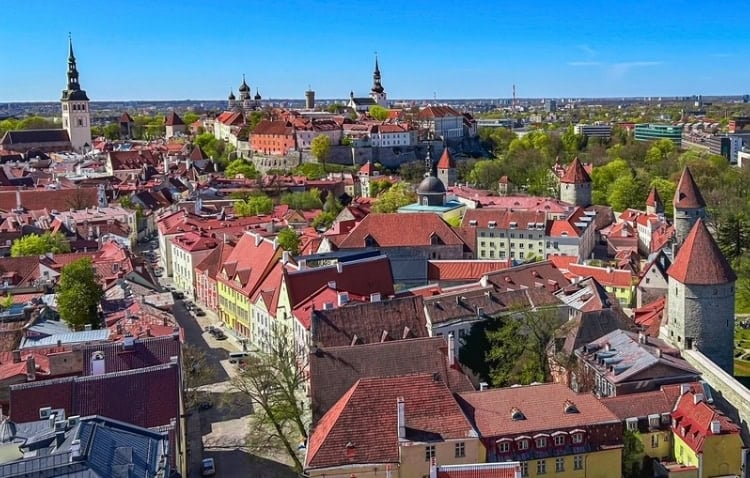
The Baltic States – Estonia, Latvia, and Lithuania – are located in the northeastern corner of Europe. For most of their history, these states were under the control of either Germany, Poland, or Russia. Only in 1991, following the collapse of the Soviet Union, did they achieve full independence.
And they’ve made the most of it. Estonia is known as the “most wired country in Europe” for its flourishing tech sector and nationwide 5G connectivity. Latvia is a continental leader in wind power. Lithuania is the EU’s hub for fintech.

These aren’t struggling post-Soviet agrarian states—they’re builders of the future. As such, they offer all the tourism infrastructure you’d expect from modern, developed nations: fast and reliable public transportation, clean drinking water and food, and sleek, contemporary urban design with easy access to natural, cultural, and historical sites. Oh, and they’re very, very affordable for Western wallets.
Where to Stay
I stayed in hostels—my favorite way to travel. In the Baltics, they’re very affordable, ranging from $10/night in the low season (November-February) to $30/night in the high season (June-August). Hostels are great for meeting people from around the world, joining guided experiences you’d never have found alone, and making lifelong friends.
Of course, there are trade-offs: you’ll share a room with 3-11 other people and use communal bathrooms and kitchens. But if you liked summer camp as a kid – or if you enjoy meeting people and saving money – then you’ll thrive in this setup. For example, my favorite hostel in Riga, Cinnamon Sally, boasts free breakfast and a bustling common area with a bar, all for around $18/night.
Other inexpensive options include Airbnb rentals, especially if you’re traveling as a group or staying long-term. Whole apartments or homes can cost as little as $30/night, but usually run between $50 and $80/night. Long-term rentals go for about $600–$900/month – far less than in the U.S.
Hotels push you over the $50/day mark, but even five-star hotels in the Baltics often cost the same as a Holiday Inn in America.
Read More: How to Survive and Thrive in Hostels
Dining in the Baltics
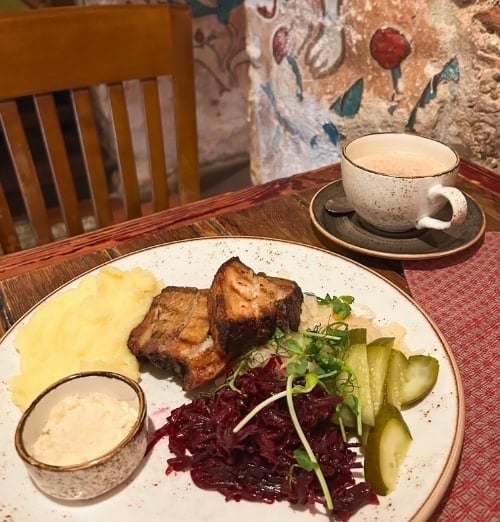
I cooked some meals, but you could easily travel through the region without cooking once and still stay under $50/day. How?
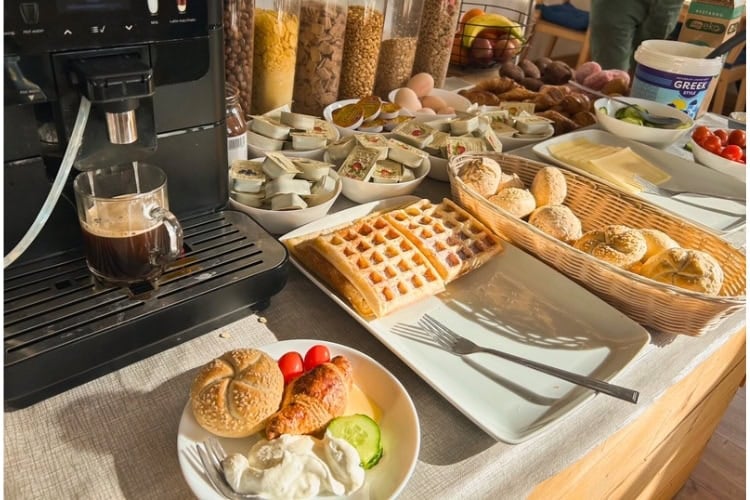
Start with breakfast: Europe’s pastry culture is unmatched, and every block has at least one bakery offering a variety of sweet and savory pastries priced between $0.30 and $1.50. Croissant with apricot jam? $0.90. Lamb churros? $1.30. A canelé (a rum-and-butter pastry common in Lithuania)? $0.25. Prepared coffee or tea runs about $2.
Supermarket-prepared food sections go all out. In chains like Rimi and Maxima, you’ll find long displays of ready-to-eat pan-European dishes like beef stroganoff, rice pilaf, and paella. Each package just needs heating on a stove or in the microwave; most cost $2–$4, and you’ll also find salad bars and daily soup – which are perfect for a cheap, satisfying lunch on the go.
Dinner? How about a candlelit sit-down meal of Lithuanian cuisine, with a drink and live music, for just $12 at Etno Dvaras? Estonia and Latvia offer similar experiences.
There are chains like this in each Baltic country. LIDO in Latvia serves hearty local fare in charming settings. You can enjoy a full meal – with beer or kvass, a carbonated kombucha-like beverage that’s popular in the region – for less than the price of a Big Mac meal in America.
I aimed to eat out at least once per day and still didn’t exceed my $50 budget. On other days, I’d grab a kebab and a local beer, sit on a park bench, and enjoy the evening. The food alone makes the Baltics worth visiting.
Getting Around the Baltics
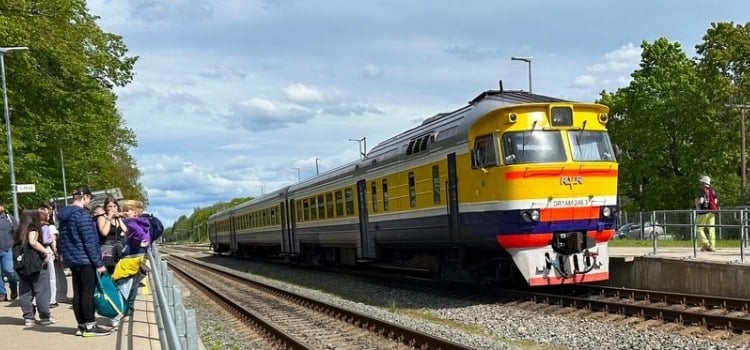
Thanks to their Soviet legacy, the Baltic countries maintain heavily state-subsidized transport networks. Buses, trams, and trains are incredibly cheap.
Let’s zoom out, then zoom in: Tallinn, Riga, and Vilnius – the three national capitals – are each about four hours apart by bus or train. Bus companies like FlixBus and Ecolines compete on these routes, and tickets often cost just $12–$15. Train tickets cost marginally more, but offer a smoother ride.
Within a country, regional trains are also cheap and flexible. You can show up minutes before departure and travel nearly anywhere for $6–$10. It gets even cheaper with a multi-trip pass.
In cities themselves, public transport such as buses, trams, and underground trains are plentiful, punctual, and safe. A single ride usually costs less than $1.
Plus, cities are super walkable and compact, so if you want to rely on 15-20 minutes of walking to get where you need to go – with the added benefit of leisurely exploration and exercise – then your feet will never fail you.
Baltic Culture & Outdoor Adventures
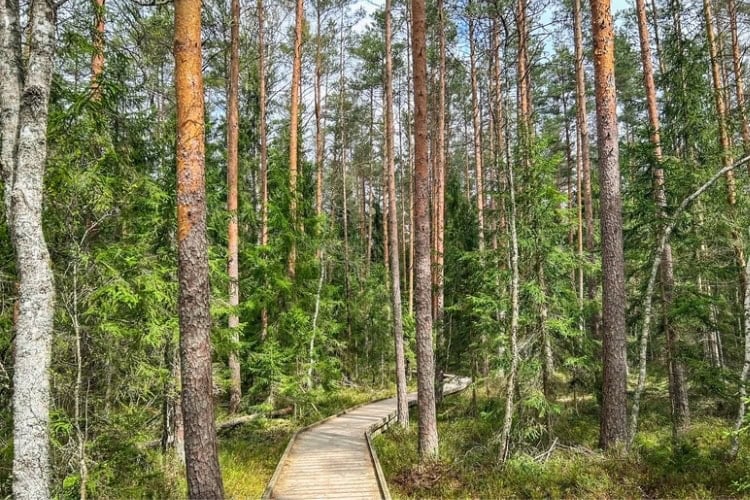
Each Baltic country offers unique cultural experiences—from traditional music and dance to operas, parks, and museums.
There’s a strong public concert culture here, especially on sunny weekends. Walk down a busy street and you’ll likely stumble upon a band or performance, which is often state-sponsored and free to enjoy.
High culture is accessible, too. In Tallinn, I saw the opera for $17. In Riga, it was $14. Classical concerts were similarly priced, though I didn’t see any while I was there.
National parks are usually free to enter. If you have a good sense of direction and a love of nature, you’ll find these hikes to be some of the most memorable parts of your trip. I visited one park in each country and each felt sublime and beautiful, especially with friends made at the hostel.
Love art or history? The Baltics, especially the capitals, are packed with national galleries and museums on military, cultural, biological, and anthropological topics. Many are free; others cost just $2–$8. I often visited 2–4 museums a day without spending more than $10.
Read More: Explore the Beautiful Baltics with These Top 7 Things to Do in Latvia, Lithuania and Estonia
Some Disclaimers and Financial Warnings
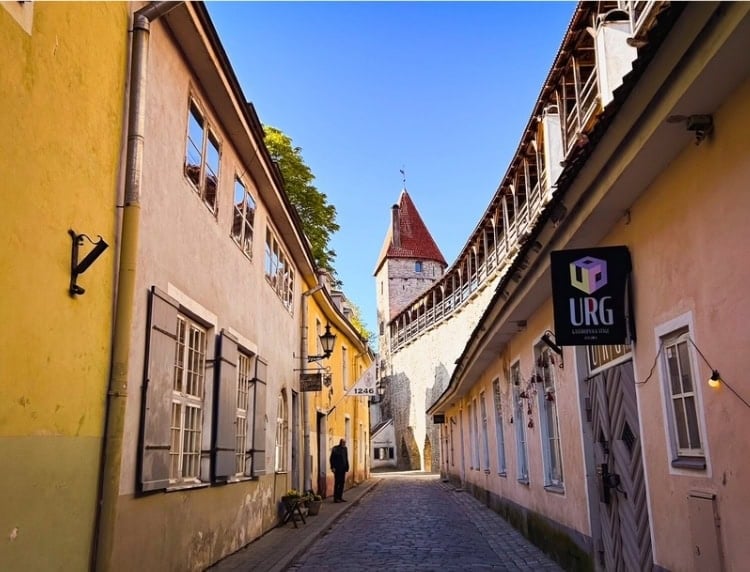
I traveled with a student ID, which cut many costs in half, especially for transport and museums. If you have a valid student card – particularly an ISIC – it’s a huge money-saver.
I traveled in the high season when prices peak. In the low season, things are even cheaper. In Ukraine (not Baltic, but similarly priced) in February 2022, I often spent less than $30/day.
Finally, this model works only if you cut back on certain luxuries: taxis, hotels, and clubbing, for example. Bars can eat up your budget fast. Even though alcohol is cheaper than in the U.S., four drinks can still run $20–$25. So, I only went out drinking a couple of times each week.
But if you’re seeking the perfect recreational, cultural, and culinary adventure on a budget in a place that tourists often skip, then the Baltics is the place for you.
Need a hand planning your trip? Here are the sites and services we rely on most, from booking tools to travel products we love.
Inspire your next adventure with our articles below:
- Hiking the Baltic Trails Through Forest & Along Coastline
- Explore the Beautiful Baltics with These Top 7 Things to Do in Latvia, Lithuania and Estonia
Author Bio: Manny Marotta is a legal and political journalist who has contributed articles to JURIST, The Hill, Business Insider, and other outlets. He has appeared on television as a Ukraine War reporter and as a U.S.-Canada trade relations expert. He enjoys adventure and showing lesser-known regions to the world. He is currently traveling indefinitely in Eastern Europe.
Want to discover more hidden gems and helpful travel tips? Join our free newsletter for the latest travel secrets and travel articles.
We are reader-supported and may earn a commission on purchases made through links in this article.

- Finland’s Happy and Healthy Sauna Obsession - September 17, 2026
- Olomouc: The Mediterranean Escape Hidden in the Heart of Czechia - August 22, 2026
- How to Travel in the Baltics on a Budget of $50/Day - July 26, 2026
Planning another trip soon? ✈️
Add GoWorldTravel.com as a preferred source on Google. Click the button below so our local guides, packing hacks, and hidden-gem itineraries always show up first when you search!
Add to Preferred Sources