
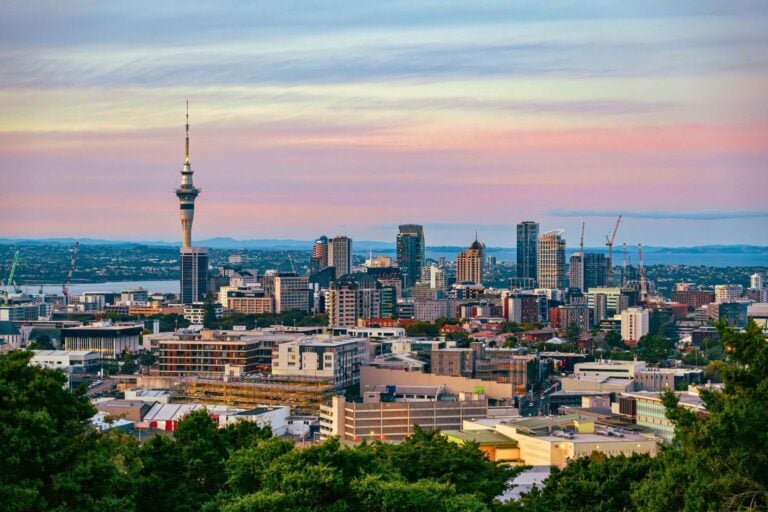
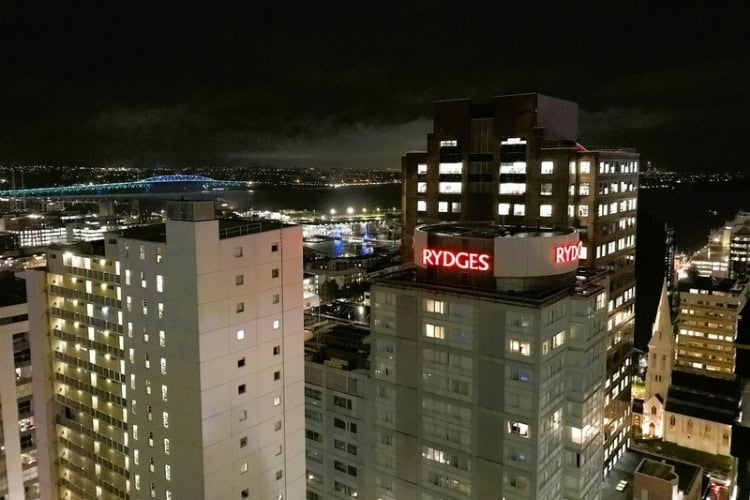
We had arrived back in Auckland after a road trip around New Zealand’s North Island, and were planning to stay for a week in an apartment just across the street from the Sky Tower.
Auckland was a lot busier than the last time I was here. But that’s hardly surprising as more than a third of New Zealand’s entire population now lives in the city.
Blessed with not just one harbour but two, Auckland is not known as the City of Sails for nothing. Sailing is not just a pastime here; it’s a way of life, and Auckland has hosted numerous water-based events including the celebrated America’s Cup.
Auckland is not a two-day destination, and if that’s all you can give it, you might be disappointed. On the surface, it may seem like just another city, albeit with two splendid harbours, but take the time to dig below the surface and it will surprise and delight you.
We chose to stay in the city centre for convenience, but wanted to explore beyond it and focus on the more interesting suburbs instead. Two of the most pleasing are Parnell, immediately east of the city centre, and Devonport, across the harbour on the North Shore.
Sky City
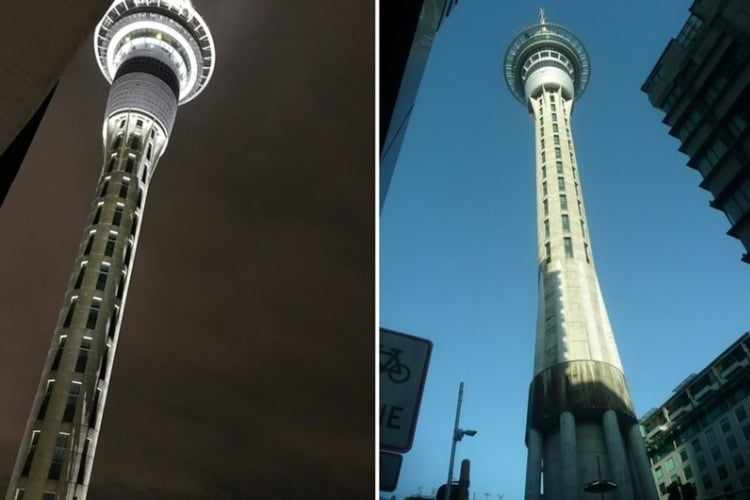
But first Judy and I walked across the street to take another look at the old Sky Tower, which has stood here since 1997 and remains the Southern Hemisphere’s tallest free-standing structure (but not the tallest building).
A free-standing structure supports its entire mass and external loads with self-supporting foundations, without the assistance of guy-wires or external braces.
The 328-metre tower has a platform at 192 metres from which those so inclined can hurl themselves off in what is described as a controlled base jump – and pay NZ$260 for the privilege! We decided to pass.
For those more grounded, there is a revolving restaurant and an observation deck.
Then it was on to Parnell and to get there we jumped on the Auckland Explorer hop-on hop-off bus, as it stopped almost outside the entrance to our apartment building.
Auckland’s Oldest Suburb
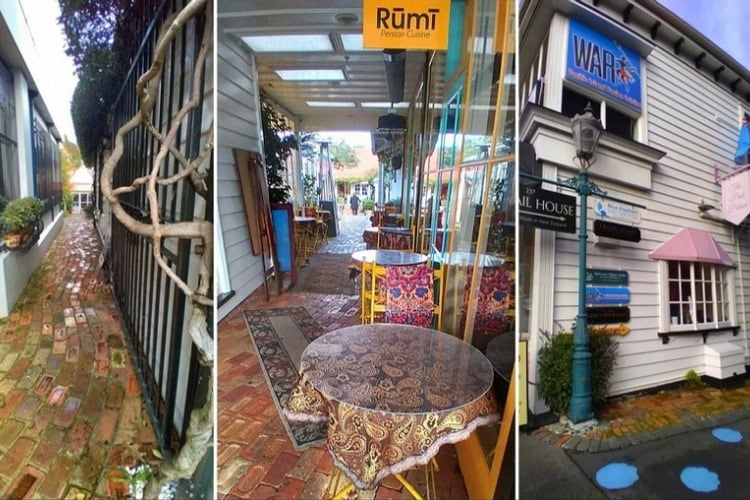
Parnell is urban, established and attractive, with heritage architecture, galleries, restaurants and gardens. It lays claim to being Auckland’s oldest suburb, established in 1841.
The attraction lies in the way its older architecture has survived and been adapted. Along Parnell Road, restored timber and masonry buildings now accommodate boutiques, design shops, galleries, cafés and restaurants, giving the commercial centre a distinctly residential ambience.
Lunch on Parnell Road
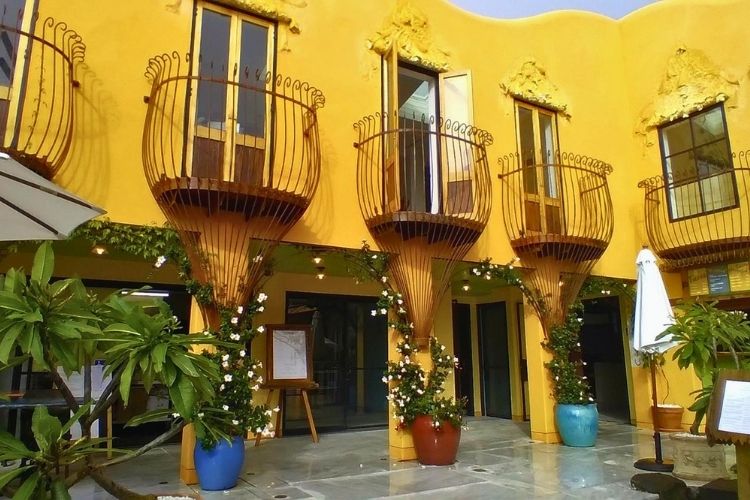
Parnell Road forms the spine of the area and it was here that we had lunch at Winona Forever. There were also quieter streets climbing towards the Domain, revealing villas, churches and early houses that give the suburb its sense of continuity.
Parnell’s Heritage Landmarks

Historic properties include Ewelme Cottage, Kinder House and St Stephen’s Chapel, while Holy Trinity Cathedral is one of the area’s principal architectural landmarks.
The suburb’s survival as a coherent heritage precinct was not inevitable: much of Parnell was restored and revitalised during the 1960s and 1970s, when older buildings elsewhere in Auckland were increasingly threatened by redevelopment.
Auckland Domain and Parnell’s Gardens
At the western edge of Parnell, the Auckland Domain provides a natural transition from suburb to parkland. The city’s oldest park surrounds the Auckland Museum, whose collections provide one of the most substantial introductions to New Zealand’s Māori, Pacific and colonial histories.
Parnell also rewards travellers interested in gardens. The Parnell Rose Gardens, within Dove-Myer Robinson Park, occupy a harbour-facing site near Judges Bay. The formal plantings are complemented by views across Waitematā Harbour towards the port and the Hauraki Gulf.
Nearby, the Domain Wintergardens offer another change of pace, with glasshouses and landscaped grounds that can be visited alongside the museum and Domain.
The suburb’s appeal today is not purely historical. Parnell has become one of Auckland’s more polished dining and shopping districts, with a concentration of independent businesses and design-led retail.
The North Shore
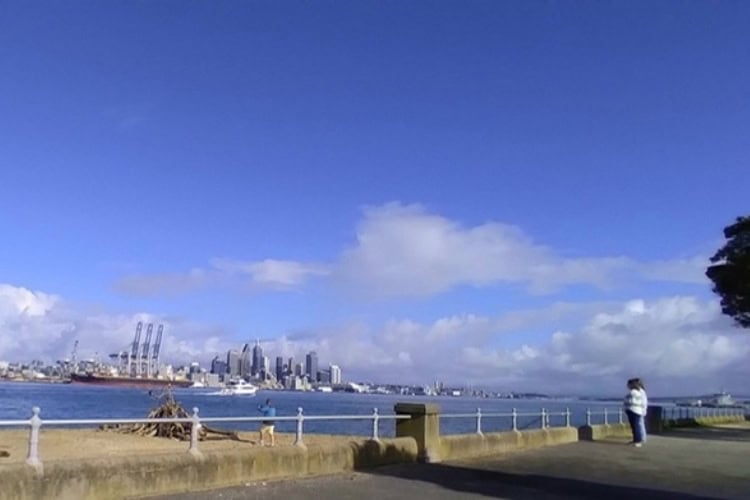
From Parnell, the character of Auckland changes markedly when you cross the harbour to Devonport. The ferry from the city centre makes the journey part of the experience, bringing the skyline into perspective as the boat leaves the downtown waterfront.
Devonport Village
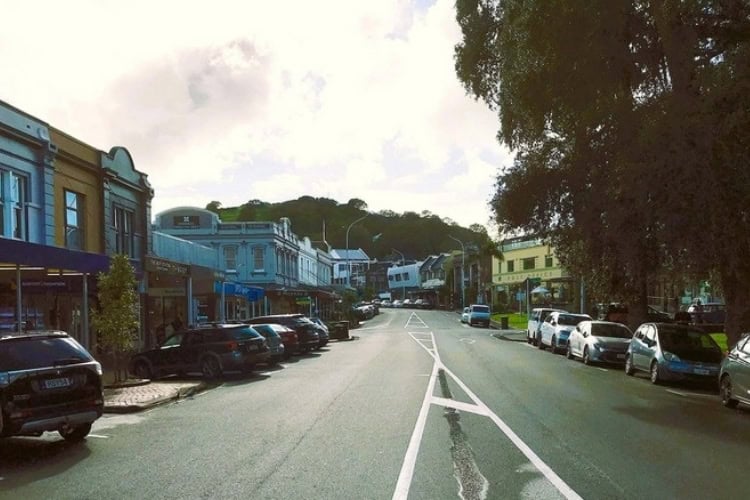
Devonport feels more like a small coastal town than a city suburb, its Victorian houses and village streets framed by beaches, naval artefacts and volcanic headlands.
Devonport’s compact centre is arranged around Victoria Road and the ferry terminal, with cafés, galleries, small shops and heritage buildings leading towards the slopes of Mount Victoria. The suburb’s relative separation from the central city helped preserve its late nineteenth- and early twentieth-century character.
Devonport’s Streets and Mount Victoria
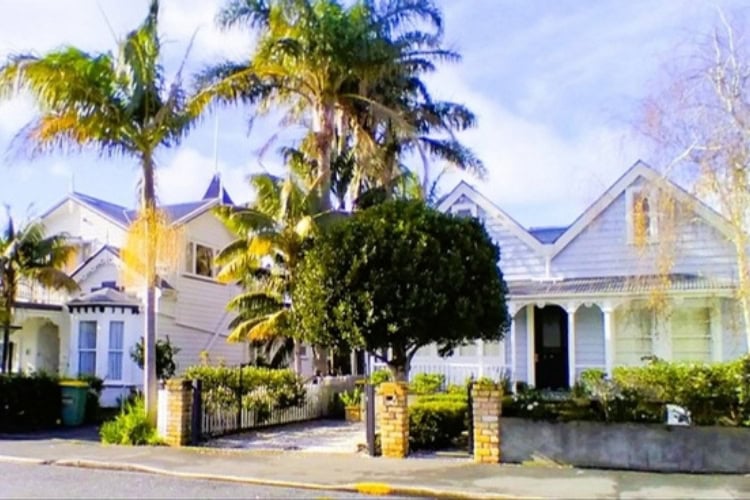
Devonport’s streets contain colonial cottages alongside larger waterfront houses, while the village centre has an easy, local rhythm. Victoria Road is the main commercial street, but the most satisfying walks often take in the residential streets close to the waterfront.
Mount Victoria, or Takarunga, rises immediately behind the village and provides a broad panorama over Auckland, the Waitematā and the Hauraki Gulf. The summit is easily reached on foot.
Military History
Further along the coast is Maungauika, better known as North Head, a volcanic headland that was developed as a major defensive position.
Its tunnels, gun emplacements and underground passages remain an unusually tangible reminder of Auckland’s military and maritime history. The headland is now a public reserve, with walking tracks and expansive views over the harbour entrance.
The Torpedo Bay Navy Museum, near the waterfront, explores New Zealand’s naval history and its relationship with the sea. Even visitors with little interest in military history may find the museum worthwhile because it helps explain why Devonport developed as it did and why the harbour remains crucial to the suburb.
For a more relaxed pursuit, Devonport’s beaches provide a different reason to stay. Cheltenham Beach, beneath North Head, is a broad stretch of sand with views across the harbour towards Rangitoto Island to the east.
Parnell and Devonport make an effective pair when looking for interesting places beyond the city fringe. Both are close to the CBD, yet neither feels like an extension of it.
The two neighbourhoods also demonstrate why the city is more inspiring when explored beyond its central skyline. Together, they offer a measured introduction to Auckland’s defining qualities and a distinctly New Zealand ability to keep the natural world close to the city.
The Waterfront Hums With Activity
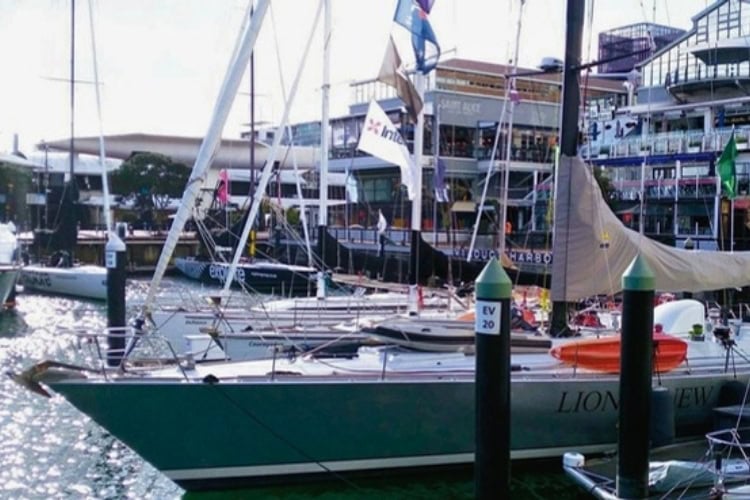
We couldn’t leave Auckland without at least a brief wander down by the city waterfront. Waitematā is the main harbour, opening to the north-east and connecting the Auckland waterfront and main port to the Hauraki Gulf and beyond to the Pacific Ocean.
The Manukau Harbour lies to the south-west of the Auckland isthmus and opens to the Tasman Sea. It is shallower and more exposed than Waitematā, but its wild shores support diverse marine life including migratory birds and shark species.
The Auckland Waterfront, consisting of Wynyard Quarter and Viaduct Harbour, is a relatively new urban precinct along the Waitematā Harbour, featuring dining, entertainment, cultural heritage and recreational spaces for locals and visitors alike.
Wynyard Quarter is lively with sustainable architecture, art installations and open spaces. Viaduct Harbour is renowned for its luxury yachts, over 30 bars and restaurants and a bustling maritime atmosphere.
Strolling between the two districts, combined with a walk from the city centre, can easily take up an hour or two.
Queens Wharf, at the bottom end of Queen Street, is where most cruise ships dock and is a leading venue for events in Auckland. It contains Australasia’s largest public art lightwall, The Lightship, which illuminates the waterfront during seasonal events.
The waterfront was a great place to end our trip, before heading to the airport for our flight home to Sydney.
For more, read Why New Zealand’s Coromandel Peninsula Belongs on Your Itinerary: Whitianga and Cathedral Cove by Boat.
If You Go
Getting There
Air New Zealand flies to Auckland International Airport from major cities around the world, and the national carriers of numerous other countries also serve Auckland.
From the Airport
- Taxi: The fastest way into the city takes approximately 20 minutes and costs around NZ$70 to 85, depending on traffic and time of day.
- Rideshare: Uber is available, with designated pickup areas at both the international and domestic terminals. A small airport fee is added automatically to rideshare fares.
- SkyDrive Express: This non-stop shuttle runs between Auckland Airport and the city every 30 minutes. Tickets can be booked online or purchased from the driver if seats are available.
- AirportLink bus: For a budget-friendly option, the AirportLink bus runs to Puhinui Station, where you can connect to anywhere on the AT network. It departs from bus stop B at the domestic terminal and bus stop A at the international terminal, running every 10 minutes from 4:30 am to 12:40 am.
Where to Stay
Staying near the Sky Tower puts you within easy walking distance of the waterfront, the Downtown Ferry Terminal and the Auckland Explorer stops. SkyCity Hotel sits at the foot of the tower, with a spa, a fitness center and a long list of on-site restaurants.
Getting Around
- Public transport: Auckland Transport (AT) manages buses, trains and ferries across the entire metropolitan area. The main hub where all modes connect is Waitematā (Britomart) Station.
- AT HOP card: The card offers at least 20 percent off most fares and allows seamless transfers between buses, trains and ferries. It costs NZ$5 in person at HOP retailers or NZ$10 online (including NZ$5 credit). You can also tap on with a contactless credit card, phone or smartwatch at standard adult fares, with a daily cap of NZ$20.
- Ferry to Devonport: Ferries leave from the Auckland Downtown Ferry Terminal on Quay Street (Pier 2), and the crossing takes about 12 minutes.
Sightseeing
- Auckland Explorer: The main hop-on hop-off bus service offers 24-hour and 48-hour passes, two seasonal sightseeing routes and departures every 30 to 35 minutes from central Auckland, with stops at Parnell Village and the Auckland Museum. Passes start at NZ$70. Get your Auckland Explorer pass on Viator.
- Sky Tower: One ticket covers all three observation levels, from the main deck at 186 metres up to the Sky Deck at 220 metres. Reserve your Sky Tower admission on Viator.
Need a hand planning your trip? Here are the sites and services we rely on most, from booking tools to travel products we love.
Inspire your next adventure with our articles below:
Author Bio: Barry Barford is a seasoned travel writer and travel industry news reporter, published in both print and digital media. In 2024 he was shortlisted for the AITO Travel Writer of the Year Awards. A dual citizen of Australia and the UK, he is a member of the London-based International Travel Writers Alliance. He lives near Sydney.
Want to discover more hidden gems and helpful travel tips? Join our free newsletter for the latest travel secrets and travel articles.
We are reader-supported and may earn a commission on purchases made through links in this article.

- A Week in Auckland: Parnell, Devonport and the Waterfront - October 24, 2026
- Where Empires Were Carved: Inside England’s Haunting Isle of Portland - October 24, 2026
- Bonaire, Savored Slow: Cactus Liqueur, Caviar, Donkeys and Shore Diving - October 23, 2026
Planning another trip soon? ✈️
Add GoWorldTravel.com as a preferred source on Google. Click the button below so our local guides, packing hacks, and hidden-gem itineraries always show up first when you search!
Add to Preferred Sources