
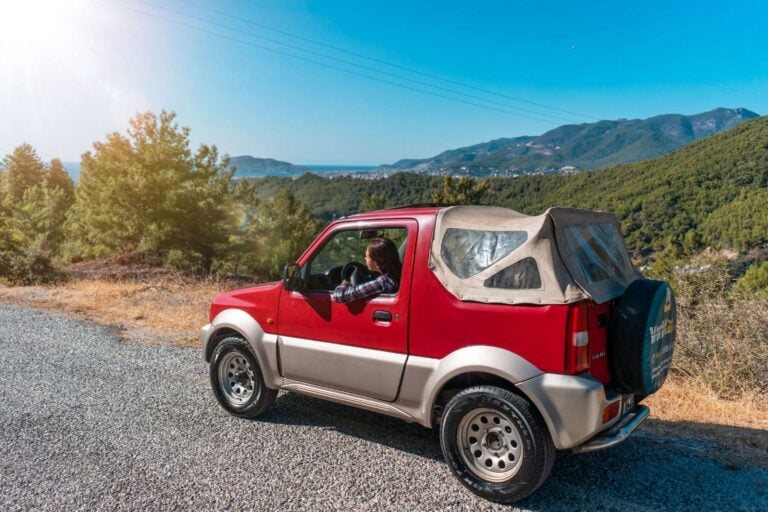
A road trip is the only form of travel where you are in charge of almost every variable. Nobody assigns you a seat, nobody weighs your bag, and you can stop whenever you want. That freedom gets used for route planning and playlists far more often than it gets used to make the trip physically comfortable, which is why so many people arrive at the end of a long drive feeling wrecked.
These five changes cost very little and make a disproportionate difference over a week on the road.
1. Turn the Boot Into a Bed With a Rolled Topper
This is the one that changes the trip most, and it works whether you are sleeping in the car deliberately or just want the option.
Most estate cars, SUVs and vans have enough flat space with the rear seats folded for one or two adults to sleep, and the reason it is usually uncomfortable is that the floor is hard, ridged and never quite level. Camping mats deal with the hardness and not much else, since they are narrow and slide around.
A mattress topper solves it properly. Toppers built with a layer of pocketed coils under foam give you actual support instead of a thin barrier between you and the boot floor, and they roll up for transport. Anti-slip bases matter here, because a topper that shifts every time you move is worse than no topper at all. A rolled, premium mattress topper built for comfort also works in every other bed you meet on the trip, which is the part people do not anticipate. A too firm holiday let mattress, a sagging guest room bed at a friend’s house, a caravan bunk that has clearly never been replaced. All of them improve immediately.
Practical points if you plan to sleep in the vehicle:
- Level the floor first with a folded blanket or cut foam over the seat gaps, because the topper will not fix a slope
- Crack two windows on opposite sides, since condensation from breathing overnight is significant in a closed car
- Use window covers or a dark sheet, both for privacy and to stop the early sun
- Check the local rules, because sleeping in a vehicle is restricted in some places and normal in others
2. Fix Your Driving Position Before You Leave the Drive

Most people set the driver’s seat once, years ago, and never think about it again. On a two hour commute that is survivable. On a nine hour driving day it produces lower back pain, tight hips and shoulders that ache for days afterwards.
Take five minutes before a long trip and reset it properly. Sit fully back in the seat so your lower back is against the backrest. Adjust the seat height so your hips are level with or slightly above your knees. Move the seat forward until you can press the pedals fully with a slight bend left in your knee. Set the backrest to around 100 to 110 degrees rather than fully upright. Adjust the lumbar support, or roll a small towel and put it at the base of your spine if your car does not have any.
Then set the headrest so the middle of it is level with the back of your head. It is a safety device before it is a comfort device, and most are set far too low.
3. Plan the Stops Around Your Body, Not the Map
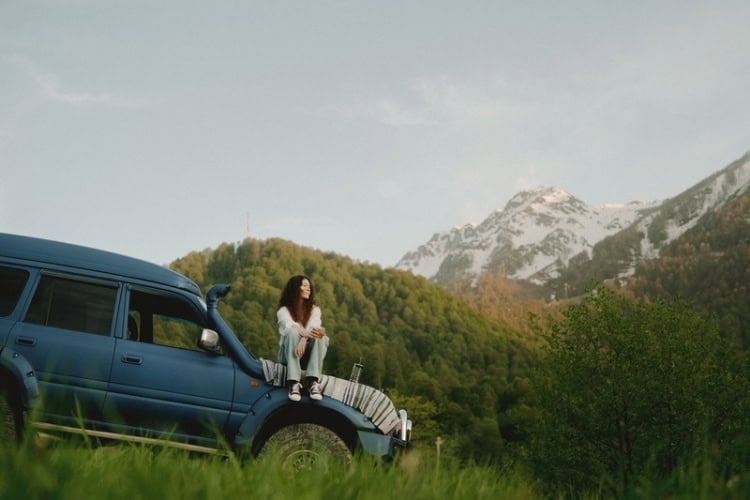
The standard advice is to stop every two hours, and the reason people ignore it is that stopping feels like losing time. It does not, in practice, because the second half of a long drive gets slower and less pleasant when you have not moved.
What matters is what you do at the stop. Standing at a petrol pump for four minutes achieves nothing. Five to ten minutes of actual walking resets the hip flexors and gets blood moving in your legs. Two or three stretches make a noticeable difference to how you feel at the end of the day:
- Standing hip flexor stretch, one leg back, for thirty seconds each side
- Doorway or car frame chest stretch, which counteracts hours of reaching forward for the wheel
- Gentle side bends and a slow neck roll
Alertness dips predictably in the early hours and again in the mid afternoon, so plan the longest break for around two o’clock rather than pushing through it.
4. Control the Cabin Environment
Car cabins get uncomfortable in ways people tolerate rather than fix.
Temperature is the main one. A warm cabin makes drivers drowsy, and a cabin that is warm on the driver’s side while a passenger freezes causes more arguments than the route ever will. Setting the air a couple of degrees cooler than feels immediately comfortable keeps you more alert, and directing vents at the windscreen and floor rather than straight at faces avoids the dried out eyes that come from hours of airflow.
Hydration is the other. People deliberately drink less on driving days to avoid stops, which is a false economy, because mild dehydration reduces concentration and causes headaches. Drink normally and plan for the stops you were going to need anyway.
Sun in the eyes for hours is genuinely fatiguing. Decent sunglasses and a clean windscreen do more for driver comfort than most accessories, since a dirty windscreen scatters low sun straight into your field of view.
5. Pack the Car So the Day Works
The thing you need is always at the bottom. Everyone knows this and almost nobody packs around it.
Keep a single day bag in the cabin with water, snacks, phone cables, sunglasses, painkillers, wipes and a jumper. Keep it in the footwell of the passenger seat where someone can actually reach it. Put anything you only need at night in the boot, and put the bag you need at each overnight stop on top so you are not unloading the whole car in a car park.
Snacks matter more than they sound. A driving day full of service station pastries produces a blood sugar pattern that makes the afternoon worse. Fruit, nuts and something with protein in it will keep you steadier than anything sold at the till.
None of this is complicated, and it takes about twenty minutes of preparation in total. The difference shows up on day four, when everyone else on the same route is stiff, snappish and counting down the miles.
Want to discover more hidden gems and helpful travel tips? Join our free newsletter for the latest travel secrets and travel articles.
We are reader-supported and may earn a commission on purchases made through links in this article.

- Canadian Rockies in 10 Days: Glacial Lakes, Wildlife and First Nations Culture from Vancouver to Calgary - October 18, 2026
- One Day in Malta, From Valletta’s Golden Streets to Temples Older Than the Pyramids - October 18, 2026
- Skiing Above Santa Fe: Powder, Glades and the Family Who Thins Them by Hand - October 18, 2026
Planning another trip soon? ✈️
Add GoWorldTravel.com as a preferred source on Google. Click the button below so our local guides, packing hacks, and hidden-gem itineraries always show up first when you search!
Add to Preferred Sources