
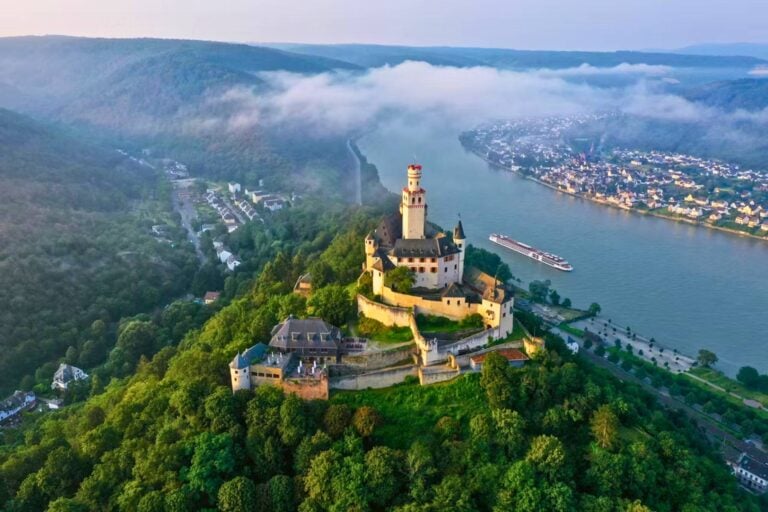
I’ve taken many cruises over the years, but river cruising holds a special place for me. There’s something remarkable about waking up in the heart of a new city, stepping off the ship and spending the day exploring at your own pace.
By evening, you’re back on board, watching the scenery drift past as the ship moves quietly on to the next destination. There’s no packing or rushing to the next destination or worrying about where you want to eat. Honestly, it’s one of the most stress-free ways to travel in Europe.
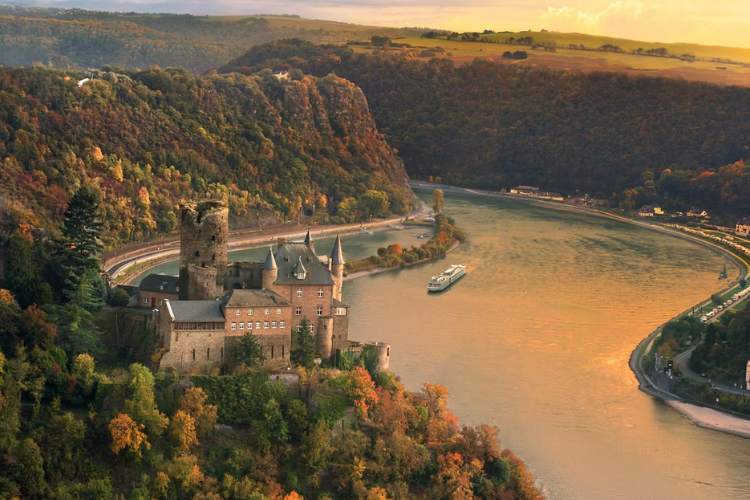
River cruising has grown dramatically over the past two decades, and these days, travelers have more choices than ever, from the style of ship to the ports of call to the level of luxury onboard. If you’re considering a river cruise but don’t know where to start, this article is for you.
Three river cruise lines that I know and trust – and highly recommend to first timers – are Viking Cruises, AmaWaterways, and Riverside Luxury Cruises. Each one brings something distinct to the experience, and each sails the same iconic waterways that have defined European travel for generations.
Here’s what you need to know about the ships, the lines, and the best itineraries for first-time river cruisers.
What Makes River Cruising Different
Unlike ocean cruising, where the ship itself is often the destination, river cruising is about the places. Ships often dock in the center of cities and villages, which means you can step ashore and walk directly into the action.
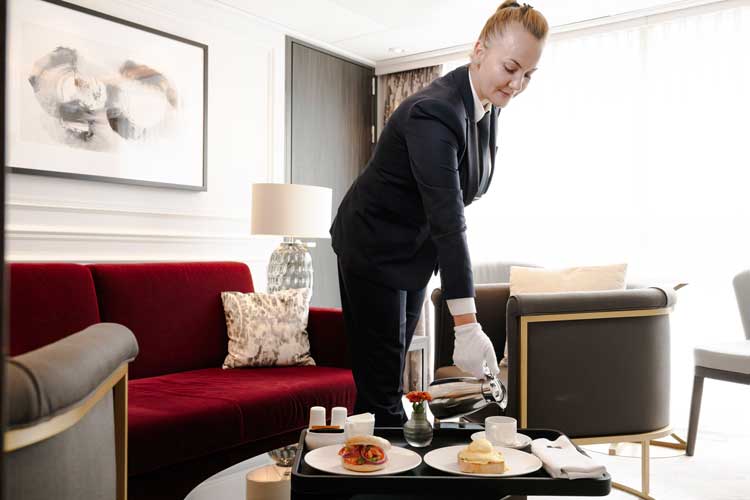
River ships are also small by ocean standards, typically carrying between 130 and 200 guests. That intimate scale means you get to know your fellow travelers, the crew knows your name, and the service is genuinely personal. Meals are unhurried, the wine flows freely at dinner, and there’s no fighting for a deck chair.
For many river cruises, the core costs are bundled into the fare. All meals, wine and beer with dinner, a daily shore excursion with local guides, and Wi-Fi are typically included.
You know what you’re spending before you leave home, which makes budgeting considerably easier than a traditional vacation. (Of course, there are optional add-on excursions or services available, but those are purchased at your discretion.)
Three River Cruise Lines Worth Knowing
Viking Cruises: The Established Leader
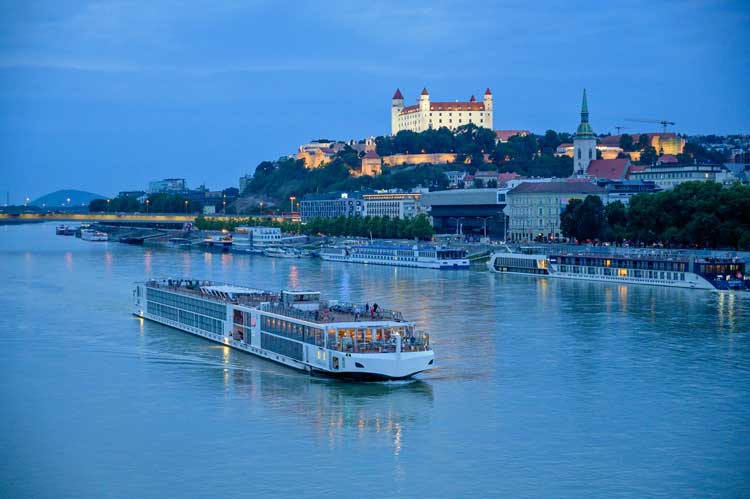
Viking Cruises has been a dominant force in European river cruising for more than 25 years, and there’s a reason it keeps earning top rankings from travelers and travel publications alike.
The line’s purpose-built longships are elegant and understated, designed around the Scandinavian principles of simplicity and quality. Each ship carries around 190 guests and features the Aquavit Terrace, a signature half-indoor, half-outdoor space at the bow of the ship, which is ideal for watching the Rhine Gorge or the Wachau Valley glide past.
Viking’s inclusive model covers all meals, unlimited wine and beer with dinner, a shore excursion at every port with a local guide, and Wi-Fi throughout the ship. The onboard atmosphere draws travelers who want to understand the places they visit, not just see them. Cultural lectures, local performances, and cooking demonstrations are all part of the experience.
Viking sails the Rhine, Danube, Main, Moselle, and other major European waterways on itineraries ranging from 8 to 15 days. For those who want to explore destinations outside Europe, Viking also sails on the Nile, Mekong, Mississippi and more.
AmaWaterways: For the Active and Food-Focused Traveler
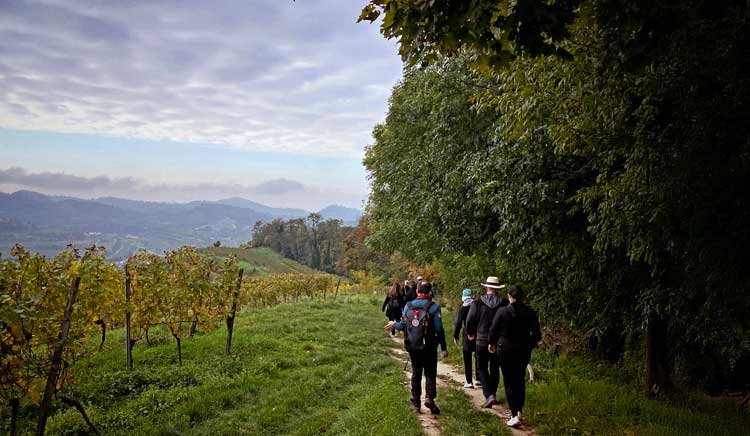
AmaWaterways has built a loyal following among travelers who want more than sightseeing. The line is well known for its active excursion options—most ports offer a choice of walking tour, hike, or bike ride—and for the quality of its food and wine programming.
Onboard chefs take local ingredients seriously, and the line’s wine-themed sailings, hosted by sommeliers and winemakers, draw serious enthusiasts.
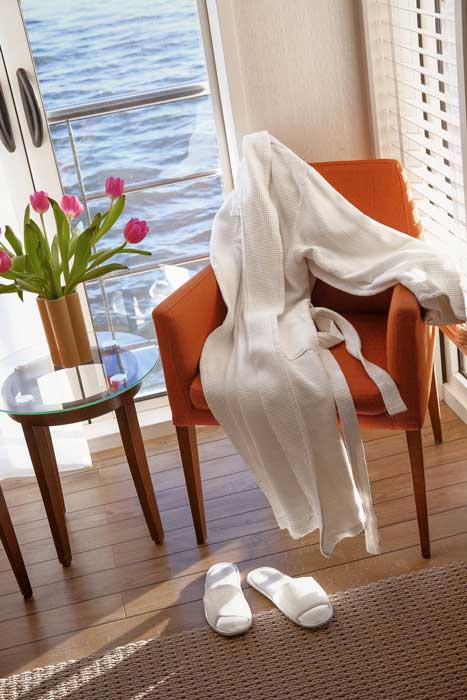
Many staterooms feature a French balcony, a floor-to-ceiling sliding glass door with a small railing, alongside or instead of a step-out balcony, which lets you enjoy the sounds of the river.
The Chef’s Table specialty restaurant, available on most ships, offers a more intimate dining experience as part of the included fare.
The line covers all the classic European routes and also sails Southeast Asia, Colombia and Africa—worth knowing if Europe is just the beginning.
Riverside Luxury Cruises: The Newest Contender
Riverside Luxury Cruises entered the European river scene more recently, but it has moved quickly to establish itself at the premium end of the market.
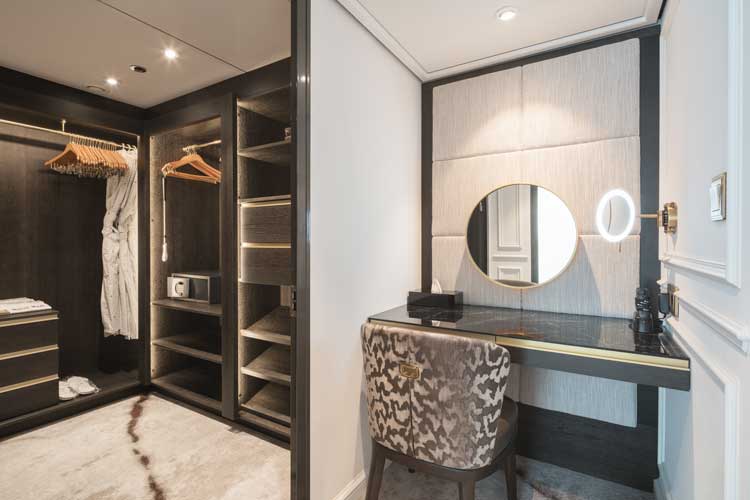
The ships are among the most beautifully appointed in the industry, with handcrafted furnishings, spa-level bathrooms in suites, huge closets and the kind of design that feels like a boutique hotel.
Riverside keeps guest counts low. Ships carry between 110 and 162 guests, which allows for a more personalized level of service, and the dining is widely regarded as among the finest afloat on European rivers.
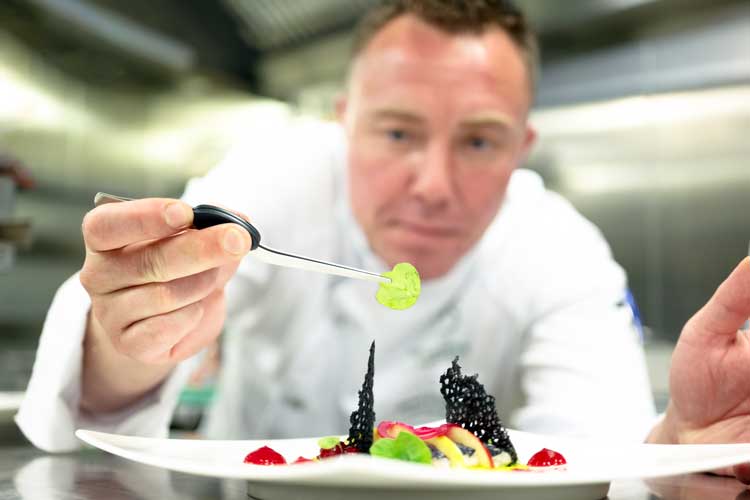
The culinary program draws on fresh, regional ingredients at each port, with menus that change as the ship crosses borders. Multi-course dinners are unhurried affairs, and the wine pairings are chosen with genuine care. If the table is central to how you travel, this line delivers.
Inclusions are comprehensive: all meals (except in the Vintage Room, which hosts optional wine-paired dinners at an extra charge), premium beverages, excursions, transfers, and gratuities are covered in the fare—one of the most all-inclusive options on European rivers.
The Itineraries: Where to Go First
Most first-time river cruises start with an itinerary in Europe. All three lines sail Europe’s most celebrated waterways. Here are the routes worth considering for your first trip.
The Danube: Central Europe’s Crown Jewel
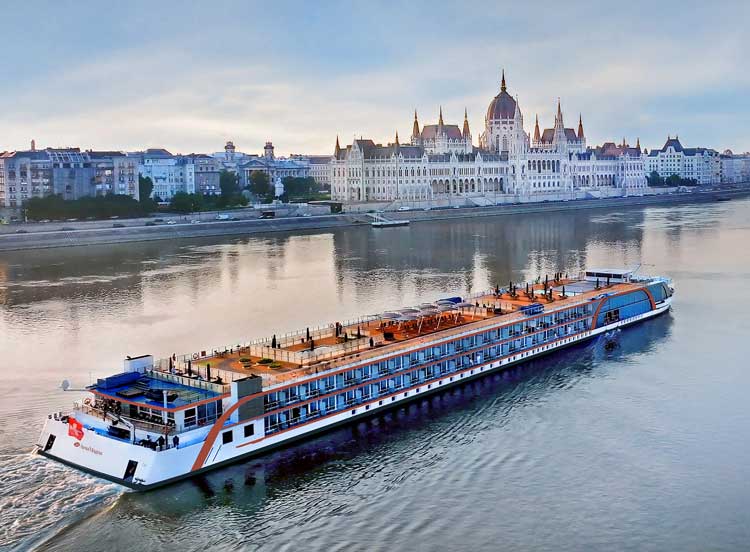
If you want to understand why so many travelers become devoted river cruisers after their first voyage, start on the Danube.
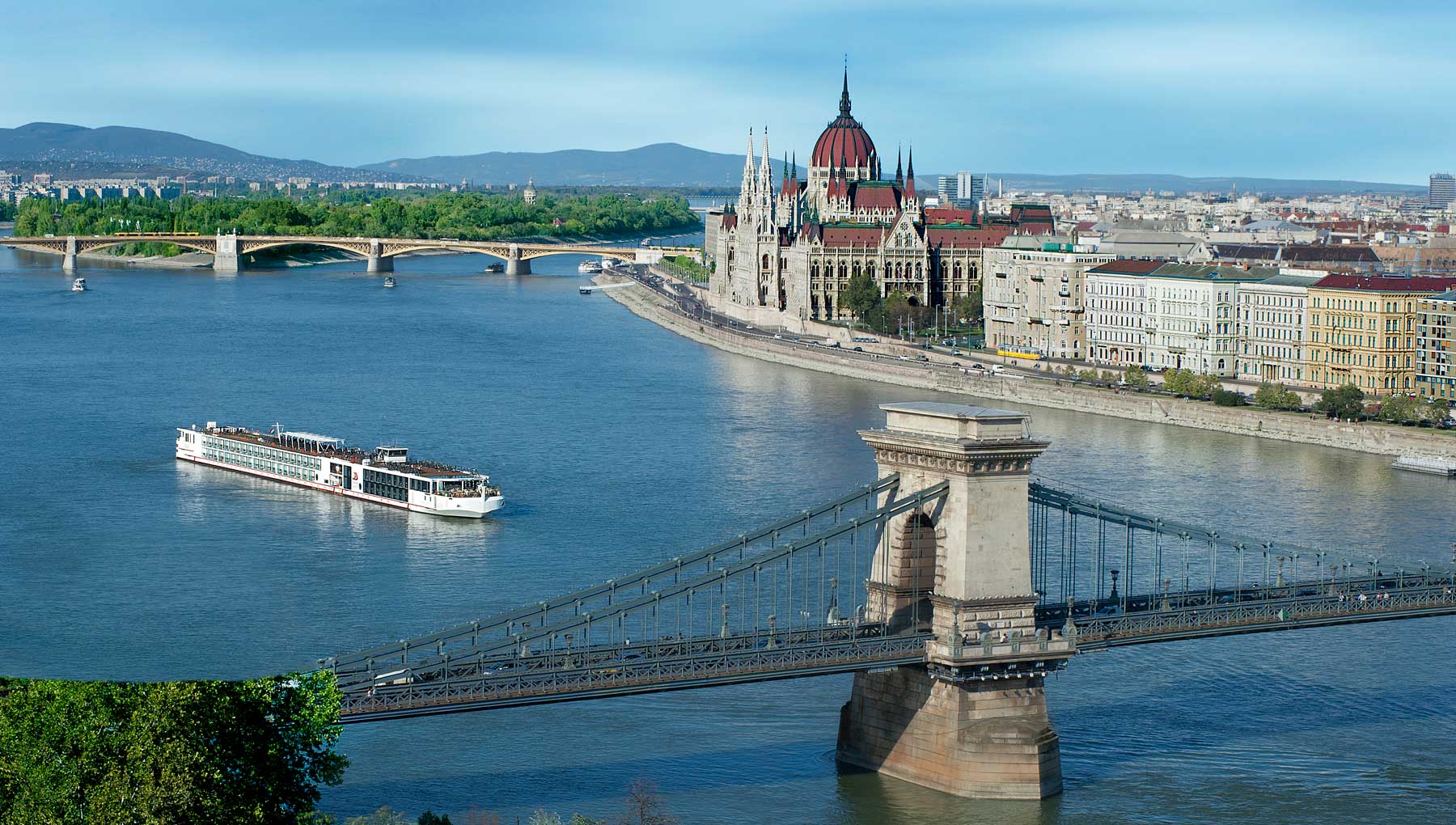
This is Central Europe at its most spectacular: the illuminated Parliament building reflected in the river at Budapest, two full days in Vienna to explore Habsburg palaces and settle into a legendary café, the terraced vineyards and medieval villages of the Wachau Valley, and the three-river confluence at Passau. Many Danube itineraries run eight days and begin or end in Budapest or Regensburg.

Viking’s Romantic Danube (Budapest to Regensburg) is one of the line’s best-selling itineraries for good reason. The pacing is comfortable, the cities are iconic without being overwhelming, and the scenery along the Wachau is among the finest in Europe.
AmaWaterways’ Melodies of the Danube covers similar ground with the added emphasis on active excursion options at each port.
Riverside’s Danube sailings bring the same route with elevated onboard appointments and a smaller, more intimate ship.
The Rhine: Castles, Cathedrals, and the Gorge
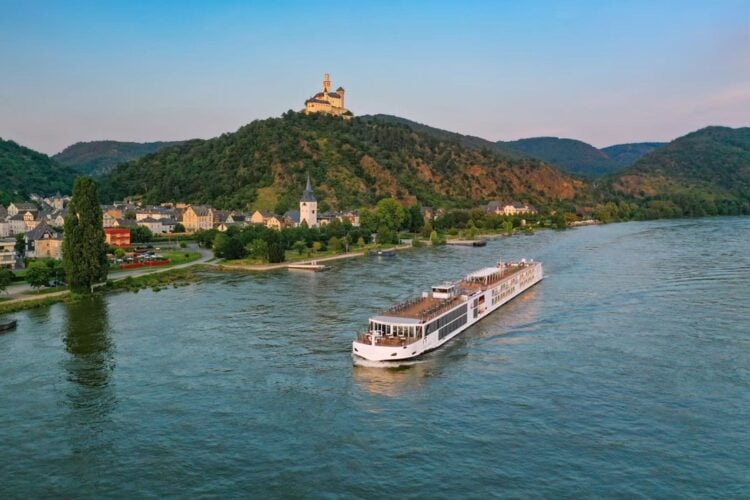
The Rhine is one of Europe’s great rivers, and sailing it from Amsterdam to Basel gives you a remarkable cross-section of the continent.
The journey begins in the Netherlands, where canals, bicycles, and gabled canal houses define the scenery, and then moves south into Germany’s cathedral cities and wine country.
The highlight is the Middle Rhine Gorge, a UNESCO World Heritage stretch where ruined medieval castles perch on steep hillsides above the water and the river bends dramatically between ancient vineyard terraces. Viking’s Rhine Getaway is a well-paced eight-day introduction to the river.
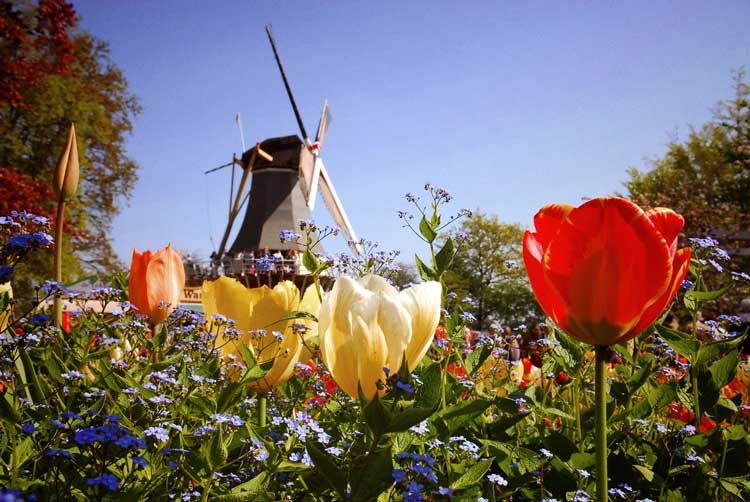
In spring, AmaWaterways’ Tulip Time itinerary sails round-trip from Amsterdam through the Dutch and Belgian waterways when the Keukenhof Gardens and tulip fields are in full bloom. It’s a different kind of river trip, and one of the most visually spectacular in Europe.
Riverside offers the Rhine as well, with the same premium ship design and intimate guest count that characterizes all of its sailings.
The Grand European Tour: Go Big
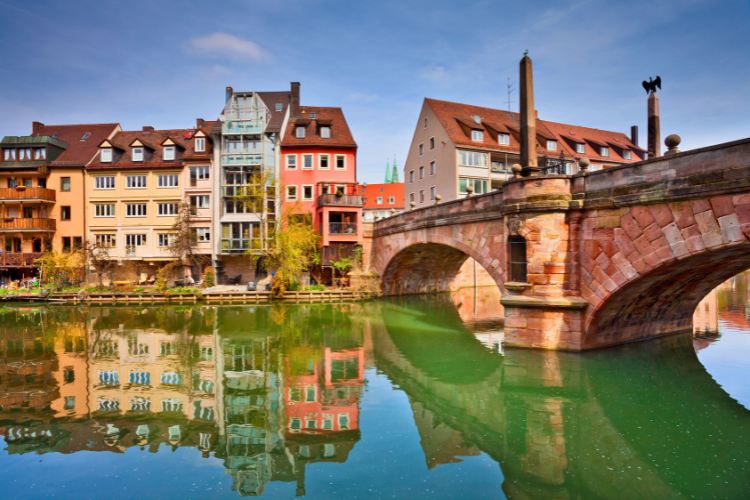
If you’re the kind of traveler who wants to do a thing properly the first time, consider a longer journey that links the Rhine and the Danube across 15 days.
Viking’s Grand European Tour runs from Amsterdam to Budapest, combining the best of both rivers and adding charming stops like Würzburg, with its baroque bishop’s palace, the medieval city of Bamberg, Nuremberg, and the Benedictine abbey at Melk in Austria, which is dramatically positioned on a rocky outcrop above the Danube.
AmaWaterways’ Grand European Medley goes further. Its 21-night journey combines the Rhine, the Dutch and Belgian waterways and the Seine and ends in Paris. It’s a longer commitment than Viking’s 15-day tour, but for travelers who want to cover multiple river regions in a single voyage, this is a great option.
By the time you disembark, you’ll have a solid sense of what river cruising offers, and very likely, a list of rivers you want to come back for.
How to Choose the Right Line for You
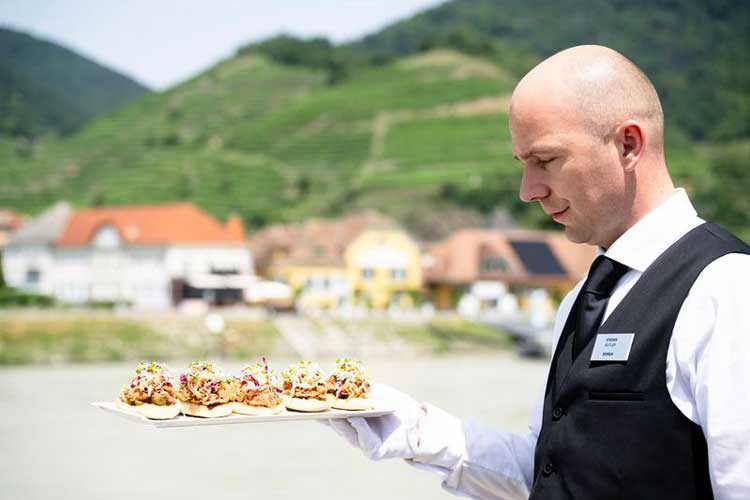
I’ve sailed with all three of these lines, and I can tell you honestly: every single one delivered. The food was good, the excursions were well run, and I left each trip wanting more.
The differences are real, but they’re about personality, not quality. The right river cruise is simply the one that fits how you travel. Before you book, think through a few key questions.
Start with the ship. River ships range from around 130 to 200 guests, and that difference matters more than it sounds.
A smaller ship means fewer fellow travelers, a quieter atmosphere, and a crew that will likely know your preferences by day two. A larger ship offers more amenities, more varied dining venues, and sometimes a livelier social scene. Neither is better; it depends on whether you prefer intimate or energetic.
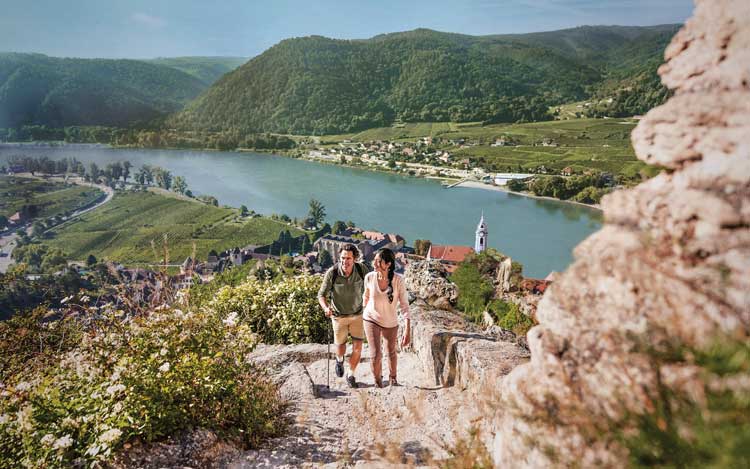
Next, consider how you want to spend your time ashore. Most lines offer a guided walking tour at each port as a standard inclusion, but some go further with active alternatives: cycling tours along the riverbank, hiking options, or kayaking excursions.
If you like to explore on your own, look for a line that builds flexibility into its shore program. If you’d rather have a knowledgeable local guide lead the way and be back on board by lunch, a more traditional excursion model may suit you better.
Think about dining and onboard culture. Most lines center their culinary program around local ingredients and regional menus that change as the ship crosses borders—an excellent way to taste a place as well as see it.
Others invest more heavily in enrichment: cultural lectures, local performances, cooking demonstrations. Ask what a typical evening looks like onboard, and whether that appeals to you.
Pay close attention to what’s included in the fare. All three of these lines cover meals, wine and beer with dinner, shore excursions, and Wi-Fi. But gratuities are handled differently: some lines add a daily service charge, others leave tipping to your discretion, and at least one luxury line builds gratuities into the fare.
Finally, consider the itinerary length. Eight days is the sweet spot for the first river cruise. It’s long enough to find your stride, short enough to commit to.
Longer journeys of 12 to 21 days link multiple rivers and go deeper, but they require more vacation time and cost more. Most people start with eight days – and often wish they had booked longer.
The Best Time to Go
Most European River cruises run from March through December, with peak season falling between April and October. Spring brings blooming tulip fields in the Netherlands and cherry blossoms along the Rhine.
Summer offers long days and festivals in almost every port. Autumn is particularly beautiful on the Danube and Rhine as the vineyards turn gold, and harvest season means outstanding local wines at every stop.

December’s Christmas market sailings are consistently sold-out months in advance—with good reason. The markets are magical. Be sure to book way in advance for these cruises.
Whenever you go, one trip is rarely enough. River cruising has a way of getting under your skin. The Danube, the Rhine, the Douro, the Moselle, the Rhône—each one pulls you in differently. Pick the river that calls to you, step aboard, and see where the current takes you.

- 9 Insider Tips I Wish I’d Known Before My First European Adventure - October 7, 2026
- Seaplanes, Porcupines and Hidden Lakes on Quebec’s Explorer’s Route - October 6, 2026
- The Family Reunion Hack That Eliminates All the Planning Stress - September 30, 2026
Planning another trip soon? ✈️
Add GoWorldTravel.com as a preferred source on Google. Click the button below so our local guides, packing hacks, and hidden-gem itineraries always show up first when you search!
Add to Preferred Sources