
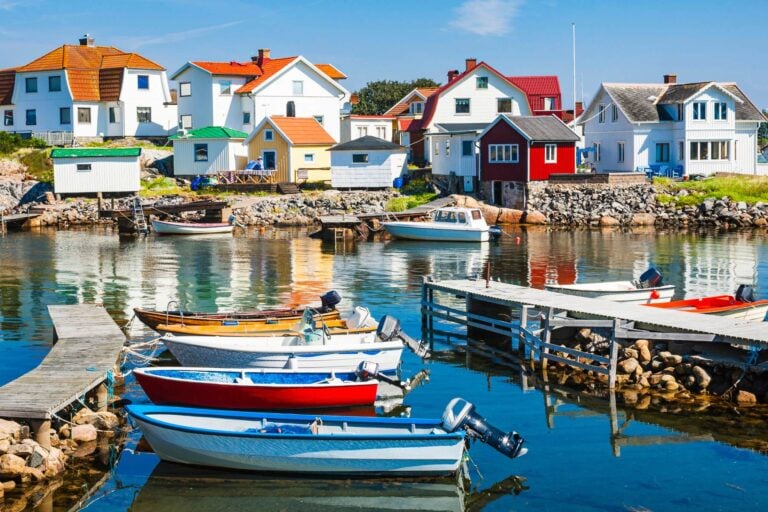
I found the swimming dock on Vrångö just before sunset, close to ten at night, when the light goes long and gold over the water this far north in early June.
There was no one else out there, just the slap of small waves against the pilings and a pair of gulls arguing somewhere behind me. I sat down, pulled my knees up, and realized I hadn’t checked my phone in hours. For the first time in longer than I could remember, my mind was quiet too.
Exploring the Gothenburg Archipelago
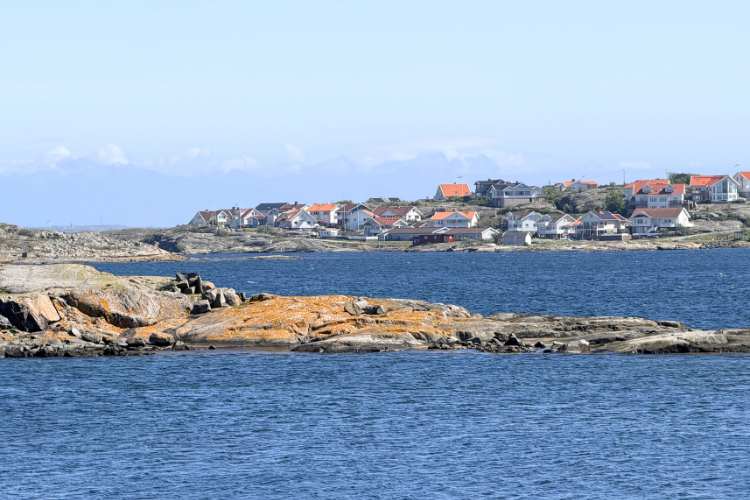
I’d come to Sweden’s Gothenburg Archipelago to explore its islands, most of which I’d never even heard of before arriving. There’s nothing I love more than traveling with family and friends, but this trip turned out to be a solo one, and I came to treasure that too: the space to actually hear your own thoughts, to let a place work on you directly.
This particular corner of the world turned out to be an island world of no cars, no urgency, just water on every side and people who have spent generations learning how to live well within its limits.
More Than 260,000 Islands in Sweden
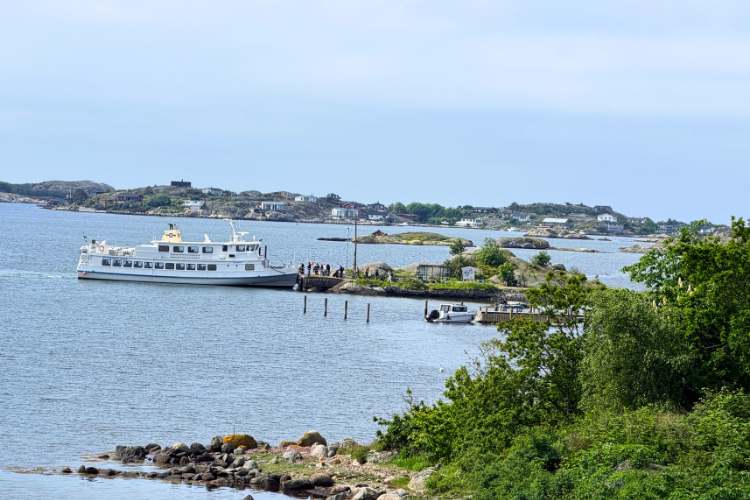
Sweden has more than 260,000 islands, and the Gothenburg Archipelago puts dozens within easy reach of Gothenburg, the country’s second-largest city, on its southwest coast. It’s far off the beaten path for most travelers, yet remarkably easy to reach.
It’s a place where the biggest island has under 6,000 people, kids bike to school, and multi-generational families still fish, run inns, and keep small businesses alive, all within a 20-minute ferry ride of a European city.
I got a three-day pass on the Västtrafik app, which covers the buses, ferries, and bike rentals linking the islands, and spent a week hopping between four distinct islands: Hönö to the north, then Styrsö, Donsö, and Vrångö to the south.
Hönö: A Favorite Weekend Getaway for Swedes
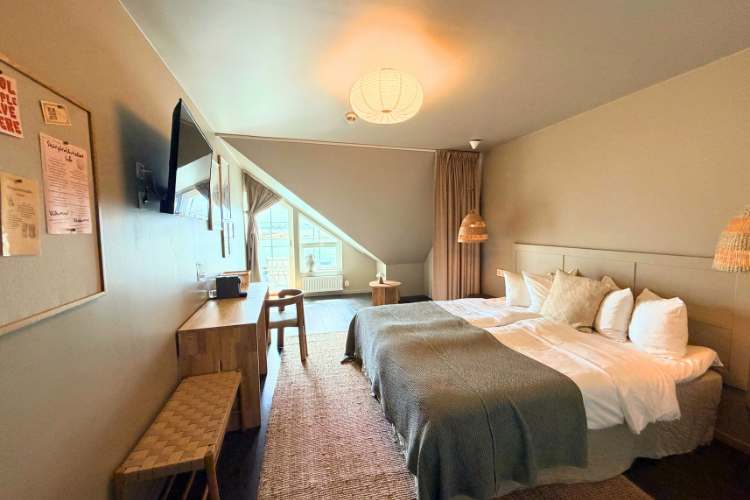
The first island I visited was Hönö, the northernmost stop on my route. From Gothenburg, I took a bus, then a ferry, then another bus, a transfer sequence that might have annoyed me anywhere else but felt oddly meditative here.
I checked into Skärgårdshotellet, right on the harbor, where my room looked straight out at the boats and the glimmering strait beyond. Hönö is a favorite weekend getaway for Swedes from the city, close enough for a day trip but with enough shops, cafés, and coastline to fill a whole weekend.
I spent an hour or two wandering the little shops in the harbor village, the kind of unhurried browsing I never seem to make time for at home and found a few small things for my mother at a local charity shop.
Lunch was at Franses, a restaurant built into what used to be the fishermen’s workplace on the island. I had the local battered and fried fish, with shrimp salad, potatoes, and green beans, simple and exactly what the waterside setting called for. Outside, the island’s lilacs were enormous, and I could smell them on the breeze all the way down to the water.
Seafood Delight: Dinner at a Local Favorite
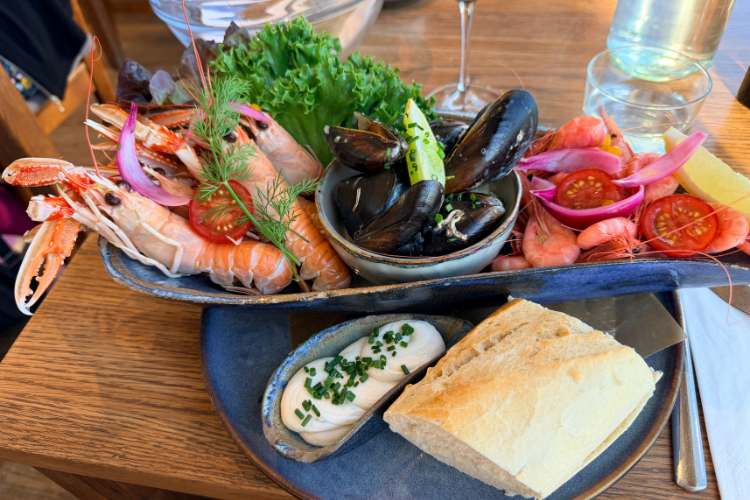
That evening I walked to Tullhuset for dinner, a family-run fish restaurant that’s held this same spot in Hönö Klåva for 25 years. I had the huge seafood platter, with giant shrimp, mussels and more and then understood why the restaurant is so popular.
Between meals, I walked a stretch of the Göteborgs skärgårdsled, the hiking trail that threads the archipelago from Fotö in the south to Hälsö in the north, past wildflowers and bare rock that dropped straight into the sea, with no crowds, just an occasional cyclist, and nowhere I had to be.
Styrsö: A Lake to Myself
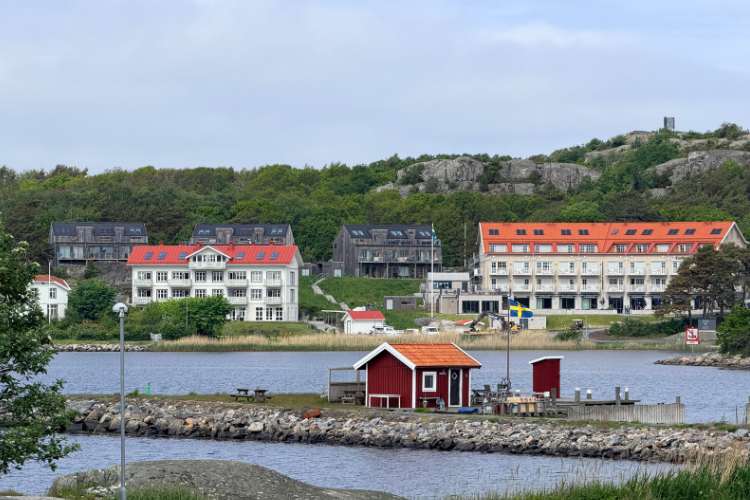
The next morning, a small water taxi carried me south to the island of Styrsö, where I checked into Kusthotellet, a hotel that had opened just the year before, with a restaurant, a spa, a heated pool, and a view toward neighboring Donsö.
I set my bags down and headed straight out to Humlegården, an outdoor café and restaurant with the feel of a beer garden, pretty plantings and picnic tables in the sun. I started with a Wiener schnitzel far bigger than I expected, then had a cappuccino and a traditional cardamom pastry at the cafe next door.
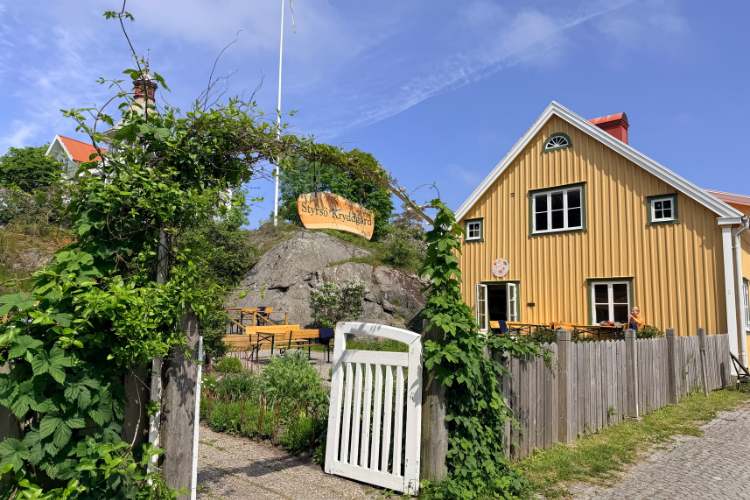
It was the last week of the Swedish school year, so the island was full of families with toddlers, and I passed one playground after another as I walked through the village. Styrsö has no cars, just bikes, none of them locked, leaning against every fence, and covered golf carts for anyone who needs them.
Early June, I found, is a great time to visit the islands. It’s before the local schools let out, and the islands get busier, yet it’s warm enough to enjoy summer days.
I picked up one of the hotel’s bikes and pedaled out to explore. Later, I did some exploring on foot. I’d read there was a small lake somewhere in the island’s interior, and I eventually found it, tucked behind a stand of pines, with a narrow trail circling the shore.
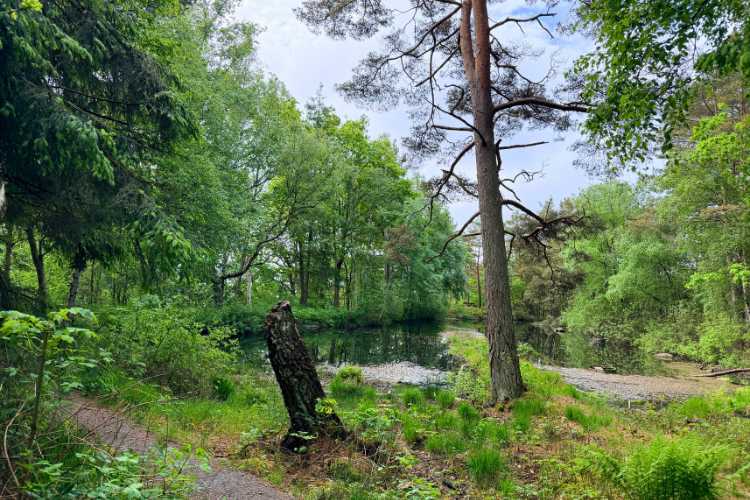
I had it entirely to myself. No other visitors, not even a distant lawnmower, just birdsong and wind moving through the trees. I sat on a flat rock at the water’s edge for the better part of an hour and didn’t do much of anything. It’s a strange kind of luxury, having a lake and the birds to yourself.
Back at Kusthotellet that evening, I relaxed in the hotel’s heated pool and sauna, then had an open-face shrimp sandwich for dinner at the restaurant. Excellent seafood seems to be the norm in these islands.
Donsö: Where Two Sisters Built Something Special
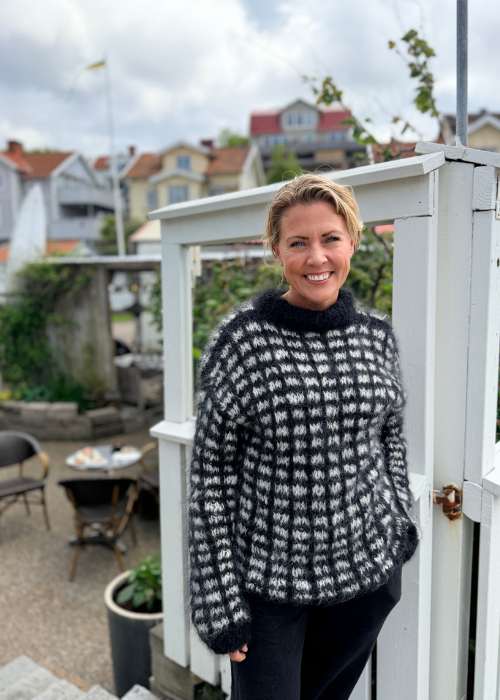
From Styrsö, I biked across the bridge to Donsö, an island so small you can walk its length in under an hour, and found Popsicle, a café that made me want to stay all afternoon.
The café is housed in the island’s old fire station, and Kristin, the co-owner, met me at the counter. She and her sister, Klara, come from a Donsö fishing family, and opened Popsicle here in 2020, baking everything themselves.
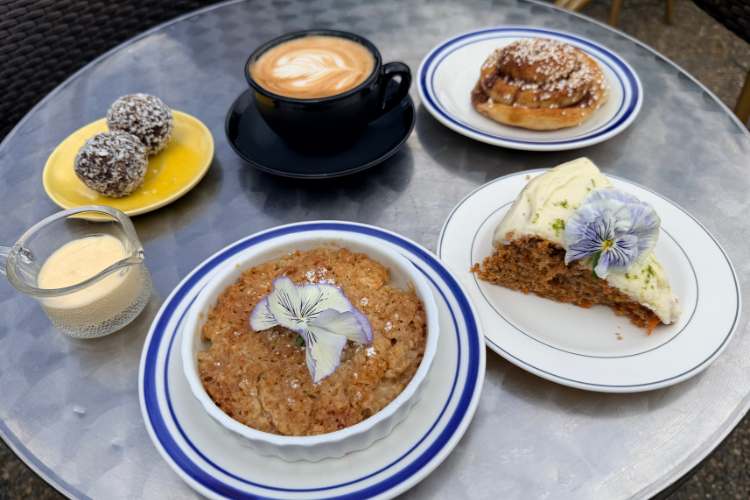
I ordered the Gothenburg Royale, a crab and mussel salad piled onto thick Levain bread, plus seared langoustines caught in the waters just outside, and followed it with Swedish fika, coffee and several pastries because I genuinely could not decide on one. Nobody was hurrying me out for the next seating.
Donsö has about 1,600 residents, Kristin told me, and 560 belong to the island’s 150-year-old church, which is still the heart of the community, alongside a football club that doubles as its other town center.
I’d planned to bike the length of the island and see the harbor before catching my ferry onward. Instead, I sat at Popsicle for an hour, talking with Kristin between customers, and enjoying their homemade pastries. I could see why this place is a light in this little community.
Vrångö: Five Hundred Years on One Island
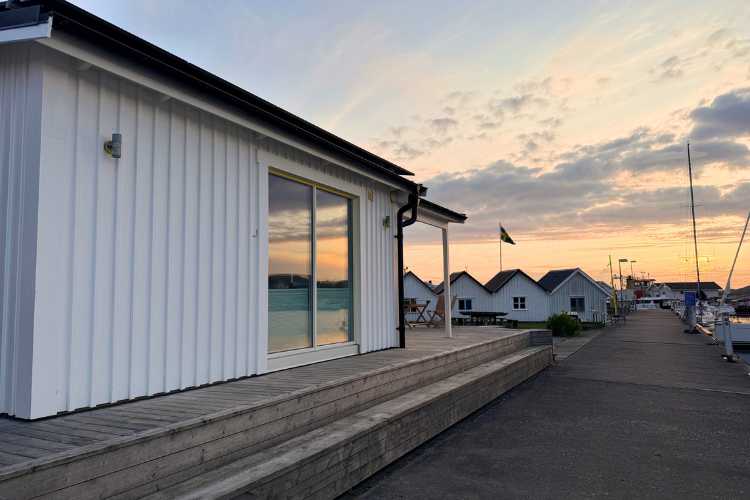
The last stop was Vrångö, the southernmost island in the archipelago and the one that ended up staying with me longest. It sits just 20 minutes from Gothenburg by ferry, close enough that day-trippers come out for lunch, but it felt like its own small country. Like the other southern islands, it’s entirely car-free, just bikes, footpaths, and the sound of the sea.
I checked into Kajkanten Vrångö, a cluster of eleven boathouses on the harbor, each with its own kitchen and lovely views. Mine was right alongside the harbor. The inn is owned by Håkan Karlsten, whose family has been on Vrångö since 1532 (the island itself has belonged to Sweden since 1200).
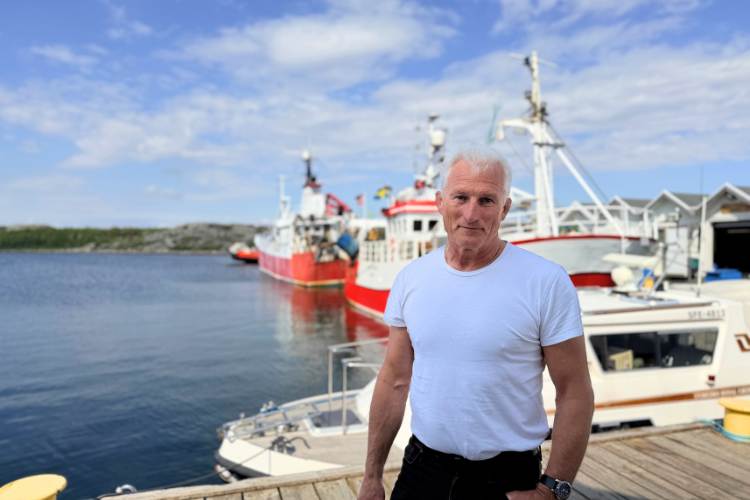
He was once one of Sweden’s national wrestling champions, on a path toward the Seoul Olympics before life took him elsewhere, and he moved his family back in 1991. His parents still live on the island year-round, in the same house where his father was born, and these days his daughter helps run the business alongside him. “I may not be rich,” he told me, “but I have a rich life.”
Håkan gave me a walking tour of the island: the old pilot house where local pilots once guided ships through the channel, the old and new cemeteries, one of the island’s three small churches, and the working harbor where lobster traps sit stacked in neat pyramids, all delivered with the passion of someone sharing a place he genuinely loves.
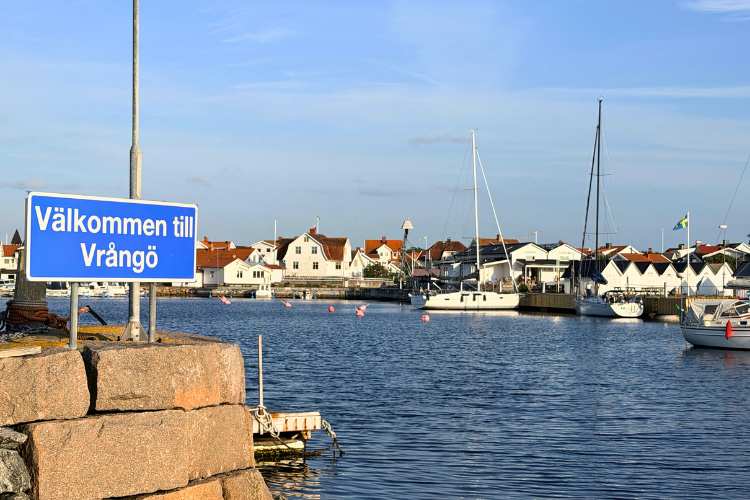
We came upon two American sisters of Swedish descent who’d come to trace their family roots and ended up spending the whole day kayaking with Kajkanten instead. The island is exactly the kind of place that seems to pull people back to where they came from, even generations later.
The water was too choppy for me to go out kayaking that afternoon, but Håkan runs kayak trips, boat trips, and guided hikes, and can arrange a fishing outing with a local fisherman on request.
We stopped at the floating sauna he built himself, wood-fired, with a small kitchen, a hot tub, and a ladder straight down into the sea, the kind of place where guests can laze away an afternoon.
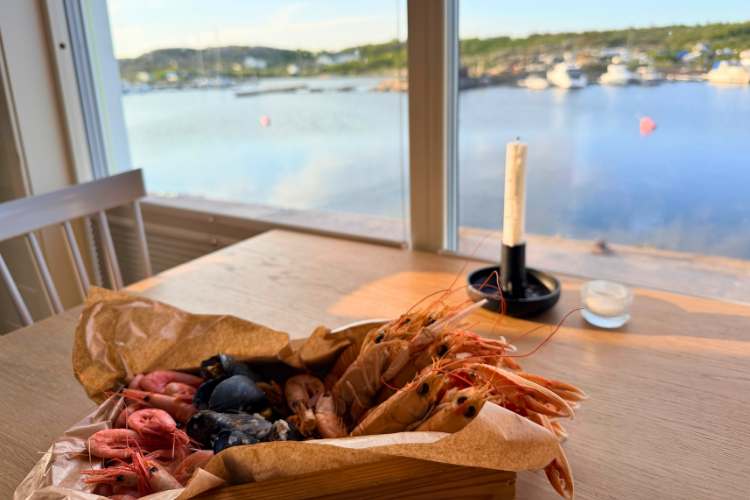
That evening, since Hamnkrogen Lotsen, the island’s restaurant, was closed for the day, the fish market next door, Fiskeboa, still sent over an enormous meal to my boathouse door: shrimp, mussels, and crayfish with fresh bread and spreads, far more than I could eat alone. Afterward I walked down to the swimming dock and watched the sun go down. It had been a very memorable, peaceful day.
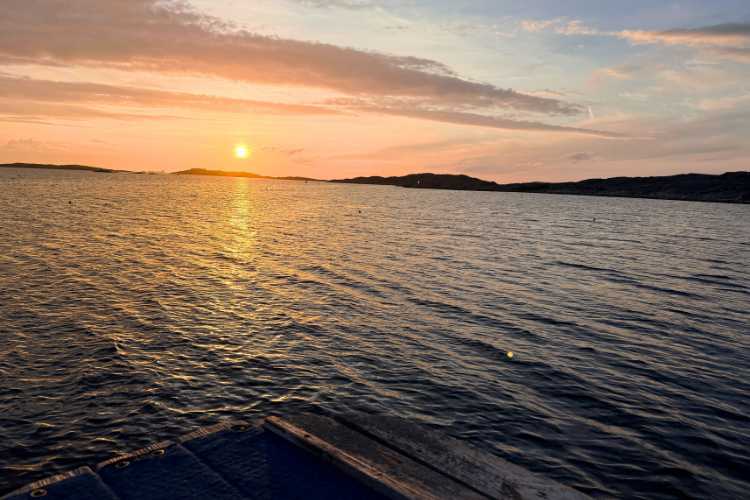
Some places are hard to leave, and this was one of them. With my bags packed for the next morning, I set my alarm early, just to sit outside a little longer in the quiet morning with my coffee.
That’s what stayed with me most, long after the trip ended: not a single sight, but the quiet itself.
Somewhere between the lake I had to myself on Styrsö and the sunset on that dock in Vrångö, I felt something grow calmer inside: a slower pulse, a quieter mind, and a reminder that some of the best travel doesn’t ask you to see everything. It just asks you to sit still long enough to notice where you are.
If You Go
Where to Stay and Eat in Gothenburg (Before You Head into the Archipelago)
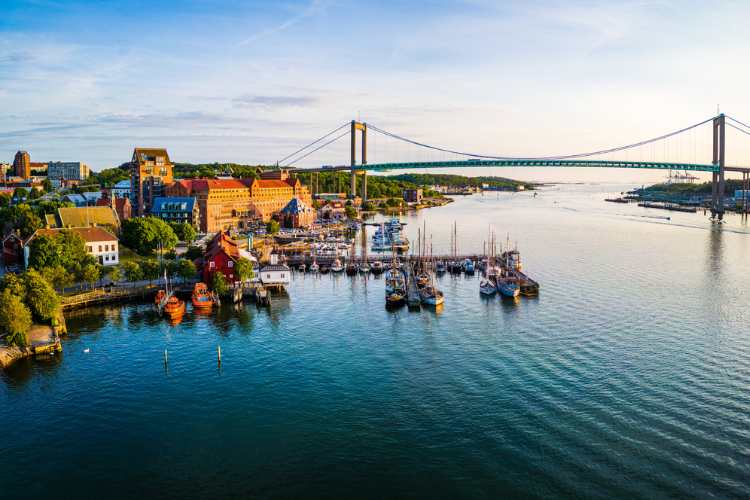
Before heading out to the islands, I spent my first night in Gothenburg itself, at the Hyatt Place Gothenburg Central, right above the central station, a beautiful, easy place to land after a long flight, with warm wood and soft lighting in the lobby bar, plus a sauna and gym if you need to shake off the travel.
That night I had an excellent dinner at Restaurant Vrå, a sustainability-minded spot near Drottningtorget where the seafood comes from wild stocks and the vegetables from the restaurant’s own rooftop plantation or nearby organic farms.
I left already plotting a return; this time the archipelago was the whole point, but Gothenburg itself, with its canals, its old town, its restaurant scene, deserves a few days of its own. Next time, I’d build in at least two or three before heading out to the water.
How to Get to the Gothenburg Archipelago
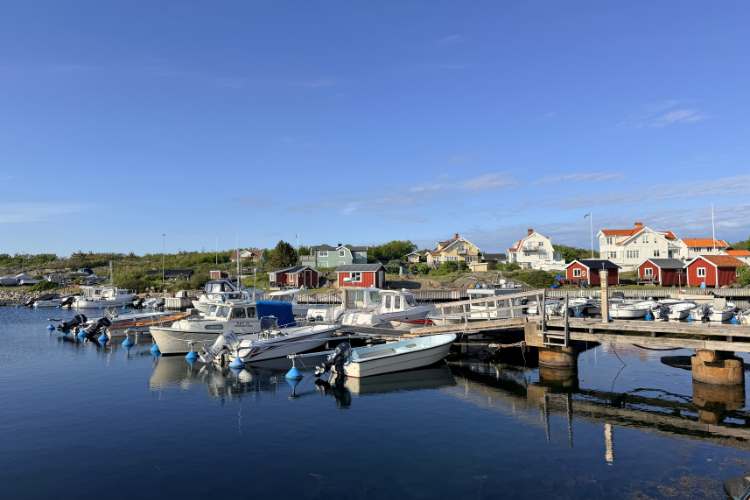
Getting to the islands in the Gothenburg Archipelago is simple, and you won’t need a car. Download the Västtrafik ToGo app before you arrive and buy a ticket for zone A; it covers buses, trams, and boats, and shows departure times too.
For the southern islands, Styrsö, Donsö, and Vrångö, take tram 11 or bus 114 to Saltholmen and transfer to a ferry there (no visitor parking, so don’t bother driving). In summer, a direct boat also runs from Stenpiren in the city center.
For the northern islands, including Hönö, take bus 290 or the RÖD express to Lilla Varholmen and continue by ferry, or catch the direct summer boat from Stenpiren to Hönö Klåva. Bikes travel free on the ferries, space permitting, making it easy to island-hop on your own wheels.
If you’re hoping to visit during midsummer, plan far ahead; that’s when the harbor gets busiest, and rooms book up months out. Outside of midsummer, the islands are wonderfully uncrowded, and a three-day transit pass is plenty to island-hop at a relaxed pace, with time to sit still a little longer than planned.
For more information on travel in Sweden, see VisitSweden.com

- Island-Hopping in Sweden’s Gothenburg Archipelago - July 16, 2026
- Floating Through France: A Week Aboard a Luxury Barge in the Upper Loire - July 14, 2026
- Five Days in Brisbane, Australia’s Best-Kept Secret - July 7, 2026