
In 1879, a fur trading post was established along the Beaver River in what would become the state of Oklahoma 28 years later. Over time, people in the community began to provide support for cattle ranches, which were beginning to move into the area.
Today, that chapter of history provides the backdrop for an annual event that combines homegrown pride with a rather oddball sense of humor. That occasion is the World Cow Chip Throwing Championship.
Competitors in this unique event hurl dried cow dung, hoping to achieve the longest toss and even, perhaps, to exceed the world record fling of 185 feet. Adding to the revelry are a parade, a concert, a carnival and a chili cook-off.

This unusual occurrence is but one among a number of state traditions which combine athleticism, a competitive spirit and, often, a lot of laughs. Some, like that dung heave, have a close connection with the local history. Others were born from a creative, sometimes rather irreverent, imagination.
Cow Bells and Headless Chickens
It’s cow bells that hold an honored place in the lore of Mississippi State University. According to that school’s legend, during a football game that took place in the distant past, a Jersey cow showed up and strolled across the field.
When the host team went on to win the game, the meandering bovine was seen as a good omen, and ringing cow bells for luck became a treasured tradition that continues to this day.
A chicken is the star of an annual do in Fruita, Colorado, a suburb of Grand Junction. Each spring, people gather there to take part in activities that recall and honor Mike the Headless Chicken.
The genesis of that famous fowl’s story was preparations by a young couple in 1945 to prepare a chicken dinner. After the husband struck a hen in the neck with an ax, the desired dinner was able to stagger around the yard, then it continued to live for another 18 months.
During that time, the pullet was toured around the country and introduced to bewildered crowds as “The Headless Wonder Chicken.” Among activities at the annual festival recalling that strange historical tidbit are a chicken dance and wing eating contest.
Say Cheese
Other foods are consumed and celebrated elsewhere. People gather each year in the lush dairy heartland of Wisconsin to pay homage to a popular staple that is made from coagulated milk.
That’s only natural, because Wisconsin produces more types and flavors of cheese than anywhere else in the world. In fact, among its nicknames are Cheese State and Dairy State, and residents often are referred to as “Cheeseheads.”
One way Wisconsinites use cheese is to chase a wheel of it as it rolls down a hill. The contestant who first reaches, or catches, the revolving edible is declared the winner and receives it as the coveted prize.
Cheese rolling is believed to have had its start in England in the early 1800s. Historians tell us that it began as either an imaginative way to applaud the arrival of spring or a pagan fertility rite.
Snakes and Jack-O-Lanterns

Slithering rather than rolling takes place during the annual Texas Rattlesnake Roundup in Sweetwater, Texas. The Lone Star State’s diverse landscapes provide favorable conditions for six species of rattlers to flourish, including large western diamondbacks and elusive rock rattlesnakes.
Among activities during this rattler rally are recognition of the largest serpent, rattlesnake parade and snake-eating contest.

Photograph by Michel Wood/Dreamstime.com
Very different than the dry habitats favored by snakes is the environment in which scuba divers carve pumpkins into jack-o-lanterns. Around Halloween time each year, swimmers plunge into the chilly depths of one of New York’s Finger Lakes, carrying knives and pumpkins.
When they reach the bottom, they get to work transforming the winter squashes into jack-o-lanterns. Entry fees for the carving contest go toward helping to preserve the tall ships and barges that lie preserved on the lake floor after being sunk by storms or accidents.
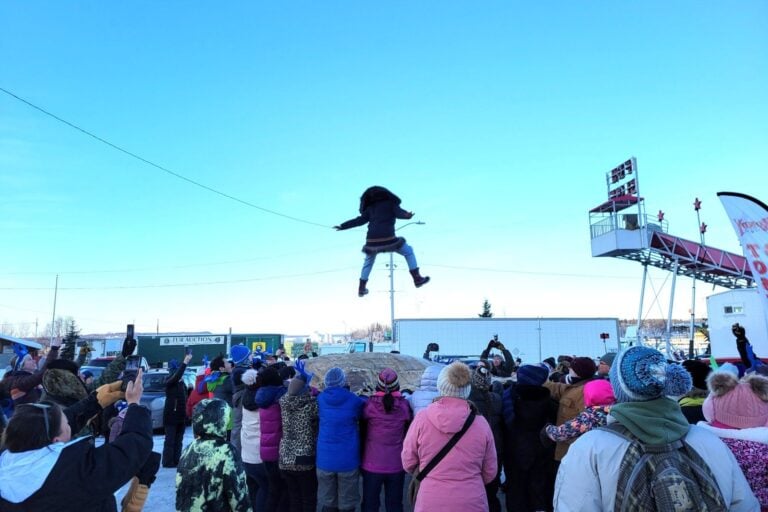
When they return to dry land, some divers seek the warmth of a heavy blanket – but not the kind made of walrus hides, which are used in the Alaska Blanket Toss. That tradition pays homage to the native Inuit people who would bounce someone up in the air in order to provide a good view over hunting terrain, or to spot whales, which have served as a vital food source for millennia.

Planning another trip soon? ✈️
Add GoWorldTravel.com as a preferred source on Google. Click the button below so our local guides, packing hacks, and hidden-gem itineraries always show up first when you search!
Add to Preferred Sources