
Crystal River, Florida, a village perched on the state’s west coast, has a human population of about 3,400 people. During the winter months, they’re joined by more than 400 manatees.
Those large, droll-looking mammals, sometimes referred to as sea cows, are attracted by the proliferation of warm spring-fed waters in the area. Tourism based upon watching the manatees loll about in their natural habitat has grown into the area’s major business.
Manatees are One of Several Attractions in Crystal River
As fun and fascinating as the manatees are, some people who are focused on their manatee moments remain unaware of a number of other attributes that themselves warrant a visit to the destination. One is its prehistoric past.
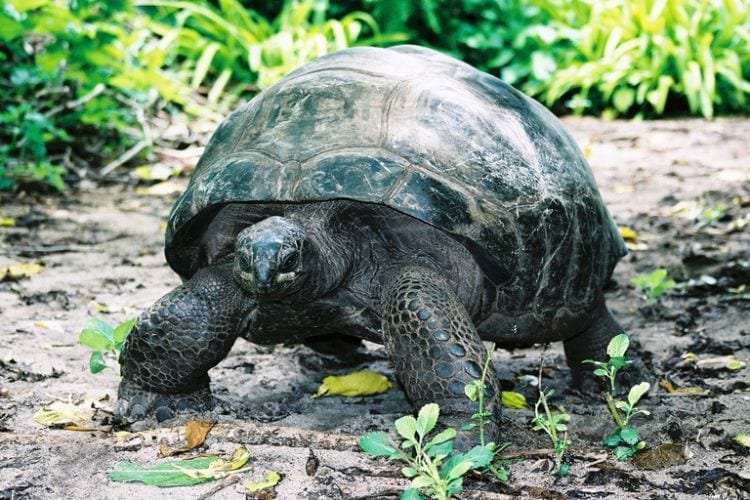
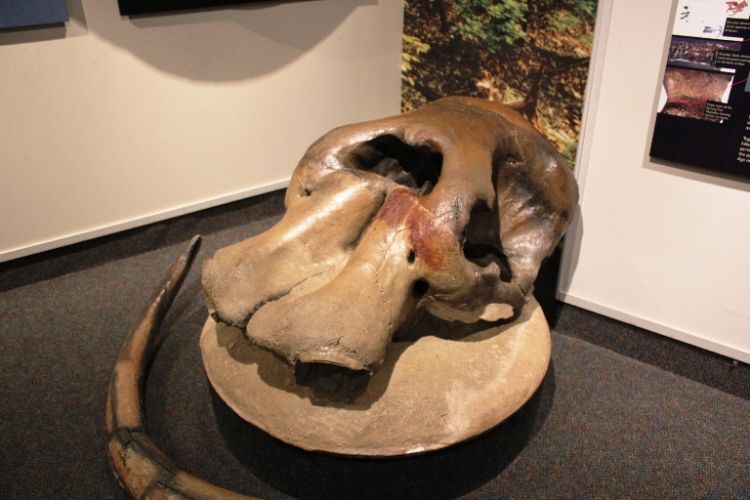
Scientists have discovered the bones of rhinoceroses and mastodons that lived there during the Pleistocene era, the geological time span that lasted from about 2.6 million to 11,700 years ago. They also have uncovered shells of a giant armadillo and an unusually large land tortoise.
Much more recently, around 500 BC, those life forms were followed by Native Americans who hung out along the Crystal River. They’re recalled at the Crystal River Archaeological State Park, one of the longest continuously occupied sites in Florida, which has served as an Indian ceremonial center for 1,600 years.
People traveled there from far away to conduct trade and bury their dead. Reminders of that time
include pre-Columbian burial mounds, temple sites and a plaza area. Fast forward to the mid-1800s, when immigrant settlers began establishing homesteads.
Following the Civil War, an influx of people from states to the north who were attracted by the mild climate began to arrive, build plantation houses and plant citrus tree groves. When the railroad arrived in 1888, so did tourists, many of whom were attracted by the outstanding sport fishing in the area.
Native American Influence is Evident in Crystal River
Today, in addition to the resident manatees, a variety of other attractions also await discovery. Along with its Native American lore, the Crystal River Archaeological State Park borders a large area of pinewoods, hardwood forests, salt marshes and mangrove islands.
This is one of Florida’s most biologically diverse estuaries, where fresh water from spring-fed rivers mixes with the Gulf of Mexico’s salt water.
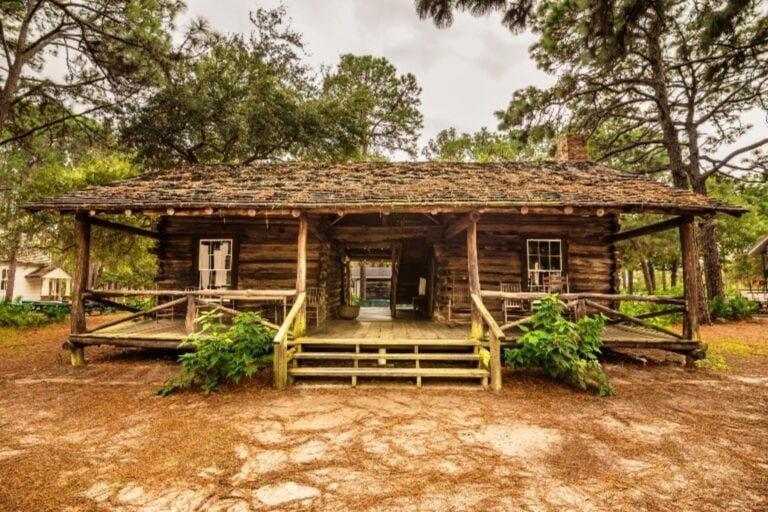
Much of the park remains unchanged, and what I experienced offers a glimpse of what this area of Florida looked like centuries ago. A visit to the Heritage Village complex is like a journey back through time. Each cottage, shop and other building has its own tale to tell, showcasing the lifestyle of different historical periods, predominantly as a fishing village characterized by “cracker” architecture.
That is a style that was popular during the 19th and early 20th centuries. Typical design features included low wood-frame houses, large wraparound porches and shuttered windows to help cool the rooms.
It’s believed that the term “cracker” refers to either the sound that was made by whips used by early settlers to herd their cattle, or cracked corn, which was an ingredient in distilling moonshine whiskey.
Along with manatees, the inhabitants of the Ellie Schiller Homosassa Springs Wildlife State Park include whooping crane, black bear, bobcat, red wolf and the endangered Florida panther.
An amazing variety of fish also congregates there, and visitors may view them from an underwater observatory.
Pint-sized Primates Entertain Visitors Along the Homosassa River
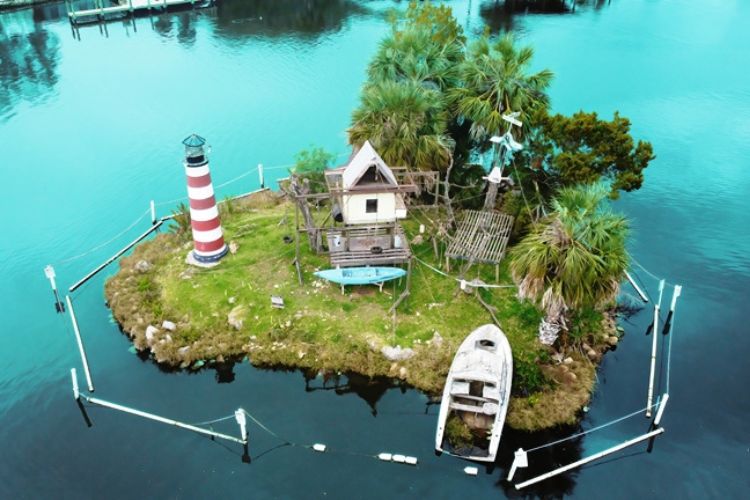
It’s a troop of monkeys that occupies a tiny island in the Homosassa River, and entertains humans watching from shore or on passing boats. This pint-sized paradise for primates has a small lighthouse and other structures, and is strewn with play toys for its residents.
The lifestyle of a typical agricultural estate comes alive at the Yulee Sugar Mill Ruins Historic State Park. The site was once part of a 5,000-acre sugar plantation, which was operated with the labor of enslaved people during the 1800s.
The park features remnants of a steam-driven mill that processed sugarcane into syrup, molasses and rum; a 40-foot limestone masonry chimney, iron gears and a cane press. The mill operated from 1851 to 1864 and served as a supplier of sugar products for Southern troops during the Civil War, and is listed on the National Register of Historic Places.
The Yulee Sugar Mill State Park in Crystal River, Florida, brings you back to mid-19 th century history Photo courtesy of Florida State Library & Archives
This page of history joins many others, along with a long list of natural beauty attractions and appealing activities, to add to the reasons to visit Crystal River, Florida. Oh, yes, there also are those amusing aquatic creatures for which the area is most well-known.
For more information, log onto crystalriverfl.org.

Planning another trip soon? ✈️
Add GoWorldTravel.com as a preferred source on Google. Click the button below so our local guides, packing hacks, and hidden-gem itineraries always show up first when you search!
Add to Preferred Sources