


The first thing I noticed about Chicago was the sound.
Not traffic or sirens, though there were plenty of both. What stayed with me was the rhythm of the city itself: train doors sliding open somewhere overhead, snippets of conversation drifting onto sidewalks, the rush of footsteps during the morning commute, and the strange calm that settled over the lakefront before the city fully woke up.
Traveling alone changes the way a place feels. Without constant conversation or a tightly planned itinerary, small details suddenly become impossible to ignore. And Chicago, more than any city I’ve visited alone, seemed built for noticing things.
Morning Along the Lakefront
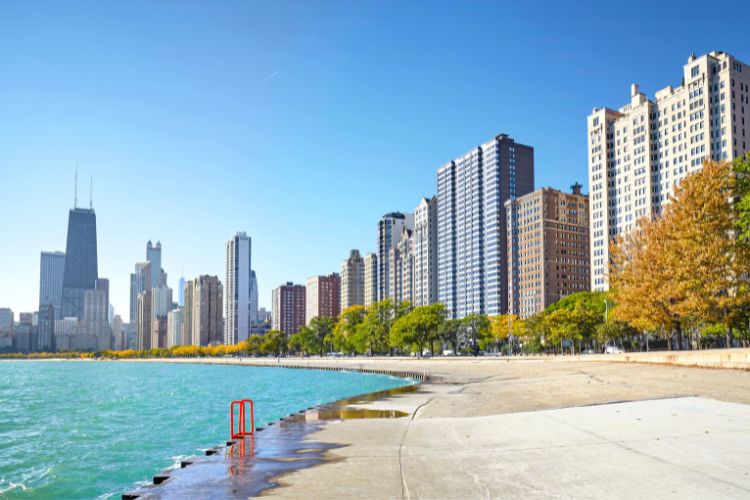
I started the day early, before most tourists filled the sidewalks downtown. My flight landed at a crisp 8:32 AM and I hopped on the train headed for downtown.
The air coming off Lake Michigan was colder than I expected, even in June. Joggers passed in quick bursts while cyclists weaved around people carrying coffee cups and gym bags.
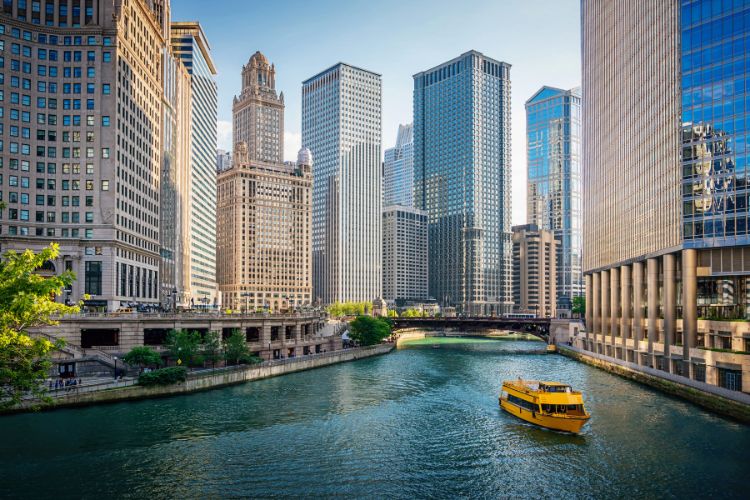
The skyline looked almost unreal in the morning light, not just tall but layered, as if every era of the city had been stacked atop itself.
Chicago’s architecture has a way of making you feel small without making you feel unwelcome. That surprised me.
In some cities, being alone can make you feel exposed or out of place, especially as a woman. Chicago felt different. People barely looked twice at someone sitting alone on a bench or wandering with headphones through the city. There was a kind of anonymity that felt comforting instead of isolating.
I walked north along the lakefront trail with no real destination in mind, stopping occasionally just to look at the water. The lake changes the emotional atmosphere of the city. Without it, downtown Chicago might feel overwhelming. But the open space softens everything.
The city breathes differently near the water.
Riding the “L”
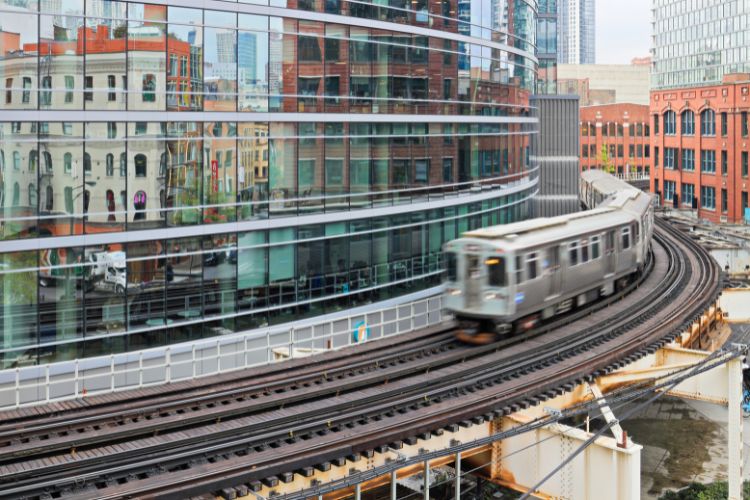
Eventually, I made my way back toward the CTA. Chicago’s elevated trains are loud in a way that feels oddly cinematic.
Standing on the platform alone, I watched neighborhoods shift outside the windows as the train rattled through the city. Downtown towers gave way to brick apartment buildings, murals, corner stores, baseball flags hanging from balconies and tiny restaurants tucked beneath the tracks.
Traveling alone makes public transit feel more immersive somehow. When you aren’t focused on conversation, you start noticing fragments of other people’s lives instead. A man carrying flowers. Two teenagers arguing about where to eat. Someone reading quietly by the window while the train screeched around a curve.
None of these moments mattered individually, but together they created a version of Chicago I never would have experienced from the backseat of a rideshare.
The city revealed itself slowly.
Wandering Without a Plan
One of the best parts of spending a day alone somewhere is realizing you do not actually have to optimize every second. There is no group schedule to follow. No debate about where to eat. No pressure to turn the trip into a perfectly documented experience.
I spent over an hour inside a bookstore simply because I wanted to and I stopped for coffee without checking reviews first. I wandered through neighborhoods after seeing a side street that looked interesting from the train window.
Chicago rewards that kind of wandering.
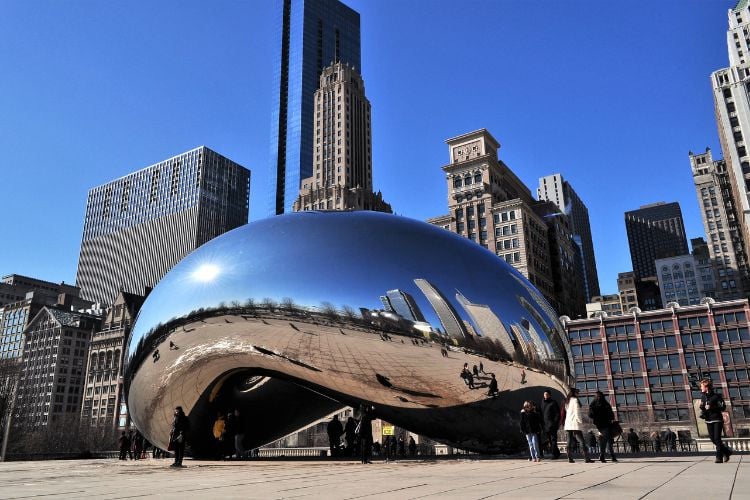
Some cities seem designed entirely around major attractions. Chicago certainly has those, the skyline, Cloud Gate, Wrigley Field, the river architecture cruises, but the city feels most alive in smaller moments between destinations.
A corner café filled with regulars escaping the afternoon heat. Music drifting out of an open bar doorway. The sound of dishes clattering inside an old diner. People sitting alone in parks without trying to turn the moment into content.
The more I wandered, the less I felt like I was “seeing Chicago” in the traditional travel sense. Instead, it felt like I was briefly participating in the city’s daily rhythm.
The Strange Freedom of Eating Alone

Solo travel forces you to confront something many people try to avoid: being visibly alone. For a long time, eating alone in restaurants made me uncomfortable. It felt exposed somehow, like everyone around me was noticing.
Chicago slowly chipped away at that feeling.
At lunch, I sat outside the famous “Portillo’s” while the city moved around me. Nobody cared that I was alone. Office workers rushed through quick meals between meetings. Tourists studied maps. A bartender chatted casually with a regular a few stools away.
The world kept moving. That sounds simple, but there is something strangely freeing about realizing you do not need to perform confidently in order to belong somewhere.
By dinner, eating alone no longer felt awkward. It felt peaceful.
Chicago After Dark
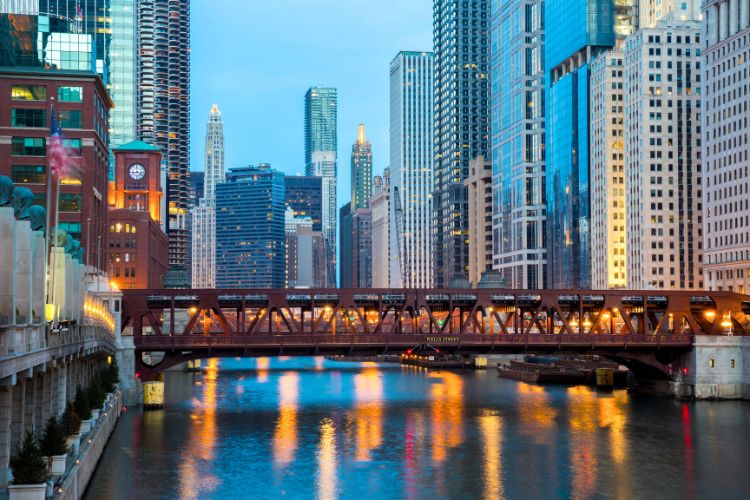
The city changed again after sunset. Chicago at night feels both enormous and intimate at the same time. The buildings glow against the river while trains continue rattling overhead long after the workday ends. Sports bars fill with noise near Wrigley Field while quieter neighborhood streets settle into a slower rhythm.
I spent part of the evening simply walking. That would sound boring in most travel articles, but honestly, the walk became one of the strongest memories of the trip. The reflections along the river. The movement of people heading home. The soft yellow light spilling from restaurant windows onto the sidewalk.
Being alone made the city feel sharper somehow. Not lonely. Just more vivid. Without constant conversation, I paid closer attention to everything around me: architecture, weather, overheard stories, the mood of different neighborhoods, block by block.
Chicago felt like a city that allowed room for observation.
Why Chicago Works So Well Alone
Some cities are difficult to navigate solo. Others feel designed entirely for groups, couples, or tightly scheduled tourism.
Chicago feels surprisingly good for solitary wandering. Part of that comes from its layout. The city is walkable, easy to navigate by train, and full of public spaces where being alone feels natural instead of uncomfortable. But there is also something emotional about Chicago that makes solo travel easier.
The city feels lived in. Even in heavily visited areas, Chicago rarely feels like it exists purely for tourists. People are commuting, walking dogs, carrying groceries, heading to baseball games and sitting by the lake after work.
The city continues to function around you rather than perform for you. That distinction matters.
Spending a day alone in Chicago did not feel transformative in the dramatic way solo travel is often described online. There was no cinematic moment of self-discovery waiting beside the skyline. Instead, the experience felt quieter than that.
The city simply gave me space to pay attention again. And long after I forgot specific restaurants or train stops, that is the part I remembered most.
If You Go
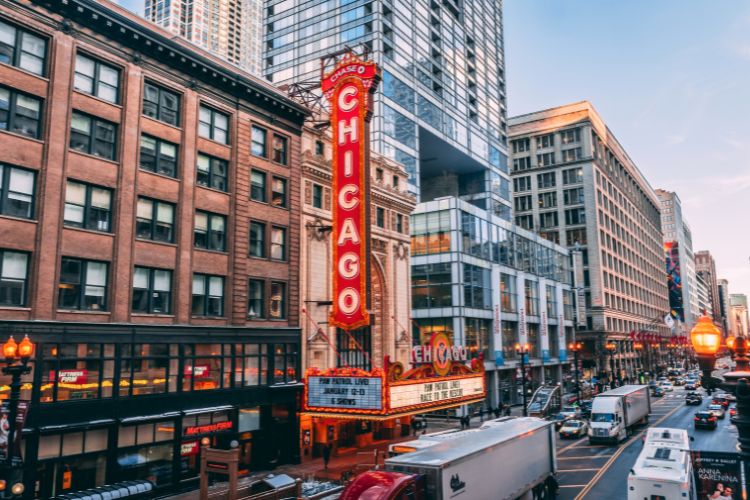
Chicago is one of the easiest major American cities to explore alone thanks to its walkability and extensive public transit system. Purchasing a CTA day pass makes it easy to move between neighborhoods using the “L” trains and buses.
For solo wandering, neighborhoods like Lincoln Park, Wicker Park, Lakeview and the West Loop offer a mix of cafés, bookstores, restaurants and walkable streets. The Lakefront Trail is especially beautiful in the early morning or around sunset.
Spring and early fall are ideal for exploring the city comfortably on foot, though Chicago’s colder months bring a quieter atmosphere that can feel equally memorable.
If you are interested in seeing the typical tourist attractions, Chicago’s CityPASS is a great way to bundle and save up to 50%.
Need a hand planning your trip? Here are the sites and services we rely on most, from booking tools to travel products we love.
Inspire your next adventure with our articles below:
- Chicago Beyond the Loop: A Neighborhood Guide to Fulton Market, River North, Wicker Park and Hyde Park
- What a Taxi Stand in Santiago, Chile Taught Me About Solo Travel
Author Bio: Taylor McGee Campbell is a writer, communicator, and storyteller exploring culture, travel, faith, and the experiences that shape us. Influenced by a career spanning law, strategic communications, and nonprofit leadership, her work combines curiosity, insight, and personal reflection to uncover the stories that connect people, places, and ideas. She is particularly drawn to stories of wonder, growth, and the meaningful moments often hidden in everyday life.
Want to discover more hidden gems and helpful travel tips? Join our free newsletter for the latest travel secrets and travel articles.
We are reader-supported and may earn a commission on purchases made through links in this article.

- Slow Down on Prince Edward Island: A Relaxed Four-Day Itinerary of Dunes, Seafood and Seaside Inns - September 25, 2026
- Two Sides of Cape Town: Table Mountain Trails, Winelands Dawn and Township Voices - September 25, 2026
- St. Pierre and Miquelon: Visit France Without Leaving North America - September 25, 2026
Planning another trip soon? ✈️
Add GoWorldTravel.com as a preferred source on Google. Click the button below so our local guides, packing hacks, and hidden-gem itineraries always show up first when you search!
Add to Preferred Sources