
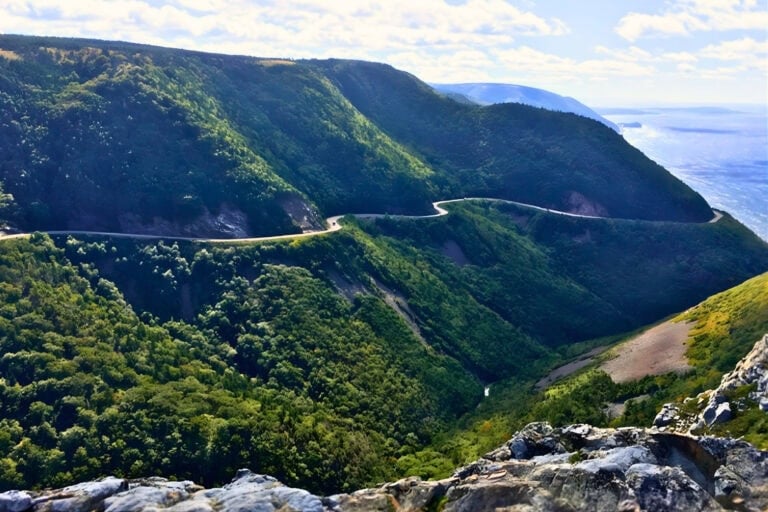

Nova Scotia may be one of Canada’s smaller provinces, but what it lacks in size, it more than makes up for in scenery, character and charm.
Located on Canada’s east coast and nearly surrounded by the Atlantic Ocean, Nova Scotia is a province best explored slowly, with the windows rolled down and plenty of time built in for unexpected detours.
Here, roads trace dramatic shorelines, wind through fishing villages where lobster traps pile high beside weathered wharves and lead travelers toward some of the most breathtaking coastal vistas in North America.
Along the way, you’ll discover UNESCO World Heritage Sites, iconic lighthouses, whale watching villages, Gaelic traditions and seafood so fresh it was likely hauled from the ocean that same morning.
While Nova Scotia offers countless scenic routes, these three drives stand out as unforgettable road trips.
Nova Scotia’s Wild Eastern Shore
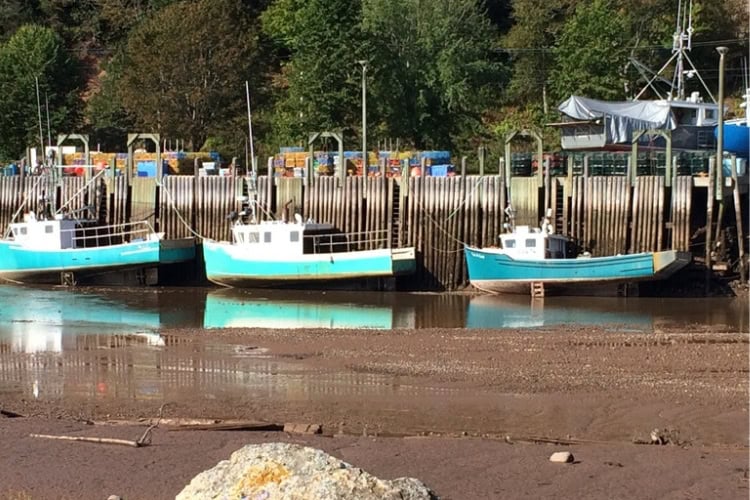
While most visitors drive directly from Halifax toward Cape Breton on Highway 104, travelers with extra time should detour onto Highway 7 along Nova Scotia’s Eastern Shore. This quieter coastal route feels wonderfully untouched and showcases a more authentic slice of maritime life.
Leaving behind the bustle of Halifax, the road begins to weave along the Atlantic Ocean, curving around rocky inlets, tidal estuaries and tranquil bays where fishing boats bob gently in sheltered harbors.
Quaint villages dot the route, many carrying wonderfully quirky names like Mushaboom, Ecum Secum, and Quoddy.
This stretch of Nova Scotia feels deeply connected to the ocean. Lobster traps stack along wharves, buoys float above oyster beds, and clam flats emerge during low tide.
It’s easy to imagine generations of fishing families making their livelihoods from these waters. The beauty here isn’t flashy. Instead, it’s quiet, windswept, and deeply peaceful.
One of the highlights along this route is Martinique Beach Provincial Park, home to the province’s longest sandy beach. The rolling dunes and crashing surf make it an ideal picnic stop or beach stroll destination.
Headlands, Villages, and Seafood Stops
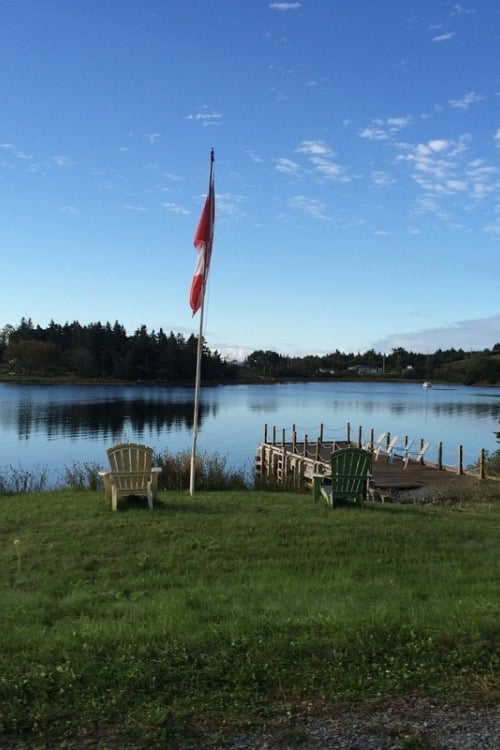
Farther along, Taylor Head Provincial Park offers hiking trails across rugged headlands with sweeping ocean views.
The living history museum of Sherbrooke Village is another worthwhile stop. Overlooking the lazy St. Mary’s River, it combines heritage charm with beautiful scenery and a slower pace of life.
Dining options along the Eastern Shore can be sparse, which only adds to the route’s remote appeal. Many travelers pack a picnic cooler filled with local cheeses, fresh bread, and Nova Scotia smoked salmon. Still, a few local gems serve memorable seafood meals.
Where to Eat on the Eastern Shore
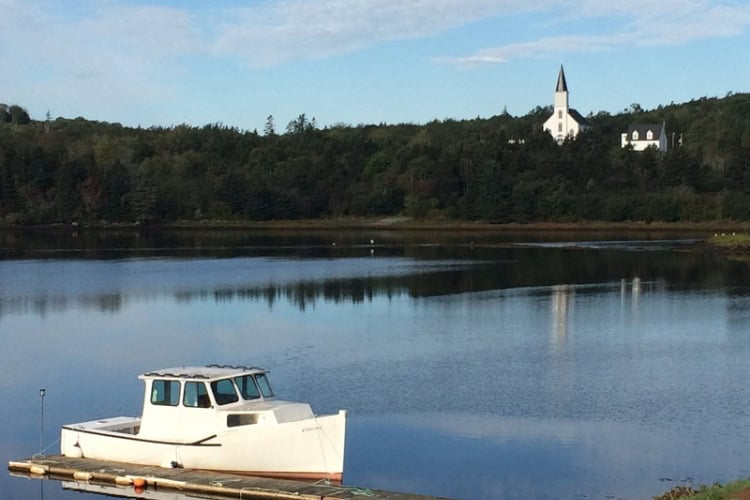
Henley House Pub and Restaurant dishes up hearty East Coast fare in the welcoming community of Sheet Harbour. Favorites include haddock cakes, battered clams, mussels in white wine sauce, and comforting pub classics.
The drive itself, however, remains the real attraction. It’s a route where travelers pull over constantly, not because guidebooks tell them to, but because the scenery demands it.
Nova Scotia’s South Shore Lighthouse Route
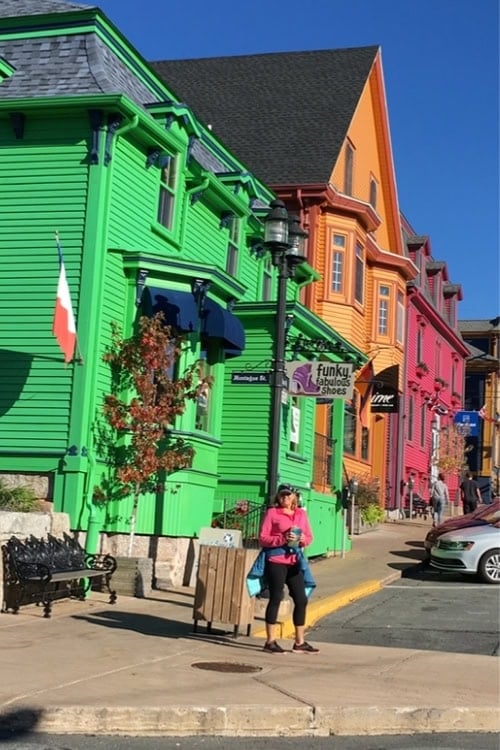
Photo by Brent Cassie
Just an hour from Halifax, Nova Scotia’s South Shore feels like stepping into a postcard. Known as the Lighthouse Route, this coastal drive follows Highway 3 through some of the province’s prettiest seaside communities, historic towns, and iconic maritime landscapes.
A perfect place to begin is Lunenburg, a UNESCO World Heritage Site celebrated for its colorful waterfront, historic architecture and rich seafaring history.
The town’s steep streets are lined with brightly painted wooden homes that resemble a giant box of crayons spilled across the hillside.
The famous Fisheries Museum of the Atlantic offers insight into Nova Scotia’s maritime heritage, while the waterfront buzzes with fishing boats, sailboats, and seafood restaurants.
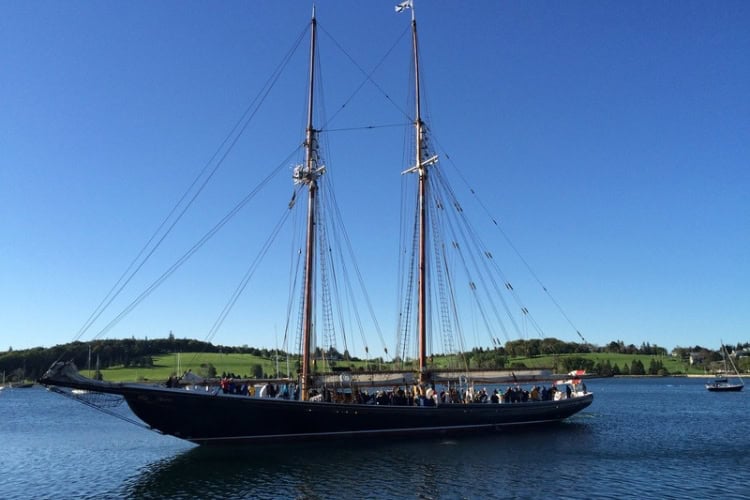
Visitors can also cruise aboard the replica of the legendary Bluenose schooner, Nova Scotia’s beloved sailing ambassador and one of Canada’s most iconic symbols.
Mahone Bay, Chester, and the Road to Peggy’s Cove
From Lunenburg, the route continues toward Mahone Bay, another impossibly charming seaside town. Boutique shops, art galleries, and historic homes line the waterfront, while the town’s famous trio of churches creates one of Nova Scotia’s most photographed scenes.
Mahone Bay is the kind of place where visitors arrive intending to stop for coffee and end up staying the entire afternoon.
Continuing along the coast, travelers reach Chester, a refined village known for sailing, kayaking and elegant seaside homes. Founded in 1759, Chester blends maritime history with laid-back sophistication. Boutiques, artisan shops, and scenic golf courses provide plenty of opportunities to linger.
The nearby ferry ride to Tancook Island offers a pleasant detour for those with extra time.
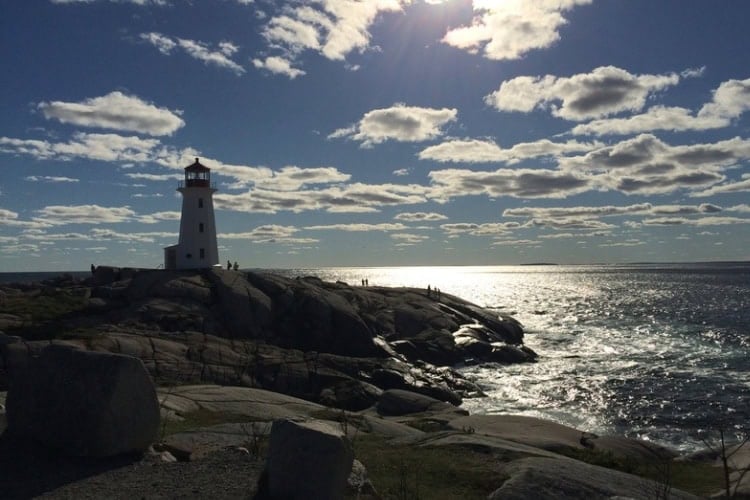
Yet no South Shore drive is complete without visiting Peggy’s Cove Lighthouse, perhaps the most iconic lighthouse in Canada. Perched dramatically atop massive granite rocks beside the Atlantic Ocean, Peggy’s Cove draws visitors from around the world.
Tour buses often crowd the area at midday, so arriving later in the afternoon offers a quieter experience and softer golden-hour light for photography.
Watching waves crash against the granite shoreline while the lighthouse stands stoically against the elements is pure Nova Scotia magic.
Where to Eat on the South Shore
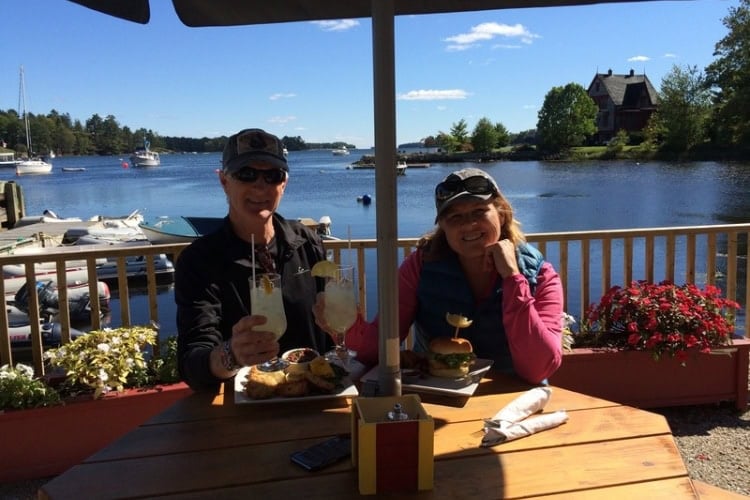
The Seaside Shanty is a quintessential East Coast seafood stop overlooking Chester Basin. Their creamy seafood chowder, loaded with lobster, scallops, and haddock, is reason enough to pull over. Pair it with ocean views and homemade biscuits and you have the perfect Nova Scotia lunch.
Driving the Legendary Cabot Trail
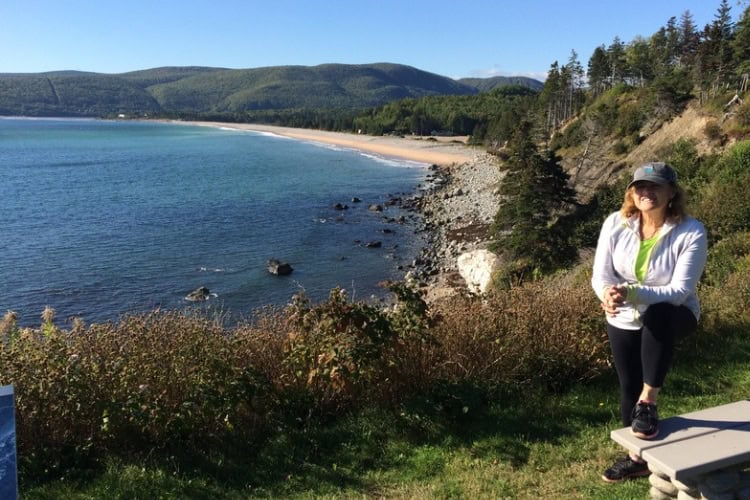
If there is one road trip that defines Nova Scotia, it is undoubtedly the Cabot Trail. Looping approximately 300 kilometers around Cape Breton Island, the Cabot Trail is widely considered one of the most scenic drives in Canada and ranks among the world’s great coastal road trips.
The route combines dramatic ocean cliffs, winding mountain roads, lush forests, whale-watching villages, and a strong Celtic heritage into one unforgettable journey.
At the heart of the drive lies Cape Breton Highlands National Park, a spectacular protected wilderness covering nearly one-third of the Cabot Trail.
The scenery shifts constantly here. One moment you’re winding through dense forests, and the next you’re gazing from towering cliffs toward the endless Gulf of St. Lawrence.
Beaches, Cliffs, and Whales: Highlights of the Cabot Trail
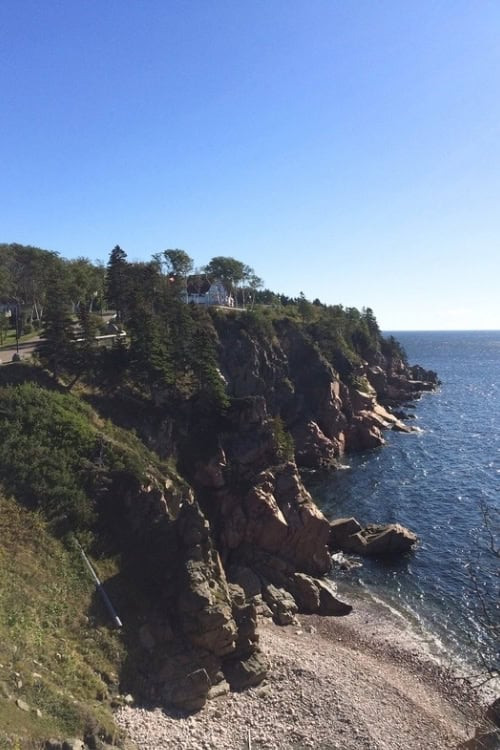
One of the first major stops along the eastern side of the trail is Ingonish, a picturesque seaside community known for its beaches, hiking, and golf.
The legendary Highlands Links Golf Course is consistently ranked among Canada’s finest golf courses, while the historic Keltic Lodge sits majestically atop a cliff overlooking the Atlantic Ocean.
Cape Breton Highlands National Park also boasts twenty-six hiking trails ranging from easy boardwalk strolls to challenging backcountry treks.
Some lead to tranquil lakes and waterfalls, while others open onto jaw-dropping coastal panoramas. The Skyline Trail is especially popular for its dramatic cliffside views and sunset photography.
As the Cabot Trail swings inland from Neil’s Harbour, scenic lookoffs appear regularly along the route. Each one seems more spectacular than the last.
Eventually, the drive reaches Pleasant Bay, often called the whale watching capital of Cape Breton Island. Boat tours here regularly spot minke whales, pilot whales, and even humpbacks during the summer months.
Farther along lies Chéticamp, a vibrant Acadian fishing village rich in French culture, colorful homes, and fresh seafood.
Then comes the lush river valley of Margaree, famous for salmon fishing and home to the province’s oldest fish hatchery. Every corner of the Cabot Trail reveals another reason to pull over.
Best Coffee Stop on the Cabot Trail
Danena’s Bakery and Bistro is a beloved stop for travelers in need of coffee, homemade pastries and hearty baked goods before continuing along the trail. Fresh cinnamon buns and buttery pastries disappear quickly here for good reason.
Why Nova Scotia Is Made for Road Trips
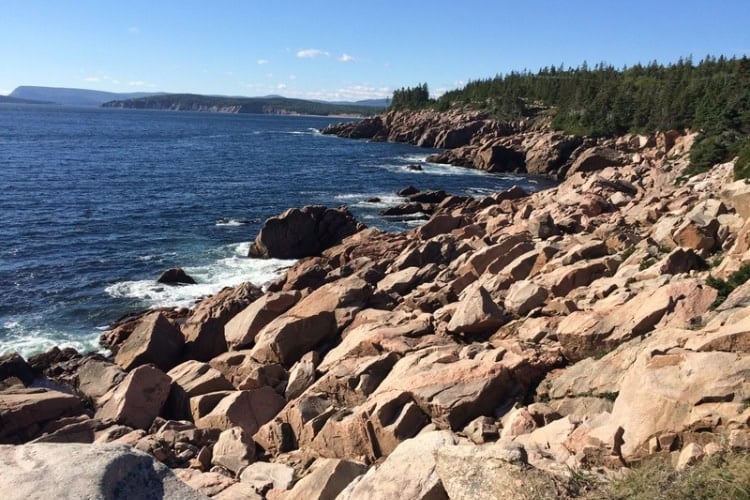
What makes Nova Scotia so special isn’t simply the scenery, although there is plenty of that. It’s the combination of rugged natural beauty, fascinating maritime culture, and warm East Coast hospitality that makes exploring this province by car so rewarding. In Nova Scotia, the journey truly becomes the destination.
Whether you’re winding beside the Atlantic along the Eastern Shore, photographing colorful fishing villages on the South Shore, or conquering the legendary Cabot Trail, these scenic drives reveal the very best of Atlantic Canada.
Chances are, long after you return home, you’ll still be dreaming about salty sea air, crashing waves, and those endless coastal roads.
If You Go
Best Time to Visit: Late spring through early fall offers the best driving conditions and weather. September and early October are particularly beautiful, with fall colors beginning to emerge and fewer crowds.
Getting There: Most visitors begin their Nova Scotia road trip via Halifax Stanfield International Airport. When it comes to booking flights, CheapOAir searches hundreds of airlines at once to find the best fares into Halifax — worth checking early, especially for summer travel.
Distances
- Halifax to Lunenburg: approximately 1.5 hours
- Halifax to Peggy’s Cove: approximately 45 minutes
- Halifax to Ingonish (Cabot Trail): approximately 5 hours
Where to Stay on the Cabot Trail: Keltic Lodge at the Highlands is the most storied address on the Cabot Trail, a clifftop resort in Ingonish Beach with direct access to the Highlands Links Golf Course, hiking trails, and sweeping Atlantic views. Open seasonally from mid-May through October.
Tours: For the South Shore, the Peggy’s Cove and Lunenburg Small-Group Tour departs Halifax and covers both iconic destinations in a single day, with a local guide and hotel pickup included. For the Cabot Trail, the Cabot Trail Discovery Tour is a well-reviewed full-day drive through Cape Breton Highlands National Park with small-group access to the trail’s most dramatic coastal and mountain scenery.
Travel Insurance: Nova Scotia is easygoing, but trip delays and medical costs abroad can add up quickly. SafetyWing offers flexible, affordable travel medical coverage, or compare policies at Squaremouth to find the right fit before you go.
Tourism Information: Tourism Nova Scotia
Need a hand planning your trip? Here are the sites and services we rely on most, from booking tools to travel products we love.
Inspire your next adventure with our articles below:
- Circling Newfoundland: A 12-Day Expedition by Sea
- 15 Fun Facts About New Brunswick, Canada That Will Get You Planning a Visit
Author Bio: Since 1996, while freelancing, Jane Cassie has had thousands of articles published. Her stories have appeared in CNN Magazine, Northwest Travel, New York Daily News, Chicken Soup For The Soul, Dreamscapes, Air Canada In-flight, Cottage Life, Epicure and Travel, just to name a few. She has been a regular contributor to Spa Life, INNspire, North American Inns Magazine, Cottage, and Inspire Magazines.
Want to discover more hidden gems and helpful travel tips? Join our free newsletter for the latest travel secrets and travel articles.
We are reader-supported and may earn a commission on purchases made through links in this article.

- Bonaire, Savored Slow: Cactus Liqueur, Caviar, Donkeys and Shore Diving - October 23, 2026
- Two Colorado Hot Springs Worth the Drive from Denver - October 23, 2026
- Is 55 Too Young for a River Cruise in Europe? - October 23, 2026
Planning another trip soon? ✈️
Add GoWorldTravel.com as a preferred source on Google. Click the button below so our local guides, packing hacks, and hidden-gem itineraries always show up first when you search!
Add to Preferred Sources