
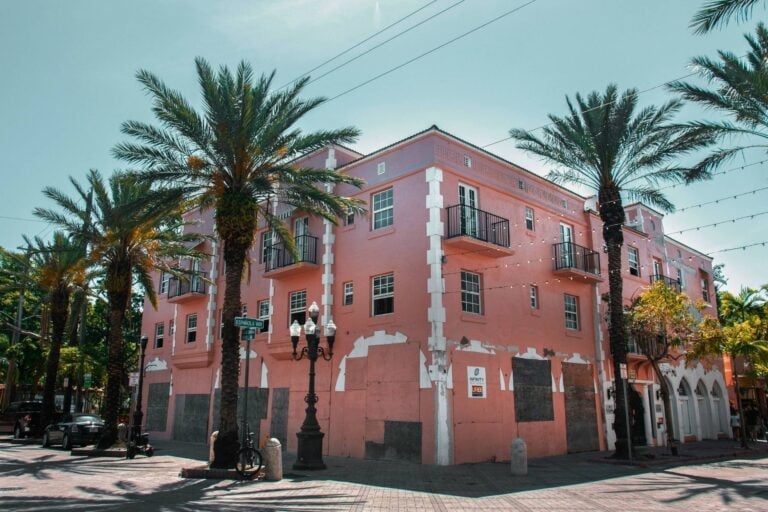
Miami is famous for its beaches and luxurious life, but some of the city’s most unforgettable experiences happen far from the coastline. Little Havana offers travelers a completely different side of Miami — one filled with Cuban culture and local traditions that continue shaping the neighborhood every day.
Walking through Little Havana feels less like visiting a tourist attraction and more like stepping into the cultural heart of the city. The streets are filled with music and nearly every corner has its own personality. We gathered a list of the best things to do in Little Havana to help make your day in Miami special. Let’s begin.
1. Capture the Colorful Streets of Little Havana
Little Havana is one of the most visually vibrant neighborhoods in Miami. Murals, vintage storefronts, cigar shops, old signs, and musicians performing in the streets create endless opportunities for memorable travel photography.
Walking through the neighborhood with a camera often leads to unexpected moments. One street may feel quiet and cinematic, while another is filled with live music and dancing.
“Little Havana is lively 24 hours a day, but I usually recommend taking photos either in the morning or after 6 p.m.,” says Daria Koso – Miami photographer. “The light feels softer at those times, and this spot becomes even more atmospheric in the evening. The music and street lights give the area a very special character.”
2. Walk Along Calle Ocho
Calle Ocho is the cultural heart of Little Havana and the best place to experience the Cuban vibe. Walking without a strict plan is often the best way to explore the area. Visitors regularly discover live Latin music and small coffee windows serving cafecito.
Travelers interested in cigar culture can also visit Casa Habano to learn how traditional cigars are handmade using techniques passed down through generations. Tours usually start at around $35 per person.
The energy of Calle Ocho changes throughout the day, but the street always feels lively and deeply connected to the local community.
3. Watch the Domino Players at Maximo Gomez Park
Maximo Gomez Park, better known as Domino Park, has been one of Little Havana’s most famous gathering places for more than 40 years. Local residents come here daily to play dominoes, discuss politics, and drink Cuban coffee.
Only official club members are allowed to play at the tables, so tourists usually watch from the sidelines. Still, that quickly becomes part of the experience. And many players enjoy having an audience gathered around the tables.
For visitors, Domino Park offers one of the most authentic glimpses into everyday life in Little Havana and a chance to experience the strong community spirit that still defines the neighborhood today.
4. Try Authentic Cuban Coffee and Pastries
Cuban coffee culture is part of everyday life in Little Havana, and some of the neighborhood’s best experiences happen at small walk-up cafés.
One of the most popular spots is Versailles Restaurant, where travelers often stop for a strong Cuban espresso served for around $3. The outdoor coffee window stays busy almost all day, especially in the morning and early evening.
Another local favorite is La Colada Gourmet, known for its smooth cortaditos and pastelitos filled with guava and cream cheese, usually priced between $4 and $6. For visitors looking for a more traditional bakery, Azucar Ice Cream Company is also worth visiting after coffee for Cuban-inspired desserts and ice cream flavors like Abuela Maria.
In Little Havana, coffee breaks rarely feel rushed. People gather outside cafés to talk, play music, and slow down for a while.
5. Visit a Traditional Cigar Shop
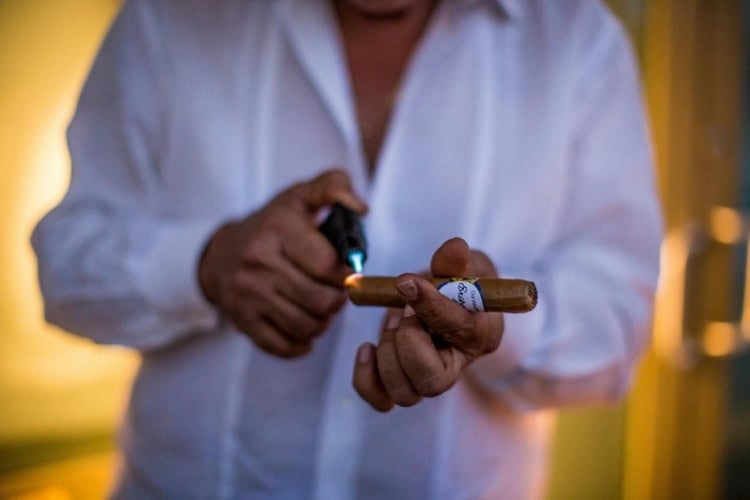
Already 21? Little Havana is one of the best places in Miami to experience traditional Cuban cigar culture.
Cigar Factory Miami and Little Havana Cigar Factory allow visitors to watch experienced cigar rollers work directly inside the store. Fresh hand-rolled cigars usually start around $10 to $15, while premium varieties can easily cost $30 or more.
Even travelers who do not smoke often stop to watch the rolling process. You can ask questions about tobacco leaves and learn why cigar making remains such an important part of Little Havana’s culture.
6. Experience Live Latin Music
Music is everywhere in Little Havana. Salsa, jazz, reggaeton, and traditional Cuban rhythms fill restaurants, bars, sidewalks, and outdoor patios throughout the day and long into the evening.
Some venues feature professional live bands, while other performances happen spontaneously in the streets. It is common to see people dancing outside restaurants after hearing music from a nearby patio or open-air venue.
The music gives the neighborhood much of its emotional energy. Even guests who arrive without plans often end up staying longer simply because the mood feels impossible to leave.
7. Explore the Neighborhood’s Street Art
One of the best-known spots is the mural outside the Cubaocho Museum & Performing Arts Center, where visitors can see large-scale Cuban-themed artwork, vintage Havana aesthetics, and classic Latin influences, making it a popular photo spot on Calle Ocho.
Travelers should also walk near the famous Bay of Pigs Memorial Park area, where several murals reflect Cuban history, immigration, and political identity. Many of these works were created by local artists connected to the Cuban-American community.
Some of the best street art in Little Havana is hidden away from the busiest tourist areas. Small side streets near Calle Ocho often feature painted cigar shop walls, colorful portraits, and old-fashioned Miami signs, making the neighborhood especially popular with photographers and content creators.
8. Taste Cuban Cuisine Beyond the Tourist Spots
Family-owned restaurants throughout the neighborhood continue serving traditional dishes that have remained part of Cuban culture for generations.
Budget-friendly El Pub Restaurant is popular for classic Cuban comfort food, including ropa vieja, black beans and rice, and vaca frita. Most meals here cost between $12 and $18. Another local favorite is Old’s Havana Cuban Bar & Cocina, where travelers often order Cuban sandwiches and fried plantains. Main dishes typically range from $18 to $30.
For travelers looking for a more upscale experience, Cafe La Trova has become one of Little Havana’s best-known restaurants and cocktail bars. The restaurant combines modern Cuban cuisine with live music and classic Havana-inspired interiors. Entrées usually range from $25 to $45, while signature cocktails often cost around $18.
9. Visit During Viernes Culturales
Travelers visiting on the last Friday of the month can experience Viernes Culturales, one of Little Havana’s most vibrant community events. The neighborhood fills with artists, musicians, dancers, food vendors, and cultural performances celebrating Cuban and Latin traditions.
The event transforms the streets into an open-air festival filled with live entertainment and local energy. Art galleries stay open late, restaurants become crowded, and music spills into nearly every part of the neighborhood.
For many guests, Viernes Culturales offers one of the best opportunities to experience Little Havana at its most lively and authentic.
10. Slow Down and Enjoy the Atmosphere
One of the best things to do in Little Havana is also the simplest: slow down. Sit outside a café, listen to live music drifting through the streets, or spend time simply observing the rhythm of the neighborhood.
Unlike many tourist-heavy parts of Miami, Little Havana still feels deeply connected to local traditions and community life. The neighborhood rewards visitors who take their time rather than rushing between attractions.
That atmosphere is what makes Little Havana unforgettable. Long after visitors leave Miami, many remember not only the places they saw, but the feeling of the neighborhood itself.
Want to discover more hidden gems and helpful travel tips? Join our free newsletter for the latest travel secrets and travel articles.
We are reader-supported and may earn a commission on purchases made through links in this article.

- A Small-Ship Mediterranean Island-Hopping Cruise From Barcelona to Rome - October 8, 2026
- 10 Essential Tips for Surviving Major Flight Disruptions - October 8, 2026
- Slow Down on Corfu: A Perfect Day at Kontogialos Beach - October 8, 2026
Planning another trip soon? ✈️
Add GoWorldTravel.com as a preferred source on Google. Click the button below so our local guides, packing hacks, and hidden-gem itineraries always show up first when you search!
Add to Preferred Sources