
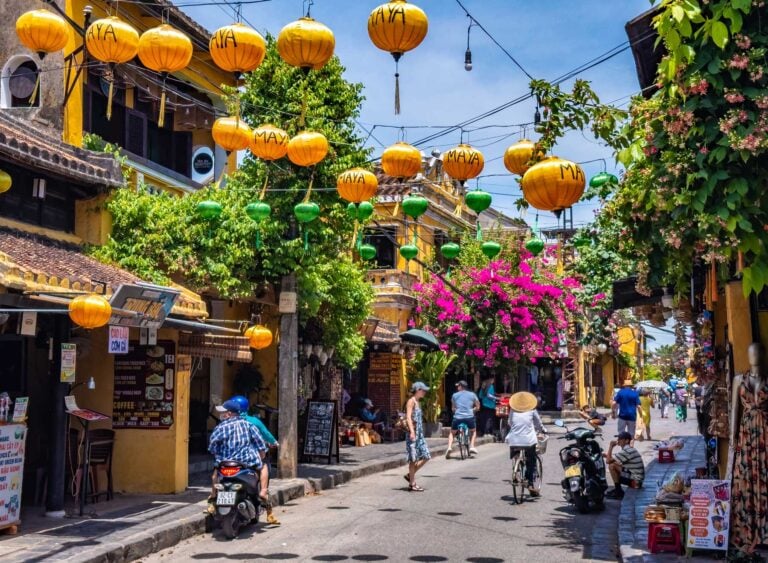

Hoi An is one of those places that makes me especially proud to be Vietnamese. Most visitors fall for its lanterns first, and I understand why. At dusk, silk colours glow against mustard-yellow walls, wooden boats drift along the Thu Bon River, and the whole town seems to soften under the evening light.
But when I think of Hoi An, I think of much more than that famous postcard view. As a Vietnamese traveller, I want to share Hoi An as I would if you were visiting for the first time. I’ll tell you where to slow down, what to taste, and how to see beyond the busiest photo stops.
If you can, give the town at least two unhurried days. Walk early, arrive hungry and leave a little room for the detours you did not plan.
Best Time to Visit Hoi An
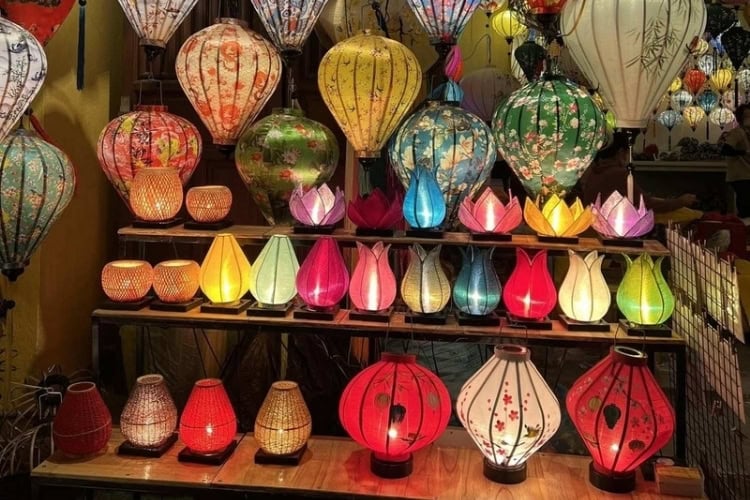
For most travellers, March through May is the sweet spot. The days are generally bright, the heat is more manageable than in high summer, and the countryside around Hoi An looks fresh and green. If a friend asked me when to go, this is the period I would recommend first.
June through August can also be lovely; however, the midday heat can be intense. From September through January, Hoi An shows a moodier side. Rain, tropical storms and occasional flooding are part of life in Central Vietnam, so check the forecast and choose flexible bookings.
If your dates align with the 14th day of the lunar month, you may catch Hoi An’s lantern festival. The old streets look magical, but this is also one of the busiest times to visit. My tip is simple: enjoy the festival at night, then return before 8 a.m. the next morning to meet a quieter, more intimate Hoi An.
Getting There From Da Nang
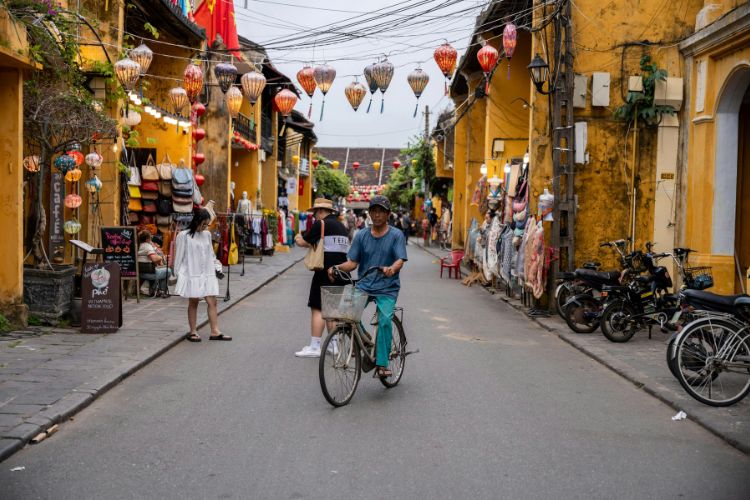
Most international visitors arrive at Da Nang International Airport and continue south by pre-booked car, hotel transfer, taxi or shared shuttle. The journey usually takes around 45 minutes, depending on traffic.
If your flight lands late, I recommend arranging a private transfer from Da Nang Airport before arrival, with a driver waiting inside the arrivals hall holding your name, so you can avoid negotiating transport while tired and carrying luggage.
Once you arrive, you are unlikely to need a car. The Ancient Town is best explored on foot, while a bicycle is ideal for the flat routes towards Tra Que Vegetable Village, Cam Thanh and An Bang Beach.
I love this slower way of moving around because you notice far more: a small temple, a roadside food stall or a narrow lane disappearing between rice fields.
Hoi An Beyond the Obvious
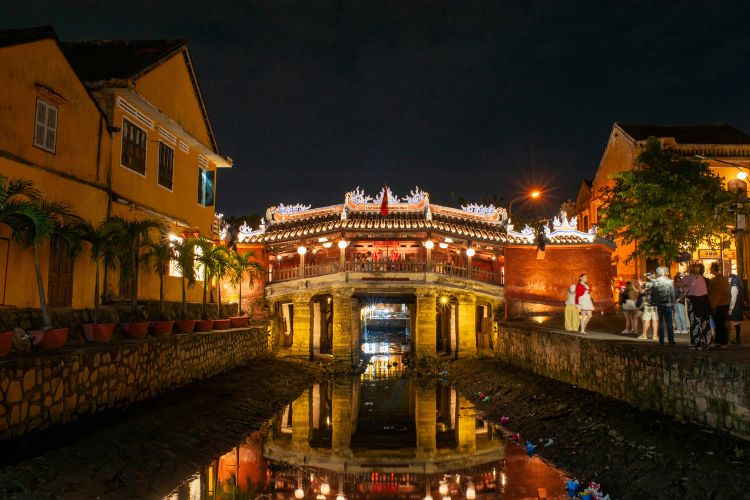
Start in the Ancient Town, but look beyond the lantern shops. Hoi An flourished as an international trading port between the 15th and 19th centuries, shaped by Vietnamese, Chinese and Japanese communities.
That history still lives in its street plan, timber shophouses, assembly halls and places of worship, which form part of its UNESCO World Heritage identity.
The Japanese Covered Bridge is the landmark everyone wants to see, and it deserves a visit. Then wander along Tran Phu Street and turn into one of the quieter lanes near the river.
Look closely and you may notice faded wooden doors, incense rising from family altars and shopkeepers preparing for the day.
For a change of scenery, cycle to Tra Que Vegetable Village in the morning. Its herb gardens and peaceful lanes reveal a greener side of Hoi An, away from the ochre façades of the centre.
Later, head to An Bang Beach for a swim if conditions are safe, followed by an easy dinner near the sea.
At night, the riverside becomes lively with lanterns, boats and food stalls. Take in the atmosphere, but do not feel you need to accept every experience offered to you. Personally, I would choose a slow walk, a cold drink and a quiet seat beside the water over trying to fit everything into one evening.
What to Eat in Hoi An
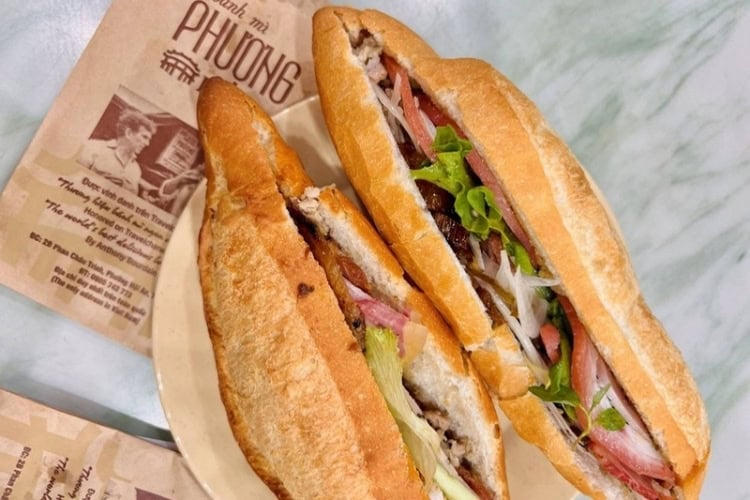
For me, food is one of the best ways to understand Hoi An. The local dishes reflect the flavours of Central Vietnam, but they also carry traces of the town’s long trading history. Come hungry, because this is not a place I would recommend settling for familiar international food, and if you want to learn a few of these dishes yourself, this small-group cooking class pairs a market visit and a basket boat ride through the coconut palms with a hands-on lesson, cao lầu included.
Begin with cao lầu, Hoi An’s signature noodle dish. Thick, chewy noodles are served with sliced pork, fresh herbs, bean sprouts, crispy crackers and a small amount of savoury sauce. It is not a noodle soup, and that contrast between softness, freshness and crunch is exactly what makes it so satisfying.
Next, try bánh bao bánh vạc, often called white rose dumplings. These delicate steamed parcels are usually filled with shrimp or pork, then topped with fried shallots and served with dipping sauce. They look elegant, but the flavour is wonderfully comforting.
If you see hoành thánh, Hoi An-style wontons, add those to the table too. One popular version is fried until crisp and covered with a bright tomato-based sauce. It is the kind of dish made for sharing, although I would happily finish a plate on my own.
For breakfast, look for mì Quảng, a Central Vietnamese specialty with turmeric-tinted noodles, herbs, peanuts and just enough broth to coat the ingredients.
Later, pick up a bánh mì from a busy neighbourhood stall. Famous shops can be fun, but I usually trust a short menu, a steady line of local customers and bread filled to order.
What to Buy in Hoi An
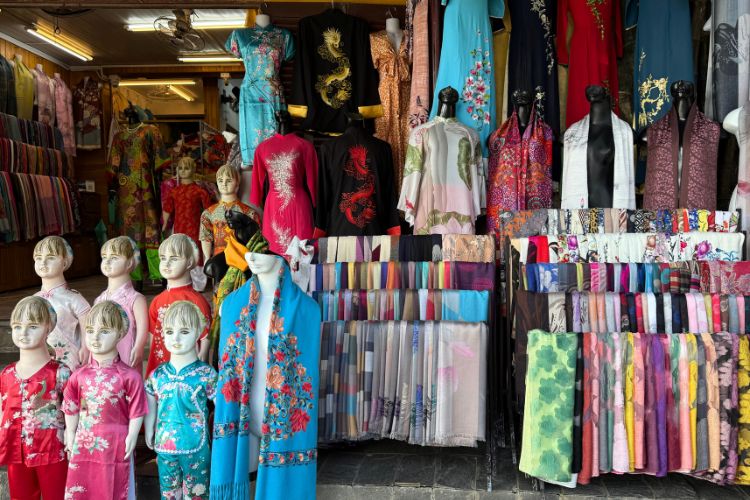
Hoi An is famous for tailoring, and having something made can be a memorable part of your trip. Bring clear reference photos, choose a garment you will genuinely wear and allow time for at least one fitting.
For smaller gifts, consider foldable silk lanterns, locally made ceramics, Vietnamese coffee, or woven goods. I find souvenirs more meaningful when I know who made them or understand the story behind the craft.
Some market stalls sell similar mass-produced items, so take your time before buying. Bargaining is common, but keep it friendly and respectful.
If You Go
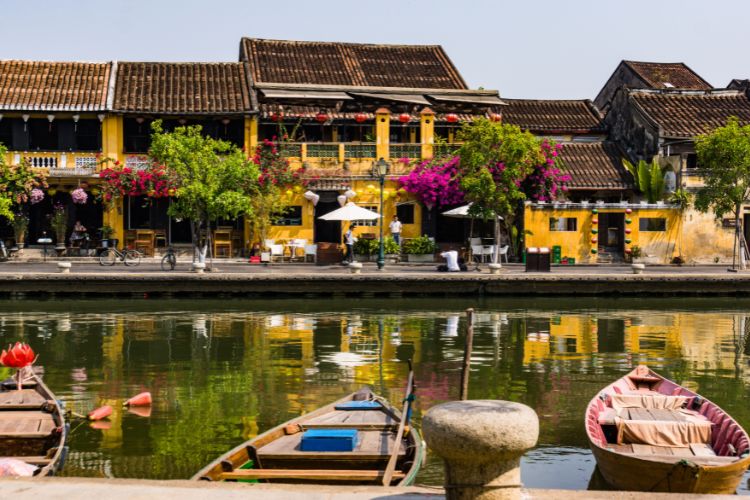
Image by vermontalm from Getty Images via Canva
- Stay near the Ancient Town if you want to explore early and walk home after dinner. Choose the An Bang area if you prefer a quieter beach rhythm and do not mind cycling or taking a short ride into town.
- Dress modestly when entering temples and assembly halls, cover your shoulders where appropriate, and speak quietly around altars. Remember that Hoi An is a living heritage town, not an open-air museum.
- Before travelling, check the Hoi An World Heritage portal for events and attractions, and browse Go World Travel for more Vietnam travel guidance.
Where to Stay
- In the Ancient Town, Hoi An Historic Hotel puts you a short stroll from the market and the Japanese Covered Bridge. It has leafy garden grounds, an outdoor pool and complimentary bicycles for early rides out to Tra Que.
- Near the sea, Sol An Bang Beach Resort & Spa sits a few minutes’ walk from An Bang Beach. It has a private beach area, an outdoor pool and bicycle rental for the flat ride into town.
Getting There
Da Nang International Airport is the closest airport to Hoi An. This private transfer meets you inside the arrivals hall and drops you at any hotel in Hoi An, including the Ancient Town and beach areas.
Tours and Experiences
This small-group cooking class is an easy way to fill a morning or afternoon. It combines a local market visit, a basket boat ride through the coconut palms and a hands-on lesson that ends with a shared meal.

Travel Essentials
- Stay connected from the moment you land with an Airalo eSIM for Vietnam, which you can set up before you leave home.
- Travel insurance is worth having in Central Vietnam, especially between September and January, when storms and flooding can disrupt plans. Compare policies on Squaremouth or look at SafetyWing for flexible coverage on longer trips.
Need a hand planning your trip? Here are the sites and services we rely on most, from booking tools to travel products we love.
Inspire your next adventure with our articles below:
- Ninh Binh: Vietnam’s Forgotten Landscape of Rivers, Mountains and Mist
- Ultimate Guide to the Top 15 Things to Do in Vietnam
Author Bio: Huyen Tran is a curious traveler with a lifelong passion for exploring the world. She loves telling travel stories through words and photographs, capturing the spirit of every place she visits. You can find more of her journeys on Tiktok.
Want to discover more hidden gems and helpful travel tips? Join our free newsletter for the latest travel secrets and travel articles.
We are reader-supported and may earn a commission on purchases made through links in this article.

- Bukhara, Uzbekistan: The Silk Road City Where History and Art Thrive - October 20, 2026
- Hoi An, Vietnam: A Local’s Guide to the Ancient Town, An Bang Beach and Must-Try Dishes - October 20, 2026
- Why Cape Town’s Kloof Street Was Ranked the Coolest Street in Africa - October 20, 2026
Planning another trip soon? ✈️
Add GoWorldTravel.com as a preferred source on Google. Click the button below so our local guides, packing hacks, and hidden-gem itineraries always show up first when you search!
Add to Preferred Sources