

“Cover your ears,” the man advised. “This is going to be loud.”
He wasn’t joking. Thunder boomed across the room as three single beams of light stretched toward the ceiling and zapped three huge balls of foil. The air filled with the strange smell of ozone, and the crowd seemed stunned. Then they began to cheer, and several young viewers jumped up and down with delight, my children included.
It was just the kind of response that the innovative Museum of Science was hoping for. The simulated lightning demonstration had brought science to life.
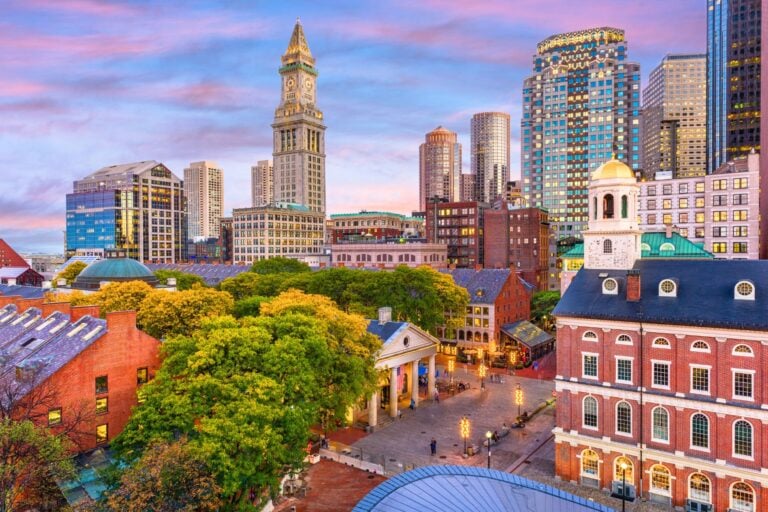
It’s not often that a destination delights both youngsters and their parents, but Boston fits the bill. This city, with a population of more than 650,000, located on America’s east coast, some 245 miles (394 km) north of New York City, is rich in history and cultural attractions.
The Museum of Science is just one of the dozens of places here that entertain and educate young and old alike.
Getting Around Boston
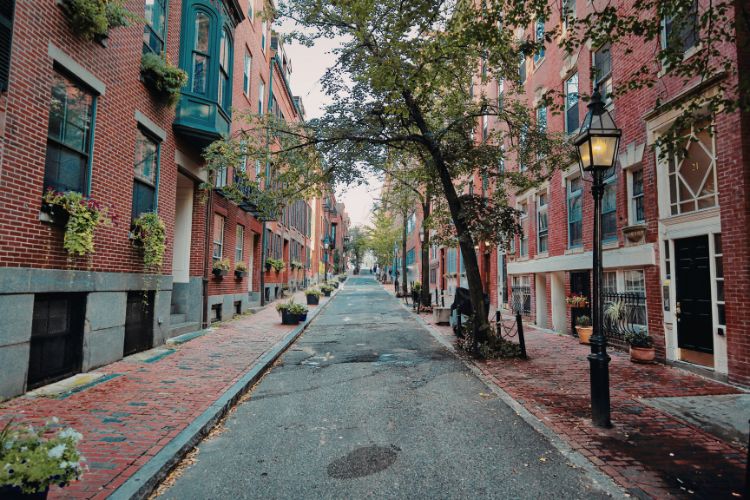
There is one thing you should know before you start planning your family trek to Beantown: getting around by car can be a headache. Boston’s streets are famously narrow and winding, many of them laid out long before the automobile existed, and navigating them with arguing kids in the backseat is not fun. Trust me on this.
My advice? Ditch the rental car (or don’t rent one except on the days you want to see sites outside of town) and take the public transportation system. The “T” (subway system) and buses are clean, efficient, and easy to use.
Your best bet is to get an MBTA LinkPass. Available in 1-day ($11) or 7-day ($22.50) options, it includes unlimited travel on the subway and local buses. You can purchase the pass at any subway station. Be sure to pick up a good walking map while you’re there, because most of the town’s most famous sites are best viewed on foot.
If you’re going to do some sightseeing, consider buying either the Boston CityPass or the Go City Boston Pass. The CityPass gets you into four of the city’s most popular attractions for $84 (kids ages 3–11 are $72) and is valid for 9 days, a strong value given what individual admissions would cost.
The Go City Boston Pass comes in two formats: an All-Inclusive Pass (1–7 days of unlimited access to 40-plus attractions) or an Explorer Pass (choose 2–5 attractions at your own pace). Both can save you significant money over paying at the door.
Parks and Family Fun
Many American children know Boston from the beloved children’s book Make Way for Ducklings by Robert McCloskey. The tale is about a family of ducks who live in Boston’s Public Garden, so the Garden was the very first thing our kids wanted to see.
Established in 1837, the Public Garden is the oldest public botanical garden in the country. But our kids weren’t impressed by that, or even by the gorgeous flowers and lush green trees. They were there for a ride on the Swan Boats and to see the famous duckling statues.
We boarded a swan paddleboat and were treated to a delightful tour of the lake. The Paget family has been operating the boats for more than a century, and they aren’t about to change anything now. And why should they? From the line we saw, it’s obviously a favorite Boston pastime, along with the duckling statues at the very front of the park.
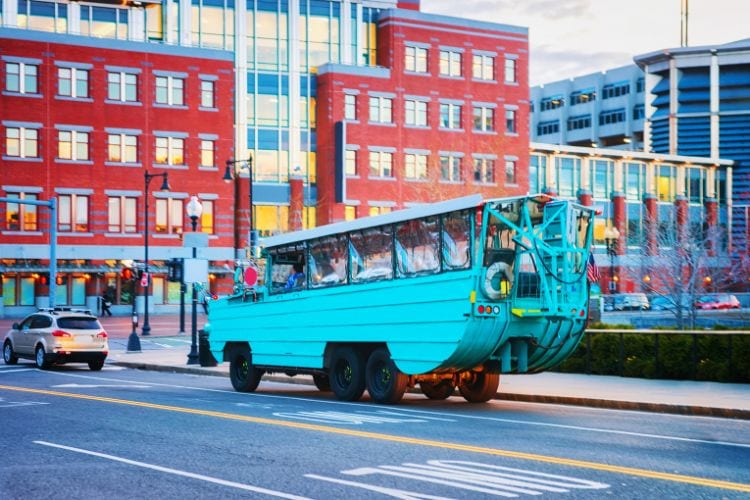
Speaking of winged fowl, Boston Duck Tours offers one of the best ways for kids and their parents to tour Beantown. In what other tour can you drive a huge military vehicle through town and then turn into the Charles River for a tour from the water?
The tour company uses refurbished WWII amphibious landing vehicles, and they are a huge hit with kids. Sure, the boats may look a little silly, but the Duck Tour drivers are knowledgeable and funny. It’s a good combination if you’re 10 and being driven around to see historical sites that will, no doubt, show up on one of your history tests one day.
Guests under 12 are often allowed to “drive” while the boat is in the river, and our 6-year-old proudly steered the “duck” down the Charles River in a ride we will never forget.
Boston’s Famous Food Scene
Yet the Duck Boat Tour still didn’t answer the one burning question we had been mulling over all week: why exactly was Boston nicknamed “Beantown?”
We finally learned the answer over a bowl of Boston Baked Beans at a classic New England restaurant near Faneuil Hall. A weathered waitress with a thick Boston accent explained that this was the dish that put Boston’s cuisine on the map.
Once a regular Saturday night supper in many local homes, Boston Baked Beans, navy beans, salt pork, and molasses, are still a local favorite, and folks around here get mighty picky about what constitutes the real thing.
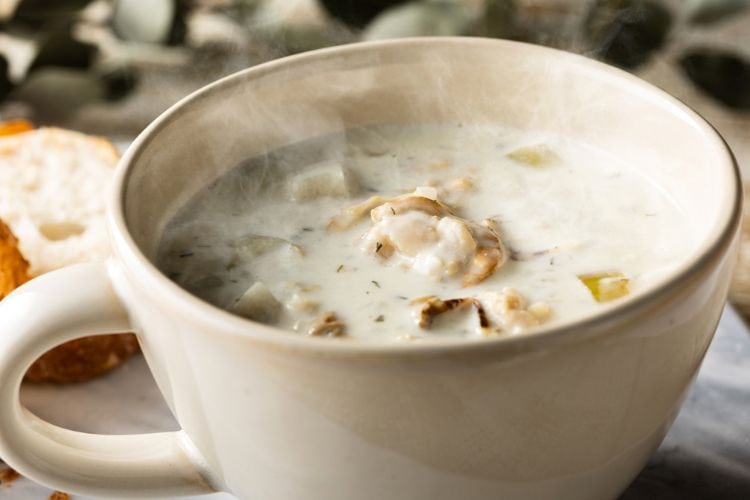
While legumes are nice, we preferred another Boston staple: seafood.
You can’t walk five minutes in downtown Boston without running into some kind of good restaurant. And while every kind of cuisine is represented here in Beantown, large numbers of Irish, Portuguese, and Italian immigrants settled in Boston, our landlocked family was on a quest for seafood. Discovering excellent seafood restaurants soon became one of our favorite Boston activities.
Our favorite find was the Union Oyster House, which specializes in Yankee-style seafood and lobster. Established in 1826, it claims to be America’s oldest continually operating restaurant, and it certainly looks the part, with dark hand-hewn rafters and an English-style pub atmosphere. The place is filled with the happy sounds of conversation and the rich smell of lobster cooked in a half-dozen ways.
With its central location near Faneuil Hall, the restaurant is popular with tourists, but locals like it just as much. It was a favorite hangout for former President John F. Kennedy before he took up residence in the White House.
We were lucky enough to sit in booth #18, the former president’s favorite spot. I couldn’t help but run my hand over the table, worn and dinged-up over the years, and wonder about this man who died before I was even born, yet whose legacy is still treasured here in New England.
History Comes Alive
Boston also treasures its seafaring tradition, so it’s only natural that it should have one of the country’s top aquariums. We chose to visit the New England Aquarium on the one rainy day of our visit, and it was the perfect salve for the gray weather. (There’s no easy way to say this: Boston can be really COLD in the winter, but it’s gorgeous in the spring, summer, and fall.)
While the rain pounded outside, we held horseshoe crabs and starfish and ogled over sharks and turtles and hundreds of other creatures in the huge ocean tank.
But the best part of Boston is its history: this is one of the places where America, the idea of it, anyway, was conceived and created.
Settled by British colonists well over two centuries ago, the local mood soon turned to independence. Bostonians had minds of their own (some things haven’t changed), and decided that Britain should leave them alone.
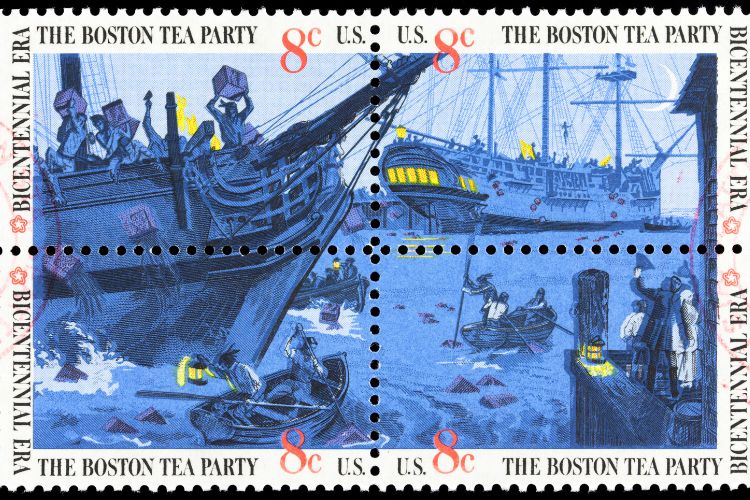
When the British government taxed the colonists and their tea, Bostonians dumped that tea during the infamous Boston Tea Party. That was only the beginning.
The Rebels envisioned a land of their own, a dream that ultimately paid off, and they planned their fight with the British from right here in Boston.
Walking the Freedom Trail
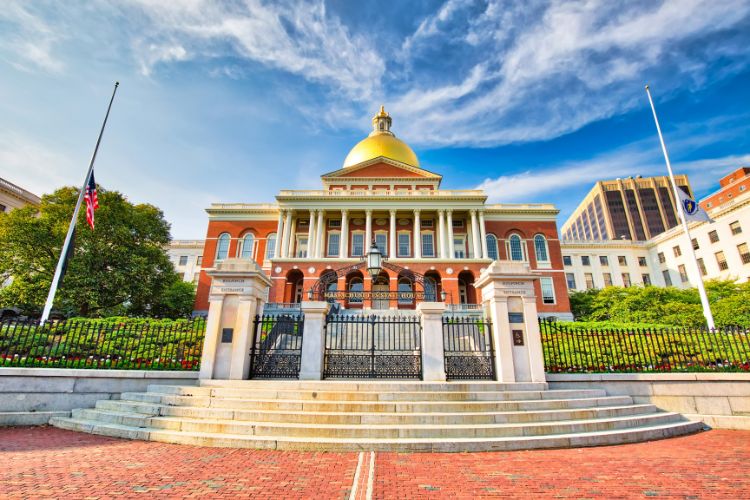
To share this exciting period of American history with our kids, we spent a day following the Freedom Trail.
This 2.5-mile red brick trail weaves through Boston past 16 important historic sites, including the Granary Burying Ground, where Paul Revere, Samuel Adams, and John Hancock are buried, the Old South Meeting House, and Bunker Hill.
Our favorite stop was the Old State House, where the Declaration of Independence was first read from the balcony. Built in 1713, it’s now a museum that offers several films and interactive exhibits. (Strangely enough, there is also a train station in the lowest level of the building, and every so often, the walls rumble.)
Another point along the path is Faneuil Hall. Built as a market in 1742, the Rebels often met here to plan their war. Today, the hall is overflowing with food stalls, restaurants, and little shops. The square out front seems to be a favorite place for impromptu street performers.
A Day Trip to Plymouth
As much as there is to do in downtown Boston, you’d be missing out if you didn’t take your family on a side trip to Plymouth, Massachusetts, just outside of Boston.
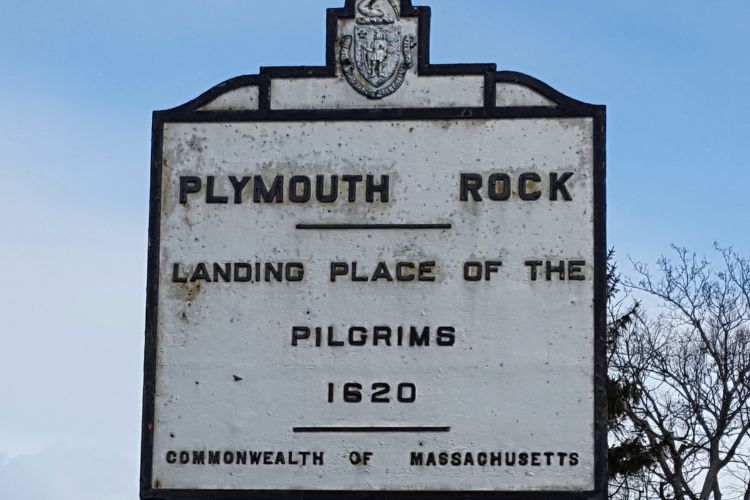
This is the town Americans remember from third-grade history class. It was here that the Pilgrims first set foot on Plymouth Rock, and where they fought to survive those first cold winters, and then later celebrated the harvest with the Native Americans in a feast we now know as Thanksgiving.
Visiting Plymouth feels like stepping into the past. While Boston has grown into an ever-pulsing metropolitan city, Plymouth still remains a slow-paced village with small-town streets and a small-town feel.
Classic New England homes with wood-shingled sides and angular roofs line the unhurried streets, and fishing boats are anchored in the coves.
Plimoth Patuxet Museums and the Mayflower II
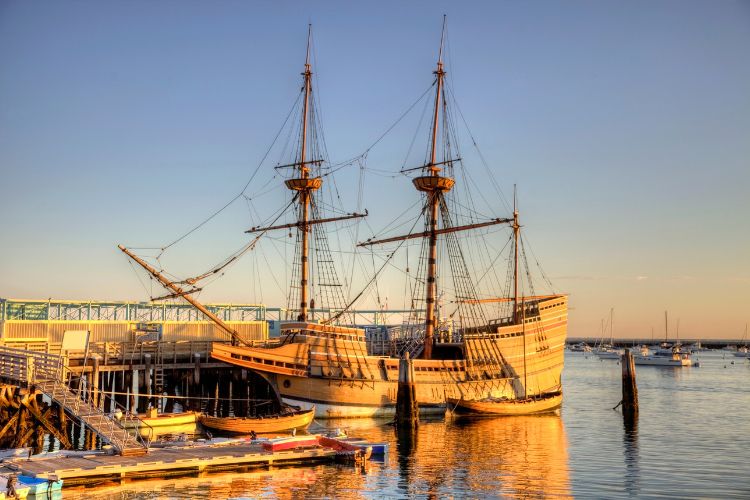
Located about 45 miles (72 km) from Boston, the main attractions in Plymouth are Plimoth Patuxet Museums and the Mayflower II. These well-run living-history museums, all part of the same organization, immerse visitors in the past.
We visited a fully functioning pilgrim settlement, where we chatted with a “pilgrim” working in his field and met several others cooking or gardening in their homes. At the Wampanoag homesite, we watched a young man fish and learned all about their daily lives.
From there, we went to the Mayflower II, a replica of the tiny ship that brought the Pilgrims from England to America. We spent over an hour talking with the “crew and passengers.” It made for an educational and entertaining day.
And yes, you can still view the famous Plymouth Rock, where the Pilgrims allegedly first set foot on North America, but don’t expect much.
“Is that it?” my oldest queried as we stared at the small boulder encased under a protective monument. Sure enough, the rock isn’t very impressive, but it’s the idea that counts. After all, this nation didn’t look like much back then, either.
But there is more to Plymouth than historical sites. Our two youngest took up piracy on a Pirate Adventure offered in the area. Young guests are given proper pirate gear and then go out on a quest for treasure.
My favorite stop, though, was for ice cream and a live demonstration at the historical Jenny Grist Mill. I guess we all have our vices.
By the time we had finished enjoying Plymouth, our vacation time had run out. Fortunately, there is more to do in the Boston area than a family could ever do on a single visit. That leaves us a reason to go back, which I’m sure we will.
Where to Stay
Four Seasons Hotel Boston: Right across from Boston’s Public Garden, the Four Seasons is both a classy establishment and a place where kids can feel at home, often a rare combination. Children receive a warm welcome and their needs are taken into consideration. There are ongoing family travel packages and romantic getaway options for weary parents who need a break.
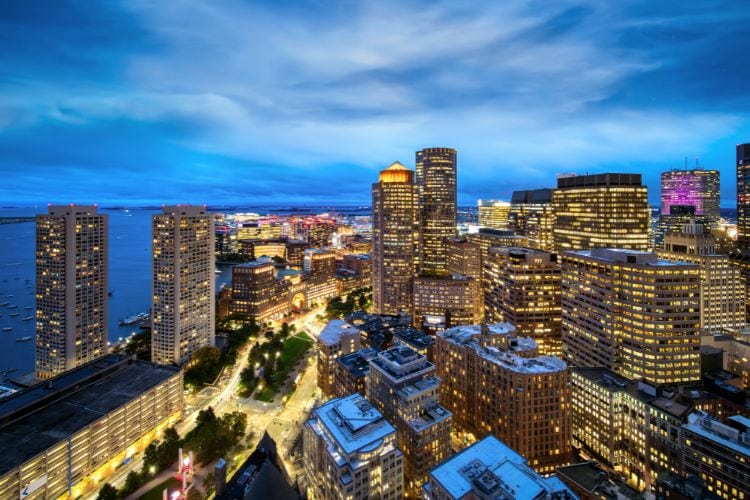
The Royal Sonesta Boston: has a gorgeous location right on the Charles River, with views of the Boston skyline and easy access to the Museum of Science just across the street. The hotel features an indoor pool with seasonal sundeck, on-site dining, and a fitness center.
Where to Eat

Union Oyster House: Even though it’s a tourist draw due to its location near Faneuil Hall, it’s a must-visit. A favorite with JFK, it is America’s oldest continuously operating restaurant, established in 1826. It was designated a National Historic Landmark in 2003.
Skipjacks: This funky seafood establishment has a 3-D menu for kids. What could make seafood more fun than that? It also has plenty of tasty cuisine for mom and dad at affordable prices.
If You Go
For Sightseeing Savings:
- Boston CityPass: 4 attractions over 9 days; $84 adults, $72 children ages 3–11
- Go City Boston Pass: All-Inclusive (1–7 days) or Explorer (choose 2–5 attractions)
Activities:
- Museum of Science: mos.org
- Boston Duck Tours: bostonducktours.com
- New England Aquarium: neaq.org
- Freedom Trail: thefreedomtrail.org
- Plimoth Patuxent Museums (Plymouth): plimoth.org
- Tours and activities: Viator | GetYourGuide
Getting Around: Boston’s MBTA LinkPass covers unlimited subway and bus travel. A 1-day pass is $11; a 7-day pass is $22.50. Purchase at any subway station.
Plymouth: Destination Plymouth — seeplymouth.com
Boston Tourism: Visit Boston — bostonusa.com
Need a hand planning your trip? Here are the sites and services we rely on most, from booking tools to travel products we love.
Inspire your next adventure with our articles below:
- Oysters, History and Hidden Gems: Your Perfect Boston Getaway
- Discover Boston’s Soul: 11 Unforgettable Places That Define the City
Want to discover more hidden gems and helpful travel tips? Join our free newsletter for the latest travel secrets and travel articles.
We are reader-supported and may earn a commission on purchases made through links in this article.

- 9 Insider Tips I Wish I’d Known Before My First European Adventure - October 7, 2026
- Seaplanes, Porcupines and Hidden Lakes on Quebec’s Explorer’s Route - October 6, 2026
- The Family Reunion Hack That Eliminates All the Planning Stress - September 30, 2026
Planning another trip soon? ✈️
Add GoWorldTravel.com as a preferred source on Google. Click the button below so our local guides, packing hacks, and hidden-gem itineraries always show up first when you search!
Add to Preferred Sources