

Anyone who has tried to book a ski holiday knows that it can get expensive quickly. The costs can add up between accommodations, lift passes, food, and flights.
However, with some careful planning and smart strategies, you can enjoy a fantastic ski holiday without breaking the bank.
Choose the Right Time
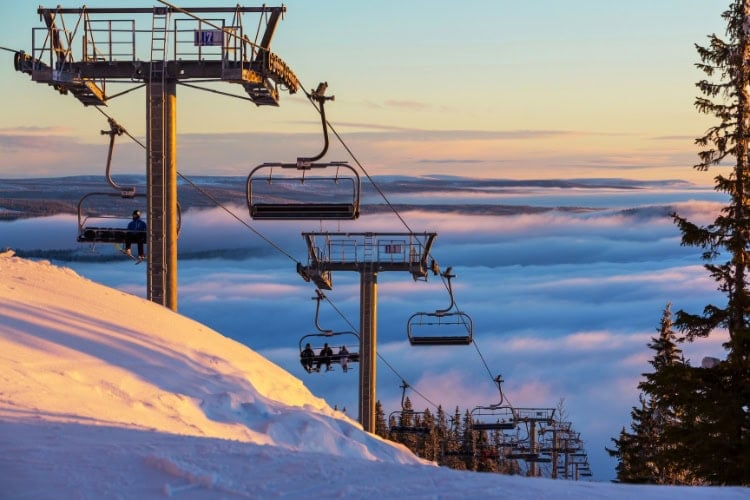
Timing can make or break your ski budget. Peak season lift tickets at major resorts can cost $329 per day during Christmas week or holiday periods, while the same ticket might drop to under $150 on a weekday in January. Off-peak skiing during weekdays or early/late season can reduce costs by 30 to 50 percent.
The sweet spot? January, after the New Year, and late March typically offer excellent snow conditions without the premium pricing. School holidays, particularly Christmas through New Year and February half-term, command the highest rates for everything from accommodation to lift passes.
Booking strategy matters too. Major resorts using dynamic pricing reward early purchasers with the lowest available prices. Book six to eight months ahead for early bird discounts on platforms like Expedia or Booking.com, or wait for last-minute deals two to three weeks before departure if you can be flexible.
Select Budget-Friendly Destinations

Resort choice dramatically impacts your total spend. While premier American resorts charge premium prices, Europe offers incredible value, particularly in Eastern Europe.
Bansko, Bulgaria, ranks among Europe’s cheapest ski resorts, with season passes around 869 euros and significantly lower accommodation, food, and equipment rental costs than Western European destinations. The resort features 75 kilometers of marked slopes with modern lift systems. Other budget-friendly Bulgarian options include Borovets and Pamporovo.
Pal Arinsal in Andorra scores high for value while offering quality skiing for beginners through advanced skiers, with notably cheaper accommodation and dining than in France or Austria. In the Alps, look beyond marquee names like Chamonix and St. Moritz. Italian resorts like Livigno and Bardonecchia, or lesser-known Austrian and French villages, offer genuine Alpine experiences at a fraction of the cost.
Read More: Where to Ski This Holiday Season: 6 European Destinations That Deliver Winter Wonderland Dreams
Save on Accommodation

Accommodation ranges from $70 to $250 per night and often represents the largest expense of a ski holiday. Smart choices here can slash hundreds from your trip total.
Self-catering apartments or chalets with kitchens cost less than hotels and enable you to save significantly on meals. On-mountain lodging can easily exceed $1,000 per night at major resorts, while staying 30 to 35 minutes away drops rates dramatically. Many resorts offer free or inexpensive shuttle services, making slightly removed locations practical.
Group travel changes the economics entirely. Large chalets or apartments that accommodate six to eight people often cost only marginally more than smaller units, dramatically reducing per-person expenses. Search Vrbo for group-friendly properties with full kitchens, or use Booking.com to compare hotels offering package deals bundling accommodation with lift passes for better value than booking separately.
Cut Down on Travel Costs
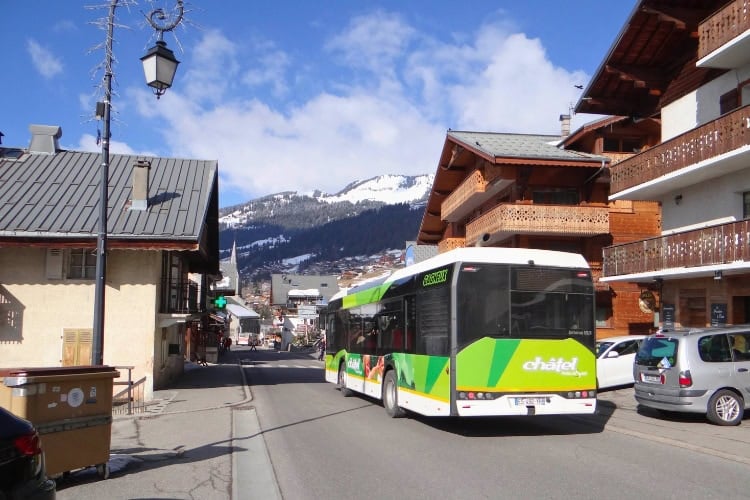
Budget airlines serve major Alpine airports like Geneva, Milan, and Innsbruck with return flights around 100 euros when booked in advance. Smaller regional airports near ski areas sometimes offer competitive fares worth checking.
If driving distance allows it, road trips eliminate baggage fees and airline restrictions. Carpooling spreads fuel costs across multiple travelers. In Europe, buses and trains offer economical alternatives, with bus transfers from Sofia to Bansko costing around 10 euros.
Book transportation during off-peak periods. February flights typically cost substantially less than December holiday travel, when demand and prices peak.
Find Deals on Ski Passes and Equipment

Lift tickets purchased at resort windows cost $10 more on average than advance online purchases. Multi-day passes and season passes offer significant per-day savings compared to single-day tickets, with Epic Pass holders paying as little as $121 per day versus $295 walk-up rates at resorts like Beaver Creek.
Book your lift tickets and ski lessons in advance through GetYourGuide or Viator, where you can often find package deals combining passes with instruction at discounted rates.
Equipment rental typically costs $25 to $100 daily, depending on the quality level. Rent from town shops rather than resort-based lodges for better rates. Weekly equipment rentals run $120 to $150, far less than daily rates. Reserve online for additional discounts of 10 to 15 percent.
For frequent skiers, purchasing used equipment makes financial sense. Casual skiers save more by renting than buying and transporting gear.
Consider All-Inclusive Packages

Package deals bundling accommodation, meals, lift passes, and sometimes equipment rental can deliver real value. These work especially well for beginners who need everything or families wanting predictable costs.
Search Expedia for ski packages that combine flights, hotels, and resort credits, or check Viator for all-inclusive mountain experiences that include transportation, equipment, and instruction. Compare package pricing against booking components separately. Sometimes packages save money, other times individual bookings offer more flexibility at a similar cost. The key is running the numbers for your specific situation.
Be Smart About Food and Drinks

Eating out every meal easily costs $15 per person per meal, putting a family of four at $180 or more daily. Mountain restaurant lunches run $15 to $25 per person, accumulating quickly over a week.
Self-catering accommodations with kitchens enable major savings. Budget $200 to $500 weekly for groceries for a family of four. Prepare breakfasts and dinners at your lodging, pack lunches for the mountain, and eat out selectively for special dinners.
Happy hours at resort bars offer discounted drinks. Avoid slope-side dining where convenience commands premium pricing.
Use Technology to Your Advantage

These days, there are websites that can help you comparison shop for your ski vacation. Websites like IGLU SKI can help you find a package that is right for you. The key is flexibility and researching to find the best deals available.
Booking.com and Expedia allow you to set price alerts for your target destinations, notifying you when rates drop. Vrbo offers direct communication with property owners, sometimes enabling negotiation on weekly rates or last-minute availability. Resort websites frequently feature package specials and early booking discounts not advertised elsewhere, but cross-reference with TripAdvisor reviews to ensure quality matches the price.
Resort websites frequently feature package specials and early booking discounts not advertised elsewhere. Sign up for email lists to receive exclusive offers. Social media accounts sometimes announce flash sales or last-minute availability.
Whether you ski regularly or you’re planning your first mountain adventure, strategic planning transforms expensive ski trips into affordable winter vacations.
Need a hand planning your trip? Here are the sites and services we rely on most, from booking tools to travel products we love.
Inspire your next adventure with our articles below:
- Your Ultimate Guide to Affordable Ski Passes in Colorado
- How We Finally Afforded Our Dream Trip to the Swiss Alps
Author Bio: Sandy Page is a lifelong adventurer. In her free time, she reads and consumes copious amounts of hot beverages.
Want to discover more hidden gems and helpful travel tips? Join our free newsletter for the latest travel secrets and travel articles.
We are reader-supported and may earn a commission on purchases made through links in this article.

- Along the Gambia River: Markets, Crossings and Chimpanzees - September 14, 2026
- Kagawa, Japan Is the Udon Capital—Where to Eat Sanuki Noodles and How to Get There - September 14, 2026
- Inside the Vatican: An Exclusive Walk Through the Pope’s Private Corridors - September 14, 2026
Planning another trip soon? ✈️
Add GoWorldTravel.com as a preferred source on Google. Click the button below so our local guides, packing hacks, and hidden-gem itineraries always show up first when you search!
Add to Preferred Sources