

Leaving Tokyo for Chiba’s Countryside
The last high-rise disappeared in the rearview mirror as rice fields unfolded like a patchwork quilt stitched across the countryside.
A thin mist hovered over narrow paddies, each sprout glowing green in contrast to the dark mountains framing them from a distance. Tiny and tender, the shoots rose just inches above their murky beds, an organic contrast to the steel and glass towers of Tokyo.
Tokyo families drove into the countryside to introduce their children to the farming practices that once defined Japanese culture.
Discovering Japan’s Dual Identity
I spent five months studying abroad in Tokyo, a city that rarely pauses. I came to Japan to experience a culture deeply rooted in tradition yet boldly future-facing. However, what I had not expected was how seamlessly the two coexist.
My host family embodied this duality. They navigated fast commutes and corporate schedules, yet believed it was essential for their six-year-old son to understand the land beneath Japan’s modern successes. That belief is what brought us to Chiba for the bamboo harvest.
Read More: 10 Must-Do Experiences That Will Make You Fall in Love with Japan
A Living Tradition

When we reached the farm, children spilled from minivans, clutching small backpacks in barely contained excitement. Their parents, fellow Tokyo families, came seeking a connection to the past for their children.
The farmer, whose family has tended this land for generations, greeted us with a deep bow and a sun-creased smile. This plot of earth, he explained, was both an inheritance and a responsibility. In Japan, land is more than property; it is a life force to be honored.
Under the Bamboo Canopy

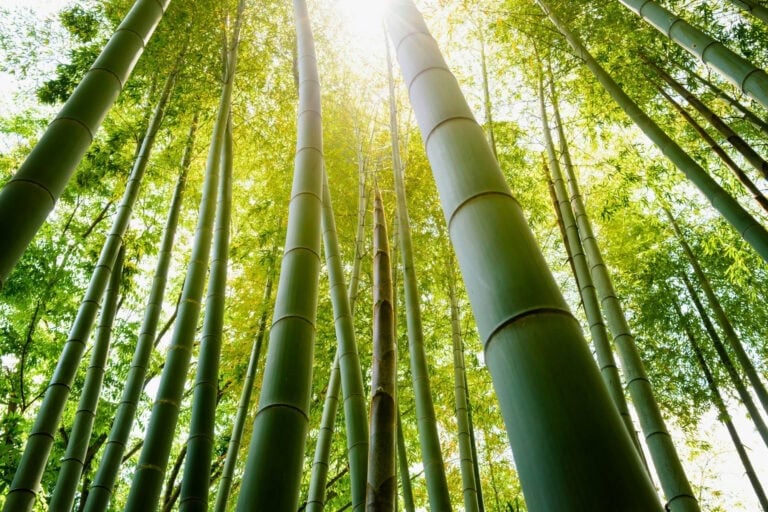
We followed the farmer up a gentle hill into a bamboo grove. The air cooled instantly beneath the canopy. The stalks swayed softly, moving as if breathing together.
The farmer knelt beside a shoot barely breaking the soil — the prized takenoko (baby bamboo). The younger the shoot, he explained, the more tender it would be. My host brother took this lesson seriously, scouring the ground for the tiniest sprouts.
Harvesting the Shoots

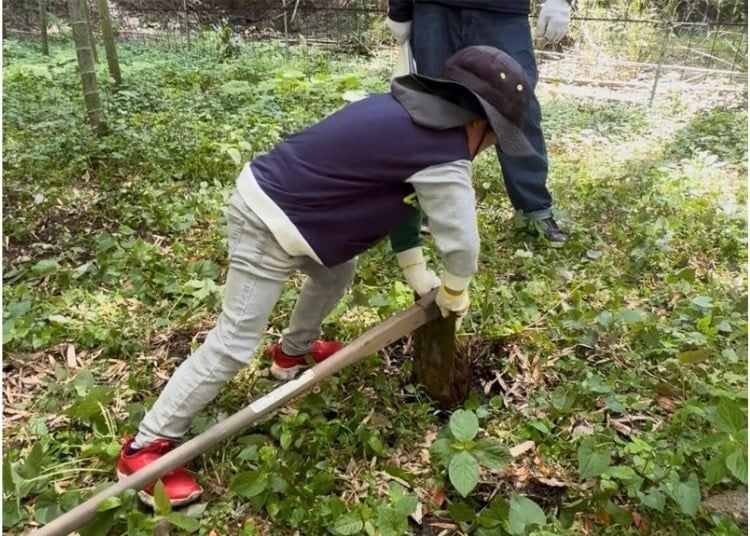
Harvesting bamboo shoots is a practiced skill. Each family received a kuwa, a tool resembling a garden hoe with a curved blade.
- Brush soil away from the base of the shoot
- Angle the kuwa to strike where the shoot meets earth
- Dig into it at a downward angle
- Wiggle gently until — pop — the earth releases the shoot
Brushing dirt from my first harvest, I admired its pale yellow, onion-like layers. Unlike mature bamboo, these shoots are solid, soft, and edible. Basket by basket, we gathered our harvest, each success met with cheers from the children.
From Forest to Kitchen

Once our baskets were full, the farmer led us along a short path to identify wild edible plants to accompany our bamboo.
From there, we descended to a nearby jinja, a Shinto shrine tucked among the trees. At the base of its stone steps stood an outdoor kitchen with a traditional wood-fired stove called a kamado.
The farmer’s wife arrived carrying folding tables, knives, and ingredients. Parents and children formed an easy assembly line — washing, chopping, and stirring. Steam rose as laughter filled the air.
- Takenoko miso soup, rich and buttery
- Takenoko gohan, savory bamboo fried rice
- Takenoko and pork stir-fry, glossy with sauce
- Tempura of wild plants, crisp and delicate
Eating together at a long table, the bamboo was still warm, subtly sweet, and unlike any vegetable I had tasted before.
Tradition in Motion

Looking around, I noticed the contrast: families in sleek sneakers and city jackets learning centuries-old practices from a farmer devoted to protecting the soil beneath us. Japan’s unique cultural strength isn’t found in choosing tradition or innovation, rather in weaving them together so neither is lost.
When it was time to return to Tokyo, each child received a bag of bamboo shoots to take home. My host brother carried his proudly, already dreaming of dinner.
What Remains

Back in the car, the rice fields passed by once more. This time, they represented more than just scenery, acting as symbols of Japan’s steady roots beneath relentless change.
This day in Chiba offered a simple truth: the past isn’t something left behind. It’s something carefully tended, like a bamboo shoot in rich soil, growing upward while staying grounded.
As we merged back into Tokyo traffic, I tucked the memory of Chiba’s bamboo forest into my heart like a tender sprout, a quiet piece of Japan that felt strangely like home.
Need a hand planning your trip? Here are the sites and services we rely on most, from booking tools to travel products we love.
Inspire your next adventure with our articles below:
- 9 Life Changing Countries Worth Adding to Your Travel Bucket List
- 10 Fascinating Facts About Japan That Most Travelers Miss
Author Bio: Erin Higgins is a U.S.based travel writer and recent study abroad student who loves exploring how culture, land, and community connect. She grew up on a rural farm and now seeks travel experiences that immerse her in local traditions and their connection with the natural world. This story is inspired by her time living with a host family in Tokyo, Japan.
Want to discover more hidden gems and helpful travel tips? Join our free newsletter for the latest travel secrets and travel articles.
We are reader-supported and may earn a commission on purchases made through links in this article.

- Darwin, Australia’s Northernmost Capital, Combines Vibrant Markets, Waterfront Life and Access to Kakadu and Litchfield - October 25, 2026
- Paarl: South Africa’s Secret Winelands Escape Where You Can Stay in Historic Wine Tanks - October 25, 2026
- A Quest for the Best Frango Assado in Portugal’s Algarve - October 24, 2026
Planning another trip soon? ✈️
Add GoWorldTravel.com as a preferred source on Google. Click the button below so our local guides, packing hacks, and hidden-gem itineraries always show up first when you search!
Add to Preferred Sources