
Palau: A Unique Travel Destination
Palau may be best known to pop-culture fans as the dramatic backdrop for the reality TV series Survivor, but standing on the edge of a small wooden dock deep in the Micronesian archipelago, I’m not feeling particularly competitive. I’m feeling hesitant.
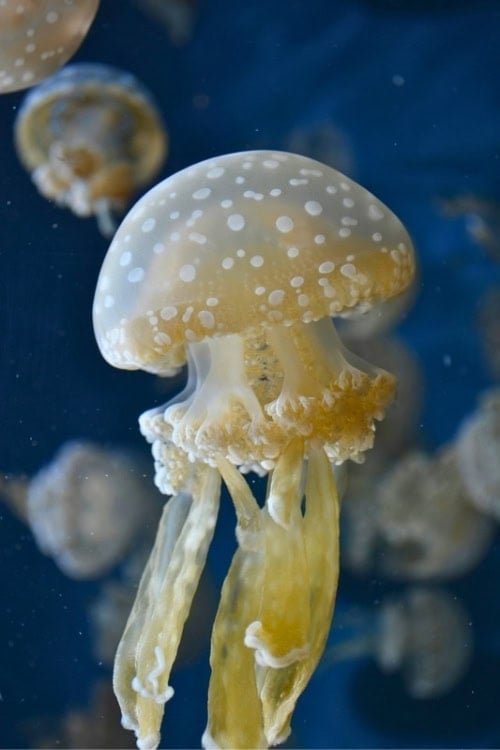
Below me, a pulsating mass of golden jellyfish drifts lazily through a landlocked marine lake, their translucent bodies rising and falling in gentle unison. Millions of them. And in just moments, I’m expected to step into their world.
“I promise—you’ll be fine,” says Loreen Sugiyama, my Palauan guide, flashing a grin that suggests she’s witnessed this moment of doubt countless times before. “Just take that leap of faith.” Easy for her to say. She’s not the one wearing the snorkel.
A First Impression of Palau
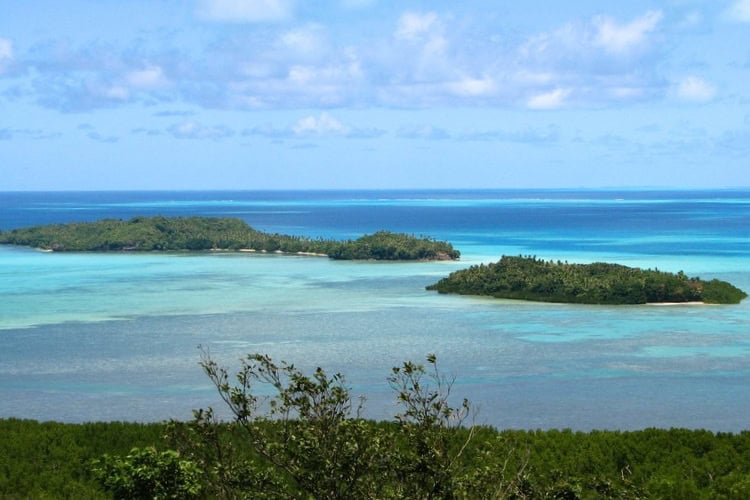
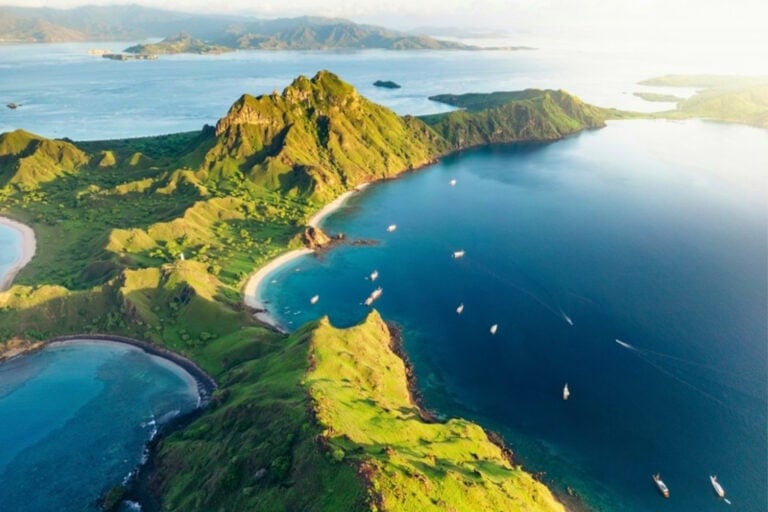
Palau sits in the western reaches of Micronesia, scattered across the Pacific like a handful of emeralds dropped into a painter’s palette of blues. More than 300 islands make up this island nation, though it’s the Rock Islands—some 500 jungle-draped limestone formations—that have earned Palau its reputation as one of the world’s most visually arresting destinations.
As our small cruiser pulls away from Koror, Palau’s bustling hub, the weather shifts quickly. A thick dome of cloud rolls in, and suddenly the sky opens up, releasing fat tropical raindrops that splatter against the sea. I glance at Sugiyama, remembering her earlier reassurance. “No worries,” she’d said confidently. “It never rains for long in Palau.”
Instead of retreating under the boat’s pop-top, I remain perched at the bow, mesmerized. Rain or shine, Palau has a way of captivating its visitors. The Rock Islands rise from the sea in improbable shapes—some like mushrooms balanced on narrow stems, others sprawling like sleeping serpents.
Over 40 million years, wave action and burrowing mollusks have carved away their undersides, leaving them with bowl-shaped bases that look almost whimsical. Above the waterline, dense tropical vegetation clings to every surface, while below, the sea transitions through a stunning gradient—from pale celadon over shallow coral gardens to deep sapphire where the ocean floor drops away.
Beneath the Surface

It doesn’t take long to understand why Palau is considered one of the world’s premier snorkeling and diving destinations. Less than thirty minutes after leaving Koror, we glide into a sheltered bay just north of Mecherchar Island. The water here is impossibly clear, revealing a thriving coral garden below.
“This is home to giant clams,” Sugiyama explains as she cuts the engine. “Some are over a hundred years old and can weigh up to 250 pounds.” That statistic gives me pause. The idea of massive, jaw-gaping clams lurking beneath the surface is mildly unsettling—until I slip into the water. Below me, giant Tridacna clams rest peacefully among a tapestry of coral. Their iridescent mantles shimmer in blues, greens, and purples, opening and closing slowly as they filter sunlight and nutrients from the sea.
Staghorn coral branches outward like underwater antlers, while bulbous Porites coral forms knobby mounds across the sandy floor. Schools of tropical fish dart through this marine maze—electric-blue damselfish, striped sergeant majors, and the occasional parrotfish crunching noisily at coral. The clams, it turns out, are far more majestic than menacing, entirely content in their sunlit sanctuary.
A Nation That Protects Its Ocean
What makes Palau especially remarkable isn’t just the abundance of marine life—it’s the country’s fierce commitment to protecting it. Palau was one of the first nations in the world to establish a shark sanctuary, banning commercial shark fishing in its waters. Today, Palau National Marine Sanctuary protects 80 percent of its maritime territory, making it one of the largest fully protected marine areas on Earth.
This conservation ethic is palpable. Visitors are required to sign the “Palau Pledge” upon arrival, a promise to tread lightly and respect the environment for future generations. It’s not just a slogan; it’s a way of life that locals take seriously, and one that ensures Palau’s underwater wonders remain vibrant and intact.
Entering Jellyfish Lake

By the time we reach Jellyfish Lake, I’m already saturated with sensory overload—and yet, this final stop threatens to push me well beyond my comfort zone. Formed more than 12,000 years ago when rising sea levels flooded a limestone basin, Jellyfish Lake is completely landlocked, connected to the ocean only through underground fissures.
Over time, the jellyfish trapped inside evolved without predators. As a result, they gradually lost their sting. Millions of them now migrate daily across the lake, following the sun to nourish the algae living symbiotically within their tissues.
Knowing all of this should reassure me. Instead, as I peer over the dock at the shimmering golden mass below, I briefly fantasize about being back at the Palasia Hotel—floating in the courtyard pool, perhaps followed by an indulgent hour-long massage. Sugiyama seems to read my thoughts. “Fear not,” she says gently. “This is something you’ll never forget.”
She’s right.
I lower myself into the water, half expecting panic to set in. Instead, the lake feels warm and silky, almost bath-like. The jellyfish part around me as I swim, their soft bells brushing my arms and mask. There is no sting, no discomfort—just a surreal sense of floating through a living, breathing galaxy of light. Time slows. The outside world disappears. Suspended in this ethereal space, I feel completely connected to nature in a way that is both humbling and profound.
Why Palau Belongs on Every Traveler’s List

Emerging from Jellyfish Lake, exhilarated and slightly awestruck, I finally understand Palau’s quiet power. This is not a destination that shouts for attention. It invites you in, asks you to be present, and rewards curiosity with moments of rare beauty.
From its sculpted Rock Islands and coral gardens to its ancient clams and stingless jellyfish, Palau offers experiences found nowhere else on Earth. But perhaps its greatest gift is perspective—a reminder of what the natural world can look like when it is cherished rather than exploited.
As our boat heads back toward Koror, the rain clouds part, just as Sugiyama promised. Sunlight spills across the water, igniting the sea into brilliant shades of blue. I smile, grateful for that leap of faith—and for a day spent exploring one of the planet’s most extraordinary underwater realms.
Palau, it turns out, isn’t about survival at all. It’s about surrendering—to wonder, to beauty, and to the magic that happens when you step outside your comfort zone.
If You Go to Palau:

Palau is a small island nation in western Micronesia, roughly 800 kilometers east of the Philippines. Its capital is Ngerulmud, but most travelers stay in Koror, the lively tourism hub.
Getting There
- From North America: Fly to Taipei (TPE), Tokyo (NRT/HND), or Seoul (ICN), then connect to Koror International Airport (ROR). United Airlines operates the most reliable routes from the U.S. via Guam, while China Airlines and other Asian carriers offer seasonal service via Taipei.
- From Canada: One-stop connections via Vancouver to Asia, then onward to Koror.
- Flight time: Expect 16–20 hours total from the west coast of North America.
Getting Around
- Koror is compact and walkable, but most visitors rent a car or arrange transfers through their hotel or tour operator.
- Boat tours are essential for exploring the Rock Islands, snorkel sites, and Jellyfish Lake.
When to Go
- Best season: November to April for calmer seas and excellent visibility.
- Wet season: May to October brings higher humidity and brief tropical downpours—still a great time for diving.
Where to Stay
- Palasia Hotel – Comfortable, central, and a favorite with divers
- Palau Pacific Resort – Beachfront luxury on a private peninsula.
- Sea Passion Hotel – Boutique-style, close to Koror’s restaurants.
Top Experiences
- Snorkel or dive the coral gardens of the Rock Islands
- Swim among stingless golden jellyfish at Jellyfish Lake
- Visit the Belau National Museum to learn about Palauan culture
- Sign the famous Palau Pledge on arrival and join one of the world’s most committed conservation cultures
Know Before You Go
- A Rock Islands permit is required to visit Jellyfish Lake and the surrounding marine areas.
- Bring reef-safe sunscreen only—Palau strictly enforces marine protection laws.
- The currency is the U.S. dollar, and English is widely spoken.
Need a hand planning your trip? Here are the sites and services we rely on most, from booking tools to travel products we love.
Author Bio: Since 1996, while freelancing, Jane Cassie has had thousands of articles published. Her stories have appeared CNN Magazine, Northwest Travel, New York Daily News, Chicken Soup For The Soul, Dreamscapes, Air Canada In-flight, Cottage Life, Epicure and Travel, just to name a few. She has been a regular contributor to Spa Life, INNspire, North American Inns Magazine, Cottage, and Inspire Magazines.
Want to discover more hidden gems and helpful travel tips? Join our free newsletter for the latest travel secrets and travel articles.
We are reader-supported and may earn a commission on purchases made through links in this article.

- Winter in Michigan’s Keweenaw Peninsula: Sled Dogs, Saunas and Snowshoe Trails - October 27, 2026
- Love Across Borders: 8 Expert Tips for International Dating Success - October 27, 2026
- The Ecuador Amazon Lodge That Actually Lives Up to the Ecotourism Label - October 27, 2026
Planning another trip soon? ✈️
Add GoWorldTravel.com as a preferred source on Google. Click the button below so our local guides, packing hacks, and hidden-gem itineraries always show up first when you search!
Add to Preferred Sources