
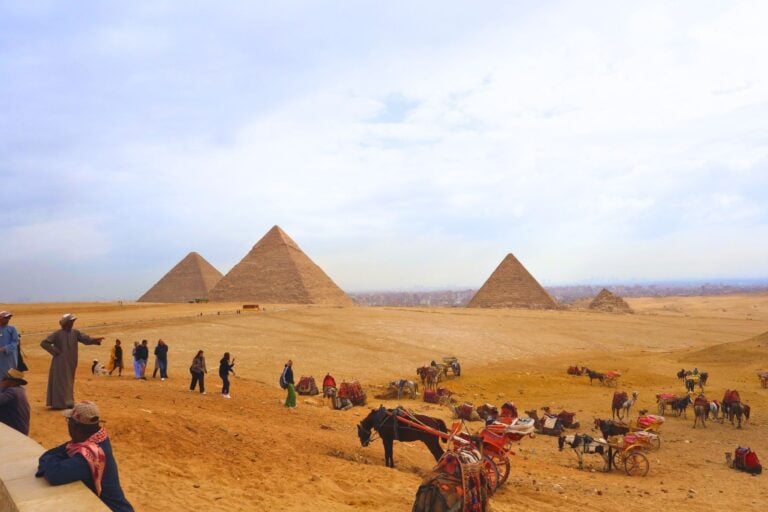

Our well-traveled friend’s eyebrows shot up when we told him we were planning a trip to Egypt and Jordan. “That’s a hard ‘no’!” was his only comment. Days before we left, we sent him our itinerary, flights, and emergency contacts. “Be careful,” was his response.
So, what’s it like when you travel somewhere more risky? And when a war breaks out? We were about to find out.
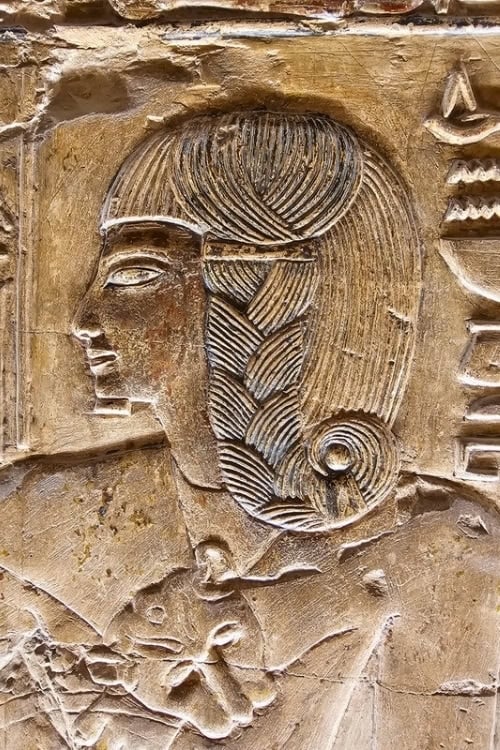
We were six blissful days into our trip. We had seen the pyramids of Giza and the Grand Egyptian Museum, then flown to Luxor. Near Luxor, we visited Karnak and Luxor temples and tombs in the Valley of the Kings, where King Tutankhamen’s tomb was discovered. Our guide was fabulous, and we were awed by this ancient culture.
Every night we went to bed exhausted, our brains full to bursting with new sights and information.
Traveling As Tensions Rise

We were looking forward to another week, including three more in-country flights, four nights on the Nile, more tombs, more temples, before flying to Jordan for a week.
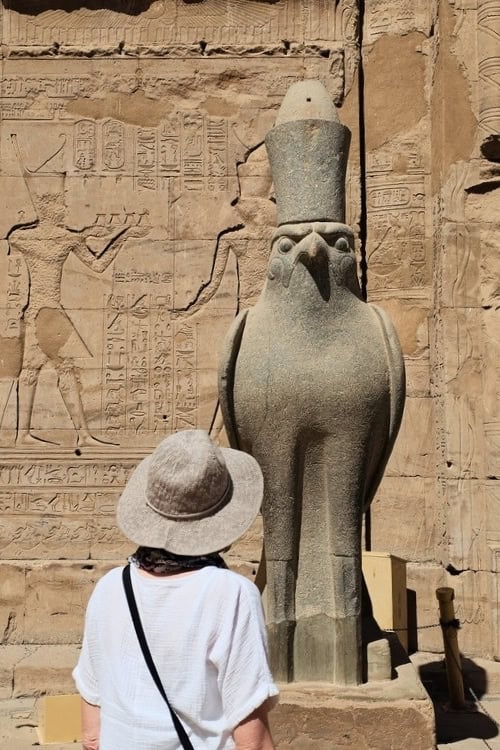
After Luxor, we settled into a cabin on our romantic dahabiya boat on the Nile. The next morning, we disembarked to visit tombs at El Kab and the Temple of Horus near Edfu.
On the bus, our guide told us the US had attacked Iran. The tour company, Orbridge, was monitoring the situation and would advise us of any changes. That morning, we forged ahead with our tours.
By lunch, back on the boat with Wi‑Fi, we received an email from the State Department with recommended actions like avoiding large gatherings, and the following:
The U.S. Embassy advises U.S. citizens to closely monitor the news for regional developments related to military operations in Iran. U.S. citizens should exercise caution and remain aware of their surroundings. Individuals planning travel should be prepared to adjust plans as airspace closures have occurred in neighboring countries.
Due to high tensions in the region, the security environment remains complex and can change quickly.
This was the moment we realized our extension to Jordan might be in jeopardy. Many fellow travelers were online scanning news, but we trusted the State Department and the tour company for reliable updates.
Rerouting Plans On The Fly
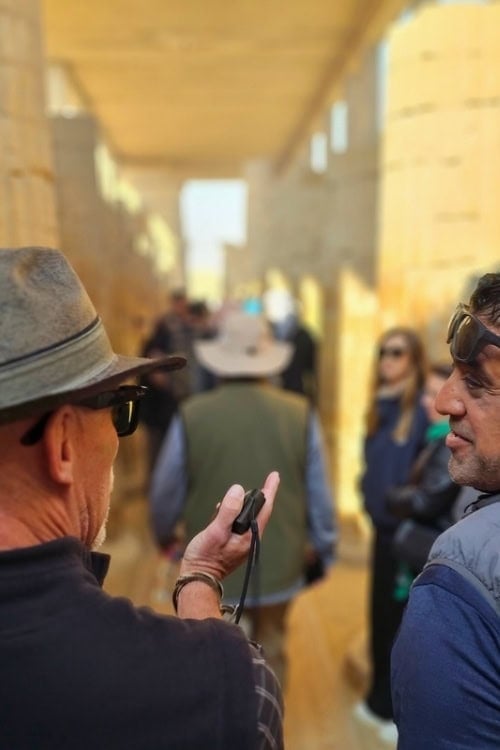
Being on the river, passing through rural areas, felt safer than being someplace more populated. The next morning, Orbridge canceled the Jordan post-tour and advised us to book flights home from Cairo at the end of the Egypt itinerary.
At lunchtime, those of us on the extension tackled that chore using the boat’s Wi‑Fi. We secured what seemed to be the last two seats in our class departing Cairo on the right day. It became a three-leg itinerary, and we were happy just to be ticketed.
Travel insurance is worth serious consideration any time your itinerary touches a volatile region. Last-minute flight changes, canceled extensions, and prepaid hotels you can’t use add up fast. Compare plans on Squaremouth or explore flexible international coverage through SafetyWing.
In the wee hours, an email arrived from the State Department advising:
Location: Jordan, countrywide.
Event: Reports indicate missiles, drones, or rockets are in Jordanian airspace. Seek overhead cover and shelter in place immediately. Remain indoors and pay attention to local announcements and alerts.
If there had been any doubt about the necessity of Orbridge’s cancellation, that STEP email removed it.
Using STEP For Alerts
At this point, we felt the risk of the remainder of our trip in Egypt was reasonable. We were far south, heading to Abu Simbel, only about 25 miles north of the border with Sudan, which ironically now seemed comparatively safe.
We had registered with the State Department’s STEP (Smart Traveler Enrollment Program) before, but this was the first time we saw it in action. Because we notified them we would be in both Egypt and Jordan, we continued to get updates for both.
The updates for Egypt were calming. On March 3, one reminded us that the Embassy was operating normally and that the Travel Advisory was unchanged at Level 2, which is also the level of many countries in Europe, including Germany, through which we had flown.
On the other hand, the news from Jordan was more concerning. On March 1, the U.S. Embassy indicated there may be continued missiles, drones, or rockets in Jordanian airspace in the coming days.
The Government of Jordan activated civil defense alarms for missiles, drones, or rockets entering Jordanian airspace. The update included how to take shelter and the all-clear sound.
On March 2, this arrived:
Out of an abundance of caution, all personnel at the U.S. Embassy have temporarily departed the Embassy compound due to a threat.
By March 6, when we were departing Cairo, having thoroughly enjoyed the rest of our time in Egypt, STEP sent detailed information on how to exit Jordan, including open border crossings and hours, trusted local media, and State Department contacts for assistance.
They also suggested not going to the Embassy in person for security reasons.
What We Learned Abroad
So, what did we learn from our first trip, where we needed solid security information while traveling?
- The STEP program does work, perhaps even better than advertised. We felt that we were getting accurate and helpful information. We received nine emails during that second week of our trip, all full of contact information and solid advice, like when airports were functioning and when to or not to go to an Embassy.
We were fortunate that we were not already in Jordan, but the STEP information seemed very thorough about how to exit that country as safely as possible.
- We really saw the value in going to less stable destinations with a large and well-respected travel provider. We were assisted from arrival to departure by the same three people: two guides and a gentleman I’ll call our “fixer,” who coordinated room assignments and luggage transfers.
He made sure we got our flights rebooked and that the tour company in the US had our new flight information. We felt cared for and well-tracked right through bag check for our return flights from Cairo.
That made it easy to relax and enjoy the part of our trip that wasn’t damaged by war. Petra will have to wait, but Egypt was as awe-inspiring as we had hoped.
Read More: 15 Things Savvy Travelers Do to Avoid Getting Scammed
Pre-Trip Research Pays Off

As a side note, in the days before our departure, as tensions mounted, I found significant information online, such as a description of the Jordanian air raid signals.
I also saved a map of where both manned and unmanned military bases exist in the Middle East, locations and contact information for both Embassies, and more.
I had screenshots of these pages on my phone before we left, so I had information even without internet or phone service.
Check Advisories and Register

I would always recommend checking the State Department Travel Advisory map before planning a trip. There is a wealth of information by country, and often by region, including what sorts of risks are currently an issue.
And register for STEP notifications for each country you will visit. The website suggests that STEP gives the local embassy or consulate information about Americans in the country, so they know who might need their help.
Need a hand planning your trip? Here are the sites and services we rely on most, from booking tools to travel products we love.
Inspire your next adventure with our articles below:
Author Bio: Laurie Thornton is a retired veterinarian whose last published writing was a case study in the Journal of the American Veterinary Medical Association. She is enjoying her pivot to traveling in retirement, and with this article, writing about it.
Want to discover more hidden gems and helpful travel tips? Join our free newsletter for the latest travel secrets and travel articles.
We are reader-supported and may earn a commission on purchases made through links in this article.

Planning another trip soon? ✈️
Add GoWorldTravel.com as a preferred source on Google. Click the button below so our local guides, packing hacks, and hidden-gem itineraries always show up first when you search!
Add to Preferred Sources