

There’s a word in Japanese, nukumori, that doesn’t just mean warmth. It’s the kind of warmth that rises from a wood-burning hearth, from a steaming onsen, from a bowl of soup placed gently in front of you by someone who cares if your fingers are frozen.
On the Nakasendo Trail in the heart of winter, I discovered that Japan has an entire vocabulary for comfort: nukumori for warmth, kutsurogi for deep relaxation, nagomi for that quiet peace that settles into your soul.
Hiking through snow-covered villages, crisp mountain air flooding my lungs, and then stepping inside a traditional inn with cheeks tingling from the cold is where I found the kind of cozy English can’t quite name. Japan treated me with a respect I had never experienced, a kind of comfort that nurtured the anxious parts of my soul.
Quiet streets, ancient paths, and inns hidden in the woods made me feel like I had stumbled into a secret world, where time stopped and the winter cold only sharpened the sweetness of warmth, hospitality, and the kind of food that fills not just your stomach but your spirit.
Traveling with Oku Japan
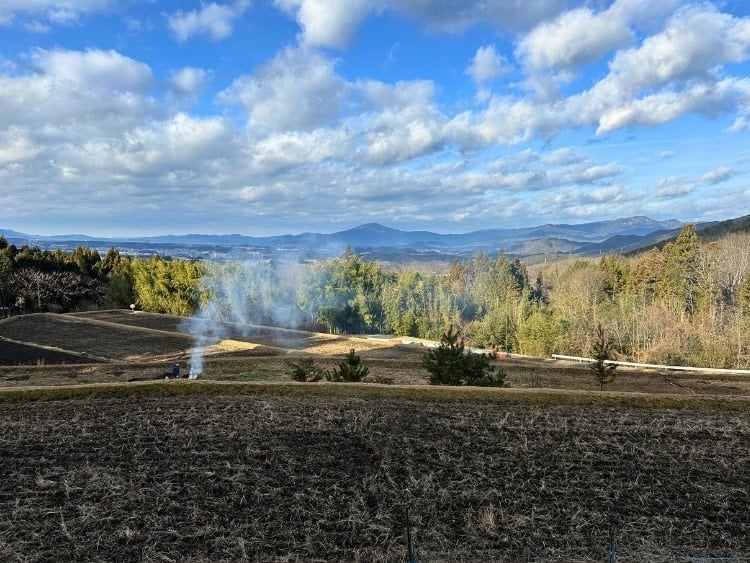
Oku Japan specializes in guided, self-guided, and custom tours that take travelers beyond Japan’s busiest cities to explore historic villages, scenic trails, and local traditions. Their goal is to connect curious travelers with authentic experiences, from rural craftsmanship to regional cuisine, guiding visitors into pockets of Japan that feel both timeless and untouched.
I chose to do their Nakasendo Trail guided tour in the winter, a quieter experience that trades the rush of Japan’s big cities for crisp mountain air and cozy traditional villages. For eight days, our group of 12 walked from village to village along the most scenic stretches of the trail, sometimes with snowshoes if the path warranted it.
Most nights ended in a traditional inn called a ryokan, where green tea thawed our hands, steaming onsen soothed our bodies, and nourishing meals warmed our souls. The journey lived up to its promise of a slower pace and postcard-worthy scenery, and in the quiet of winter, it was easy to imagine these post towns as they once were, welcoming travelers seeking rest and warmth along the way.
Walking Through Time
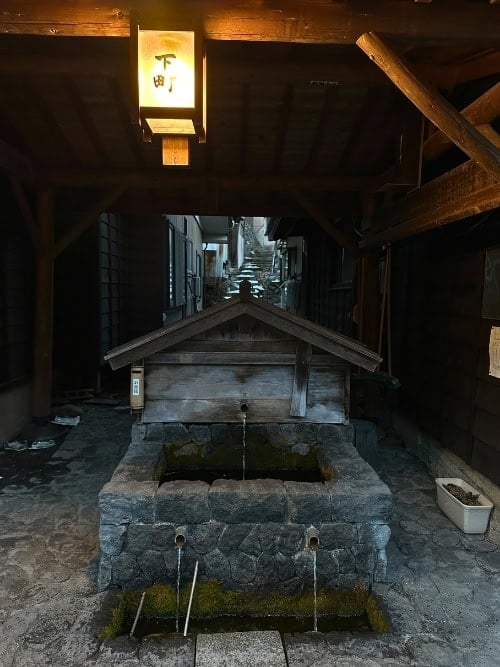
The centuries-old Nakasendo trail connected Edo (modern-day Tokyo) and Kyoto during the Edo period (1603–1868), a notably peaceful era when the Tokugawa shogunate fostered urban growth, thriving trade and a golden age of Japanese art and culture. Stretching roughly 543 km, it winds through mountain passes and wooded valleys, linking post towns, farmland, and riverside hamlets that still reflect the footprints of travelers who came before.
These post towns, known as shukuba, have welcomed wanderers since the seventeenth century. Today, local communities work hard to preserve these towns, banning power lines and billboards to protect their historic character.
Guides, Fellow Travelers, and Locals
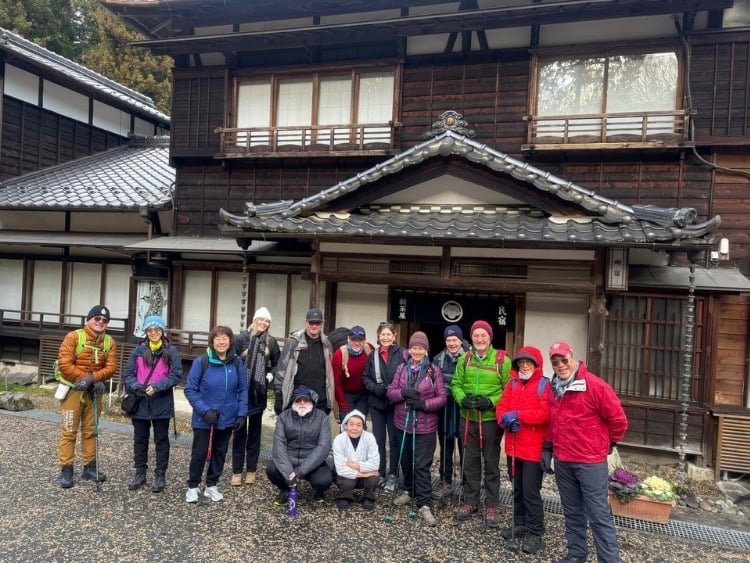
Our days on the trail blended steady climbs, steep descents, and breathtaking pauses with views so extraordinary that words felt obsolete. And at the center of it all was our guide, Tomo. She was everything and more, knowledgeable in a way that made history feel alive, effortlessly funny and so passionate about sharing her country that her joy became the heartbeat of our group. She began as a guide and ended as a friend, a fierce leader with a warmth that stayed with us long after the hiking boots came off.
The group became its own little traveling family. Strangers from every corner of the world, united by curiosity and the shared rhythm of our footsteps. There is something sacred about walking side by side with people who are just as enchanted by a place’s story.
And the locals we met along the way only deepened that magic. Every shopkeeper, cook, and guide carried a quiet pride in their craft. They shared how orokugushi combs are painstakingly hand-carved in Yabuhara, the hidden meanings behind foxes at Shinto shrines, and the subtle art of slurping soba to unlock its fullest flavor. Every interaction revealed care, knowledge, and a deep connection to their home, making each encounter as memorable as the trail itself.
Hiking Through Villages
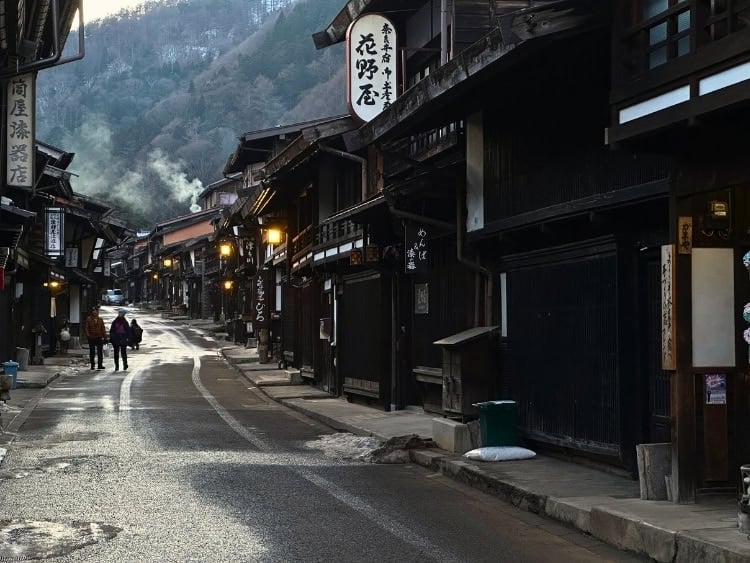
We wandered along cobblestone paths that wound through the post towns and forests, mostly without snow, though some stretches required crampons and others snowshoes. The most famous stretch of the Nakasendo Trail is the Magome-tōge Pass, where the mountains stretched endlessly, crisp and clear against the winter sky. Halfway along the hikes, we’d often stop at tiny tea houses for steaming matcha and local candy, warming our fingers and spirits before pressing on.
Every village had its own unique character and charm, most with traditional water wheels turning slowly along streams and gutters, a motif that encouraged quiet reflection. Narai, in particular, stole my heart. It was a welcome respite for sore feet after a long, rewarding day snowshoeing through the Torii-tōge Pass.
Here, we had free time to relax in the Minshuku (a family-run guesthouse), soak in private onsen baths, and explore the village. I wandered through Narai at sunset, watching lanterns flicker to life along the streets while the mountains softened into silhouettes,a distinct moment that made me breathe deep and savor the privilege of being somewhere so magical.
Read More: Where Traditional Japan Still Lives: Inside Takayama’s Time-Capsule Streets
A Culinary Adventure
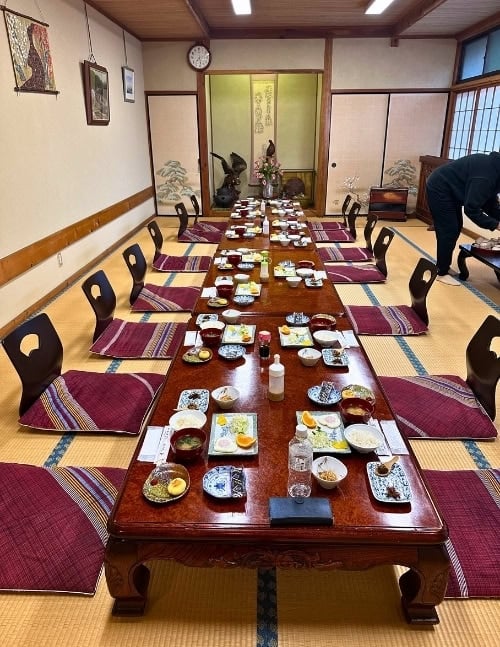
I cannot overemphasize how exquisite the cuisine was on this tour. Before visiting, I had high hopes for food in Japan, but those expectations were far surpassed. I was awestruck from the very first dinner, where dozens of small plates were presented like works of art too perfect to eat; vegetables shaped into flowers, colorful fish cakes, eggs in every form, sashimi, miso soup, and a parade of other culinary mysteries that made the meal an adventure.
Tea was essential at every meal, every pause, every time we needed to warm our hands. Many of the dining rooms were traditional, with tatami mat flooring, low tables and floor cushions that served as seating. Some of the best food was served at the homestays, graciously prepared by families and innkeepers who cooked with next-level precision and care.
Food tasted even better after long stretches on the trail, building an appetite that was rewarded in full. Every meal was a puzzle of what to eat first, what to save room for, and how to savor everything. Japanese cuisine is not just food; it is care, comfort and ritual.
Traditional Stays Along the Trail
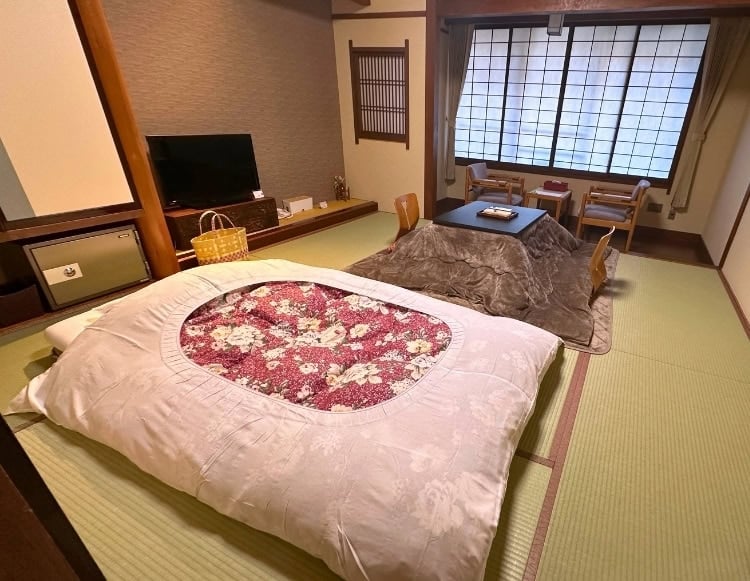
Each night we settled into a new rhythm of comfort, sleeping in traditional ryokan, family-run guesthouses called minshuku, and a few Western-style hotels at either end of the trip. In the ryokan and minshuku, we learned to set up our own futon beds on tatami floors, sliding doors framing the rooms, and slippers waiting at the entrance, which a small ritual that reflects the care, cleanliness and balance of traditional Japanese living.
Onsen, Japan’s hot spring baths, have been a cherished part of the culture for centuries, believed to cleanse both body and spirit. Each onsen along the trail had its own character: some were public and expansive, others private and intimate; some had separate changing rooms, others were more open and simple. One evening, I slipped into a small outdoor onsen, smooth stones beneath me and steam curling into the cold night air when I really did understand how revitalizing this was for the soul.
Every stay greeted us with steaming green tea, sometimes accompanied by a small snack, inviting us to pause and savor the moment. Most meals were enjoyed at low tables on the floor, intimate and comforting. Each place was simple but thoughtfully designed, with cozy corners to linger in and traditional touches that made the villages feel welcoming, timeless, and deeply restorative.
Hiking the Nakasendo Trail with Oku Japan left a lasting imprint on me, teaching me about traditional Japan in the most immersive way, revealing the depth of cultural connection, and inspiring me to one day explore even more of this magical country. For now, I will revel in the personal transformation I experienced, looking back fondly on photos, journal entries, and the unexpected friendships formed along the way.
Read More: The Naked Truth About Japanese Hot Springs: Complete Onsen Etiquette Guide
A Taste of Tokyo

The tour ends in Tokyo, where we get a brief glimpse of the city that is the utmost contrast to the quiet we experienced on the trail. We saw parks, walked through famous sites and even found the mark of where the trail ends/begins based on where you’re coming from.
After the tour, I spent several days exploring Tokyo on my own, and unsurprisingly, the dining/bar experiences took center stage. Below are the following restaurants and bars I recommend for unique, intimate and fulfilling experiences.
Restaurant Recs
CABIN
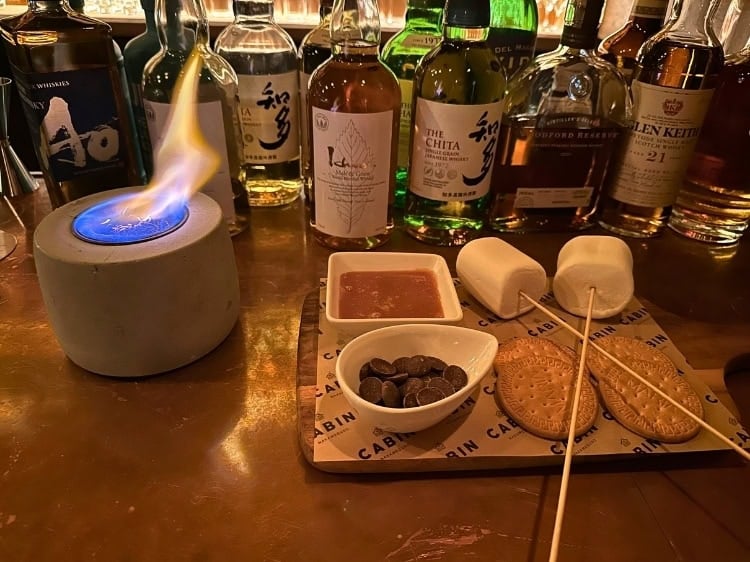
Along the Nakameguro River, CABIN is an intimate cocktail bar where every drink feels deliberate and personal. Head bartender Sullivan Gouvea, Brazilian-born with 25 years of experience, crafts cocktails that reflect both the guest and the carefully curated menu.
I settled into one of the few seats and he crafted custom cocktails based on what I liked, each one expertly made. Here, I tried Japanese whiskey for the first time and was surprised by how much I liked it. The warm wood interior and soft lighting made it easy to relax and focus on the conversation and the drinks, leaving the bustle of the city behind.
CEDROS
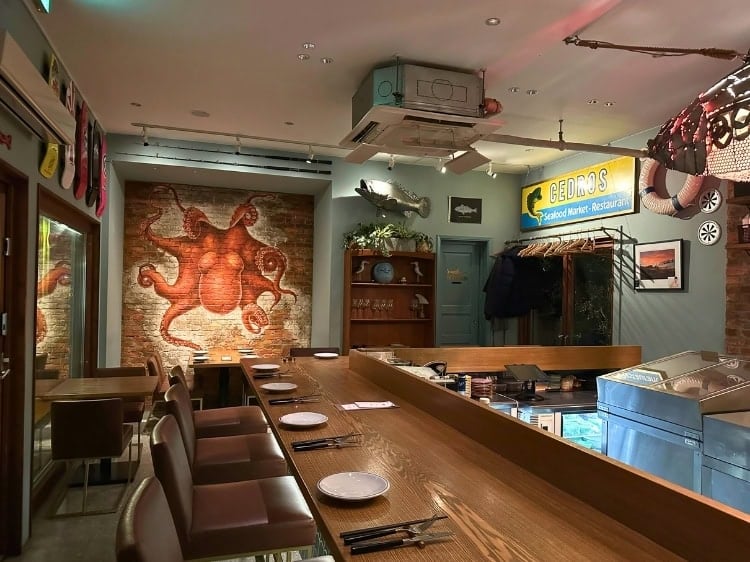
Brothers Lui and Yui Shirako opened CEDROS in Daikanyama in 2014, inspired by their childhood in San Diego. The restaurant focuses on sea-to-table dining, drawing on influences from the southern West Coast and sourcing only the freshest local, seasonal fish and produce from Tokyo’s markets. The menu changes each season to highlight ingredients at their peak.
Sitting at the open counter, I watched each dish come together in real time. Fresh seafood and seasonal ingredients transformed into a tasting menu of around a dozen courses. Highlights included spicy scallop crispy rice, Spanish mackerel with anchovy ponzu, sea bream tostada with guacamole and shio kombu salsa macha, and lobster truffle risotto. The sea bream tostada was my personal favorite. Unforgettable flavor that was perfectly balanced, intensely fresh, and full of character.
Every plate felt deliberate, thoughtful, and creative, and the experience left me marveling at how exciting and vibrant a meal could be when each ingredient was at its best.
Tokyo Confidential

Tokyo Confidential, ranked number 53 on Asia’s 50 Best Bars 2024, feels like a house party turned upscale rooftop with unrivaled views of Tokyo Tower. The space celebrates high contrast and delightful chaos, serving cocktails, champagne, and playful bar bites that range from airy cheese puffs drizzled with takoyaki sauce to Japanese-style fruit sandos filled with strawberries and cream.
The concept is fun, inventive, and approachable, fancy without being pretentious. It’s been recognized by Time Out as one of the world’s top bars and was a Top 10 nominee for Best New International Cocktail Bar at the Spirited Awards 2024.
If You Go

While I highly recommend the Nakasendo Trail, Oku Japan offers a variety of other exceptional tours. If you plan on doing this tour, here’s what I advise:
Personal Tips from My Trip:
- The weather is unpredictable in winter. Layers and bundling up are key. I wore a base of thermal leggings and a shirt, layered with a fleece, and these merino wool socks.
- A reliable pair of hiking boots is essential for the Nakasendo Trail. These are the boots I used, and they kept my feet warm, dry and comfortable the entire hike.
- Bag management is important. I carried a small bag of essentials on the trail and swapped out clothes when we had access to our larger, forwarded bags, which aren’t seen every night.
- Snow conditions can vary. I went in January and didn’t see much snow, though some in our group expected more. We lucked out with sunny weather, which softened the cold.
General Tour Tips:
- Luggage forwarding is available between accommodations on the trail.
- Each tour lists technical and activity levels on the Oku Japan site to help you choose the right one.
- Trails include cobblestone paths, forested trails, and mountain passes, with difficulty varying by section.
- Meals and accommodations are often included, with the exception of some lunches. Ryokan and minshuku stays provide traditional Japanese experiences.
- Guided tours provide knowledgeable local guides, but self-guided and custom tours are also options.
- Reservations and detailed itineraries are organized directly through Oku Japan.
Need a hand planning your trip? Here are the sites and services we rely on most, from booking tools to travel products we love.
Inspire your next adventure with our articles below:
- 10 Fascinating Facts About Japan That Most Travelers Miss
- A Winter Wonderland in Japan: Discover Aomori, the Snowiest City in the World
Want to discover more hidden gems and helpful travel tips? Join our free newsletter for the latest travel secrets and travel articles.
We are reader-supported and may earn a commission on purchases made through links in this article.

- Ghosts, Wild West History and Cowboy Culture in Cheyenne, Wyoming - October 8, 2026
- Staying Overnight at the Haunted Lizzie Borden House in Fall River, MA - September 28, 2026
- Skip Oktoberfest: Stuttgart’s Cannstatter Volksfest Is Smaller, Cheaper and Way Less Crowded - September 19, 2026
Planning another trip soon? ✈️
Add GoWorldTravel.com as a preferred source on Google. Click the button below so our local guides, packing hacks, and hidden-gem itineraries always show up first when you search!
Add to Preferred Sources
I loved this article! It really made me feel the coziness and warmth that you experienced, and it made me consider going to Japan in the winter when it’s quiet.