
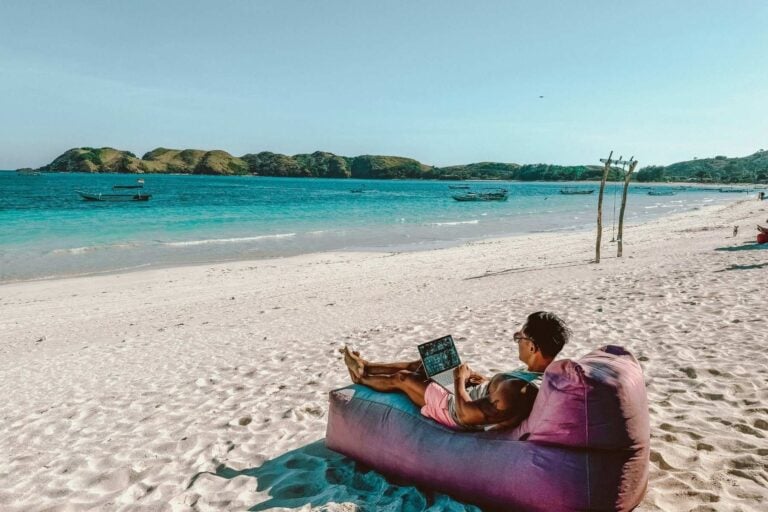
Working from anywhere sounds simple until you have to pay for it. Money behaves differently once you leave your home country. Banks that served you well for years start flagging ordinary purchases. Small fees show up on statements with little explanation. Exchange rates change what your income is worth from one week to the next, and most financial systems are built for people who stay put, not for people who keep moving.
None of this is a reason to stay home. It’s a reason to plan ahead. A nomad with a clear money system spends less time fixing problems and more time on the work that pays for the trip. This guide covers the main parts of that system: where the costs come from, how to set up your accounts, how to move money, what to know about taxes, and which habits keep everything running smoothly.
Why Money Gets Complicated on the Move
Before choosing any tools, it helps to understand where the friction comes from. Most of it falls into two categories: fees and currency swings.
Fees Hide in Small Places
The damage rarely comes from one large charge. It usually comes from a long string of small ones. A 3% foreign transaction fee on every card purchase. A charge from your own bank each time you use an out-of-network ATM, plus a second charge from the machine’s owner. A fee to send rent to a landlord abroad. Each one seems minor on its own, but over a year of travel they can add up to a month’s rent in many popular nomad cities.
The costliest fees are often the ones built into the exchange rate. Some providers advertise “no fee” transfers but offer a rate well below the mid-market rate, which is the midpoint between what buyers and sellers are paying for a currency at any given moment. That gap is the fee. It just never appears on a receipt.
Exchange Rates Shift the Ground
Then there’s the exchange rate itself. If you earn in one currency and spend in another, your real income changes even when your paycheck doesn’t. A strong month for your home currency stretches your budget, while a weak one shrinks it. You can’t control these swings, but you can plan for them, and that planning starts with how you set up your accounts.
Building a Banking Setup That Travels
Since fees and rate swings are the core problems, your accounts should be chosen to reduce both. In practice, that means a small set of accounts, each with a clear purpose, rather than a single account doing everything.
The Role of a Checking Account
A good checking account sits at the center of a nomad’s finances. It’s where your income lands, where your bills get paid, and where your debit card draws from. For someone living abroad, the details matter more than usual. Look for an account that charges no ATM fees or reimburses them, has no foreign transaction fees on its debit card, and comes with a mobile app that lets you lock your card, move money, and contact support without visiting a branch. Mobile check deposit and fast transfers to other banks are also valuable when you can’t walk into an office.
Some banks reward new customers who set up direct deposit, so if you plan to open an account before a long trip, look for a checking account sign up bonus that adds a little extra to your starting balance. Safety matters just as much. Keeping your main funds in an account backed by FDIC deposit insurance means your money is protected up to the legal limit, even if the bank itself runs into trouble.
Keeping a Backup Within Reach
A single account is a single point of failure. Cards get skimmed, swallowed by machines, or frozen by fraud systems that react to a purchase in an unfamiliar country. A second account at a different bank, with its own debit card stored separately from your main one, turns a potential crisis into a minor inconvenience. Keep a modest balance there. Its only job is to cover you for a week or two while you sort out the main account.
Moving Money Between Countries
Once your accounts are in place, the next question is how to move money across borders. You’ll do this constantly, so small decisions add up quickly.
Cards, Transfers, and ATMs
For everyday spending, a card with no foreign transaction fees is usually the cheapest option. When a card terminal asks whether you’d like to pay in your home currency or the local one, choose the local currency. The other option, known as dynamic currency conversion, almost always comes with a worse rate.
For larger payments, such as rent or a deposit on a coworking space, an international transfer service often costs less than a traditional bank wire. Compare the total cost rather than the advertised fee by checking how much actually arrives on the other end. The Consumer Financial Protection Bureau offers a clear guide to your rights when sending money abroad, including the disclosures providers must give you before you pay.
Cash still matters in many parts of the world. Withdraw larger amounts less often to keep per-withdrawal fees down, and use ATMs attached to bank branches whenever possible. They’re less likely to be tampered with, and if a machine keeps your card, there’s someone inside who can help.
Timing Your Conversions
Nobody can predict currency markets. What you can do is avoid converting everything at once. Spreading conversions across the month in smaller amounts evens out the highs and lows. Some nomads hold balances in two or three currencies they use often and convert only when the rate looks reasonable. The goal isn’t to beat the market. It’s to avoid taking a big loss on one unlucky day.
Taxes and Paperwork Follow You
Managing transfers well won’t help much if a tax problem wipes out the savings. Leaving a country doesn’t always mean leaving its tax system behind.
Know Where You Owe
The rules depend largely on your citizenship and where you spend your time. U.S. citizens, for example, owe tax on their worldwide income no matter where they live, though they may qualify for the Foreign Earned Income Exclusion if they meet certain residence or physical presence requirements. Many other countries tax people based on residency, which can be triggered by staying somewhere longer than a set number of days.
Keep track of how many days you spend in each country. A simple spreadsheet is enough. Save copies of flight records, rental agreements, and invoices. If your situation is at all complicated, a tax professional who works with people living abroad is well worth the cost, because mistakes in this area tend to surface years later, often with interest and penalties attached.
Habits That Keep Cash Under Control
Good accounts, smart transfers, and careful tax planning provide the structure. Consistent habits keep that structure working.
A Monthly Money Review
Set aside one day each month to go through every statement. Note each fee and ask whether you could have avoided it. Check that your subscriptions still make sense for where you’re living now. Confirm that your income arrived and your bills were paid. Thirty minutes is usually enough, and problems caught early tend to stay small.
Building a Buffer
Nomad income is often irregular, and travel brings unexpected costs: a missed flight, a doctor’s visit, or a sudden move when a rental falls through. An emergency fund that covers three to six months of expenses lets you handle these situations calmly. Keep it in an account you can access quickly but won’t be tempted to use for everyday spending.
Managing money across borders comes down to a handful of steady choices. Understand where your costs come from. Build a small set of accounts with clear roles, including a backup. Move money with an eye on the total cost rather than the advertised fee. Stay aware of your tax obligations wherever you are. Then keep the whole system healthy with regular reviews and a solid cash cushion. With these pieces in place, money stops being a constant worry and becomes just another part of the routine that makes life on the move possible.
Want to discover more hidden gems and helpful travel tips? Join our free newsletter for the latest travel secrets and travel articles.
We are reader-supported and may earn a commission on purchases made through links in this article.

- I Went to Istanbul for Five Days. I Am Still Not Over It. - October 12, 2026
- A Weekend in Cambará do Sul: Hiking Brazil’s Itaimbezinho and Fortaleza Canyons - October 12, 2026
- Asturias, Spain: Fishing Villages and Wild Beaches on the Green Coast - October 12, 2026
Planning another trip soon? ✈️
Add GoWorldTravel.com as a preferred source on Google. Click the button below so our local guides, packing hacks, and hidden-gem itineraries always show up first when you search!
Add to Preferred Sources