
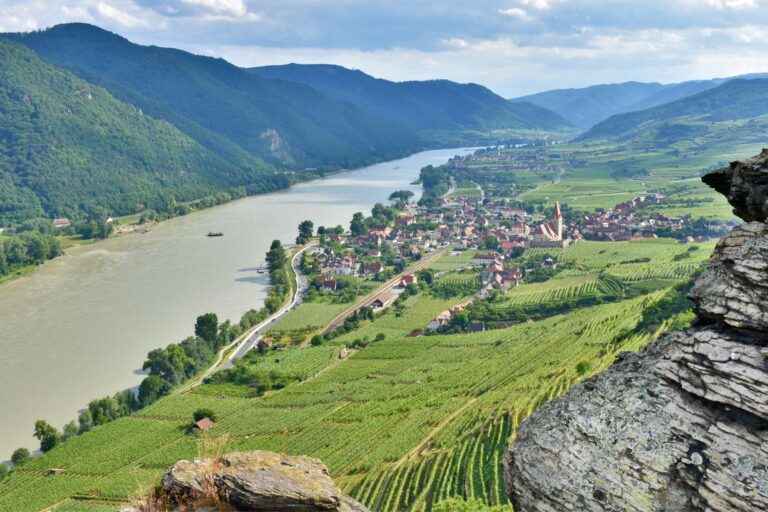
The Wachau Valley is a true Austrian gem with Europe’s mightiest river, the Danube, at its core. Located an hour from Vienna, this UNESCO World Heritage site is filled with abbeys, vineyards and magic. It seems to have sprung right out of a fairytale.
There are two main towns that people know in the Wachau Valley: Dürnstein and Melk. Whilst impressive in their own right, these are just two of the many beautiful towns within the valley. To begin with, there’s Emmersdorf an der Donau.
Emmersdorf an der Donau
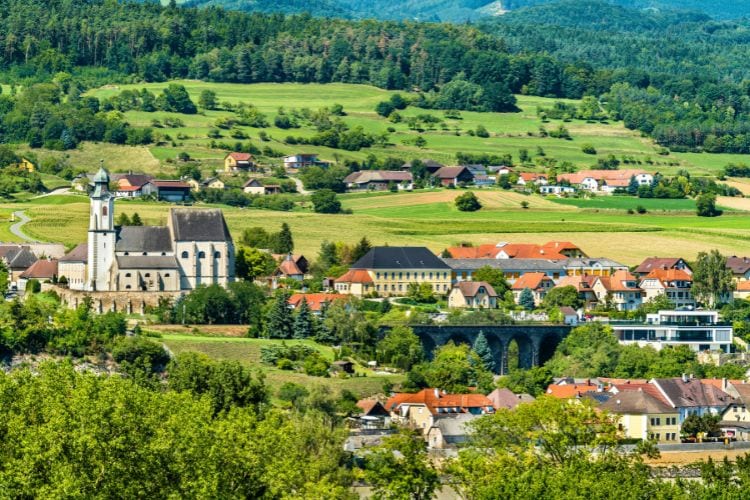
Emmersdorf, also known as the “gateway to the Wachau Valley”, is a great town to start your Wachau tour. It is a charismatic little town that offers some of the most remarkable views of the Danube. It also houses some of the best ice-cream shops in the area.
From the top of Emmersdorf’s many high points, you will be able to glimpse some of the wonderful sights that await you, starting with Melk Abbey and Rothenhof Castle.
Melk
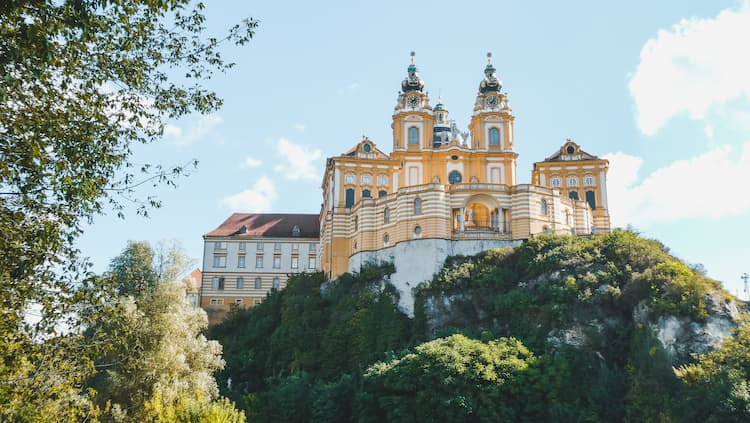
It is said that a young Coloman, having returned from a pilgrimage to Jerusalem, was tortured and hanged from a withered elder in Melk on suspicion of being a spy.
When his body refused to rot, a ceremonial funeral was held on the Melk cliffs. Coloman became Austria’s first patron saint.
His remains were buried in Melk’s Benedictine monastery. You can visit the area where his body is kept, along with the many statues that the town has erected in his name.
Melk is a particularly historic area in the Wachau Valley and is often featured on postcards.
By taking a stroll along Melk’s narrow streets and riverwalk, you will find yourself enveloped by a truly picturesque town filled with old taverns, quaint artisan shops and lush green hikes.
If you’d rather let someone else handle the logistics, this well-reviewed day tour from Vienna combines a coach journey through the valley with a Danube river cruise and a visit to Melk Abbey. Book the Wachau bus and boat tour here.
Aggstein
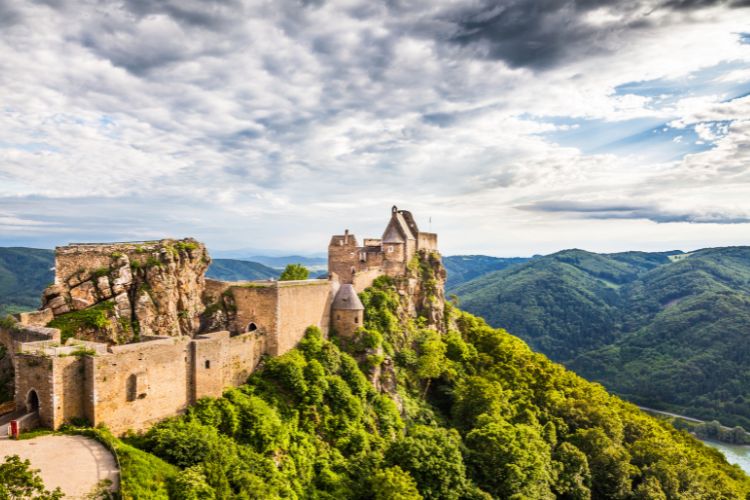
Aggstein is best known for its castle ruin, often considered Austria’s most famous.
In 1529, the castle was burned down by the Ottomans during the first siege of Vienna. The Turks left the castle in ruins. However, it was rebuilt soon after they left – and fitted with extra arrow slits for defense.
There are several ways to get to the castle. The best and by far most scenic route is by walking through the valley, passing many small homes and further ruins, up to the top of the mountain.
By the time you arrive, you will likely be welcomed by one of the many Aggstein events, including Medieval feasts, chocolate hunts and market days. These are just a few of the exciting events that are almost constantly going on.
Willendorf in der Wachau
Perhaps the best thing to see in Willendorf in der Wachau is the Venus of Willendorf: Austria’s most famous archaeological find.
In 27,500 BC, an artist in Willendorf carved an 11 cm tall voluptuous woman out of a piece of limestone. She was discovered in 1908, and since then, her purpose has been debated fiercely.
Some say that she was created as a fertility symbol or as a symbol of a mother goddess. Others argue that she was simply created as a good-luck totem, or even as prehistoric erotica.
Whatever the purpose behind her creation, she will likely remain a mystery until the end of time.
Along with homely coffee shops and delicious fish restaurants, one of the best things to do in Willendorf is visit the Venus Museum.
Spitz
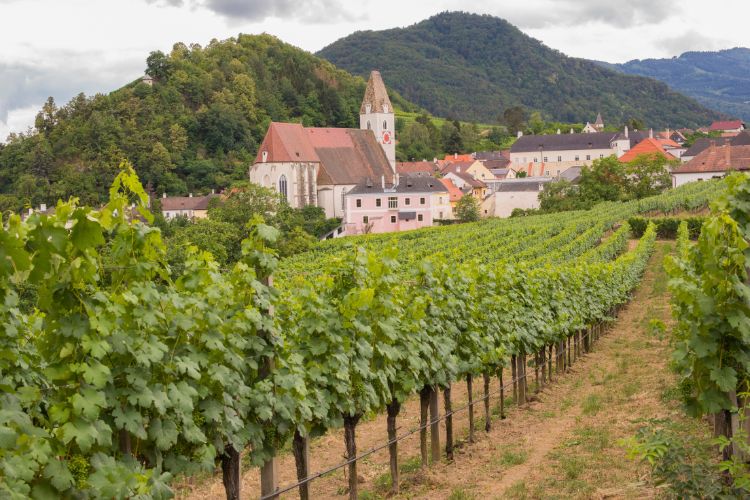
Significantly smaller than both Dürnstein and Melk, Spitz is a charming town located on the edge of the Danube. It is surrounded by forests and vineyards, churches and castles. It’s a great town to get to know the Wachau Valley better.
One of the best things to visit in the town is Teufelsmauer, the “Devil’s Wall”. It is said that, at some point, the Devil became increasingly annoyed by the miracles performed by the local Church of St Johann and decided to build a wall along the Danube to flood it.
God allowed him to do this on one condition: he must finish building the wall before the third croak of a rooster.
As such, the Devil purchased all of the roosters in the region, except those belonging to a little old lady who had refused to sell. When he had nearly finished building the wall, the old lady’s first rooster called out. Then, the second.
Finally, just before he was able to finish it, the third rooster called out and the wall was destroyed by the Danube. Out of anger, the Devil shot an arrow at the rooster. This scene is immortalised at the Church of St Johann.
Only a small amount of the Devil’s Wall remained – and this can be seen in Spitz today.
Weißenkirchen in der Wachau
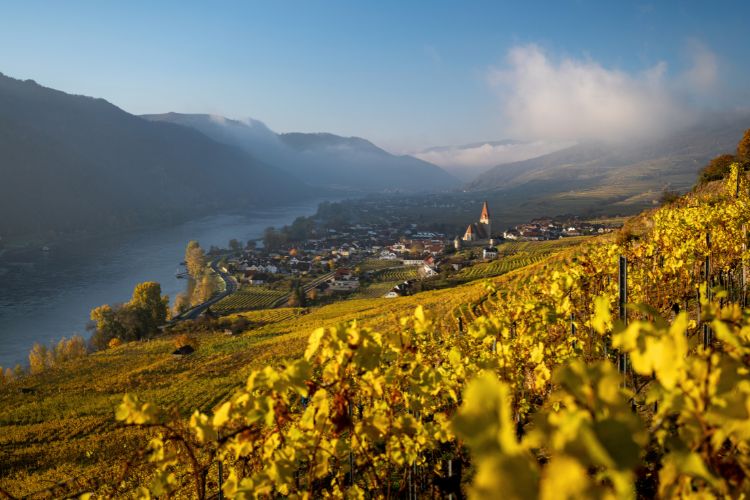
Several centuries ago, Weißenkirchen in der Wachau marked the very centre of the Wachau Valley.
A small medieval village which houses one of the valley’s most remarkable churches, it also has the oldest primary school in Austria (circa 1385), and a 14th-century church.
While significantly smaller than some of its neighbouring towns, Weißenkirchen is still worth a visit.
For those of you who enjoy a quality glass of wine, one of the best things about the town is its proximity to numerous local vineyards, which produce some of the finest wines in Austria.
The Wachau’s wines are best appreciated with a local expert beside you. This highly rated small-group day tour from Vienna takes you through the valley’s vineyards, includes a Danube river cruise, and ends with a tasting at a family-run tavern in Dürnstein. Book the Wachau Valley Wine Tour here.
Dürnstein
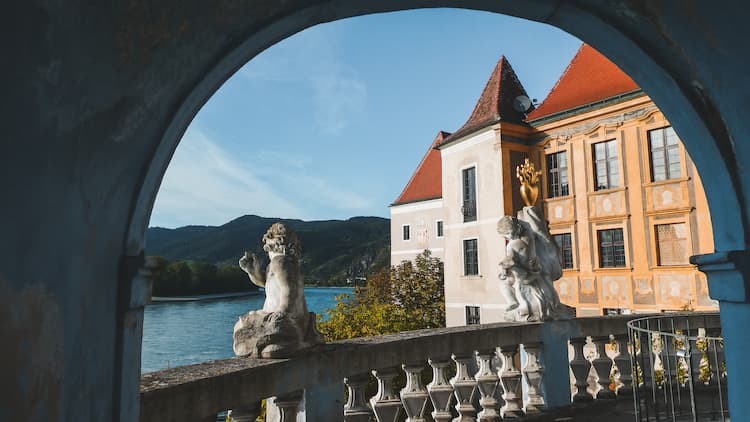
One of the most popular towns in the Wachau Valley is Dürnstein. It is a flawless example of how truly beautiful a UNESCO World Heritage site can be.
You may recognise its distinctive blue clocktower from postcards and storybooks and will love wandering its cobblestoned streets and diving between Baroque architecture and quaint stone-built shops.
The castle of Dürnstein is one of the most iconic sights in the town, known for being the former prison of King Richard the Lionheart. It is well worth a visit – if not for the history, then for the remarkable views of the valley.
Krems
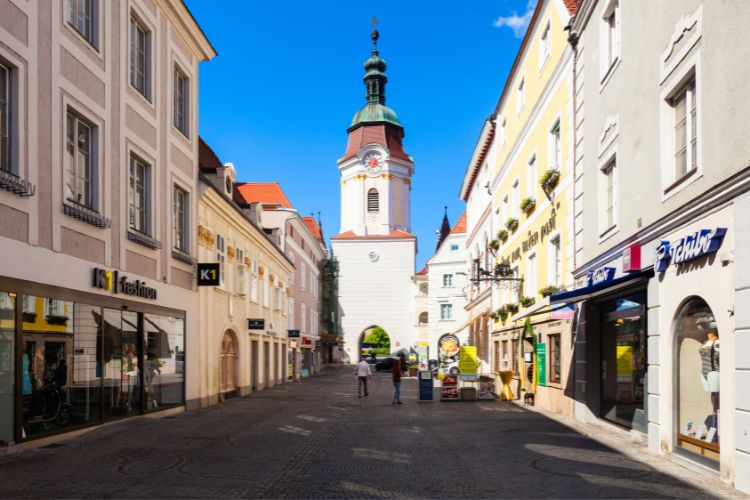
Krems marks the end of the Wachau Valley. It is surrounded by the old town walls, where you will find endless little shops and cafes tucked away.
Krems is the fifth-largest city of Lower Austria, and as such, it is filled to the brim with things to do and see. For those who enjoy fine art, there’s the Kunsthalle.
For those who enjoy learning about the history of a place, there’s the Museumkrems. Others might enjoy a glass or two of wine – and there’s no better place to book onto a wine tour than in Krems.
One could argue that Krems’ location is also perfect for souvenir shopping – a solid motivation for packing extra space into your suitcase.
The Best Way to See the Wachau Valley
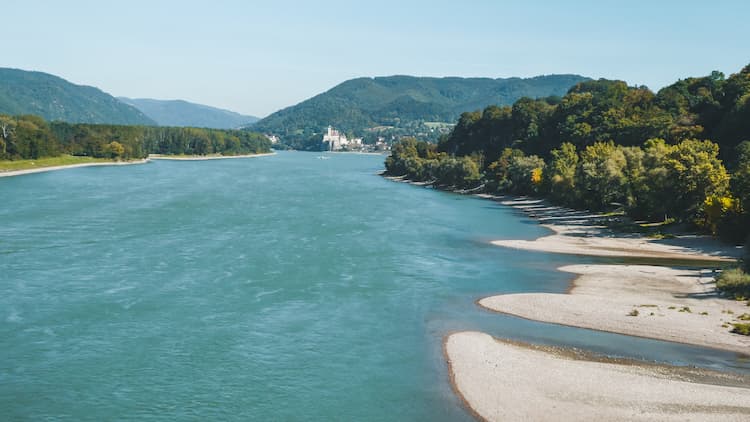
Without a doubt, the best way to see the Wachau Valley is via the Donauradweg, the Danube cycle path. It winds alongside the river and through the valley’s most beautiful towns, all of which are conveniently distanced for multiple ice-cream breaks.
Need a hand planning your trip? Here are the sites and services we rely on most, from booking tools to travel products we love.
Inspire your next adventure with our articles below:
- A Visit to Hallstatt, the Most Beautiful Village in Austria
- Austria’s Alpine Wonderlands: Why Leogang and Seefeld Belong on Your List
Author Bio: Amy Aed is a freelance adventurer who loves to write raw, off-the-beaten-track guides to gorgeous places. Read more in her blog.
Want to discover more hidden gems and helpful travel tips? Join our free newsletter for the latest travel secrets and travel articles.
We are reader-supported and may earn a commission on purchases made through links in this article.

- Along the Gambia River: Markets, Crossings and Chimpanzees - September 14, 2026
- Kagawa, Japan Is the Udon Capital—Where to Eat Sanuki Noodles and How to Get There - September 14, 2026
- Inside the Vatican: An Exclusive Walk Through the Pope’s Private Corridors - September 14, 2026
Planning another trip soon? ✈️
Add GoWorldTravel.com as a preferred source on Google. Click the button below so our local guides, packing hacks, and hidden-gem itineraries always show up first when you search!
Add to Preferred Sources